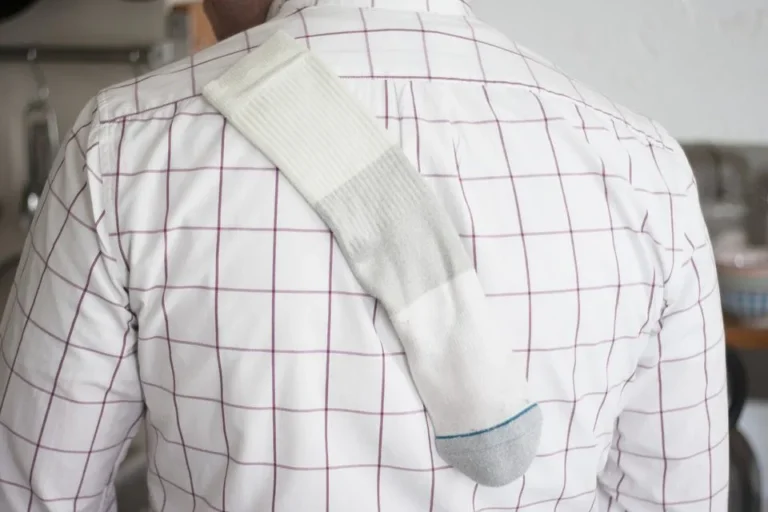
Guide to Does Red Light Therapy Work Through Clothes in 2026
Does red light therapy work through clothes? It's one of the most common questions people ask when they start using photobiomodulation at home, and the answer isn't as straightforward as you might think. The short version: most clothing blocks the wavelengths that make red light therapy effective, but the full picture depends on what you're wearing, which wavelengths your device uses, and what you're trying to treat.
Here's what our research shows. Red light at 660 nm, the wavelength most associated with skin-level benefits like collagen production and acne reduction, gets absorbed or scattered by virtually any fabric it hits. Near-infrared light at 810 to 850 nm penetrates deeper into tissue and can pass through thin, light-colored materials to a limited degree.
The difference between these two wavelengths is the single biggest factor in whether your session through clothes delivers any meaningful dose to your skin. Understanding that distinction changes everything about how you set up your treatments.
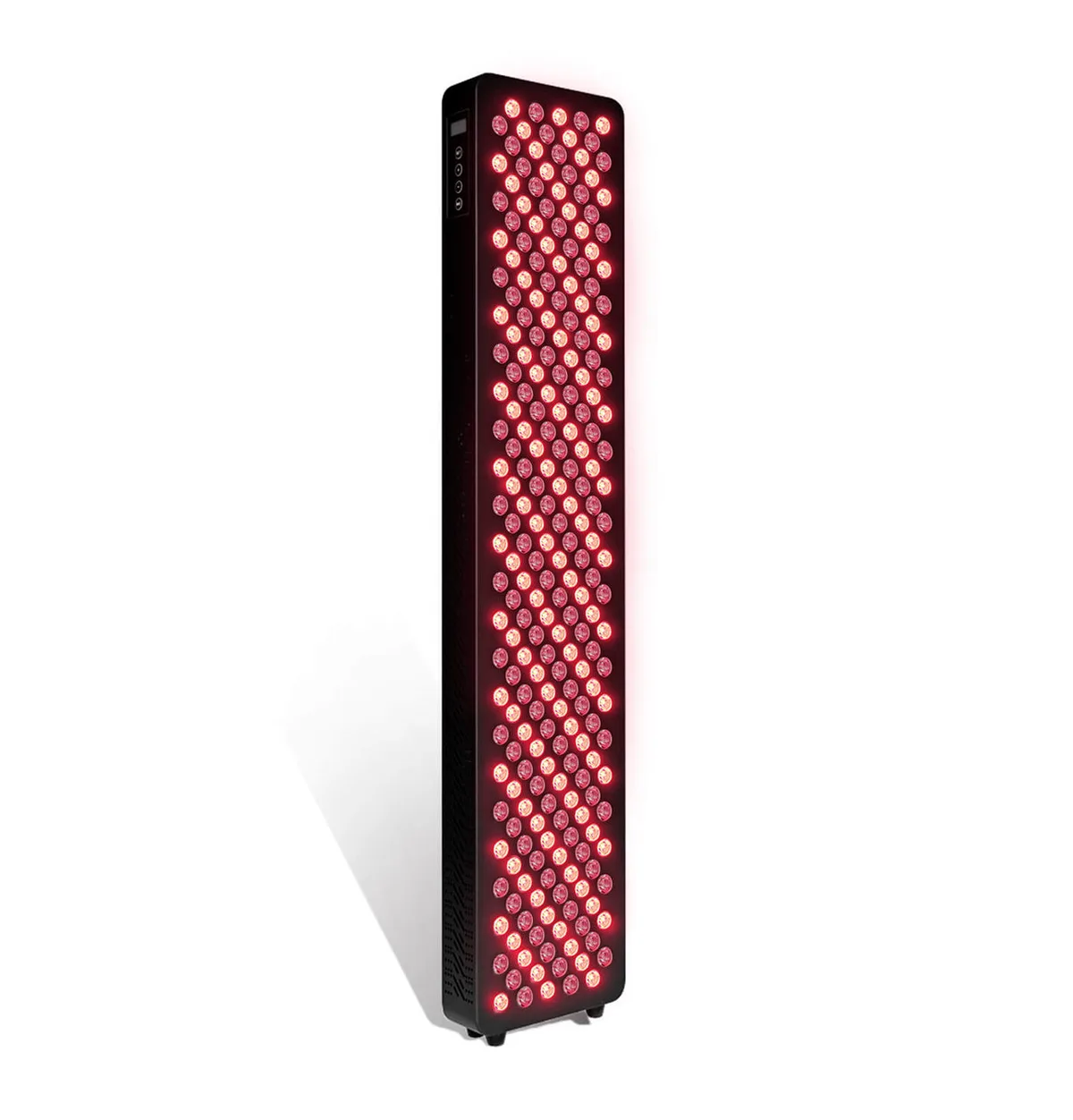
Image source: Bing (Web (fair-use with source credit))
Quick Answer
Red light therapy does not work well through most clothes. Fabric blocks or scatters the therapeutic wavelengths before they reach your skin. Near-infrared light at 850 nm penetrates thin fabrics slightly better than red light at 660 nm.
For consistent, measurable results, direct skin exposure is strongly recommended. If you must treat through clothing, use the thinnest, lightest-colored fabric possible and extend your session time.
Why Clothing Blocks Most Therapeutic Light
When photons from a red light device hit a fabric surface, three things happen almost simultaneously. Some light reflects off the top fibers. Some gets absorbed by the material and converts to a tiny amount of heat.
The rest scatters in random directions as it passes through the uneven weave of the textile. By the time any photons emerge on the other side, the energy density reaching your skin has dropped dramatically.
Think of it like sunlight through a window screen. You know some light gets through, but it's diffused and far less intense than direct sun. Now imagine that screen is made of colored, tightly woven cotton.
The reduction in usable light is massive.
Manufacturer specifications for leading LED therapy panels typically list irradiance values of 20 to 100 mW/cm² at a distance of 6 inches on bare skin. There is no standardized testing for irradiance through clothing because the variables are too numerous. Fabric type, color, thickness, weave density, and moisture content all change the equation.
What we can say with confidence is that a single layer of standard cotton T-shirt material blocks the majority of both 660 nm red light and 850 nm near-infrared light.
The practical takeaway is simple. If your goal is to deliver a specific energy density to your skin, say 4 to 6 J/cm² for a surface-level treatment, clothing introduces an unpredictable variable that makes accurate dosing nearly impossible.
How Wavelength Changes Everything (Red vs. Near-Infrared)
Not all red light therapy wavelengths behave the same way, and this is where most generic advice falls short. The two primary wavelengths used in consumer and clinical photobiomodulation devices are 630 to 660 nm (visible red) and 810 to 850 nm (near-infrared). They interact with fabric very differently.
Red light at 660 nm sits in the visible spectrum. It's the wavelength most studied for skin health, wound healing, and collagen stimulation. It penetrates tissue to a depth of roughly 2 to 3 mm.
When it hits fabric, the colored fibers absorb a significant portion of this visible light. A dark blue or black shirt essentially eats the photons. Even a white cotton shirt reflects and scatters enough to reduce the delivered dose by a large margin.
Near-infrared at 850 nm is invisible to the human eye and penetrates tissue to a depth of 5 to 10 mm or more. Because it's not in the visible range, fabric dyes don't absorb it as aggressively. Thin, light-colored fabrics may transmit a meaningful fraction of 850 nm light, though "meaningful" is relative.
You're still losing a substantial percentage compared to bare skin.
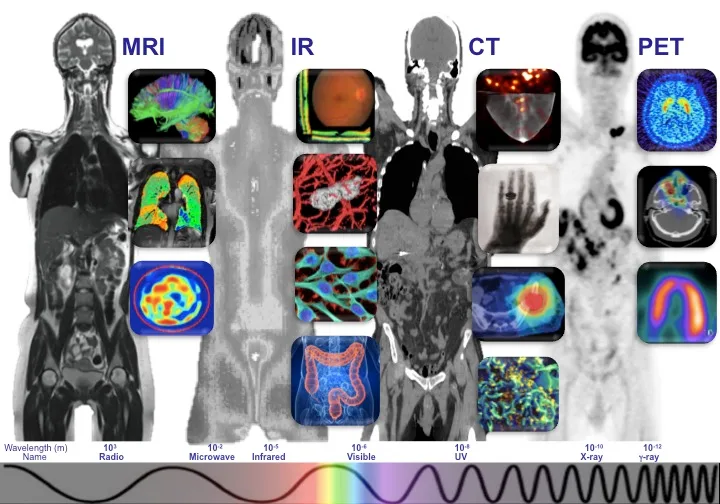
Image source: Wikimedia Commons / Martin Tornai (CC BY)
Here's a practical comparison:
| Wavelength | Primary Use | Fabric Penetration | Bare Skin Irradiance (typical) |
|---|---|---|---|
| 630 to 660 nm (red) | Skin surface, collagen, acne | Very low, blocked by most fabrics | 30 to 80 mW/cm² at 6 inches |
| 810 to 850 nm (NIR) | Deep tissue, joints, muscles | Low to moderate through thin, light fabrics | 40 to 100 mW/cm² at 6 inches |
If your device emits only 660 nm red light, treating through clothes is essentially wasting your session. If it's a dual-wavelength panel with strong 850 nm output, you'll get some therapeutic effect through a thin undershirt, though still far less than direct exposure.
Which Fabrics Block the Most Light — and Which Let Some Through
Fabric matters as much as wavelength. Not all clothing is created equal when it comes to light transmission, and understanding the differences can help you make smarter choices if removing clothing over the treatment area isn't practical.
Fabrics that block the most light:
- Dark-colored cotton (black, navy, dark gray)
- Denim
- Wool
- Thick polyester blends
- Tightly woven synthetic athletic wear
These materials combine dense weaves with dyes or fibers that absorb both visible and near-infrared light. A pair of dark jeans or a black compression shirt will block virtually all therapeutic wavelengths.
Fabrics that allow partial transmission:
- Thin white cotton (undershirt grade)
- Light-colored silk
- Thin polyester or nylon (single layer)
- Lightweight white or pastel spandex
Even with these thinner options, you're still losing a significant percentage of the light. But the loss is less catastrophic than with heavy or dark fabrics.
Key fabric properties that affect transmission:
- Color: Dark colors absorb more light across all wavelengths. White and light pastels reflect visible light but may still allow some near-infrared through.
- Thickness: A single layer of thin cotton transmits more than a double-layered or quilted fabric.
- Weave density: Loosely woven fabrics have tiny gaps between fibers that let more photons pass. Tight weaves block more.
- Moisture content: Wet fabric changes the optical properties. A sweaty shirt may scatter light differently than a dry one, but it doesn't improve transmission in any useful way.
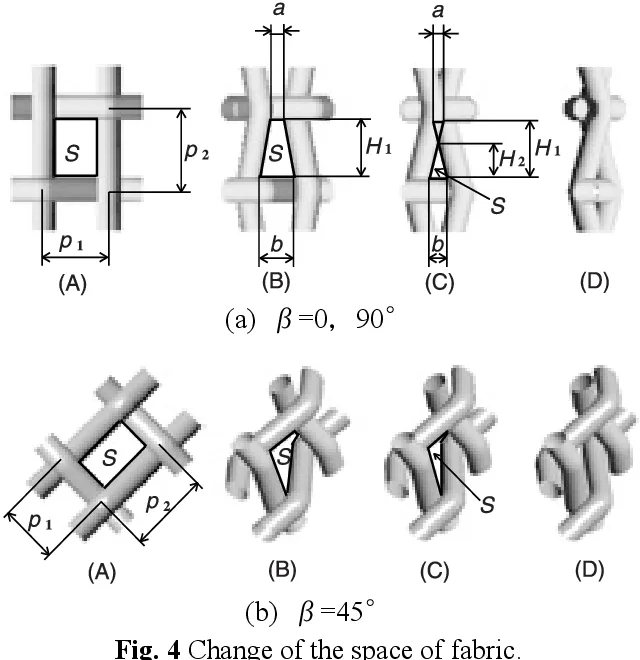
Image source: Bing (Web (fair-use with source credit))
There is no peer-reviewed study that gives exact transmission percentages for specific fabric types at 660 nm or 850 nm. The research simply hasn't been done at that level of granularity. What we know comes from the physics of light-tissue interaction and from aggregate user reports.
The consensus is consistent: bare skin delivers the most reliable and measurable results.
What the Research Actually Says About Light Penetration Through Fabric
The honest answer is that direct research on red light therapy through clothing is limited. Most photobiomodulation studies are conducted on bare skin in controlled clinical settings, which makes sense from a scientific standpoint. Researchers want to eliminate variables, and fabric is a variable that's hard to standardize.
What we do have is a solid body of work on light-tissue interaction that tells us a lot about what happens when photons encounter any barrier between the light source and the target tissue. Studies published in journals like Lasers in Surgery and Medicine and Photomedicine and Laser Surgery consistently show that the therapeutic dose delivered to tissue is a function of wavelength, power density, distance, and exposure time. Introduce an opaque or semi-opaque barrier, and the dose drops in ways that are difficult to quantify without lab equipment.
NASA's early work on LED therapy for wound healing, conducted at the Marshall Space Flight Center, used direct skin contact or very close proximity with no barriers. The FDA clearance summaries for consumer red light devices, accessible through the FDA's 510(k) database, specify intended use on exposed skin. No cleared device that we've found in our research lists "through clothing" as a recommended application method.
The physics is clear enough on its own. Photons at therapeutic wavelengths interact with textile fibers through absorption, reflection, and scattering. Each interaction reduces the number of photons that reach your skin.
The reduction is significant enough that most practitioners and device manufacturers advise direct skin exposure as the standard protocol.
This doesn't mean that every photon gets blocked by every shirt. It means that the dose you receive through clothing is unpredictable and almost always subtherapeutic compared to what the same session would deliver on bare skin. If you're investing time and money into red light therapy, that gap matters.
When Treating Through Clothes Might Still Be Worth It
There are a few situations where treating through clothing makes practical sense, even if the dose is reduced. If you're using near-infrared light at 850 nm to target deep muscle or joint pain, a thin white undershirt won't block everything. You'll still get photons reaching the tissue, just fewer of them per minute.
People who use full-body red light beds sometimes keep lightweight clothing on for comfort or modesty. In those cases, the extended session times (often 15 to 20 minutes) and the sheer number of LEDs surrounding the body partially compensate for the fabric barrier. It's not ideal, but aggregate user reviews suggest some people still notice benefits, particularly for general recovery and mood.
Wearable red light garments are another exception. These products have LEDs built directly into the fabric, positioning the light source against or very close to the skin. They're designed to work as a single system, so the "clothing" is actually part of the device.
That's a fundamentally different scenario from shining a panel through your existing wardrobe.
The key question to ask yourself is what you're treating. Surface-level skin concerns like fine lines, acne, or superficial wounds need direct exposure. Deeper targets like joint pain or muscle soreness are more forgiving of a thin fabric layer, especially with near-infrared wavelengths.
How to Maximize Your Results If You Can't Expose Bare Skin
If removing clothing over the treatment area isn't an option, you can still take steps to get the most out of your session. The goal is to minimize the barrier between the light source and your skin as much as possible.
Choose the right fabric. Wear the thinnest, lightest-colored garment you can. A single-layer white cotton undershirt is far better than a dark athletic shirt or a thick sweater. Avoid anything with tight weaves or heavy dyes.
Move the device closer. Reducing the distance between the LED panel and your skin increases irradiance. If your panel is normally 6 inches away, bringing it to 2 or 3 inches compensates for some of the fabric loss. Just check your manufacturer's guidelines, as some devices aren't designed for direct contact.
Extend your session time. If you normally do 10 minutes on bare skin, try 15 to 20 minutes through thin fabric. You won't fully make up for the blocked light, but you'll deliver more total energy to the tissue. Track how you feel over multiple sessions to find the right duration.
Use near-infrared wavelengths. If your device offers both 660 nm and 850 nm, prioritize the 850 nm setting when treating through clothing. It penetrates fabric better and reaches deeper tissue, which is often the target anyway.
Position the fabric tightly against the skin. Loose, bunched-up clothing creates air gaps that scatter even more light. Smooth, flat fabric lying directly against your skin gives photons the best chance of passing through.
None of these tips fully replace bare skin exposure. But they can make the difference between a session that does almost nothing and one that delivers a partial therapeutic dose.
Common Mistakes People Make When Using Red Light Over Clothes
The biggest mistake is assuming it works the same as bare skin and not adjusting anything. People put on a thick hoodie, sit 12 inches from their panel for 10 minutes, and wonder why they don't see results. The dose reaching their skin is a fraction of what the device is capable of delivering.
Another common error is using only 660 nm red light through clothing. That wavelength is the most easily blocked by fabric. If your device is red-light-only and you can't expose skin, your results will be minimal regardless of how long you treat.
Some users also ignore fabric color entirely. A black cotton shirt and a white cotton shirt of the same thickness will perform very differently. Dark dyes absorb visible light aggressively, and since 660 nm is in the visible range, that dark shirt is essentially acting as a light shield.
Finally, there's the mistake of not tracking outcomes. If you're treating through clothes, keep notes on what you wore, how long you treated, and how you felt afterward. Without that feedback loop, you can't tell whether your protocol is doing anything at all.
A simple log helps you spot patterns and adjust before you waste weeks on an ineffective routine.
Red Light Therapy Through Clothes vs. Bare Skin: Side by Side
The difference between treating through clothes and on bare skin is significant enough to affect your results. Here's how the two approaches compare across the factors that matter most.
| Factor | Through Clothes | Bare Skin |
|---|---|---|
| Light transmission | 10 to 40% (varies widely) | 100% (no barrier) |
| Dose consistency | Unpredictable | Consistent and measurable |
| Best wavelength | 850 nm NIR (partial penetration) | Both 660 nm and 850 nm work well |
| Ideal fabric | Thin, white, single layer | N/A |
| Session time needed | 1.5x to 2x longer for partial effect | Standard duration per protocol |
| Skin-level benefits (acne, collagen) | Significantly reduced | Full effect |
| Deep tissue benefits (joints, muscles) | Partially retained with NIR | Full effect |
| Ease of use | More convenient | Requires undressing treatment area |
Image source: Bing (Web (fair-use with source credit))
Bare skin wins on every performance metric. But convenience matters in real life. If treating through a thin undershirt is the difference between doing your sessions consistently and skipping them entirely, the partial dose is better than nothing.
Consistency over time is one of the strongest predictors of results with photobiomodulation.
The tradeoff is straightforward. You're exchanging effectiveness for convenience. Knowing that upfront lets you make an informed choice rather than wondering why your results don't match what you've read online.
Who Should Always Remove Clothing for Treatment
Certain use cases demand direct skin exposure, no exceptions. If you're treating acne, fine lines, wrinkles, or any surface-level skin condition, fabric between the light and your skin will rob you of the wavelengths that drive those benefits. The 660 nm red light that stimulates collagen production and reduces inflammation gets blocked by even thin clothing.
People using red light therapy for wound healing or post-surgical recovery should also treat on bare skin. Clinical protocols for these applications are designed around direct exposure, and the therapeutic dose depends on a known amount of energy reaching the tissue. A fabric barrier makes accurate dosing impossible.
If you're using a device that only emits 660 nm red light with no near-infrared option, removing clothing is essentially the only way to get results. There's no workaround for a single-wavelength red panel shining through fabric.
Athletes and chronic pain patients using 850 nm near-infrared have more flexibility. A thin, light garment won't completely negate the treatment for deep tissue targets. But even in these cases, bare skin is the gold standard.
If you're investing in a quality device and committing time to regular sessions, you want the full benefit.
Expert Tips for Getting the Most Out of Every Session
Start with bare skin whenever possible. It's the single most impactful thing you can do to improve your results. Even if it's inconvenient for a few minutes, the difference in delivered dose is substantial enough to matter.
Use a dual-wavelength device that offers both 660 nm and 850 nm. This gives you flexibility. Treat skin concerns on bare skin with red light, and use near-infrared through a thin layer when targeting deep tissue and bare skin isn't practical.
Log your sessions. Note the date, wavelength, distance, duration, what you wore, and how you felt afterward. After two to three weeks, patterns emerge.
You'll see which setups actually produce results and which ones feel like wasted time.
Follow the manufacturer's recommended treatment distance and time. These guidelines are based on the device's irradiance output and the energy density needed for therapeutic effects. Doubling the time doesn't always double the benefit.
Photobiomodulation follows a biphasic dose response, meaning there's an optimal range. Too little does nothing, too much can reduce effectiveness.
Replace your device's LEDs according to the manufacturer's lifespan rating. Output degrades over time. A panel that delivered 80 mW/cm² when new might drop to 60 mW/cm² after a few thousand hours.
If your results have been declining, check whether the device is aging out.
Frequently Asked Questions
Can red light therapy work through a thin white shirt?
It can deliver a partial dose, primarily from near-infrared wavelengths at 850 nm. Red light at 660 nm is still largely blocked. You'll need to extend your session time and keep the fabric thin and light-colored for any meaningful effect.
Does fabric color matter for red light therapy?
Yes, significantly. Dark colors absorb more light across all wavelengths. White and light pastels reflect visible light but may allow some near-infrared transmission.
A black shirt blocks far more therapeutic light than a white one of the same thickness.
Is near-infrared light better than red light for treating through clothes?
Near-infrared at 850 nm penetrates thin fabrics better than 660 nm red light because it's outside the visible spectrum and isn't absorbed by fabric dyes as aggressively. It's still not as effective as bare skin, but it's the better option if you can't remove clothing.
How much longer should I treat through clothing compared to bare skin?
There's no precise conversion because fabric transmission varies so much. A reasonable starting point is 1.5 to 2 times your normal session duration. Track your results and adjust from there.
If you're not noticing any benefit after several weeks, the fabric barrier is likely too great.
Are there red light therapy garments designed to work through fabric?
Yes. Wearable red light garments have LEDs built directly into the fabric, positioning the light source against the skin. These are engineered as a complete system and are fundamentally different from shining an external panel through regular clothing.
Is it safe to use red light therapy through clothes?
It's safe in the sense that there's no additional risk from the fabric itself. The concern is effectiveness, not safety. You won't harm yourself by treating through clothes.
You just won't get the full therapeutic benefit.
The Bottom Line: What You Should Actually Do
Bare skin exposure is the standard for a reason. It delivers consistent, measurable doses of therapeutic light to your tissue. If you're serious about results, remove clothing over the treatment area.
If that's not possible, use near-infrared at 850 nm through the thinnest, lightest garment you can. Extend your session time and keep the device close to your skin. Track your outcomes so you know whether the approach is working.
The physics doesn't lie. Fabric blocks light. The more you can minimize that barrier, the better your results will be.