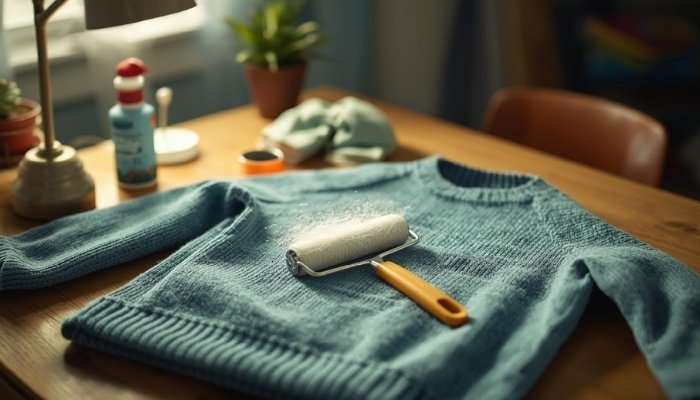
Do Dryer Sheets Help With Lint? The Complete Guide to Lint-Free Laundry
Laundry may seem simple, but lint can turn clean clothes into a fuzzy mess. Many people ask the same question: Do dryer sheets help with lint, or are they just masking the problem? The short answer is yes—but only to a certain extent. Dryer sheets can reduce lint cling, but they don’t remove lint at its source.
To really understand how effective they are, we need to look at what lint is, how dryer sheets work, and what actually keeps clothes lint-free in the long run.
Understanding What Lint Is and Why It Forms
Lint is made up of tiny fibers that break away from fabrics during washing and drying. These fibers collect on clothing, inside dryers, and in lint traps.
Common Sources of Lint in Laundry
Some fabrics naturally shed more fibers than others. Towels, fleece, flannel, and cotton-heavy garments are common culprits. New clothes also tend to release more lint during their first few washes.
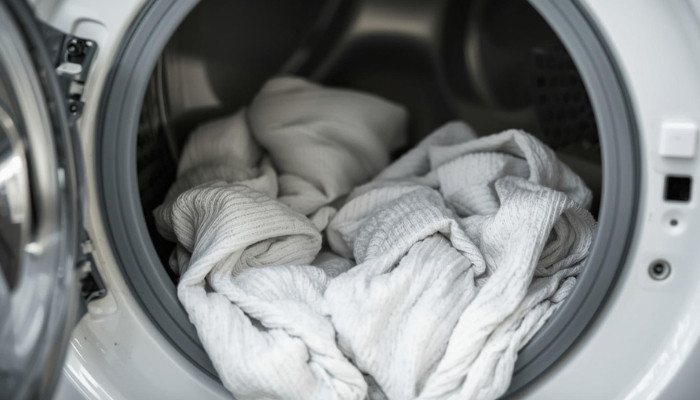
Mixed loads are another major source. When lint-heavy items are dried with smooth fabrics, the loose fibers cling to everything else in the drum.
Why Some Fabrics Attract More Lint
Static electricity plays a big role here. Synthetic fabrics like polyester and nylon build up static during drying. That static charge pulls in loose fibers, making lint stick like a magnet.
How Dryer Sheets Work Inside the Dryer?
To answer the question do dryer sheets help with lint, we must first understand their purpose.
The Science Behind Static Electricity
As clothes tumble and rub together, electrons transfer between fabrics. This creates static electricity, which causes clothes to cling—and attracts lint. Dryer sheets work by coating fabrics with a thin layer of chemicals that reduce this electrical charge.
Ingredients Commonly Found in Dryer Sheets
Most dryer sheets contain softening agents and antistatic compounds. These substances melt slightly with heat and spread across clothing, reducing friction and static buildup.
Do Dryer Sheets Help With Lint Removal?
This is where expectations need to be realistic.
Lint Reduction vs. Static Reduction
Dryer sheets do not remove lint from clothing. Instead, they reduce static, which helps prevent lint from sticking to fabrics. So when people say dryer sheets reduce lint, what they’re really noticing is less lint clinging to clothes.
When Do Dryer Sheets Appear to Reduce Lint?
Dryer sheets work best on lightweight fabrics and synthetic blends. In these cases, reducing static can noticeably improve how clean clothes look when they come out of the dryer. However, the lint still exists—it just ends up in the lint trap instead of stuck to your shirt.
Situations Where Dryer Sheets Don’t Help Much
There are times when dryer sheets make little difference, no matter how many you use.
Heavy Lint-Producing Fabrics
Drying towels, blankets, or fleece items together creates so much lint that static control alone can’t solve the issue. In these loads, lint production overwhelms the benefits of dryer sheets.
Overloaded Dryers and Poor Airflow
When dryers are packed too full, clothes can’t tumble freely. This reduces airflow and prevents lint from being properly captured by the lint trap. Dryer sheets can’t fix mechanical or airflow problems.
Better Ways to Reduce Lint in the Dryer
If lint is a constant problem, changing your laundry habits will help more than relying on dryer sheets alone.
Proper Sorting Techniques
Always separate lint-heavy items from lint-attracting fabrics. Towels should be dried separately from dark clothes, athletic wear, or smooth fabrics.
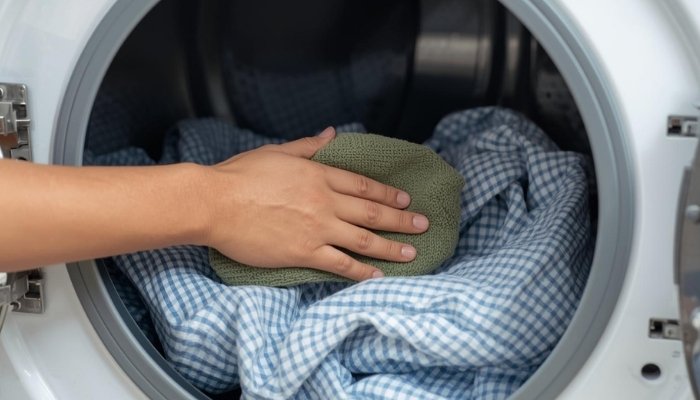
Shaking clothes before placing them in the dryer also loosens fibers, helping the lint trap do its job.
Dryer Maintenance and Lint Traps
Cleaning the lint trap after every load is essential. A clogged trap reduces efficiency and allows lint to circulate back onto clothes. Periodically cleaning dryer vents also improves airflow and lint capture.
Alternatives to Dryer Sheets for Lint Control
If you’re trying to reduce chemical use or save money, there are effective alternatives.
Wool Dryer Balls
Wool dryer balls help separate clothes as they tumble, improving airflow and reducing static. They don’t add fragrance, but they can significantly reduce lint cling when used correctly.
Vinegar and Other Natural Options
Adding white vinegar during the rinse cycle can soften fabrics and reduce static without leaving residue. Unlike dryer sheets, vinegar doesn’t coat fibers, making it a good option for towels and athletic wear.
Pros and Cons of Using Dryer Sheets
Pros:
- Reduce static electricity
- Make clothes feel softer
- Add a pleasant fragrance
- Help prevent lint from clinging
Cons:
- Don’t remove lint at the source
- Can leave residue on fabrics
- May reduce towel absorbency over time
- Not environmentally friendly
FAQs About Dryer Sheets and Lint
1. Do dryer sheets help with lint on black clothes?
Yes, dryer sheets can reduce static, which helps prevent lint from sticking to black clothing. However, proper sorting is still essential.
2. Can using more dryer sheets remove more lint?
No. Using extra dryer sheets won’t remove lint and may increase residue on fabrics.
3. Are dryer sheets bad for towels because of lint?
Dryer sheets can leave a coating that reduces towel absorbency, but they don’t increase lint production.
4. Do dryer sheets help with lint in the washing machine?
No. Dryer sheets only work in the dryer and do not affect lint created during washing.
5. Are dryer balls better than dryer sheets for lint?
Dryer balls are often better for airflow and reducing static naturally, which can help with lint cling.
6. Why do my clothes still have lint even with dryer sheets?
Excess lint usually comes from fabric shedding, poor sorting, or an overfilled dryer—not a lack of dryer sheets.
Conclusion: Are Dryer Sheets Worth It for Lint?
So, do dryer sheets help with lint? Yes—but only indirectly. They reduce static electricity, which helps prevent lint from sticking to clothes. They do not remove lint or stop fabrics from shedding.
For best results, combine dryer sheets with smart sorting, proper dryer maintenance, and good laundry habits. When used correctly, dryer sheets can be a helpful tool—but they’re not a magic fix