How to Remove Lint From Black Clothes (Proven Methods)
Black clothes have a unique problem that lighter colours simply don’t. A black t-shirt, hoodie, pair of jeans, or office trousers can be freshly washed, smell clean, and still look dirty because of lint. Even a small amount of fuzz, dust, or pet hair stands out sharply against dark fabric.
This is why so many people feel frustrated with black clothes. You do the laundry, you hang or fold everything neatly, and then you put on a black outfit—only to see it covered in tiny fibres. The clothes are technically clean, but visually, they look messy.
If you’re searching for how to remove lint from black clothes, you’re not just looking for a quick fix. You want a way to keep black clothes looking sharp without fading the fabric, damaging fibres, or wasting time fighting lint every single day.
This guide explains why black clothes show lint so easily, how to remove lint before wearing, how to deal with lint in the washing machine, common drying mistakes, and how to prevent lint on black clothes long-term. The goal is not just to clean lint today, but to reduce how much lint you deal with in the future.
Why do black clothes attract and Show Lint More?
Black clothes don’t necessarily attract more lint than other colours, but they make lint far more visible. Several factors work together to create this problem.
The biggest factor is colour contrast. Light-coloured fibres from towels, bedding, fleece, and cotton stand out sharply on black fabric. Even a tiny white or grey fibre becomes very noticeable.
Static electricity also plays a major role. Black clothes are often made from cotton blends, synthetics, or stretch fabrics that build static easily. Static causes loose fibres and pet hair to cling to the surface instead of falling off.
Fabric type matters too. Black fleece, hoodies, and cotton knits have textured surfaces that trap lint more easily. Smooth black dress trousers may not trap as much lint, but they still show every speck that lands on them.
Finally, washing and drying habits often make the problem worse. Mixing lint-producing items like towels with black clothes, using high heat, and over-drying all increase static and fibre transfer. The result is black clothes that come out of the machine already covered in lint.
Understanding these causes makes it easier to fix the problem properly instead of constantly chasing lint with quick fixes.
How to Remove Lint From Black Clothes (Quick Fixes Before Wearing)
Sometimes you need to remove lint right before leaving the house. These quick methods are designed for fast, surface-level lint removal without damaging black fabric.
Method 1: Lint Roller
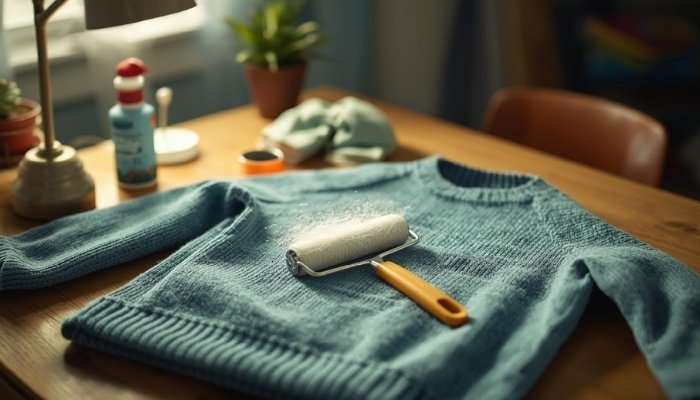
A lint roller is the fastest and most reliable quick fix for black clothes. It works well for surface lint, dust, and pet hair.
Use light, even pressure and roll in one direction. Avoid pressing too hard, as this can flatten fabric and make some areas look shiny, especially on black cotton and blends.
Lint rollers are ideal for:
- Black t-shirts
- Office trousers
- Black hoodies
- Jackets and coats
They are less effective for fuzz that is part of the fabric surface rather than loose lint.
Method 2: Adhesive Tape
If you don’t have a lint roller, tape is a good substitute.
Wrap tape around your hand with the sticky side facing out and gently dab the fabric. This works well for small areas and light lint.
Be careful with strong packing tape on delicate black fabrics. Use light pressure and avoid dragging the tape across the surface.
Method 3: Damp Cloth
A slightly damp cloth can remove lint by reducing static and helping fibres cling to the cloth instead of your clothes.
Lightly wipe the black fabric in one direction. This method is especially useful in dry environments where static is strong. Avoid soaking the cloth. Too much moisture can leave water marks on black fabric.
Read More Articles:
- How to Remove Lint Without a Lint Roller?
- How to Remove Lint From Clothes?
- How to Remove Pilling From Jumpers?
- How to Remove Pills From a Couch?
- How to Remove Pilling From Cashmere?
- How to Remove Pilling From a Wool Sweater?
- How to Remove Pills From Sweaters (Without Ruining Them)
How to Remove Lint From Black Clothes Without a Lint Roller?
Many people look for ways to remove lint from black clothes without a lint roller, especially at work, while travelling, or at home, without proper tools.
Method 1: Dryer Sheets
Dryer sheets are very helpful for black clothes because they reduce static.
Lightly wipe a dryer sheet over the fabric. This helps loosen lint and makes it easier to brush or shake off. Dryer sheets are gentle and safe for most black fabrics.
Method 3: Rubber Gloves
Rubber gloves are excellent for pet hair and stubborn lint.
Put on a clean rubber glove and lightly run your hand over the black fabric. Hair and lint will often clump together, making them easy to remove.
This works especially well for black hoodies, sweaters, and thicker fabrics.
Method 4: Microfiber Cloth
Microfiber cloths are designed to pick up fine particles. Gently wiping black clothes with a microfiber cloth can lift light lint and dust. This is a good option for black office wear and smooth fabrics.
These methods are covered in more depth in the dedicated guide on removing lint without a lint roller, which focuses on emergency and DIY situations.
How to Remove Lint From Black Clothes in the Washing Machine?
One of the biggest frustrations is when black clothes come out of the washing machine already covered in lint. Fixing this requires changes to how you wash, not just how you remove lint afterward.
Turn Black Clothes Inside Out
Turning black clothes inside out protects the outer surface from friction and lint transfer. Most lint settles on the outside of garments during washing and drying. Washing inside out reduces how much lint sticks to visible areas.
Separate Lint-Producing Fabrics
Towels, fleece, flannel, and heavy cotton shed large amounts of lint. Washing these with black clothes almost guarantees lint transfer.
Wash black clothes separately from:
- Towels
- Blankets
- Fleece items
- New cotton garments
This one change alone can dramatically reduce lint on black clothes.
Choose the Right Wash Cycle
Gentler cycles reduce friction. Heavy-duty or long cycles increase fibre shedding and transfer.
For black clothes, use:
- Gentle or normal cycle
- Shorter wash times when possible
Less agitation means less lint movement.
Use Cold Water
Hot water weakens fibres and increases shedding. Cold water is safer for black clothes and helps reduce lint production. It also helps preserve colour and prevent fading.
Consider an Extra Rinse
An extra rinse can help flush away loose fibres that would otherwise stick to clothes. This is especially helpful if you notice heavy lint buildup after washing.
Avoid overloading the washer. Overcrowding increases friction and lint transfer between garments.
Many people who struggle with this issue also look into washing machine lint problems more broadly, as lint buildup in the machine itself can contribute to ongoing issues.
Drying Mistakes That Make Lint Worse on Black Clothes:
The dryer is often where black clothes pick up the most lint.
Over-Drying
Over-drying increases static and makes lint cling more strongly to fabric. Remove clothes as soon as they are dry instead of letting them tumble longer than necessary.
Mixing Towels With Black Clothes
Drying towels with black clothes is one of the biggest mistakes. Towels shed large amounts of lint in the dryer. Always dry black clothes separately from towels and lint-heavy items.
Static Buildup
Static causes lint to cling tightly. Using lower heat settings, removing clothes promptly, and lightly using dryer sheets can help reduce static.
If possible, air-drying black clothes can significantly reduce lint problems.
People dealing with persistent issues often also research dryer lint problems, as lint buildup and airflow issues in the dryer can affect how much lint ends up back on clothes.
How to Prevent Lint on Black Clothes Long-Term?
Prevention is the most effective way to keep black clothes looking clean.
Sort laundry by fabric type, not just colour. Keeping lint-shedding items away from black clothes makes a big difference.
Wash black clothes inside out and in smaller loads to reduce friction.
Avoid buying black fabrics that attract lint easily, such as heavy fleece, if lint is a constant problem.
Store black clothes in closed drawers or garment bags to reduce airborne lint and dust.
Light, regular lint removal is better than letting heavy buildup accumulate.
Pet owners should vacuum furniture and bedding frequently to reduce loose hair that transfers to black clothes.
Small changes in routine can dramatically reduce how often you fight lint.
Fabric-Specific Tips for Black Clothes
Not all black fabrics behave the same.
Black Cotton
Black cotton attracts lint and sheds fibres. Lint rollers, tape, and washing inside out are especially important. Cotton is durable but can fade if over-treated.
Black Fleece
Fleece attracts and holds lint aggressively. Wash fleece separately and avoid mixing with black cotton or smooth fabrics. Lint rollers and rubber gloves work well for surface lint.
Black Synthetic Blends
Polyester and stretch blends attract lint due to static. Dryer sheets, damp cloths, and static reduction methods are especially helpful.
Frequently Asked Questions
Why do my black clothes get lint after washing?
This usually happens because lint-producing fabrics are washed together with black clothes, static buildup occurs in the dryer, or the washer and dryer allow loose fibres to redeposit on garments.
Can lint permanently damage black clothes?
Lint itself does not usually damage fabric, but aggressive lint removal methods can thin fibres and cause fading or shine on black fabric over time.
What’s the safest lint remover for black fabric?
Lint rollers, microfiber cloths, and gentle tape are among the safest options. Always use light pressure and avoid cutting or scraping tools.
Conclusion
Black clothes show lint more than any other colour, which makes the problem feel worse than it actually is. The good news is that lint on black clothes is very manageable with the right approach.
Quick fixes like lint rollers, tape, and damp cloths handle surface lint. Better washing and drying habits prevent lint from building up in the first place. Separating lint-producing fabrics, washing inside out, using cold water, and avoiding over-drying all make a noticeable difference.
With a few simple changes, black clothes can stay looking sharp, clean, and professional—without constant frustration. Lint may be common, but it is absolutely fixable.