How to Get the Fuzz Balls Off of Sweaters: The Complete Guide to Keeping Your Knitwear Looking New
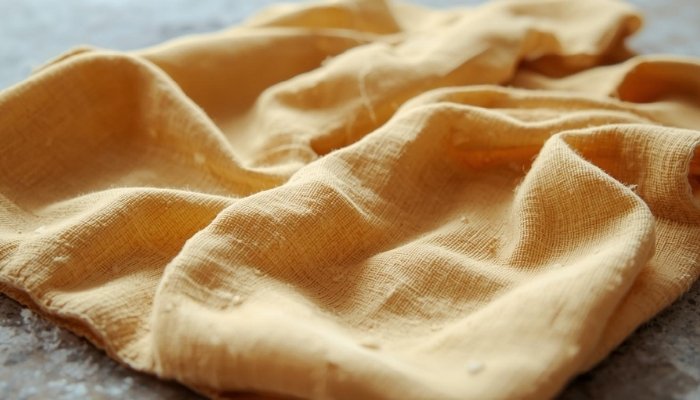
Fuzz balls, also known as fabric pills, are small clumps of fibers that form on the surface of sweaters over time. They happen when loose fibers break free and tangle together due to friction. Every time your sweater rubs against itself, furniture, or even a seatbelt, tiny fibers loosen and clump. So, How to Get the Fuzz Balls Off of Sweaters?
Understanding Fabric Friction and Wear
The more friction a sweater experiences, the faster fuzz balls appear. Daily wear, frequent washing, and spinning in dryers speed up this process. Even high-quality sweaters can pill if they’re exposed to repeated friction.
Fabrics Most Prone to Pilling
Some materials pill more easily than others:
- Wool and wool blends
- Acrylic and polyester
- Cashmere
- Cotton blends
Knowing the fabric type helps you choose the safest way to remove fuzz balls.
How to Get the Fuzz Balls Off Sweaters Safely?
There are several effective ways to restore your sweater’s smooth look. The key is choosing a method that matches the fabric’s delicacy.
Method 1: Fabric Shaver (Best Overall Solution)
A fabric shaver is the most reliable tool for how to get the fuzz balls off of sweaters. It gently trims pills without pulling threads.
How to use it:
- Lay the sweater flat on a smooth surface
- Turn the fabric shaver on
- Glide it lightly across the fabric
- Empty the lint chamber as needed
This method works well for most sweater materials.
Method 2: Razor Method (Quick and Budget-Friendly)
A disposable razor can work surprisingly well.
Steps:
- Lay the sweater flat
- Hold the fabric tight
- Lightly shave in one direction
Be gentle—pressing too hard can cut holes.
Method 3: Sweater Comb for Delicate Fabrics
Sweater combs are designed for natural fibers like wool and cashmere. They remove fuzz balls without stressing the fabric.
Best for:
- Cashmere
- Merino wool
- Fine knits
Method 4: Using Tape or Lint Rollers
Lint rollers or wide packing tape help lift small pills.
Tip: Press gently and pull upward—don’t drag sideways.
Method 5: Velcro or Hook-and-Loop Trick
Lightly brushing a Velcro strip over the fabric can lift fuzz balls.
Use with caution: This works best on thicker knits, not delicate sweaters.
Method 6: Scissors for Precision Work
For stubborn or large fuzz balls:
- Use small scissors
- Snip pills individually
- Avoid cutting the fabric threads
This is slow but very safe when done carefully.
How to Get the Fuzz Balls Off of Sweaters Without Damage?
Removing fuzz balls should never weaken your sweater.
Mistakes to Avoid When Removing Fuzz
- Pulling pills by hand
- Using dull razors
- Working on loose or uneven surfaces
Best Surfaces to Work On
- Flat table
- Ironing board
- Clean countertop
A stable surface reduces the risk of snags.
How to Prevent Fuzz Balls on Sweaters
Prevention is just as important as removal.
Washing and Drying Best Practices
- Turn sweaters inside out
- Use cold water
- Choose gentle cycles
- Air-dry whenever possible
Avoid dryers—they cause the most friction.
Proper Storage Techniques
- Fold sweaters instead of hanging them
- Store in breathable fabric bags
- Avoid overcrowding drawers
FAQs
1. What is the safest way to get fuzz balls off sweaters?
A fabric shaver or sweater comb is the safest option.
2. Can removing fuzz balls damage sweaters?
Yes, if done roughly. Gentle tools prevent damage.
3. How often should I remove fuzz balls?
Only when they become noticeable. Overdoing it can thin fabric.
4. Does washing cause fuzz balls?
Yes, especially warm water and harsh cycles.
5. Are fabric shavers safe for all sweaters?
Most are, but always test on a small area first.
6. How do I stop fuzz balls from coming back?
Reduce friction, wash gently, and air-dry.
Conclusion: Keep Your Sweaters Looking New Longer
Learning how to get the fuzz balls off of sweaters is a simple way to extend their life and keep them looking fresh. With the right tools, gentle techniques, and smart care habits, your sweaters can stay smooth, stylish, and comfortable for years to come.