How to Remove Lint From Clothes (Easy, Safe & Proven Methods)
Lint is one of those small problems that can make otherwise clean clothes look messy. A shirt, jumper, or pair of trousers can be freshly washed and still look unkempt because tiny fibers, fuzz, or pet hair are stuck all over the surface. Black clothes, winter fabrics, and office wear are especially prone to showing lint, which is why many people feel frustrated even after doing laundry properly.
If you’ve ever asked yourself how to remove lint from clothes, you’re not alone. Most people know about lint rollers, but fewer understand why lint forms in the first place, why it sticks so stubbornly, and how to remove it without damaging fabrics over time.
This guide is designed as a complete, practical resource for lint removal. It explains what lint actually is, why it clings to clothes, the best tools and methods to remove it, fabric-specific considerations, washing and drying habits that make lint worse, and how to prevent lint in the future. The goal is not just to clean clothes today, but to keep them looking better for longer.
What Is Lint and Why Does It Stick to Clothes?
Lint is made up of tiny loose fibers that come from clothing, towels, bedding, and other textiles. These fibers are released during normal wear, washing, and drying. Once they are loose, they often attach themselves to other garments instead of being fully removed.
One major reason lint exists is fiber shedding. All fabrics shed fibers to some degree. Natural fibers like cotton and wool tend to shed more visibly. Synthetic fibers also shed, but the fibers are often finer and less noticeable. Over time, these loose fibers accumulate in washing machines, dryers, and on other garments.
Static electricity is another big reason lint sticks so firmly. When clothes rub together in the dryer or during wear, static charge builds up. This static causes loose fibers to cling to fabric surfaces instead of falling away. This is why dry winter air and synthetic fabrics often make lint problems worse.
Fabric friction also plays a role. Clothes rubbing against each other in the wash, against furniture, or against outerwear loosen fibers and encourage them to transfer from one garment to another. The more friction, the more lint transfer occurs.
Finally, washing and drying habits strongly affect lint. Overloading the washer, mixing lint-shedding fabrics with smooth fabrics, and using high heat in the dryer all increase the amount of lint that ends up stuck on clothes.
Types of Lint You See on Clothes
Not all lint looks or behaves the same. Understanding the type of lint helps you choose the right removal method.
Fabric lint is the most common type. These are loose fibers that transfer from towels, fleeces, cotton garments, and other shedding fabrics onto smoother clothes.
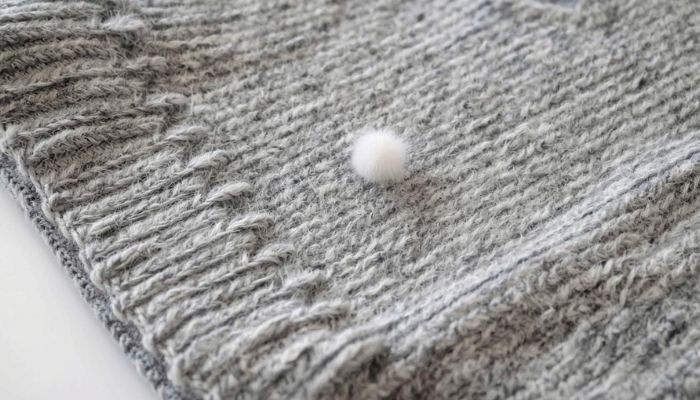
Fuzz and small pills are related but slightly different. These form when fibers on a garment loosen and tangle together on the surface. They are more common on knitwear and soft fabrics.
Pet hair is often grouped with lint because it sticks similarly. While pet hair is not technically lint, it behaves like lint due to static and friction. Homes with cats or dogs usually deal with a mix of pet hair and fabric lint.
How to Remove Lint from Clothes: Some Best Ways
This is the core of lint removal. The safest and most effective approach is to start with gentle methods and only move to stronger tools if needed.
1. Lint Roller
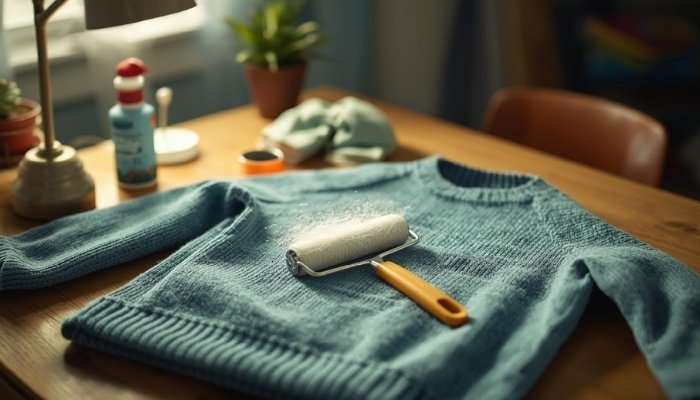
Lint rollers are the most popular lint removal tool for a reason. They are quick, simple, and safe for most fabrics.
Lint rollers work best for surface lint, pet hair, and light fuzz. They are ideal for black clothes, office wear, and last-minute touch-ups before leaving the house.
However, lint rollers do have limits. They are less effective for embedded lint, fuzz that is part of the fabric surface, and small pills. They also require refills and may not be cost-effective for heavy lint problems.
2. Fabric Brush or Fabric Comb
Fabric brushes and combs are gentler, reusable tools that work well on knitwear and textured fabrics.
A fabric brush helps lift lint and hair from the surface without relying on sticky adhesive. Fabric combs are especially useful for knit garments because they can lift fuzz and small pills without cutting into the fabric.
These tools are best for jumpers, wool garments, and fabrics where you want more control than a lint roller provides.
3. Electric Fabric Shaver
Electric fabric shavers are designed to remove fuzz and small pills rather than loose surface lint.
They should be used when lint is actually part of the fabric surface, such as fuzz on jumpers, sweaters, or knit trousers. They are not ideal for simple pet hair or loose lint.
When using an electric fabric shaver, always use light pressure, the lowest effective speed, and test on a hidden area first. Overuse or pressing down can thin fabric and cause damage.
4. Household and DIY Methods
When you don’t have a lint roller, several household options can help in a pinch.
Tape can work similarly to a lint roller for small areas. Wrap tape around your hand with the sticky side out and dab the fabric gently.
A slightly damp cloth can help lift lint by reducing static. Lightly wipe the surface rather than scrubbing.
Dryer sheets can reduce static and help loosen lint from the surface, especially for quick touch-ups.
These methods are useful temporarily but are not ideal for heavy or repeated lint problems.
Strong Warnings
Razors should not be used for lint removal. They cut fabric fibers along with lint and can permanently thin garments.
Over-shaving is another common mistake. Even proper fabric shavers can damage clothes if used too often or with too much pressure.
Read More Articles:
- How to Remove Pilling From Jumpers?
- How to Remove Pills From a Couch?
- How to Remove Pilling From Cashmere?
- How to Remove Pilling From a Wool Sweater?
- How to Remove Pills From Sweaters (Without Ruining Them)
How to Remove Lint Without a Lint Roller?
Not everyone uses lint rollers, and in some situations, they are not the best choice.
Fabric brushes, combs, damp cloths, and tape are all alternatives. People with sensitive fabrics, reusable-tool preferences, or large lint areas often look for roller-free options.
This topic is usually covered in more detail in a dedicated guide on lint removal without a lint roller, which explains alternative methods and when to avoid sticky tools altogether.
Fabric-Specific Advice for Lint Removal
Different fabrics attract and hold lint in different ways. Adjusting your approach based on fabric type reduces damage and improves results.
Cotton
Cotton sheds fibers and also attracts lint from other fabrics. Lint rollers and fabric brushes work well for lint removal. Cotton can usually tolerate gentle shavers for surface fuzz, but heavy shaving should be avoided.
Wool
Wool attracts lint and also develops surface fuzz. Fabric combs and gentle brushing are safer than aggressive shaving. Many people who deal with wool lint also deal with pilling, which overlaps with guidance on how to remove pilling from wool sweaters.
Synthetic Fabrics
Polyester, nylon, and acrylic often attract lint due to static. Lint rollers, damp cloths, and anti-static methods are helpful. Shaving is usually unnecessary unless surface fuzz is present.
Delicate Fabrics
Silk, fine knits, and delicate blends require extra care. Light brushing and minimal pressure are best. Avoid electric shavers unless they are specifically designed for delicate fabrics, as they have lint removal.
Washing and Drying Tips to Reduce Lint Or Lint Removal
Turning clothes inside out before washing protects the outer surface from friction and lint transfer.
Cold water reduces fiber stress and shedding. Hot water weakens fibers and increases lint production.
Overloading the washer increases friction and lint transfer. Smaller loads allow clothes to move more freely and shed less onto each other.
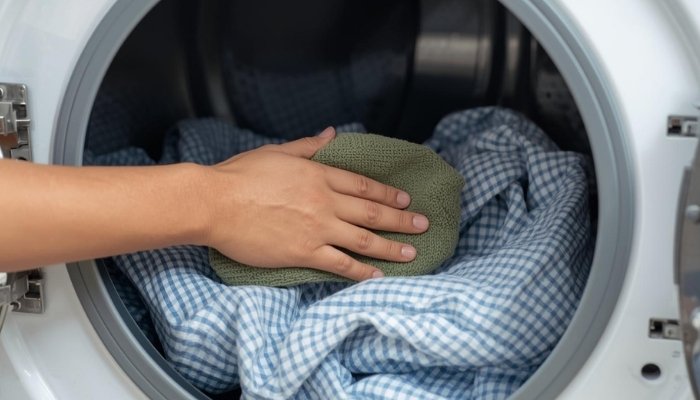
Dryer mistakes are a major cause of lint. High heat increases static and fiber shedding. Over-drying also worsens lint cling.
Cleaning the lint trap every cycle is essential. A clogged lint trap reduces airflow and allows more lint to redeposit on clothes.
Mixing lint-shedding items like towels with smooth fabrics increases lint transfer. Washing lint-heavy items separately makes a noticeable difference.
For deeper issues, many people also look into how lint builds up in washing machines and dryers, which is often covered in dedicated guides on washing machine lint and dryer lint.
How to Prevent Lint in the Future?
- Sort clothes by fabric type, not just colour. Keep lint-shedding items separate from smooth or dark clothes.
- Store lint-prone garments in garment bags or closed drawers to reduce airborne lint.
- Remove lint lightly and regularly instead of waiting for heavy buildup.
- Reduce static by avoiding over-drying and using air-drying when possible.
- Pet owners should vacuum furniture and bedding frequently to reduce loose hair that transfers to clothes.
- Small habit changes make a big difference over time.
Frequently Asked Questions
Why do my clothes get lint so easily?
Lint forms because fabrics shed fibers, static electricity causes fibers to cling, and friction transfers lint between garments. Washing and drying habits also play a major role.
Does lint damage clothes?
Lint itself does not usually damage clothes, but aggressive lint removal methods can. Razors, heavy shaving, and excessive pressure can thin fabric over time.
How often should I remove lint?
Remove lint as needed, but avoid aggressive methods too frequently. Light, regular maintenance is better than heavy removal sessions.
Conclusion
Learning how to remove lint from clothes is about more than quick fixes. Understanding why lint forms, choosing the right tools, and adjusting laundry habits all work together to keep clothes looking cleaner and more presentable.
Lint rollers, fabric brushes, and gentle shavers each have their place. The key is to match the method to the type of lint and the type of fabric. Combined with better washing, drying, and storage habits, proper lint care helps extend the life and appearance of your clothes.
Gentle, consistent care always beats aggressive shortcuts. Clothes that are handled thoughtfully will look better, feel better, and last longer.