How to Remove Lint From Clothes in Washing Machine?
Few laundry problems are as frustrating as taking clean clothes out of the washing machine and finding them covered in lint. Your clothes may smell fresh and look washed, but tiny fibers, fuzz, and specks make them appear dirty or poorly cared for. This is especially annoying with black clothes, office wear, and items you want to look sharp.
If you’re searching for how to remove lint from clothes in a washing machine, you’re likely dealing with a problem that feels hard to control. Many people assume lint is just part of doing laundry, but in reality, most lint problems come from a small number of fixable habits and machine-related issues.
This guide explains why lint appears after washing, what causes washing machines to leave lint on clothes, and exactly what you can do to remove lint and prevent it in future loads. You’ll also learn how to clean lint from the washing machine itself, what user-level lint removers can help, and how to handle special fabrics like black clothes, towels, sweaters, and pet-hair-heavy items.
The goal is simple: help your clothes come out of the washer cleaner, smoother, and with far less lint.
What Is Lint and Why Washing Machines Cause It?
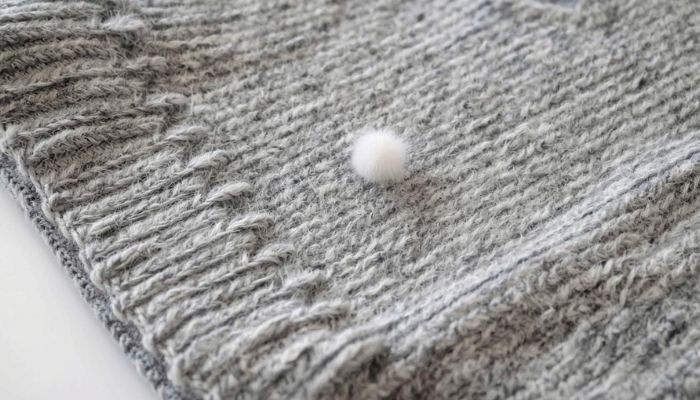
Lint is made up of tiny loose fibers that come from fabric. Every time clothes are worn, washed, and dried, small fibers break away from the yarn. These fibers float freely in the wash water and air.
Washing machines create lint for several reasons. Agitation inside the drum causes clothes to rub against each other. This friction loosens fibers, especially from towels, cotton, fleece, and older garments. Once loose, these fibers have to go somewhere. Some are carried away in the drain, but many remain in the drum or cling to other clothes.
Some washers cause more lint problems than others. Older machines, machines with clogged filters, and overloaded machines tend to trap and redistribute lint instead of removing it properly. Water level, cycle type, and detergent residue can also affect how well lint is rinsed away.
In simple terms, lint appears because fibers are breaking off, and the washing process is not removing them effectively. Fixing lint problems means reducing fiber shedding, improving rinsing, and preventing lint from transferring between clothes.
Common Reasons Clothes Come Out With Lint After Washing
Several everyday habits make lint much worse. The most common causes include:
- Overloading the washer, which increases friction and traps lint in the load
- Mixing lint-producing fabrics with smooth clothes
- Using the wrong wash cycle for the fabric type
- An old washer or a clogged lint filter that cannot trap loose fibers
- Detergent residue that causes fibers to stick to clothes
Overloading is one of the biggest mistakes. When the drum is too full, clothes cannot move freely. Instead of rinsing lint away, fibers are pushed into other garments.
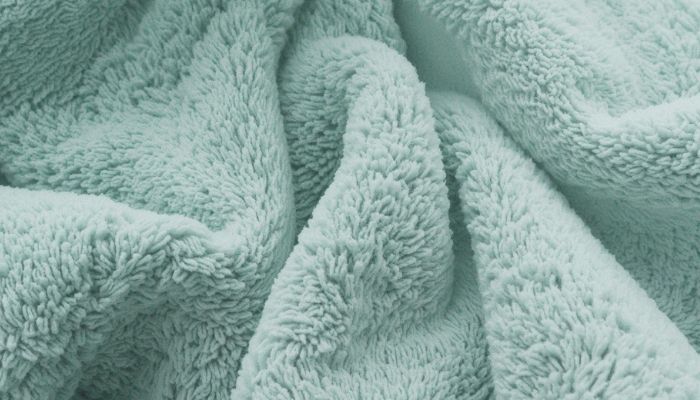
Mixing towels, fleece, flannel, and heavy cotton with office wear or dark clothes almost guarantees lint transfer. Towels are especially heavy lint producers.
Wrong wash cycles also matter. Heavy-duty or long cycles create more agitation, which increases fiber shedding.
If your washer has a lint filter or drain filter and it is clogged, lint may not be removed properly and can redeposit on clothes.
Detergent buildup can make fabric surfaces slightly sticky. This makes lint cling more easily and harder to rinse away.
How to Remove Lint From Clothes in Washing Machine (Step-by-Step)
This is the core process for reducing lint directly through better washing habits. These steps work together. Doing just one helps, but combining them makes a much bigger difference.
Step 1: Shake Clothes Before Washing
Before putting clothes into the washer, shake them out. This simple step removes loose surface fibers, pet hair, and dust that would otherwise end up in the wash water and stick to other garments.
Step 2: Turn Clothes Inside Out
Washing clothes inside out protects the visible outer surface from lint transfer and friction. Most lint sticks to the outside of garments during washing and rinsing. Turning clothes inside out keeps the outside cleaner.
This is especially important for:
- Black clothes
- Office wear
- Knit tops
- T-shirts
Step 3: Use the Proper Wash Cycle
Choose a cycle that matches the fabric. Gentle or normal cycles reduce agitation and fiber shedding. Heavy-duty cycles should be reserved for heavily soiled items only.
For everyday clothes, a shorter, gentler cycle usually produces less lint.
Step 4: Wash Lint-Givers Separately
Lint-giving items should be washed on their own. These include:
- Towels
- Fleece
- Flannel
- New cotton garments
- Blanket throws
Keeping these separate prevents massive lint transfer to smoother fabrics.
Step 5: Use an Extra Rinse Cycle
An extra rinse helps flush away loose fibers that would otherwise cling to clothes. This is especially useful if you notice heavy lint after washing or if you use a lot of detergent.
Step 6: Avoid Overloading the Washer
Leave enough space in the drum for clothes to move freely. Proper movement allows lint to rinse away instead of being pressed into fabric.
How to Remove Lint From the Washing Machine Itself?
If lint keeps appearing, the problem may be inside the washer. Cleaning the machine helps prevent lint from redepositing on clothes.
Cleaning the Lint Filter
Some washers have a lint filter or drain filter. If it is clogged, lint cannot be captured properly. Check your machine’s user guide to locate it and clean it regularly.
Removing trapped lint from the filter allows water to flow better and improves lint removal.
Cleaning the Drum
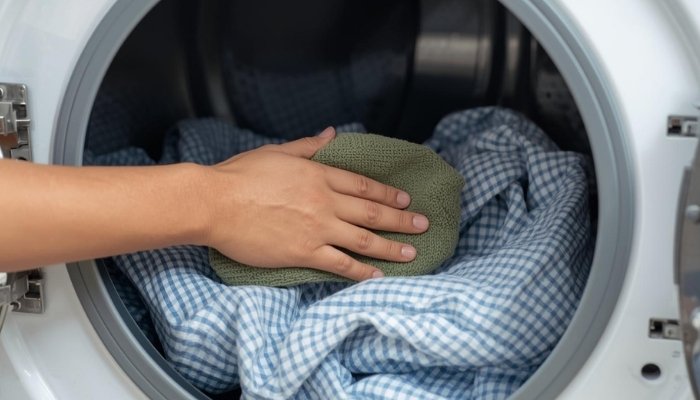
Lint can stick to the inside of the drum. Wipe the drum occasionally with a damp cloth, especially after washing lint-heavy loads.
Cleaning the Rubber Gasket (Front-Loaders)
Front-loading washers have a rubber door seal that can trap lint, hair, and debris. Wipe this area regularly to prevent buildup that can transfer to clothes.
Running an Empty Hot Wash
Running an empty hot wash with no clothes helps flush out lint, detergent residue, and buildup inside the machine. This is a simple maintenance step that improves overall wash quality.
Avoid any repair-level disassembly. Regular user-level cleaning is enough for most lint problems.
Read More Articles:
- How to Remove Lint From Black Clothes (Proven Methods)
- How to Remove Lint Without a Lint Roller?
- How to Remove Lint From Clothes?
- How to Remove Pilling From Jumpers?
- How to Remove Pills From a Couch?
- How to Remove Pilling From Cashmere?
- How to Remove Pilling From a Wool Sweater?
- How to Remove Pills From Sweaters (Without Ruining Them)
Best Washing Machine Lint Removers (User-Level Options)
Some user-level tools can help reduce lint in the wash. These are optional, not required.
Lint catcher balls are designed to float in the wash and collect loose fibers. They can help with light to moderate lint, but are not a full solution.
Floating lint traps sit in the wash water and attract loose fibers. Their effectiveness varies, but some users find them helpful for pet hair and fuzz.
Mesh laundry bags can be used to contain lint-giving items or protect delicate fabrics. Washing lint-heavy items in mesh bags can reduce how much lint escapes into the rest of the load.
These tools can support good washing habits, but they cannot fix problems caused by poor sorting or overloading.
How to Prevent Lint on Clothes in Future Washes?
Prevention is the most effective long-term solution. Sort clothes by fabric type, not just color. Keep towels, fleece, and heavy cotton away from smooth fabrics and dark clothes.
Use the correct amount of detergent. Too much detergent leaves residue that attracts lint. Follow the manufacturer’s recommendations and reduce if you have soft water.
Avoid over-drying if you use a dryer. Over-drying increases static and makes lint cling more tightly.
Clean the washer and dryer regularly to prevent lint buildup. These habits reduce how much lint is created and how much transfers between clothes.
Special Fabric Tips
Different fabrics need slightly different handling.
Black Clothes
Black clothes show lint more than any other color. Always wash inside out, separate from lint-givers, and use cold water. This is covered in more detail in guides on how to remove lint from black clothes.
Towels
Towels are major lint producers. Wash them separately, especially from dark and smooth fabrics. New towels shed more and may need several washes before lint decreases.
Sweaters
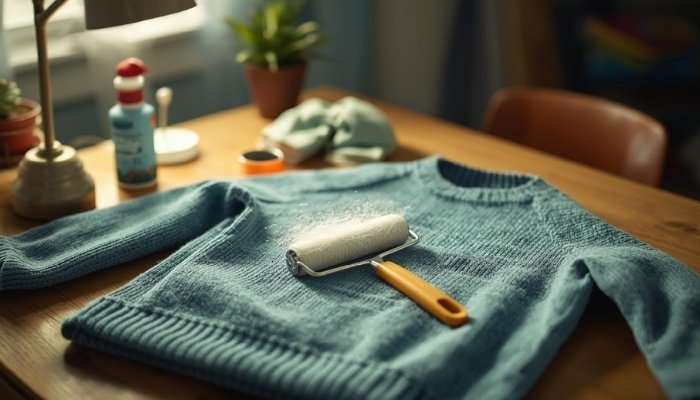
Sweaters release fibers and also attract lint. Gentle cycles, inside-out washing, and separating from towels help reduce lint. Sweaters that also pill may need additional fabric care.
Pet Hair Heavy Clothes
Clothes covered in pet hair should be shaken out and, if possible, brushed before washing. This removes loose hair that would otherwise circulate in the wash and stick to other garments.
Common Mistakes to Avoid
Using fabric softener incorrectly can worsen lint. Some softeners leave residue that makes fibers cling.
- Overusing detergent creates buildup that traps lint.
- Washing towels with everyday clothes is one of the fastest ways to increase lint.
- Ignoring washer maintenance allows lint and debris to accumulate and redeposit.
- These mistakes are easy to fix and often solve most lint problems on their own.
Frequently Asked Questions:
Why does my washer leave lint on clothes?
This usually happens due to overloading, mixing lint-producing fabrics with smooth clothes, clogged filters, and excessive friction during washing.
Can detergent cause lint?
Too much detergent can leave residue that makes fibers stick to fabric, increasing visible lint.
Do lint remover balls work?
They can help with light lint and pet hair, but they work best alongside proper sorting and washing habits.
Should I clean my washer filter?
Yes. A clogged filter reduces lint removal and can cause lint to redeposit on clothes.
Does fabric softener help with lint?
It may reduce static, but it can also leave residue. It should be used carefully and not relied on as a primary lint solution.
Conclusion
Lint on clothes after washing is not something you have to accept as normal. In most cases, it is caused by a few correctable habits and simple machine maintenance issues.
Shaking clothes before washing, turning them inside out, separating lint-producing fabrics, using the right cycle, and avoiding overloading all make a big difference. Cleaning the washer and using proper detergent amounts further reduces lint problems.
When these steps are combined, clothes come out of the washer cleaner, smoother, and with far less lint. This also reduces how often you need surface lint removal later.
For a complete system, these habits work best alongside broader lint care covered in guides like how to remove lint from clothes, removing lint without a lint roller, and how to remove lint from black clothes.
With a few simple changes, lint can go from a daily frustration to a manageable, occasional issue.