How to Remove Pilling From a Wool Sweater?
Wool sweaters are everyday staples for many wardrobes. From classic pullovers worn during winter to wool cardigans used in office settings, wool knitwear is valued for warmth, breathability, and durability. Yet even well-made wool sweaters eventually develop pilling, and when they do, they can start to look worn out long before the fabric has actually reached the end of its life.
If you are searching for how to remove pilling from a wool sweater, chances are you want a solution that works without ruining the garment. Wool is stronger than delicate fibers like cashmere, but it is still a natural fiber that can be damaged by excessive pressure, aggressive tools, or repeated over-shaving. Many people unintentionally thin their wool sweaters while trying to “fix” pilling.
This article explains how to remove wool pilling safely and effectively, focusing on balanced methods that respect wool’s structure. The goal is to restore a clean appearance while keeping the sweater thick, warm, and wearable for years.
What Is Wool Pilling and Why Does It Happen?
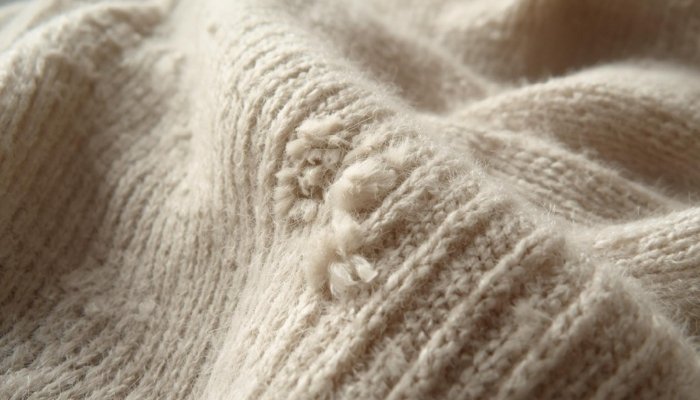
Wool pilling refers to the small balls of tangled fibers that appear on the surface of a sweater over time. These pills form when loose fibers migrate out of the yarn and become entangled through friction. Once formed, they cling to the fabric and become increasingly visible.
Pilling does not occur randomly. It usually shows up in areas that experience repeated rubbing, such as under the arms, around elbows, along the sides of the torso, near cuffs, and anywhere a bag strap, coat lining, or seat belt regularly touches the sweater.
Importantly, pilling does not automatically mean that a wool sweater is poor quality. In fact, some high-quality wool garments pill because their fibers are soft and flexible. Understanding why wool pills is the first step toward removing pills correctly.
Why Wool Pills and How They’re Different From Cashmere?
Wool and cashmere are both natural animal fibers, but they behave differently when it comes to pilling.
Wool fibers are generally thicker and longer than cashmere fibers. This gives wool more strength and resilience, which is why wool sweaters can tolerate more wear and handling. However, wool fibers still loosen over time, especially in knit garments where yarns are more exposed.
Cashmere fibers are extremely fine and short, which is why cashmere pills very quickly and requires extra-gentle handling. Wool, by comparison, pills more slowly and is more forgiving—but only to a point.
The key difference lies in fiber breakage. Wool fibers are strong enough that pills tend to stay attached longer, especially in blended or tightly knit wool. Cashmere pills often break off naturally once loose fibers are shed. This means wool pilling can look heavier and more persistent, tempting people to remove it aggressively.
That temptation is where damage happens. Over-shaving wool does not just remove pills; it gradually removes healthy fibers, thinning the fabric and reducing insulation. Wool needs balanced care, not force.
How Wool Fiber Structure Affects Pilling?
Wool fibers have a natural crimp, which helps them trap air and provide insulation. This same crimp also allows fibers to move slightly within the yarn. When a wool sweater is worn, especially in areas of friction, these fibers can work their way outward.
Knit wool sweaters pill more easily than woven wool fabrics because the yarns are looser and more exposed. A thick cable-knit sweater may pill heavily on the surface but still remain structurally strong underneath. Fine-gauge wool knits, on the other hand, may show less dramatic pilling but are more vulnerable to thinning if treated harshly.
Understanding whether your wool sweater is thick or fine, loosely knit or tightly knit, helps determine how gentle you need to be during pill removal.
How to Remove Pilling From a Wool Sweater Safely?
Before removing pills, always lay the sweater flat on a clean, stable surface. Never attempt to remove pills while wearing the sweater, as this stretches the fabric and increases the risk of cutting or pulling fibers.
The safest approach to wool pilling focuses on controlled, low-pressure methods rather than speed.
Method 1: Using a Fabric Comb on Wool
A fabric comb is one of the safest and most reliable tools for removing pilling from wool sweaters. It works by catching pills on the surface without cutting deeply into the fabric.
To use a fabric comb properly, gently hold the sweater fabric taut and move the comb in one direction using short, light strokes. There is no need to apply pressure. Let the comb lift pills gradually rather than forcing them off. This preserves the thickness of the wool and reduces future pilling.
Fabric combs work especially well on everyday wool sweaters, office cardigans, and medium-to-thick knits.
Method 2: Using a Manual or Low-Speed Electric Shaver With Caution
Manual fabric shavers or low-speed electric shavers can be used on wool, but only with restraint. Always keep the shaver flat against the fabric and move slowly. High-speed settings increase the risk of shaving healthy fibers along with pills.
Never press down. Pressure is what causes thinning. The moment you press, the shaver stops distinguishing between pills and the sweater itself. This is one of the most common reasons wool sweaters lose body over time.
For fine wool knits, it is often better to rely on a fabric comb instead of a shaver.
Read More Articles:
Why Pulling Pills by Hand Is Risky?
Pulling pills by hand may seem harmless, but it often loosens surrounding fibers. Even if a pill detaches easily, tugging can disturb the yarn structure beneath the surface. Over time, this creates more loose fibers and leads to more pilling.
Hand removal should be limited to very small, isolated pills that come off without resistance.
Warnings: What Damages Wool During Pill Removal
- Wool is durable, but it is not indestructible. Certain habits consistently cause damage.
- Excessive pressure during shaving is one of the biggest problems. Pressing harder does not remove pills more effectively; it simply removes more fabric.
- High-speed electric shavers increase the risk of accidental thinning, especially on fine wool knits.
- Repeated passes over the same area weaken fibers even when using safe tools. Once pills are gone, stop.
- Aggressive scraping or brushing pulls fibers loose instead of removing pills cleanly, making future pilling worse.
Thick Wool vs Fine Wool: Why the Approach Matters?
Thick wool sweaters, such as chunky knits and heavy winter pullovers, can tolerate slightly more handling. Pills may appear larger, but the underlying fabric is often still strong. Gentle shaving or combing works well here, as long as pressure is controlled.
Fine wool sweaters, including merino or lightweight office knits, require a much lighter touch. These sweaters can thin quickly if over-shaved. For fine wool, slow combing and minimal intervention are usually safer than shaving.
The key is matching the tool and pressure level to the thickness of the wool.
Knit Wool vs Woven Wool
Knit wool sweaters pill more than woven wool garments because knit structures allow fibers to move more freely. Woven wool coats or trousers rarely pill as heavily because the fibers are tightly locked in place.
This means knit wool sweaters require more ongoing care, but also more caution. Over-removal damages knit structures faster than woven ones.
Common Mistakes That Make Wool Pilling Worse
- Many people unintentionally increase pilling through everyday habits.
- Removing pills after every wear weakens fibers unnecessarily.
- Overwashing introduces agitation that loosens fibers. Wool does not need frequent washing.
- Using hot water weakens wool fibers and accelerates pilling.
- Hanging wool sweaters stretches the fabric and creates friction points, especially at the shoulders.
- Wearing the same rough coat or carrying the same bag repeatedly over one area creates localized pilling.
How Washing Habits Affect Wool Pilling?
Washing plays a major role in how wool ages. Even gentle wash cycles create movement that encourages fibers to loosen.
Wool sweaters should only be washed when necessary. Airing them out between wears is often sufficient, especially for office or light-use garments.
Cold water is essential. Heat weakens wool fibers and makes them more prone to breakage. Gentle detergents help preserve fiber integrity by maintaining natural oils.
Always turn wool sweaters inside out before washing to protect the outer surface.
Drying Wool Without Causing Damage?
Dryers are extremely harsh on wool. Heat, tumbling, and friction combine to cause shrinkage, thinning, and increased pilling.
Wool sweaters should always be air-dried flat. Lying the sweater on a towel and reshaping it gently prevents stretching. Hanging wet wool should be avoided, as the weight of water distorts the knit.
How Often Should You Remove Pills From Wool?
One of the most overlooked aspects of wool care is timing. Removing pills too often shortens the life of a sweater.
It is better to wait until pilling becomes noticeable rather than treating the sweater after every wear. Once loose fibers are removed, pilling often slows naturally.
Spacing out pill removal sessions allows fibers to settle and reduces cumulative damage.
Fabric Type and Safe Pill Removal Overview
| Fabric type | Safe pill removal | High-risk methods |
|---|---|---|
| Wool | Fabric comb, guarded low-speed shaver | Excessive pressure, rough brushes |
| Fine wool | Fabric comb, light hand removal | High-speed shaving |
| Blended wool | Guarded shaver with restraint | Scraping, repeated passes |
How Wool Care Connects to Other Sweater Fabrics?
Many wool-care principles overlap with broader sweater care. Readers who are learning how to remove pilling from wool sweaters often benefit from understanding how to remove pills from sweaters in general.
At the same time, wool requires a firmer approach than cashmere. For extremely delicate garments, guidance on how to remove pilling from cashmere is more appropriate.
Understanding these differences helps prevent applying the wrong method to the wrong fabric.
When Pilling Is Normal and When It’s a Problem
Some pilling is unavoidable, especially during the first few wears of a new wool sweater. This early-stage pilling is normal and usually decreases once loose fibers are shed.
Excessive or ongoing pilling often points to friction, overwashing, or aggressive removal methods. Adjusting care habits usually leads to noticeable improvement.
Final Thoughts on Removing Pilling From Wool Sweaters
Learning how to remove pilling from a wool sweater is about balance. Wool is strong enough to handle regular wear, but sensitive enough to suffer from overhandling.
Gentle tools, controlled pressure, and thoughtful washing habits make the biggest difference. When wool sweaters are cared for properly, they maintain their thickness, warmth, and appearance far longer than those treated with harsh shortcuts.
Rather than chasing a perfectly smooth surface, the goal should be long-term fabric health. A well-cared-for wool sweater will always look better—and last longer—than one repeatedly shaved down in the name of quick fixes.