How to Remove Pilling From Cashmere?
Cashmere sweaters are known for their softness, warmth, and luxurious feel. People invest in cashmere because it is lightweight yet insulating, comfortable on the skin, and timeless in style. But cashmere also comes with one frustrating downside: it pills easily.
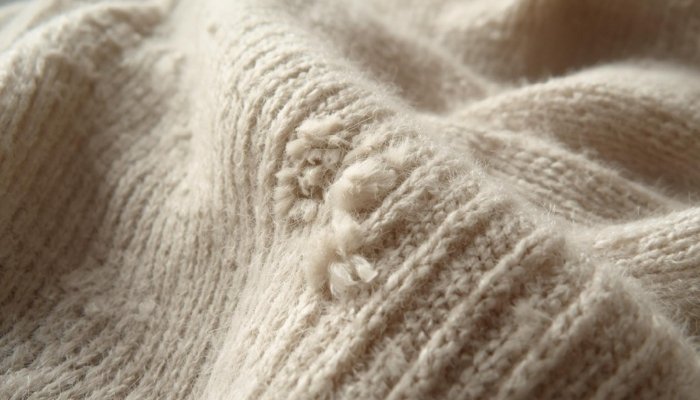
If you own cashmere, you have probably noticed small fuzzy balls forming after just a few wears. This often leads people to panic or assume the sweater is defective. In reality, pilling is extremely common with cashmere and does not automatically mean the garment is low quality.
The real challenge is learning how to remove pilling from cashmere safely. Cashmere fibers are delicate, and aggressive methods that might work on wool or blended sweaters can permanently damage cashmere. This guide focuses on gentle, fabric-safe techniques that help remove pills while preserving softness and structure.
Shortly Answer:
Steps to Remove Pilling From Cashmere Safely
- Lay the cashmere sweater flat on a clean, smooth surface before starting.
- Gently hold the fabric taut with one hand to prevent stretching.
- Use a fine-tooth fabric or cashmere comb and move it in one direction only.
- Apply very light strokes and avoid repeated passes over the same area.
- Stop as soon as the pills are removed to avoid thinning the fabric.
This step-by-step approach removes pills while protecting cashmere’s softness and fiber structure.
Read More: How to Remove Pills From Sweaters (Without Ruining Them)
Why Cashmere Pills So Easily?
To understand how to remove pills from cashmere properly, it helps to understand why cashmere pills more than many other fabrics.
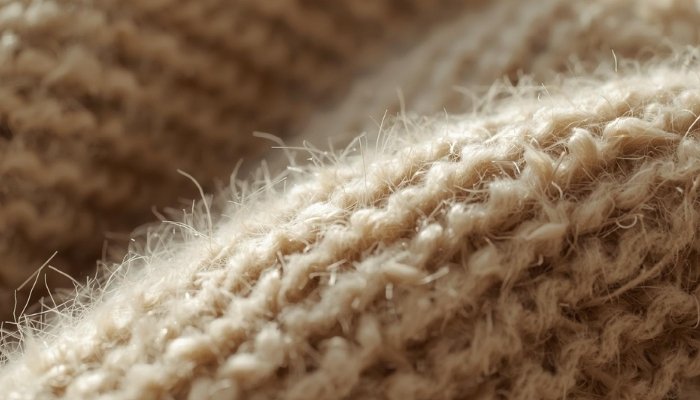
Cashmere fibers are very fine and relatively short compared to other natural fibers. This fineness is what gives cashmere its signature softness, but it also makes the fibers more prone to movement. When a cashmere sweater is worn, these fine fibers easily work their way to the surface.
Friction plays a major role. Cashmere is often worn close to the body, layered under coats, or rubbed by scarves, bags, and seat belts. Each movement loosens fibers. Once loose, they tangle together and form pills.
Another important point is that early pilling is normal for cashmere. New cashmere garments often shed excess loose fibers during the first several wears. Once those fibers are gone, pilling usually slows down significantly if the sweater is cared for correctly.
Is Pilling a Sign of Low-Quality Cashmere?
Many people assume that pilling means the cashmere is cheap or poorly made. This is not always true.
High-quality cashmere can pill, especially when it is very soft. In some cases, softer cashmere pills more than stiffer, lower-grade cashmere. The difference lies in how the sweater is treated after pilling appears.
If pills are removed gently and the sweater is cared for properly, good cashmere can maintain its softness and appearance for many years. Aggressive removal methods, on the other hand, can ruin even high-quality cashmere quickly.
How Cashmere Is Different From Wool and Other Sweater Fabrics?
Cashmere is technically a type of wool, but it behaves very differently from standard sheep’s wool.
Cashmere fibers are finer, lighter, and more fragile. This means tools that are safe for wool sweaters may be too harsh for cashmere. Fabric thickness also matters. Cashmere sweaters are often lighter in weight, which makes them more vulnerable to thinning and holes if handled aggressively.
Because of this, learning how to remove pilling from cashmere requires a more delicate approach than removing pills from wool or blended sweaters.
How to Remove Pilling From Cashmere Safely?
Before removing pills, always lay the cashmere sweater flat on a clean, smooth surface. Never attempt to remove pills while wearing cashmere, as the fabric stretches easily and can be damaged.
Using a Cashmere or Fabric Comb
A fine-tooth fabric comb designed for delicate fabrics is one of the safest tools for cashmere.
Hold the fabric gently taut with one hand and move the comb in one direction using short, light strokes. There is no need to apply pressure. The goal is to lift pills from the surface, not scrape the fabric.
This method works well because it removes pills while disturbing as few fibers as possible. When used gently, a fabric comb helps maintain the softness and thickness of cashmere.
Using an Electric Fabric Shaver (With Extra Caution)
Electric fabric shavers can be used on cashmere, but only if they have a protective guard and are used very sparingly.
Keep the shaver flat against the fabric and move slowly. Never press down. Pressing causes the blades to shave healthy fibers, which thins the fabric and weakens the sweater. Always test the shaver on an inside seam before using it on visible areas.
For very fine or lightweight cashmere, it is often safer to avoid electric shavers altogether and stick to a comb.
Gentle Hand Removal for Isolated Pills
If there are only a few pills, hand removal may be the safest option. Lightly pinch the pill and twist it. If it detaches easily, it can be removed. If there is resistance, stop immediately.
Pulling forcefully can loosen surrounding fibers and create more pilling later.
Tools You Should Never Use on Cashmere
Cashmere is less forgiving than other sweater fabrics. Certain tools can permanently damage it.
Razors are especially harmful. They cut healthy fibers along with pills and quickly thin the fabric.
Scissors are risky because they can snag the knit and create uneven cuts.
Sweater stones and rough brushes rely on friction and are too harsh for cashmere. They can remove softness and leave the surface looking fuzzy rather than smooth.
Common Cashmere Tools and Their Safety Level
| Tool or Method | Suitable for Cashmere | Risk Level |
|---|---|---|
| Cashmere or fabric comb | Yes | Low |
| Gentle hand removal | Yes (small areas) | Low |
| Electric fabric shaver (guarded) | Sometimes | Medium |
| Razors or blades | No | High |
| Sweater stones or rough brushes | No | Very High |
Comparison: Cashmere vs Other Sweater Fabrics
| Fabric type | Safe pill removal | High-risk methods |
|---|---|---|
| Cashmere | Fabric comb, gentle hand removal | Razors, sweater stones |
| Wool | Fabric comb, guarded shaver | Rough brushes |
| Blended fabrics | Guarded fabric shaver | Scraping, heavy pressure |
This comparison highlights why cashmere requires a gentler approach than most other sweaters.
How Often Should You Remove Pills From Cashmere?
One of the biggest mistakes people make is removing pills too frequently. Even gentle methods disturb fibers slightly.
It is better to wait until pilling becomes noticeable rather than removing pills after every wear. Over-removal can weaken fibers and reduce the lifespan of the sweater.
In many cases, early pilling decreases naturally after the first few wears as loose fibers are shed.
How Washing Affects Cashmere Pilling?
Washing habits play a major role in how many cashmere pills.
Cashmere does not need frequent washing. Overwashing introduces agitation, which loosens fibers and increases pilling. Unless the sweater is visibly dirty or has absorbed odor, airing it out is often enough.
When washing is necessary, cold water and a gentle detergent are essential. Hot water weakens fibers and accelerates pilling. Harsh detergents strip natural oils from cashmere, leaving fibers dry and brittle.
Always turn cashmere inside out before washing to protect the outer surface.
Drying Cashmere Without Causing Damage
Dryers are extremely damaging to cashmere. Heat and tumbling weaken fibers, increase friction, and can cause shrinkage.
Cashmere should always be air-dried. Lay the sweater flat on a clean towel and reshape it gently. Hanging wet cashmere should be avoided, as the weight of water stretches fibers and distorts the shape.
Proper drying alone can significantly reduce future pilling.
How Fit and Wear Patterns Influence Cashmere Pilling?
Cashmere sweaters that fit tightly tend to pill faster in high-friction areas such as under the arms and along the sides. Looser fits generally experience less concentrated friction.
Accessories also matter. Scarves, handbags, and backpacks can rub repeatedly against the same area, causing localized pilling. Rotating accessories and outerwear helps distribute wear more evenly.
Storing Cashmere to Minimize Pilling
Proper storage is often overlooked but plays an important role in cashmere care.
Cashmere should always be folded, not hung. Hanging stretches the fabric and creates friction at the shoulders. During off-season storage, ensure the sweater is clean before putting it away, as dirt and oils can weaken fibers over time.
Storing cashmere with smooth fabrics rather than rough materials also helps reduce friction.
When Pilling Is Normal and When It’s a Problem
Some pilling is unavoidable with cashmere, especially during the first few wears. This initial pilling phase is normal and does not indicate poor quality.
However, excessive pilling that continues aggressively may indicate overhandling, overwashing, or use of harsh removal tools. Adjusting care habits usually makes a noticeable difference.
Why Gentle Care Matters More for Cashmere Than Any Other Sweater
Cashmere’s softness comes from its delicate fiber structure. Once those fibers are damaged, softness cannot be fully restored. This is why gentle care matters more for cashmere than for wool or blended sweaters.
Removing pills carefully, washing less often, and minimizing friction all work together to preserve the fabric’s original feel.
Final Thoughts on Removing Pills From Cashmere
Learning how to remove pilling from cashmere is about patience and restraint. Cashmere does not respond well to aggressive solutions, but it rewards gentle care.
Using the right tools, spacing out pill removal, and maintaining proper washing and storage habits can keep cashmere sweaters looking smooth and feeling soft for many years.
Rather than aiming for a perfectly pill-free surface at all times, the goal should be long-term fabric health. A well-cared-for cashmere sweater will age gracefully, retain its softness, and remain a favorite piece season after season.