How to Remove Pills From a Couch?
Fabric pilling on a couch is one of those problems that sneaks up slowly. One day your sofa looks fine, and the next you notice fuzzy balls on the armrests, seat edges, or cushion fronts. Suddenly the couch looks older, rougher, and less clean—even if it’s still structurally sound.
If you’re searching for how to remove pills from a couch, you’re likely worried about two things at the same time:
- You want the couch to look smooth and clean again
- You don’t want to ruin the fabric permanently
That concern is valid. Removing pilling from a couch is very different from removing pills from clothing. Couch fabric is fixed, stretched, and often tightly tensioned. The wrong method can leave thin patches, uneven texture, or visible damage that can’t be undone.
This guide focuses on low-risk, controlled methods that work for real homes—whether you own a sofa, rent an apartment, or live with pets. The goal is to remove fabric pills safely while protecting the upholstery underneath.
What Is Couch Pilling?
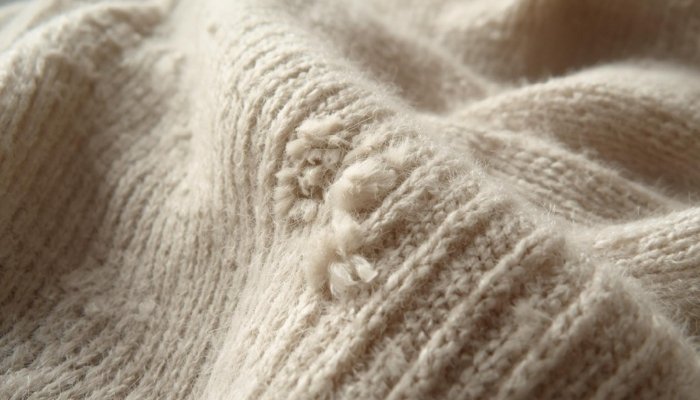
Couch pilling happens when loose fibers on the surface of upholstery twist together and form small balls. These pills cling to the fabric and make the couch feel rough or look worn, even when the couch itself is still in good condition.
Unlike dirt or stains, pilling doesn’t sit on top of the fabric—it’s part of the fabric surface. That’s why removal requires care rather than aggressive cleaning.
Why Couch Fabric Pills (And Why It’s Different From Clothes)
This is the most important thing to understand before touching your couch with any tool.
Upholstery Fabric Is Fixed and Tensioned
Clothing fabric moves freely. You can stretch it, reposition it, or lay it flat. Couch fabric is stapled, sewn, and stretched over padding and frames. Once fibers are removed, they don’t bounce back.
That means:
- Over-shaving causes thin patches
- Uneven pressure creates visible texture differences
- Mistakes are permanent
High-Friction Zones on a Couch
Couch pilling almost always appears in the same places:
- Armrests (constant hand and arm movement)
- Seat fronts (where thighs rub when sitting down)
- Cushion edges
- Areas where blankets are used regularly
These zones experience daily friction, which loosens fibers faster than flat areas.
Pets, Jeans, and Blankets Make It Worse
Pet hair increases friction and static. Denim jeans rub aggressively against upholstery. Blankets dragged across the same area repeatedly can lift fibers over time. None of this means your couch is low quality—it means it’s being used normally.
Before You Start: What to Do First (Do Not Skip)
Before removing pills, preparation matters more than tools:
- Vacuum the couch using a fabric-safe upholstery attachment
- Remove pet hair completely before depilling
- Make sure the fabric is dry and clean
- Work in good lighting so you can see changes clearly
Trying to remove pills on a dusty or hair-covered couch increases friction and makes damage more likely.
Safe Methods: How to Remove Pills From a Couch?
Always start with the least aggressive method. You can increase strength slightly if needed—but never skip steps.
Method 1: Fabric Comb (Best First Option)
A fabric comb is the safest starting point for couch pilling.
Why It Works for Upholstery
- Removes pills without cutting deeply
- Gives you full control over pressure
- Ideal for fixed, tensioned fabric
Step-by-Step: Using a Fabric Comb on a Couch
- Choose a small section (test spot first)
- Hold the fabric steady with one hand
- Gently move the comb in one direction
- Use short, light strokes
- Stop as soon as the pills are removed
Do not scrub back and forth. Let the comb lift pills gradually.
This method works well for polyester couches, cotton-blend upholstery, and many linen sofas.
Method 2: Manual Fabric Shaver (Slow and Controlled)
Manual fabric shavers offer more power than a comb but still allow control.
When to Use It
- Pills are stubborn
- Fabric is medium to heavyweight
- The couch is not old or fragile
How to Use It Safely
- Keep the shaver flat against the fabric
- Move slowly—no fast passes
- Use very light pressure
- Work in small sections only
- Stop once the surface looks smooth
Manual shavers are safer than electric ones because they reduce the chance of accidental over-cutting.
Method 3: Electric Fabric Shaver (Lowest Speed Only)
Electric fabric shavers are the last option, not the first.
Important Warnings
- Use the lowest speed only
- Never press down
- Never repeat passes in the same spot
- Avoid loose weave or old sofas
Step-by-Step Safety Use
- Test on a hidden area
- Hold the shaver flat
- Move slowly across the surface
- Lift immediately once pills are gone
High-speed shaving is one of the fastest ways to thin couch fabric.
Read More Articles:
- How to Remove Pilling From a Wool Sweater?
- How to Remove Pills From Sweaters (Without Ruining Them)
- How to Remove Pilling From Cashmere?
Why Razors Are a Bad Idea for Couches?
Razors are commonly suggested online, and they are one of the most damaging options.
Razors:
- Cut healthy fibers along with pills
- Remove structural fabric, not just fuzz
- Create thin, shiny patches
- Cause irreversible damage
What works on a sweater often does not work on upholstery. Razors should not be used on couches.
Couch Fabric Types and How Care Differs
Not all couches should be treated the same way.
Polyester Couch Fabric
Durable and pill-prone. Responds well to fabric combs and careful shaving. Still vulnerable to over-shaving.
Linen Couch
Natural fibers with looser weave. Pills are easy to swallow and are easy to swallow. Fabric comb only. Avoid electric shavers.
Cotton-Blend Upholstery
Common in sofas and sectionals. Moderate durability. Use the comb first, the shaver only if necessary.
Microfiber Couch
Often doesn’t pill traditionally, but surface fuzz can appear. Use gentle brushing or light combing only.
Extra Warnings for Loose Weave and Old Sofas
Loose-weave fabrics can unravel if fibers are pulled or cut. Older couches already have weakened fibers. In both cases:
- Avoid electric shavers
- Avoid pressure
- Accept light pilling rather than risking damage
Does Pet Hair Make Couch Pilling Worse?
Yes—and this is often overlooked. Pet hair increases surface friction and static buildup. Hair trapped in fabric rubs against fibers every time someone sits down. Over time, this speeds up pilling.
What to Do Before Depilling
- Vacuum thoroughly
- Use a rubber brush or lint tool
- Remove all embedded hair first
Trying to depill over pet hair causes tugging and uneven results.
Common Mistakes That Damage Couch Fabric
Many couches are damaged not by use but by well-intentioned mistakes.
- Using too much pressure
- Skipping the test spot
- Starting with electric shavers
- Working too fast
- Repeatedly shaving the same area
Couch depilling is about patience, not speed.
How Often Should You Depill a Couch?
Less often than you think. For most households:
- Light depilling every few months is enough
- High-traffic homes may need it slightly more often
- Never depilate weekly or monthly
Over-maintenance causes more damage than pilling itself.
How to Prevent Couch Pilling in the Future?
Prevention is always safer than removal.
Simple Prevention Habits
- Place throw blankets on high-friction areas
- Rotate cushions regularly
- Vacuum with upholstery attachment monthly
- Remove pet hair frequently
- Avoid sitting in rough denim repeatedly on the same spot
Small habits make a big difference over time.
How Couch Care Connects to Fabric Care Elsewhere?
Many people who struggle with couch pilling also deal with clothing pilling. The principles are related, but the risks are higher with upholstery.
Techniques used to remove pilling from wool sweaters can inform fabric-safe habits, while ultra-gentle approaches used for how to remove pilling from cashmere highlight why pressure control matters so much on fixed surfaces like couches.
Frequently Asked Questions
Can couch-pilling be completely removed?
It can be reduced significantly, but chasing perfection often causes damage. Smooth is better than thin.
Is pilling a sign of low-quality upholstery?
Not always. Even good fabrics pill under friction, pets, and daily use.
Should I depill removable cushions differently?
Yes. If covers can be removed and laid flat, depilling is safer—but still requires care.
Final Thoughts: Go Slow, Not Aggressive
Learning how to remove pills from a couch is about respecting the fabric. Unlike clothing, couch upholstery does not forgive mistakes. Once fibers are gone, they’re gone for good.
Start with the gentlest method. Increase strength only if needed. Accept that some wear is normal in a lived-in home.
A couch that’s slightly imperfect but structurally healthy will always look better—and last longer—than one that’s been over-shaved in pursuit of a flawless surface.