What Fabric Is Lint Free? A Complete Guide to Choosing Low-Lint Materials
When people ask what fabric is lint free, they’re usually looking for materials that stay smooth, clean, and professional without shedding fibers. Lint-free fabrics are especially important for workwear, healthcare uniforms, cleaning cloths, and everyday clothing where appearance and hygiene matter.
In simple terms, lint-free fabrics are made from fibers that are tightly woven, long, and smooth—so they don’t break off easily. Let’s break it all down step by step.
Understanding Lint and Why It Forms
What Does “Lint Free” Really Mean?
“Lint free” doesn’t always mean zero lint forever. It means the fabric produces little to no visible fiber shedding during normal use and washing. Truly lint-free materials resist pilling, fuzz, and loose fibers.
How Fabric Structure Affects Lint
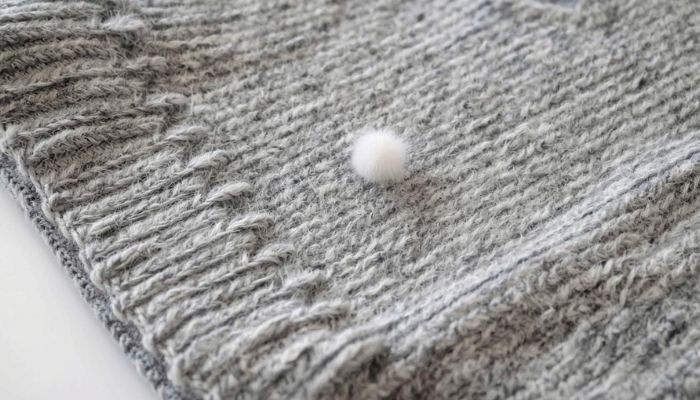
Lint forms when:
- Short fibers break loose
- The weave is loose or fuzzy
- Fabrics rub against each other
Tightly woven, synthetic, or filament-based fabrics are far less likely to shed.
Why Choosing Lint-Free Fabric Matters?
Professional and Workplace Benefits
Lint-free fabrics help maintain:
- A clean, polished appearance
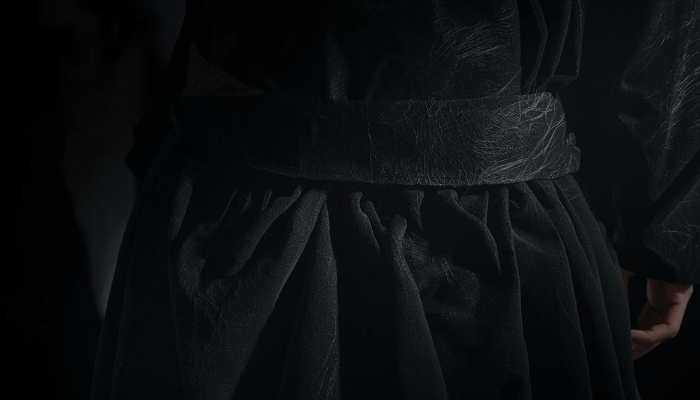
- Fewer distractions on dark clothing
- Lower maintenance and washing effort
This is why lint-free materials are common in offices, hospitality, aviation, and healthcare.
Hygiene and Cleanliness Considerations
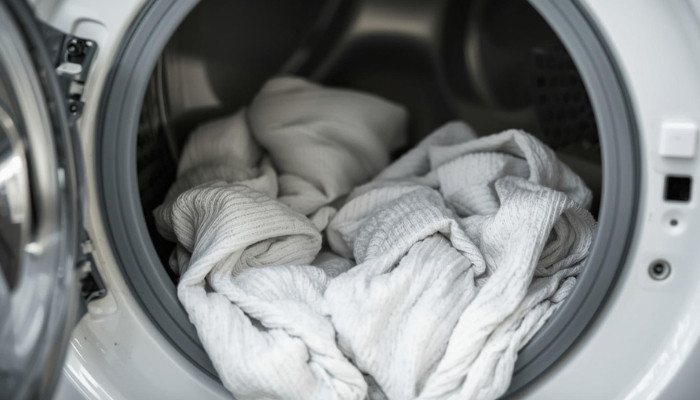
In medical, lab, and food environments, lint can contaminate surfaces. Lint-free fabrics reduce the risk of airborne fibers and improve cleanliness standards.
Top 7 Lint-Free Fabric Types
Polyester
Polyester is one of the most lint-free fabrics available. Its long, continuous fibers resist shedding and pilling. It’s widely used in uniforms, sportswear, and upholstery.
Why it works:
- Strong synthetic fibers
- Tight weave
- Easy maintenance
Nylon
Nylon is smooth, durable, and highly resistant to lint. It’s commonly used in activewear, outerwear, and work garments.
Best for:
- High-movement clothing
- Industrial use
- Travel wear
Microfiber
Microfiber is engineered to trap dust without shedding fibers. That’s why it’s a top choice for lint-free cleaning cloths.
Key advantage:
- Ultra-fine synthetic fibers
- No fuzz or residue
Silk
Natural yet lint resistant, silk has long, smooth fibers that don’t break easily.
Note:
Silk is lint free but delicate and higher maintenance.
Denim
High-quality, tightly woven denim produces very little lint, especially after a few washes.
Tip:
Raw or low-quality denim may shed initially.
Spandex / Elastane
Often blended with other fabrics, spandex itself does not produce lint and helps reduce fiber breakage.
Tightly Woven Cotton Blends
Pure cotton can lint, but cotton-polyester blends with a tight weave are much more lint resistant.
What Fabrics Produce the Most Lint?
Wool
Short fibers and natural scaling cause shedding and pilling.
Flannel
Its brushed surface releases fibers easily.
Terry Cloth
Loops break and shed frequently, especially in towels.
How to Identify Lint-Free Fabrics Before Buying?
Weave Density
Hold the fabric up to light. Less light = tighter weave = less lint.
Fiber Length
Long fibers (filament yarns) shed less than short staple fibers.
Fabric Finish
Smooth, untreated finishes are better than brushed or fuzzy ones.
Lint-Free Fabrics for Specific Uses
Clothing and Uniforms
Best choices:
- Polyester
- Nylon
- Polyester blends
Home and Upholstery
Recommended:
- Microfiber
- Polyester upholstery fabric
Cleaning and Industrial Use
Top option:
- Microfiber (lint free and reusable)
Frequently Asked Questions (FAQs)
Is 100% cotton lint free?
No. Cotton often sheds, especially when new.
Is polyester completely lint free?
It’s one of the closest to lint free, though not 100% immune.
What is the best lint-free fabric for black clothes?
Polyester and nylon perform best on dark colors.
Does washing reduce lint over time?
Yes. Initial loose fibers wash out after several cycles.
Is microfiber better than cotton for lint-free cleaning?
Absolutely. Microfiber is specifically designed to be lint free.
Which fabric is best for pet hair and lint resistance?
Tightly woven polyester or microfiber.
Conclusion
So, what fabric is lint free? The clear winners are polyester, nylon, microfiber, silk, spandex, and tightly woven blends. These fabrics stay smooth, clean, and professional while saving you time on maintenance. Whether you’re choosing clothing, upholstery, or cleaning materials, opting for lint-free fabric is a smart, long-lasting investment.