How to Get Rid of Lint on New Towels: The Complete Guide
Buying new towels is supposed to improve comfort and hygiene, yet many people are surprised when those towels leave fuzz and lint everywhere. If you are trying to figure out how to get rid of lint on new towels, you are dealing with a normal but frustrating problem. New towels shed lint because loose fibers are released during the first few washes, especially when washing and drying methods are not optimized.
Lint does not mean your towels are poor quality. In fact, many high-quality cotton towels shed more lint at the beginning because they contain longer and denser fibers. The key is knowing how to remove that excess lint early and how to prevent it from coming back. This article explains the causes of towel lint, proven solutions, and long-term care methods so your towels remain fluffy, absorbent, and clean.
Why New Towels Shed So Much Lint?
The Manufacturing Process of Towels
Most towels are made from cotton terry fabric, which is woven using thousands of looped fibers. During production, these loops are cut, brushed, dyed, and softened. This process leaves many short, loose fibers trapped inside the fabric. These fibers are not fully released until the towel is washed and dried multiple times.
Why Lint Is Strongest During the First Washes
Lint appears most heavily during the first three to five washes because the fibers have not yet settled. Heat, agitation, and friction loosen these fibers, causing them to separate from the towel surface. Understanding how to get rid of lint on new towels requires focusing on these early wash cycles.
How to Get Rid of Lint on New Towels Before First Use
Wash New Towels Separately
Always wash new towels by themselves for the first few washes. Mixing towels with clothes increases friction and transfers lint onto other fabrics, making lint more visible and harder to remove.
Shake Towels Before Washing
Before placing towels in the washer, shake them firmly. This simple step removes loose surface fibers and reduces the amount of lint released during washing.
Choose the Correct Water Temperature
Warm water is ideal for new towels. It helps loosen excess fibers without damaging the cotton threads. Hot water may weaken fibers, while cold water may not rinse away lint effectively.
How to Use Vinegar and Baking Soda to Reduce Lint?
Using White Vinegar Correctly
White vinegar is one of the most effective natural solutions for towel lint. It removes detergent residue and helps fibers settle into the fabric.
To use vinegar, add half a cup of white vinegar to the rinse cycle during the first two or three washes. Do not combine vinegar with fabric softener, as they cancel each other out.
Using Baking Soda for Fiber Control
Baking soda softens water and balances pH levels, which helps prevent lint from sticking to towels. Add half a cup of baking soda directly into the wash cycle. Baking soda works best when used alone, not mixed with vinegar.
The Role of Detergent in Towel Lint Control:
Why Too Much Detergent Causes More Lint
Using excessive detergent leaves residue on towels. This residue acts like glue, attracting lint and trapping loose fibers on the towel surface. For new towels, using half the recommended detergent amount is usually sufficient.
Liquid Detergent Versus Powder Detergent
Liquid detergents dissolve more completely in water and rinse out better than powder detergents. This makes liquid detergent the better choice when learning how to get rid of lint on new towels.
Laundry Factors That Affect Lint Levels
| Laundry Factor | Best Choice | Impact on Lint |
|---|---|---|
| Water temperature | Warm | Reduces fiber shedding |
| Detergent type | Mild liquid | Prevents residue |
| Fabric softener | Avoid | Increases lint |
| Load size | Medium | Improves rinsing |
| Additives | Vinegar or baking soda | Stabilizes fibers |
How to Get Rid of Lint on New Towels in the Dryer
Cleaning the Lint Trap Every Cycle
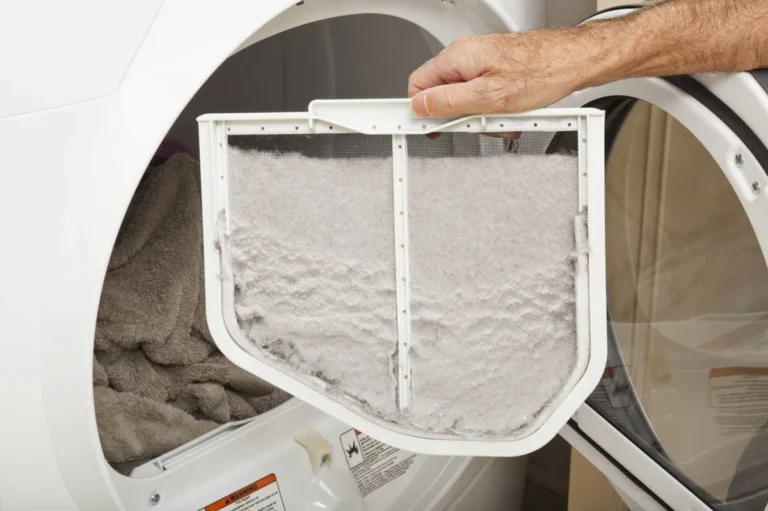
A clogged lint trap reduces airflow and allows lint to redeposit onto towels. Cleaning the lint trap before and after each drying cycle is essential for reducing lint.
Using Low or Medium Heat
High heat damages cotton fibers and increases shedding. Low or medium heat dries towels more gently and helps prevent fiber breakage.
Why Dryer Balls Work
Wool or rubber dryer balls separate towels during drying, allowing better airflow and reducing friction. This leads to less lint and shorter drying times.
15 Proven Ways to Prevent Towel Lint Long-Term:
- Wash new towels separately
- Shake towels before washing
- Use warm water instead of hot
- Avoid fabric softeners
- Add white vinegar during rinsing
- Use baking soda occasionally
- Do not overload the washer
- Use mild liquid detergent
- Rinse towels thoroughly
- Clean lint trap every load
- Dry towels on low heat
- Use dryer balls instead of sheets
- Air dry towels occasionally
- Store towels in a dry space
- Wash towels several times before regular use
Common Mistakes That Increase Towel Lint
Mixing Towels with Clothing
Washing towels with clothing causes fibers to rub against different fabrics, increasing lint transfer and shedding.
Using Fabric Softener Sheets
Dryer sheets leave a waxy coating on towel fibers that traps lint and reduces absorbency.
Ignoring Dryer Maintenance
Blocked dryer vents trap moisture and lint, causing lint to stick back onto towels after drying.
Air Drying Versus Machine Drying Towels
Benefits of Air Drying
Air drying reduces mechanical friction, which helps preserve fibers and minimize lint shedding.
Drawbacks of Air Drying
Air-dried towels may feel stiffer and take longer to dry, but alternating air drying with machine drying provides a good balance.
How Many Washes Until Lint Stops Appearing
Most towels stop shedding heavily after three to five washes. High-quality towels may shed longer initially but improve significantly with proper care.
Long-Term Towel Care for Lint Prevention
Wash Towels Every Few Uses
Regular washing prevents oil, dirt, and detergent buildup that attracts lint.
Deep Clean Towels Periodically
Every few months, wash towels in hot water with vinegar only to remove buildup and reset fibers.
Frequently Asked Questions
Is lint on new towels normal
Yes, lint shedding is normal for new towels and decreases with proper washing and drying.
Does towel quality affect lint?
Higher-quality cotton towels often shed more initially but last longer and become softer over time.
Can lint damage a dryer?
Excess lint can reduce dryer efficiency and create fire hazards if lint traps and vents are not cleaned.
Should towels be washed before first use
Yes, washing removes factory coatings and excess fibers that cause lint.
Conclusion
Knowing how to get rid of lint on new towels allows you to enjoy clean, soft, and absorbent towels without frustration. By washing towels separately, using vinegar or baking soda, avoiding fabric softeners, and drying on gentle settings, lint problems can be reduced quickly and effectively. With consistent care, lint becomes a short-term issue rather than a long-term nuisance, helping your towels stay fresh and comfortable for years.