How to Clean Dryer Lint Trap 2026
Most people clean the lint screen after a load and call it done. But there's a big difference between a quick swipe and cleaning your dryer lint trap well enough to protect your home. If you've ever wondered why your dryer runs longer than it used to, or why your utility bill keeps creeping up, the answer probably starts right there in that little slot where the lint screen lives.
Here's the thing most of us don't realize. The lint trap only catches about 75% of the lint produced during a cycle. The rest slips past, slowly coating the vent hose, the ductwork, and even the blower housing deep inside the machine.
According to the National Fire Protection Association, failure to clean is the leading cause of home dryer fires, responsible for roughly 2,900 incidents per year in the United States as of 2026. So let's walk through how to clean your dryer lint trap properly, what most people miss, and the habits that'll keep your dryer running safely and efficiently.
Quick Answer
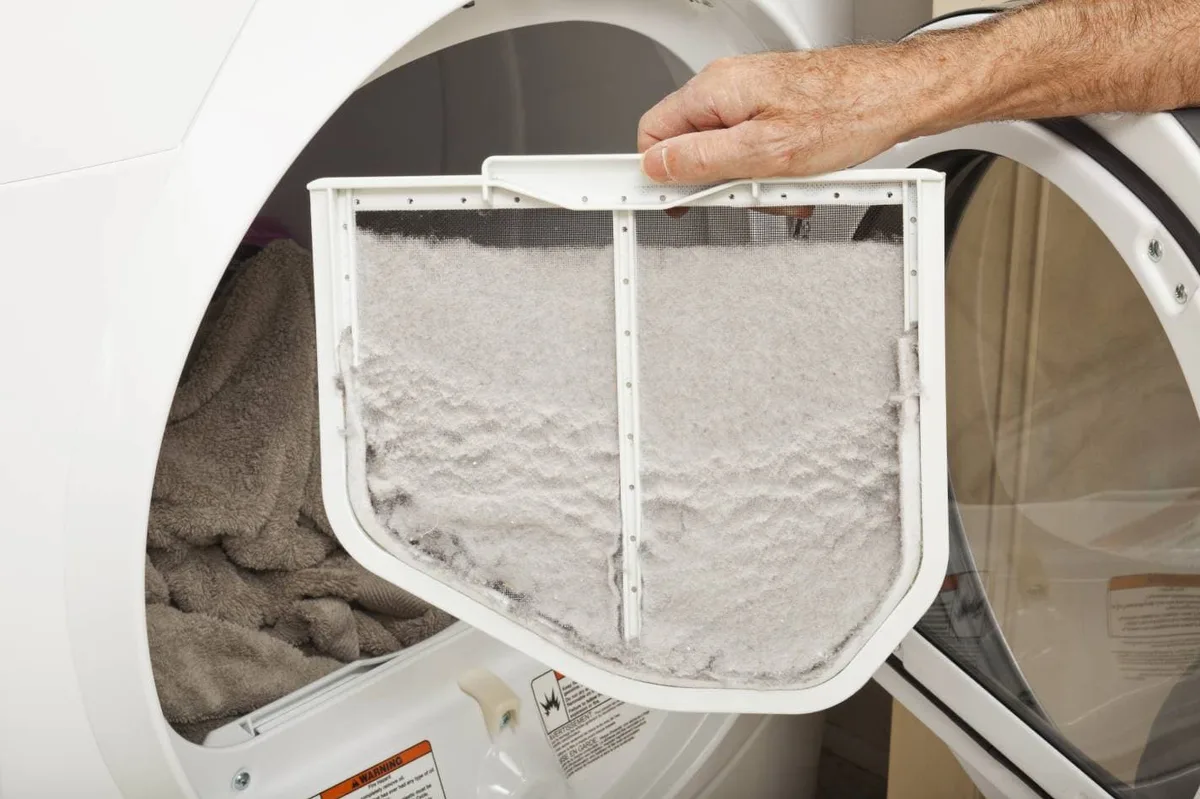
Clean the lint screen by hand after every single load. Once a month, remove the screen and wash it in warm soapy water with a soft brush. Vacuum the lint trap slot with a hose attachment.
Check the vent hose behind the dryer for kinks or buildup at least twice a year. Proper cleaning after each cycle prevents fire hazards and keeps drying times short.
What Happens When You Skip Lint Trap Cleaning
That thin layer of fuzz you peel off the screen every cycle? It's highly flammable. When airflow gets restricted by lint buildup, your dryer's heating element works harder and runs hotter.
Over time, that heat, combined with accumulated lint inside the vent system, creates a genuine fire risk.
Beyond safety, a clogged lint trap hits your wallet. Drying times increase because moist air can't escape efficiently. Your dryer runs longer cycles, uses more electricity or gas, and puts extra wear on the motor and heating element.
According to U.S. Consumer Product Safety Commission data, restricted airflow can increase energy consumption by up to 30% in affected dryers.
You'll notice warning signs if you pay attention. Clothes take more than one cycle to dry. The dryer feels unusually hot to the touch.
You smell something musty or slightly burning near the machine. The exterior vent flap doesn't open fully during operation. These are all signals that lint has moved beyond the screen and into the vent system.
If you've ever dealt with persistent lint on your laundry even after using the dryer correctly, restricted airflow from a clogged trap could be the hidden cause. Poor circulation means lint re-deposits on clothes instead of being captured or exhausted outside.
How Your Dryer Lint Trap Actually Works
The lint trap, sometimes called the lint screen or lint filter, is a mesh panel positioned either on top of the dryer, along the front rim, or inside the drum door opening, depending on your model. Its job is simple. Catch loose fibers, pet hair, and debris from tumbling clothes before that material enters the exhaust system.
Most screens use fine nylon mesh stretched over a rigid frame. Some older or commercial models use metal mesh. The screen slides in and out of a slot, making it easy to remove after each cycle.
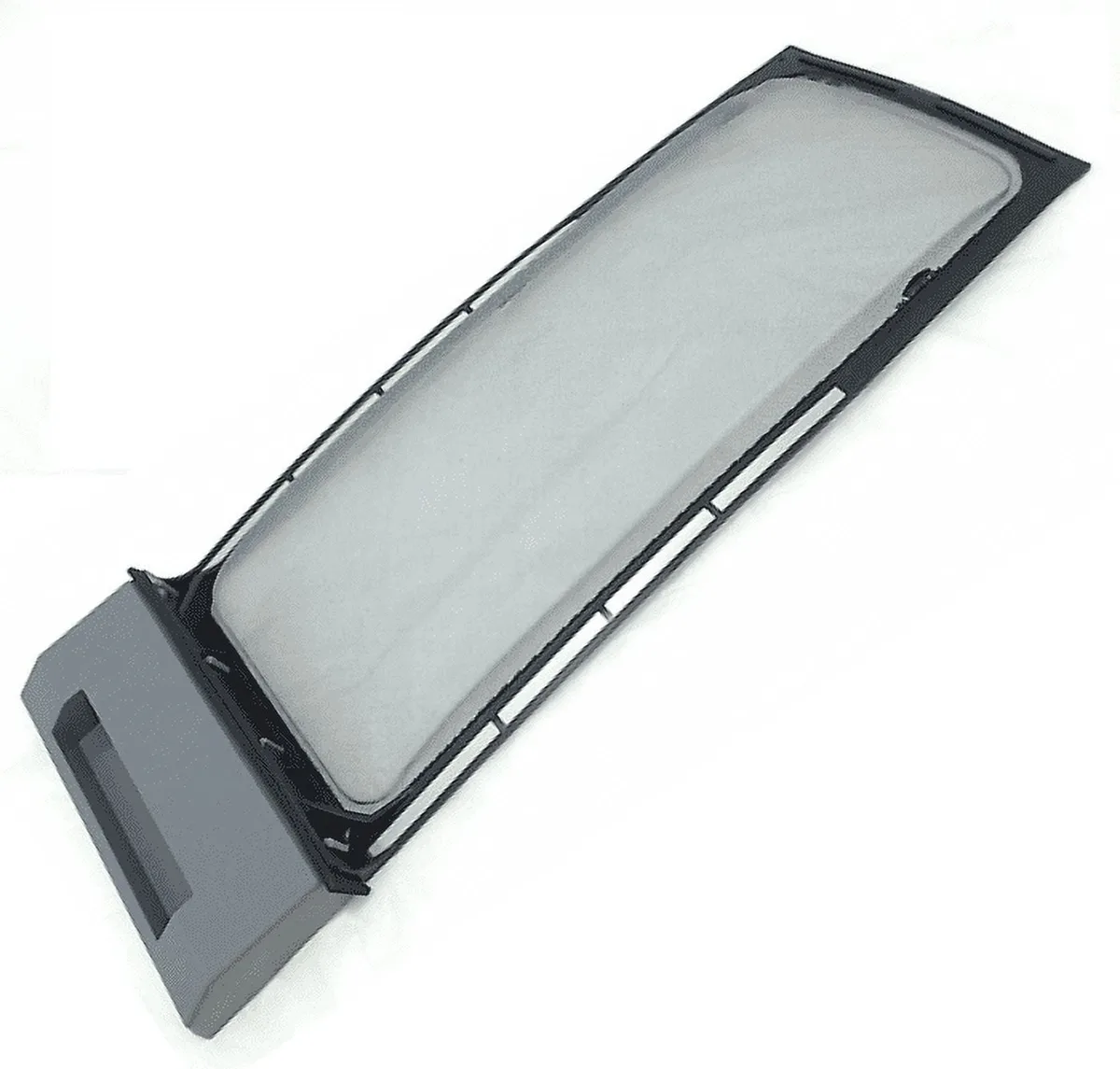
Air from the dryer drum passes through the lint screen on its way out through the vent hose. As air flows, lint particles catch on the mesh surface. That's the first stage of filtration.
But the mesh only captures larger fibers. Fine lint particles, especially from fleece, towels, and fleece-lined fabrics, pass right through and settle in the vent ductwork over time.
This is why cleaning the screen alone isn't enough. The trap does the heavy lifting, but without regular deep cleaning and vent maintenance, lint accumulates downstream where you can't see it. Understanding this two-stage reality, screen plus duct, is what separates a quick maintenance habit from a real fire prevention routine.
If you're curious about what lint actually is and why certain fabrics produce more of it, our guide on what is lint breaks down the science behind those fuzzy particles.
Step-by-Step: How to Clean Your Dryer Lint Trap Properly
Cleaning the lint screen takes about 30 seconds. Doing it thoroughly takes a few more minutes once a month. Here's the full process.
After Every Load
- Open the dryer door or lift the top panel, depending on your model.
- Pull the lint screen straight out.
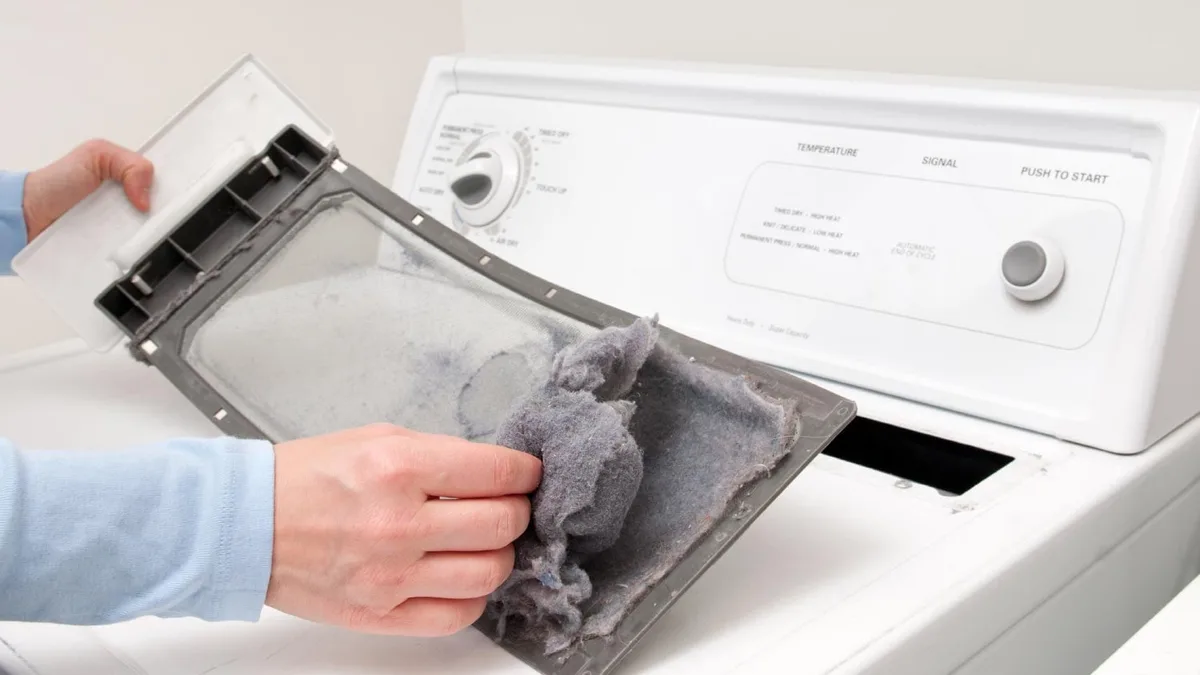
- Use both hands to peel off the collected lint in one smooth motion. Roll it into a ball and discard it.
- Run your fingers across the mesh to check for any remaining residue or clumping.
- Slide the screen back in fully. Make sure it seats flush with no gaps.
That's the daily habit. It takes almost no time and prevents the majority of lint from entering the vent system.
Monthly Deep Clean
- Remove the lint screen completely.
- Take it to the sink and rinse it under warm running water. Use a soft-bristled brush, an old toothbrush works great, to gently scrub both sides of the mesh.
- Add a small drop of dish soap if the screen feels waxy or coated. Dryer sheet residue builds up on mesh over time and reduces airflow even when lint is removed.
- Let the screen air dry completely before reinstalling. A damp screen restricts airflow and can promote mildew.
- While the screen is out, use a vacuum hose attachment to reach inside the lint trap slot. Vacuum as deep as the attachment will go. This removes lint that's fallen behind the screen housing.
Twice-Yearly Vent Check
- Pull the dryer away from the wall carefully.
- Disconnect the vent hose from the back of the dryer.
- Inspect the hose for kinks, crushing, or visible lint buildup. Flexible foil or vinyl hoses are more prone to trapping lint than rigid metal ducting.
- Use a dryer vent brush kit or vacuum to clean the hose from both ends.
- Reconnect everything securely and push the dryer back, making sure the hose isn't pinched.
If you notice your dryer sheets seem to leave extra residue on the screen, that's a sign you might be using too many. Our article on do dryer sheets help with lint covers how they can actually contribute to buildup over time.
How Often You Should Clean the Lint Trap (and Why Most People Get It Wrong)
The right frequency depends on what you mean by "clean." There are three levels, and each one matters.
| Cleaning Level | Frequency | What You Do |
|---|---|---|
| Quick peel | After every load | Remove surface lint by hand |
| Deep wash | Monthly | Rinse screen with soap and water, vacuum the slot |
| Vent inspection | Every 6 months | Check and clean the vent hose and exterior exhaust |
Most people only do the first level, and even then, inconsistently. A 2023 survey by the NFPA found that nearly 25% of homeowners admitted to cleaning the lint screen only "occasionally" rather than after every cycle. That gap is where problems start.
Households with pets, large families, or heavy towel and fleece usage should lean toward the more frequent end. Pet hair clogs screens faster than fabric lint. Towels and blankets shed heavily, especially in the first few washes.
If you're dealing with persistent fuzz on your laundry, our guide on how to get rid of lint on blankets has additional tips for reducing lint at the source.
The monthly deep wash matters because of dryer sheet residue. Even when the screen looks clean, a thin film of fabric softener chemicals coats the mesh after weeks of use. You can test this yourself.
Run water over a "clean" screen. If the water beads up instead of flowing through evenly, there's residue blocking the pores. That invisible coating reduces airflow just as much as visible lint.
Hidden Lint: Where Else Buildup Hides Beyond the Trap
The lint screen is just the first line of defense. Once fine particles pass through that mesh, they travel into the vent hose and ductwork, where they accumulate in places you can't easily see. Over months, that hidden buildup becomes the real danger.
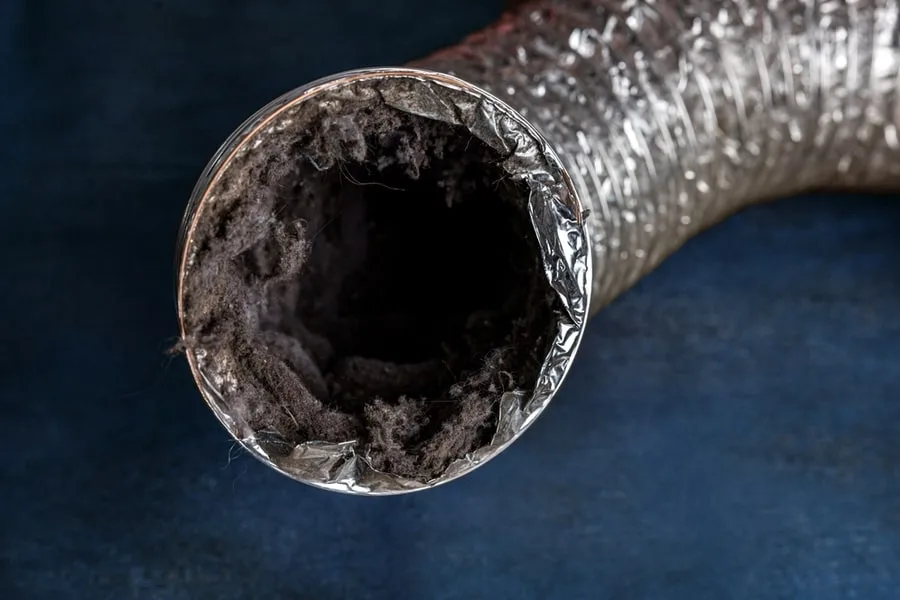
The vent hose connecting your dryer to the wall is the most common trouble spot. Flexible hoses, especially the accordion-style foil or vinyl types, have ridges that catch lint like a net. Even rigid metal ducting collects lint at joints and bends.
A hose that looks fine from the outside can be packed tight inside.
Behind the dryer, lint also settles around the blower housing and the area where the hose connects to the machine. If you've ever pulled your dryer out and noticed a layer of fuzz on the floor behind it, that's lint that escaped the system entirely. It's a sign the connection points aren't sealed well or the hose has a gap.
The exterior vent cap is another overlooked location. That flap on the outside of your house opens to release moist air. When lint builds up around the flap or inside the short duct leading to it, the flap can't open fully.
You can check this easily. On a dry day, run the dryer and go outside. The flap should open wide and you should feel strong airflow.
If it barely moves or the air feels weak, there's a blockage somewhere in the line.
For a full picture of how lint behaves in your laundry system, our guide on how to get lint off of clothes in dryer covers what happens when lint recirculates back onto your fabrics instead of being captured or exhausted.
Signs Your Lint Trap or Vent System Is Clogged
Your dryer will tell you something's wrong if you know what to watch for. The most obvious sign is longer drying times. If a load that used to finish in 40 minutes now takes 60 or needs a second cycle, airflow is restricted somewhere.
The dryer itself feels hotter than normal. The top, sides, or door get unusually warm during a cycle. That's because hot air isn't venting properly and heat is building up inside the drum and cabinet instead of being pushed outside.
You notice a musty or slightly burning smell. Trapped moisture from wet clothes combines with lint and dust inside the vent, creating a stale odor. A sharper, burning smell means lint may be close to the heating element.
If you ever smell something burning, stop the dryer immediately and inspect the system.
Clothes come out damp even after a full cycle. This is different from overloading. If you're running normal-sized loads and they're still wet at the end, the moist air has nowhere to go because the vent path is blocked.
The lint screen has less lint on it than usual. That sounds counterintuitive, but it actually means airflow is so restricted that lint isn't even reaching the screen. It's settling deeper in the system instead.
The exterior vent flap doesn't open during operation, or you see lint and debris buildup around the outside vent cover. Both indicate a significant blockage downstream.
Dryer Lint Fires: The Real Risk and How to Prevent Them
This isn't scare tactics. It's physics. Lint is extremely flammable, and your dryer produces heat.
When enough lint accumulates in a space with restricted airflow and a heat source nearby, ignition becomes possible.
The NFPA reports that between 2014 and 2018, U.S. fire departments responded to an estimated 13,800 home fires involving dryers per year. Failure to clean was the leading cause, accounting for 31% of those fires. The majority started in the dryer itself, but the fuel was lint that had built up in the vent system over time.
Gas dryers carry an additional risk. A blocked vent can cause carbon monoxide to back up into your home instead of being exhausted outside. If anyone in your household experiences headaches, dizziness, or nausea that improves when they leave the house, a blocked dryer vent could be a contributing factor.
Install a carbon monoxide detector near the laundry area as a precaution.
Prevention comes down to three habits. Clean the screen after every load. Deep clean the screen and vacuum the slot monthly.
Inspect and clean the vent hose and exterior cap at least twice a year. If your dryer is more than a few years old or you've never had the vent professionally cleaned, schedule one. A professional cleaning removes compacted lint from deep inside the ductwork that household tools can't reach.
Manufacturers like Whirlpool, LG, and Samsung all specify regular lint trap and vent maintenance in their owner manuals. Skipping it can void your warranty. More importantly, it puts your home at risk.
Common Mistakes That Make Lint Buildup Worse
Using too many dryer sheets is one of the most common errors. They leave a waxy residue on the lint screen that blocks the mesh pores. Over time, this invisible coating restricts airflow almost as much as lint itself.
If you use dryer sheets, cut back to one per load and make sure you're doing that monthly soap-and-water wash on the screen.
Overloading the dryer is another problem. When the drum is packed too full, clothes can't tumble freely. Air can't circulate properly, so lint doesn't separate from fabrics and get caught by the screen.
It either recirculates onto clothes or gets pushed past the filter into the vent.
Running the dryer when the lint screen is missing or damaged happens more often than you'd think. A torn screen or one that doesn't fit properly leaves a gap where lint bypasses the filter entirely. If your screen has holes, cracks, or a bent frame, replace it.
They're inexpensive and specific to your dryer model.
Ignoring the vent hose material matters too. Vinyl and thin foil hoses sag and collect lint in their ridges. Rigid or semi-rigid metal ducting maintains a smooth interior that resists buildup.
If your dryer has a vinyl hose, consider upgrading to aluminum or galvanized steel. It's a small investment that reduces fire risk and improves efficiency.
Pushing the dryer too far against the wall crushes the vent hose behind it. Even a slight kink restricts airflow significantly. Leave at least four to six inches of space between the dryer and the wall to keep the hose in a gentle curve rather than a sharp bend.
Neglecting the exterior vent cap is a mistake most people make. Birds, insects, and debris can block the outside opening. A quick visual check every few months takes seconds and can prevent a serious blockage.
When to Call a Professional vs. DIY Cleaning
Most lint trap maintenance is straightforward DIY work. But there are situations where a professional is the right call.
If your dryer vent run is long, more than about 15 feet from the dryer to the exterior wall, household tools may not reach the full length. Professional services use rotating brush systems and compressed air to clean the entire duct from end to end.
If you notice persistent problems despite regular cleaning, like continued long drying times or overheating, there may be a hidden blockage or a crushed section of duct inside the wall. A professional can inspect with a camera to find the issue.
If your dryer is in a second-story laundry room or the vent runs through the attic or roof, the ductwork is harder to access. Professional cleaners have the equipment to handle vertical and long-run vents safely.
If you've never had the vent cleaned since moving into your home, start with a professional service. You don't know how much buildup is already inside. After that initial deep clean, you can maintain it yourself on the schedule outlined above.
A professional dryer vent cleaning typically costs between $100 and $200 as of 2026, depending on the length and complexity of the duct run. It's a worthwhile investment for fire prevention and energy savings. Many HVAC companies and specialized duct cleaning services offer this.
For routine maintenance between professional visits, a dryer vent brush kit, available at most hardware stores for $15 to $30, lets you clean the hose and accessible duct sections yourself. Pair it with a vacuum hose attachment and you've got everything needed for the twice-yearly vent check.
Maintenance Schedule That Keeps Your Dryer Safe and Efficient
Staying on top of lint removal doesn't require a complicated plan. A simple schedule, followed consistently, prevents the vast majority of problems.
| Task | Frequency | Time Needed |
|---|---|---|
| Peel lint from screen | After every load | 15 seconds |
| Wash screen with soap and water | Monthly | 5 minutes |
| Vacuum lint trap slot | Monthly | 2 minutes |
| Inspect vent hose | Every 6 months | 10 minutes |
| Check exterior vent cap | Every 6 minutes | 2 minutes |
| Professional duct cleaning | Every 1 to 2 years | 1 to 2 hours |
Print this out and tape it inside your laundry room cabinet. It takes the guesswork out of when to do what.
If you have pets or a large family running multiple loads daily, move everything up one frequency level. Pet hair accelerates buildup fast. Heavy usage means more lint production and faster accumulation in the ductwork.
Safety Checks Every Homeowner Should Do Monthly
Beyond cleaning, a few quick safety checks take almost nothing and catch problems early.
Check that the lint screen slides in and out smoothly. A warped or bent frame means lint is bypassing the filter. Replace the screen if it doesn't seat properly.
Feel the area around the dryer while it's running. The machine should not be hot to the touch on the top or sides. Excessive surface heat signals restricted airflow inside.
Listen for unusual sounds. A thumping or rattling noise could mean lint has jammed the blower wheel. A squealing sound often points to a motor bearing issue caused by overheating over time.
Verify the exterior vent flap opens fully during operation. Go outside while the dryer runs. Strong airflow and a wide-open flap mean the vent path is clear.
If you have a gas dryer, make sure you have a working carbon monoxide detector in or near the laundry area. Test it monthly. A blocked vent on a gas unit is a carbon monoxide hazard, not just a fire risk.
Final Checklist: Is Your Dryer Lint System Truly Clean?
Before you close the book on this topic, run through this quick checklist. It covers everything we've discussed in one scannable list.
- Lint screen cleaned after every single load
- Screen washed with warm soapy water monthly
- Lint trap slot vacuumed monthly
- Vent hose inspected and cleaned every 6 months
- Exterior vent cap clear of debris and opening fully
- Dryer not hot to the touch during operation
- Drying times are normal for your load sizes
- No burning or musty smells during cycles
- Carbon monoxide detector installed and tested (gas dryers)
- Professional duct cleaning scheduled every 1 to 2 years
If you can check every box, your dryer is in good shape. If you missed a few, pick the highest priority items, start with cleaning the screen and checking the vent hose, and work through the rest over the next week.
Frequently Asked Questions
Can a clogged lint trap cause a house fire?
Yes. Lint is highly flammable and your dryer produces heat. When lint accumulates in the trap, vent hose, or ductwork, it creates a fire hazard.
The NFPA identifies failure to clean as the leading cause of home dryer fires.
How do I know if my dryer vent is clogged?
Long drying times, a hot-to-the-touch dryer, musty or burning smells, and a weak exterior vent flap are all signs of a clogged vent. If clothes stay damp after a full cycle, check the vent system.
Should I use dryer sheets if I'm worried about lint buildup?
Dryer sheets leave a waxy residue on the lint screen that restricts airflow over time. If you use them, limit to one per load and wash the screen with soap and water monthly to remove the buildup.
How often should I have my dryer vent professionally cleaned?
Every one to two years for most households. If you have pets, run multiple loads daily, or have a long vent run, annual professional cleaning is a better schedule.
Is it safe to run the dryer without the lint screen?
No. Without the screen, lint goes directly into the vent hose and ductwork, accelerating buildup and increasing fire risk. Always make sure the screen is in place and properly seated before running a cycle.