How to Get Lint Out of Locs for 2026: Step-by-Step Guide
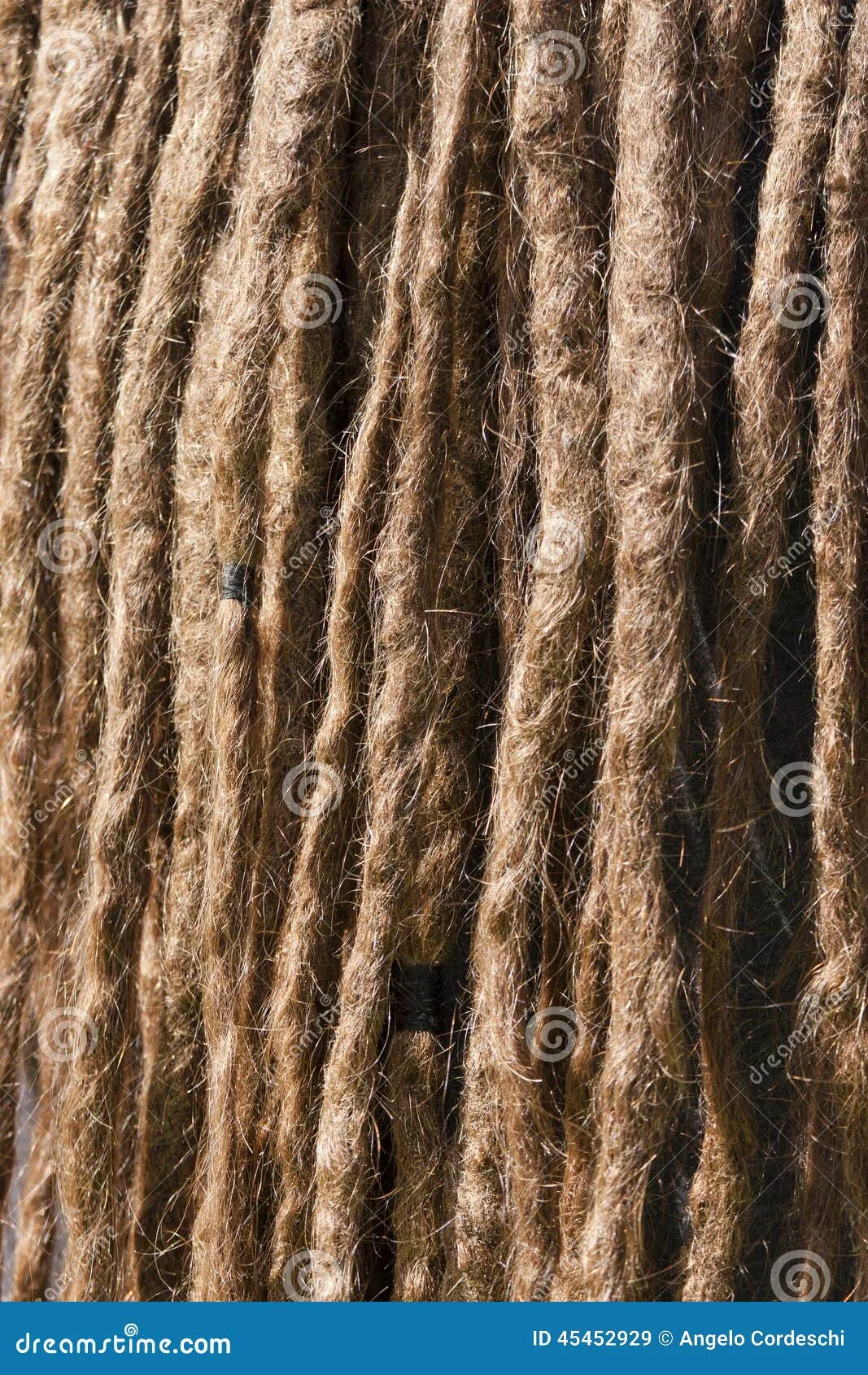
Image source: Bing (Web (fair-use with source credit))
If you've noticed white or gray fuzz woven into your locs, you're not alone. Learning how to get lint out of locs is one of the most common maintenance challenges loc wearers face, especially in the first couple years. Lint from towels, clothing, and bedding gets caught in the textured surface of locs and works its way deep into the shaft, where shaking or brushing won't reach it.
The good news is that lint removal is totally doable at home with the right tools and approach. The method you use depends on your loc maturity, how deep the lint is embedded, and how much time you want to invest. In our research, we've found that most loc wearers see the best results when they combine careful manual extraction with a few simple prevention habits.
Let's walk through exactly how to tackle this.
Quick Answer: The Fastest Way to Get Lint Out of Locs
Use a fine crochet hook (0.5mm to 1.5mm) to gently pull lint out of each loc, working from the tip toward the root. Section your hair first so you don't miss any locs. After removal, palm-roll each loc to re-compact it.
Switch to microfiber towels and satin-lined clothing to keep lint from coming back. For severe buildup, a professional loctician can remove lint in a single session.
What Lint in Locs Actually Is and Why It Happens
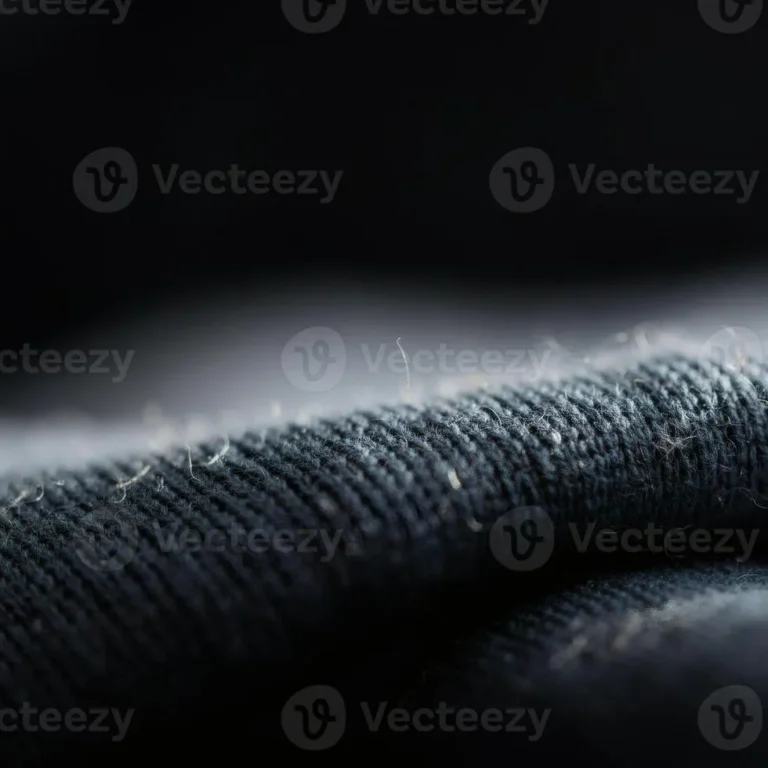
Lint is made up of tiny fibers that shed from fabric, cotton towels, clothing, and bedding. When these fibers come into contact with your locs, they get caught in the textured, interlocked hair and start to accumulate. Over time, they compact inside the loc shaft and become visible as white or gray specks, especially against darker hair.
Not all locs attract lint equally. Starter locs and young locs (under 12 months) are the most vulnerable because their structure is still loose and open. Freeform locs also tend to collect more lint than tightly maintained traditional locs because there's more surface area for fibers to grab onto.
If you use cotton towels to dry your hair or wear a lot of fleece and cotton clothing, you're feeding a constant stream of lint directly to your locs.
Here's a quick breakdown of the most common lint sources:
| Source | Fiber Type | Risk Level |
|---|---|---|
| Cotton bath towels | Cotton | High |
| Cotton t-shirts and hoodies | Cotton | High |
| Fleece jackets and blankets | Polyester | Medium |
| Microfiber towels | Polyester blend | Low |
| Satin or silk fabrics | Silk/synthetic | Very Low |
Understanding where the lint comes from is half the battle. Once you know the source, you can cut it off at the pass. For a deeper dive into what lint actually is and why certain fabrics shed more than others, check out our guide on what is lint.
How Lint Gets Trapped in Locs Based on Your Loc Type and Lifestyle
The way lint embeds itself in your locs isn't random. It depends on your loc maturity, your maintenance routine, and what fabrics you're regularly exposing your hair to.
Starter locs (0 to 6 months): Your locs are still forming and the hair hasn't fully locked together. Fibers slide easily into the loose structure and get trapped as the hair begins to mat. This is the stage where lint buildup happens fastest.
Adolescent locs (6 to 18 months): The locs are tightening but still have some give. Lint that entered during the starter phase may now be deeply embedded. New lint continues to collect on the surface.
Mature locs (18 months and up): Fully locked locs are more resistant to new lint, but any lint that's already inside is harder to remove because the structure is dense. Surface lint can usually be picked out, but deep extraction requires patience.
Your maintenance style matters too. If you interlock your locs, the tension method can sometimes push lint deeper toward the root. Palm rolling tends to keep lint closer to the surface, making it easier to spot and remove.
Sisterlocks and micro locs are especially prone to visible lint because the small size makes every fiber stand out.
Lifestyle factors play a role as well. If you work out regularly and wear cotton headbands or towels around your neck, you're introducing lint with every session. Sleeping on cotton pillowcases does the same thing night after night.
Even the type of dryer sheets you use can affect how much lint your clothes produce. Our article on do dryer sheets help with lint covers this in more detail.
Tools You'll Need for Safe Lint Removal
You don't need a lot of equipment, but the right tools make a huge difference. Using the wrong thing, like scissors or a regular comb, can damage your locs or make the lint problem worse.
Here's what we recommend having on hand:
- Fine crochet hook (0.5mm to 1.5mm): This is your primary lint removal tool. The small hook slides into the loc shaft and catches lint fibers without pulling out your actual hair. Size 0.75mm works well for most loc types.
- Loc pick or rattail comb: Useful for gently teasing out surface lint and separating locs before you start.
- Good lighting and a mirror: Lint is easy to miss, especially at the back of your head. A bright lamp and a handheld mirror help you spot every bit.
- Spray bottle with water: Lightly misting a loc can make the lint more visible and easier to grip. Don't soak the loc, just a light spritz.
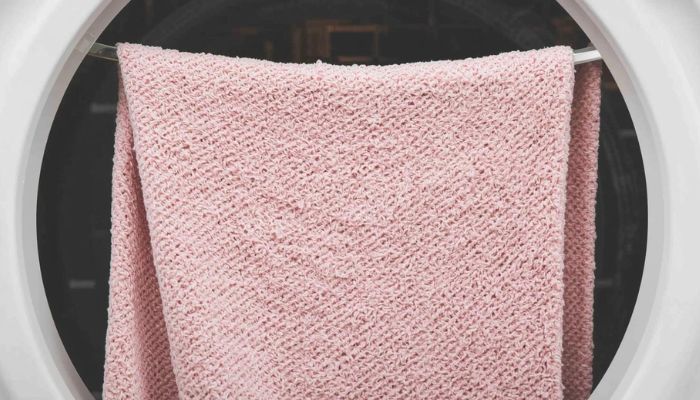
- Microfiber towel: Use this to dry your hair after any water-based lint removal. It sheds far less than cotton. Our guide on how to get rid of towel lint explains why microfiber makes such a difference.
- Satin or silk scarf: Wear this after lint removal to protect your locs while they settle.
Avoid using scissors to cut lint out. It's tempting when you see a stubborn clump, but you risk cutting into the loc itself or creating a weak point that leads to breakage. If a loc pick or crochet hook isn't working, that's a sign to see a professional rather than reaching for a blade.
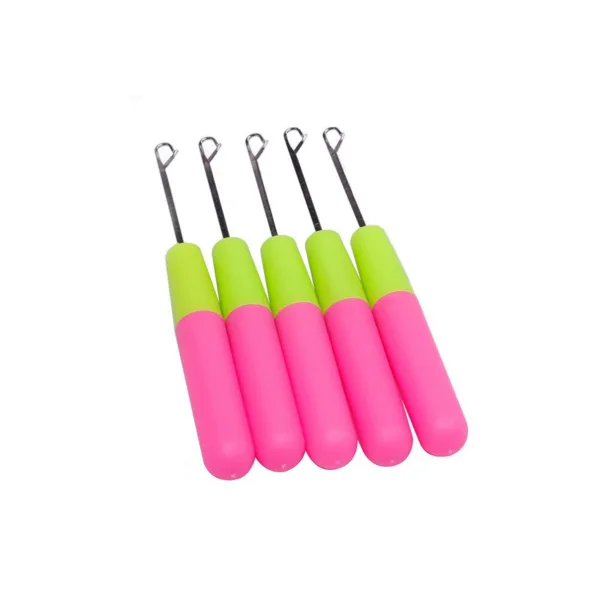
Image source: Bing (Web (fair-use with source credit))
Step-by-Step: How to Remove Lint from Locs Without Damaging Them
This process takes time, especially if you have a full head of locs with widespread lint. Set aside 30 to 90 minutes depending on your loc count and how much lint you're dealing with. Rushing leads to pulled hair and thinning locs.
Step 1: Section your hair.
Part your locs into 4 to 6 sections and clip them apart. This keeps you organized and ensures you don't skip any locs. Start with the section at the back of your head since that's where lint tends to accumulate most.
Step 2: Inspect each loc individually.
Hold a loc up to the light and look for white or gray fibers. Check the full length from root to tip. Surface lint will be visible right away.
Embedded lint may look like a slight discoloration inside the loc shaft.
Step 3: Mist lightly if needed.
If the lint is hard to see or grip, spritz the loc with water from your spray bottle. Just a light mist. Too much water makes the loc heavy and can lead to mildew if it doesn't dry properly.
Step 4: Insert the crochet hook at the tip.
Slide the hook into the loc near where the lint is visible. Gently rotate and pull the lint out in small clumps. Work from the tip of the loc toward the root.
Don't force the hook. If it's not catching the lint easily, try a slightly larger hook size.
Step 5: Work in small sections along the loc shaft.
Don't try to pull all the lint out in one motion. Extract a little, reposition the hook, and extract more. This protects the hair inside the loc from being pulled out along with the lint.
Step 6: Palm-roll each loc after cleaning.
Once you've removed the visible lint from a loc, roll it gently between your palms. This re-compacts the hair and closes up any gaps the lint left behind. It also helps the loc look uniform again.
Step 7: Wash and dry your locs.
After you've worked through all your sections, wash your locs with a residue-free shampoo. This removes any remaining loose fibers and product buildup. Dry thoroughly with a microfiber towel and a hooded dryer if possible.
Air drying works too, but make sure your locs are completely dry before styling. Trapped moisture inside a loc can cause mildew, which is a much bigger problem than lint.
Step 8: Protect your locs post-removal.
Wrap your hair in a satin or silk scarf overnight. This prevents new lint from settling into your freshly cleaned locs while you sleep.
If you're dealing with lint on fabrics around your home as well, our guide on how to remove lint from clothes in the washing machine has practical tips that can reduce the overall lint in your environment.
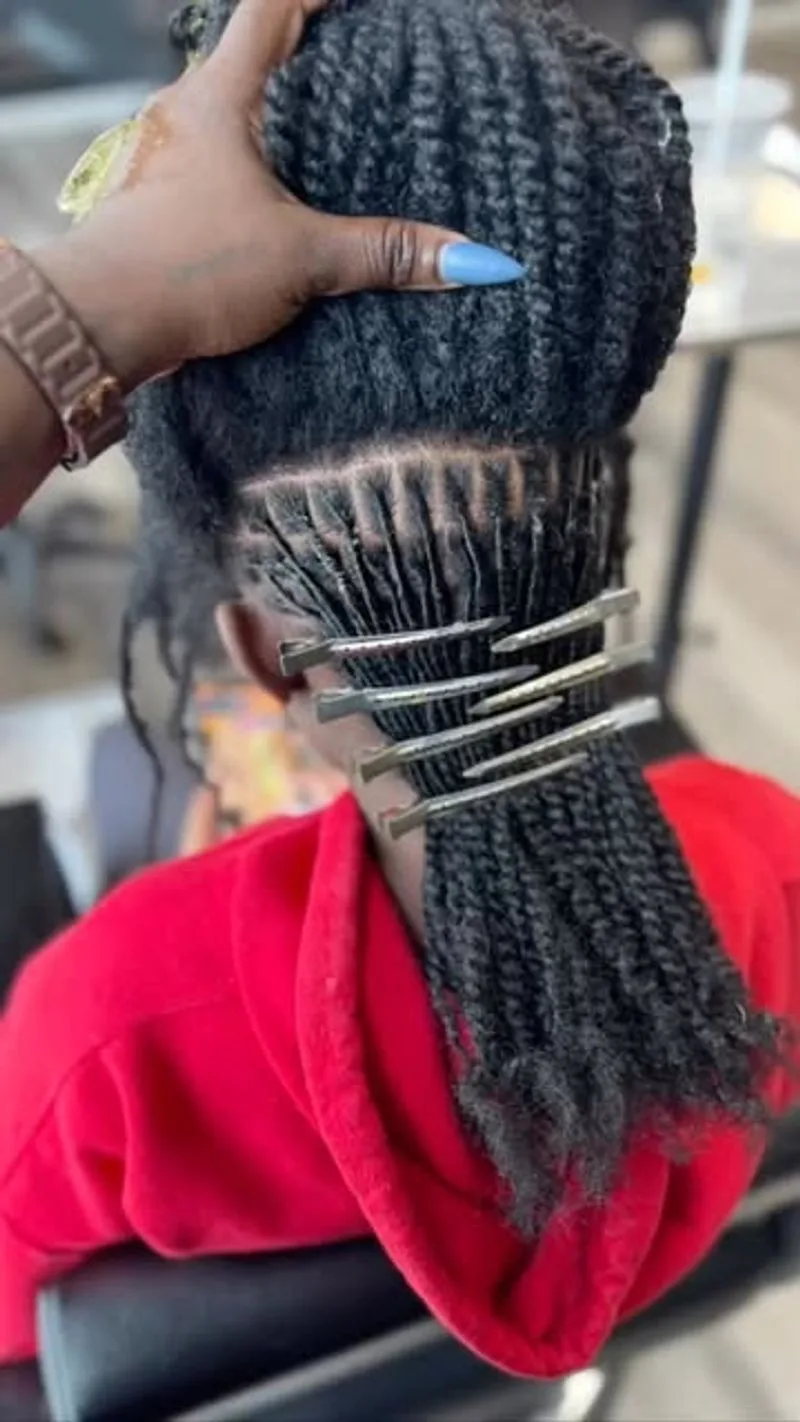
Image source: Bing (Web (fair-use with source credit))
What to Do When Lint Is Too Embedded to Pull Out
Sometimes lint has been sitting inside a loc for months or even years. It compacts into a dense clump that a crochet hook can't grab. Forcing it will only damage the loc.
Here's how to handle it.
Try steam first. Hold a steamer or a warm, damp towel near the affected loc for 3 to 5 minutes. The moisture and heat loosen the compacted fibers and make them easier to extract. After steaming, go back in with your crochet hook using the same tip-to-root technique from earlier.
Use the "roll and pull" method. Place the loc between your thumb and forefinger. Roll it gently while applying light pressure. This pushes some of the embedded lint toward the surface where you can grab it with the hook.
It won't get everything, but it reduces the amount you're fighting with.
Consider a clarifying wash. Wash the loc with a residue-free clarifying shampoo and warm water. Massage the shaft gently as you rinse. This can dislodge lint that's been held in place by product buildup.
Dry thoroughly afterward.
If none of these methods work and the lint is still visible, you have two options. You can leave it alone and let the loc grow past it over time. Or you can visit a professional loctician who has specialized tools for deep extraction.
Don't cut the loc open. That creates a permanent weak spot.
How to Prevent Lint from Coming Back
Removing lint is only half the job. Without changing a few habits, it'll be back within weeks. Prevention is honestly easier than removal.
Switch your towels. Cotton bath towels are the number one lint source for locs. Replace them with microfiber towels or bamboo towels. They shed dramatically less.
If you're not sure which fabrics are safest, our guide on what fabric is lint free breaks it down.
Change your pillowcase. Cotton pillowcases shed fibers all night long. Swap to a satin or silk pillowcase. It's better for your locs and your skin.
Wear satin-lined hoodies. If you live in hoodies, look for ones with satin or silk lining around the hood. The cotton exterior still exists, but the lining creates a barrier between the fabric and your locs. This single change makes a noticeable difference.
Dry your hair before putting on clothes. Wet or damp locs attract and hold lint much faster than dry ones. After washing, dry your locs completely before pulling a shirt over your head or wrapping a towel around your shoulders.
Wash new clothes before wearing them. New cotton garments shed the most lint in their first few washes. Run them through the laundry before they ever touch your locs. Our article on how to get rid of lint on new towels covers this in more detail.
Do regular loc inspections. Once a month, check your locs under good light. Catching lint early means easier removal and less buildup over time. Think of it like checking your car's tire pressure.
A quick look now prevents a bigger problem later.

Image source: Bing (Web (fair-use with source credit))
Lint Removal Methods Compared: DIY vs. Professional vs. Prevention-First
Not every approach works for every situation. Here's how the three main strategies stack up.
| Method | Best For | Time Investment | Cost | Effectiveness |
|---|---|---|---|---|
| DIY crochet hook removal | Surface and moderate lint, regular maintenance | 30 to 90 minutes per session | $2 to $5 (one-time tool cost) | High for surface lint |
| Professional loctician | Deeply embedded lint, full-head removal, delicate locs | 1 to 3 hours | $50 to $150+ | Very high |
| Prevention-focused routine | Long-term maintenance, avoiding recurrence | Ongoing habit changes | $10 to $40 (towel and pillowcase swap) | High over time |
DIY removal is the most practical option for most people. It's cheap, you control the pace, and you can target specific locs. The downside is that it's time-consuming and requires a steady hand.
If you have a lot of locs or limited mobility, it can be tough to reach the back of your head.
Professional removal is worth it when the lint is widespread and deeply embedded. A loctician has better tools, better angles, and more experience. They can also assess whether any locs have been weakened by the buildup and recommend repairs.
If you've been dealing with lint for over a year without a thorough cleaning, book a session.
Prevention-first isn't a removal method, but it's the most cost-effective long-term strategy. If you're constantly fighting lint, the problem isn't your removal technique. It's your environment.
Change your fabrics, adjust your routine, and the lint problem shrinks dramatically on its own.
The best approach for most loc wearers is a combination. Do a thorough DIY cleaning session, then lock in prevention habits. Revisit a professional once or twice a year for deep maintenance.
Common Mistakes That Make Lint Worse or Damage Your Locs
Even with good intentions, it's easy to make the problem worse. Here are the mistakes we see most often.
Using scissors to cut lint out. This is the biggest one. It's tempting when you see a stubborn white clump, but scissors create a cut in the loc that never fully heals. The loc becomes thin and weak at that point.
Always use a crochet hook or see a professional.
Pulling too hard. If the lint isn't coming out easily, stop. Forcing it pulls out your natural hair along with the fiber, which thins the loc over time. Switch to steam or the roll-and-pull method instead.
Skipping the palm roll after extraction. After you remove lint, the loc has gaps in its structure. If you don't palm-roll it closed, those gaps collect new lint faster than before. Rolling takes 5 seconds per loc and makes a real difference.
Over-washing after removal. Washing your locs once after a lint session is fine. Washing them daily in the days after strips natural oils and can cause the loc to loosen, which invites more lint. Stick to your normal washing schedule.
Ignoring the source. If you remove lint but keep drying your hair with a cotton towel and sleeping on cotton sheets, you're solving the symptom and not the cause. The lint will come back every time.
Confusing lint with product buildup. White flakes inside a loc aren't always lint. Product buildup from heavy creams and waxes can look similar. If the white material feels waxy or sticky rather than fibrous, you're dealing with buildup, not lint.
The removal approach is different. Clarifying shampoo handles buildup. A crochet hook handles lint.
When to Call a Professional Loctician
There's no shame in handing this off to someone with more experience. In some situations, it's the smartest move.
Call a professional if:
- Lint is embedded in most of your locs and a DIY session would take 3+ hours
- Your locs are thinning or breaking at the spots where lint is concentrated
- You have micro locs or sisterlocks where precision matters and mistakes are costly
- You've tried DIY removal multiple times and the lint keeps coming back quickly
- You're preparing for a special event and need your locs looking their best
A good loctician will not only remove the lint but also assess the overall health of your locs. They can spot weak points, recommend a maintenance schedule, and suggest products that won't contribute to future buildup. Expect to pay between $50 and $150 depending on your loc count, density, and how much work is involved.
As of 2026, prices in major metro areas tend to run higher.
Ask your loctician about their lint removal process before booking. Some use steam, some use specialized hooks, and some combine methods. Knowing their approach helps you decide if it's the right fit for your loc type.
How Often You Should Check for Lint and Maintain Your Locs
Consistency matters more than intensity. A quick 10-minute check once a week catches lint before it becomes a problem. For locs under 12 months old, check twice a week since they collect lint fastest.
Mature locs need less frequent checks, but once a month is a good baseline.
During each check, look at the locs that contact clothing and bedding most. The nape of the neck, the crown, and the locs that tuck behind your ears tend to collect the most. If you're consistent about inspections, you'll rarely need a full deep-clean session.
Frequently Asked Questions
Can lint damage my locs permanently?
Lint itself doesn't cause permanent damage. But if you ignore it for long periods, the added weight and compaction can stress the loc structure. Aggressive removal with scissors or excessive pulling causes more harm than the lint does.
How long does a full lint removal session take?
For a full head of locs with moderate buildup, expect 30 to 90 minutes. Severely affected locs or very dense hair can take up to 2 hours. Breaking the work into sections across two sessions is fine if you're doing it yourself.
Is it normal to see lint in starter locs?
Yes. Starter locs are the most lint-prone stage because the hair hasn't fully locked. The structure is open and textured, which catches fibers easily.
Lint problems usually decrease as your locs mature and tighten.
Can I use a lint roller on my locs?
No. Lint rollers use adhesive that will stick to the loc surface and pull out hair along with the lint. They also leave residue that attracts more lint.
Stick with a crochet hook or manual removal.
What's the difference between lint and dandruff in locs?
Lint appears as distinct fibers you can grab and pull out. Dandruff shows up as small, dry flakes that crumble when touched. If you're unsure, try pulling the white material.
If it comes out as a strand, it's lint. If it crumbles, it's likely dandruff or dry scalp.
Do certain hair products attract lint?
Heavy waxes, butters, and oil-based products can make loc surfaces sticky, which traps lint faster. Lightweight, water-based products are less likely to cause this issue. If you use heavier products, clarify your locs regularly to keep the surface clean.
Final Recommendation: Your Lint-Free Loc Plan
Start with a thorough DIY cleaning session using the crochet hook method. Switch to microfiber towels and a satin pillowcase the same day. Do weekly 10-minute inspections.
Book a professional loctician once or twice a year for deep maintenance. This combination keeps your locs clean, healthy, and lint-free without turning it into a constant battle.