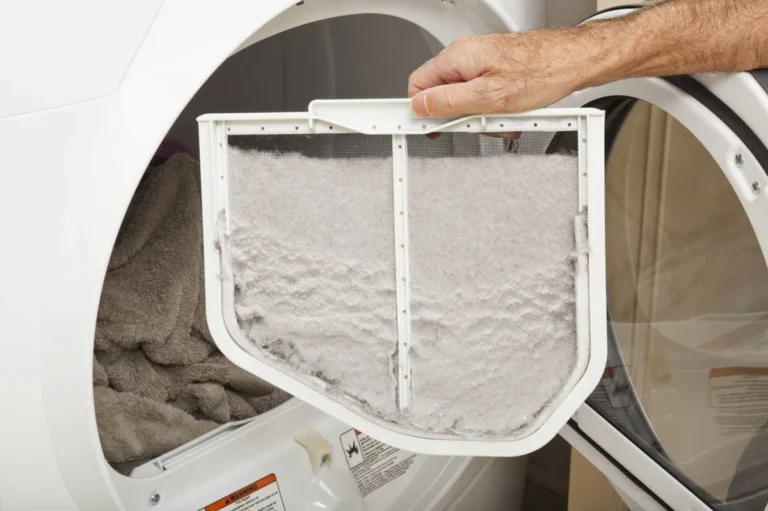
Guide to Lint Roller Guide for 2026: Step-by-Step Guide
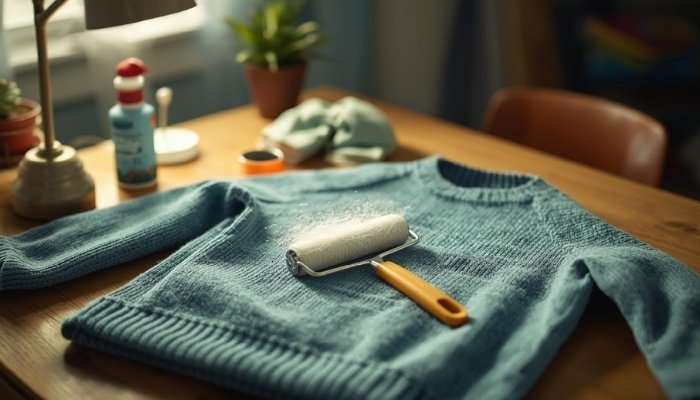
You've probably reached for a lint roller a hundred times without thinking much about it. You roll it over your black pants before heading out, peel off a sheet, and toss it. Done.
But if you've ever wondered whether you're using the right type, or whether there's a better way to handle pet hair or delicate fabrics, this lint roller guide is for you.
The truth is, not all lint rollers are created equal. The wrong type can leave residue on a blazer, snag a cashmere sweater, or barely pick up embedded dog hair. As of 2026, the market includes everything from basic sticky-sheet rollers to reusable silicone models and heavy-duty pet-hair versions, and the differences matter more than most people realize.
Let's break down what actually works and when.
Image source: Wikimedia Commons / Silas S. Brown at English Wikipedia
Quick Answer
A lint roller is a handheld adhesive or reusable tool that removes lint, dust, hair, and pet fur from fabric surfaces. The main types are sticky-sheet rollers, reusable silicone rollers, and lint brushes. Sticky-sheet rollers work best for quick, light cleaning.
Reusable rollers save money over time. Choose based on your fabric type and how often you need it.
What a Lint Roller Actually Does (And Why It Works)
At its core, a lint roller is a simple device. You roll a sticky or tacky surface across fabric, and it picks up loose fibers, dust, hair, and other debris sitting on top of the material. It doesn't clean the fabric the way washing does.
It removes what's sitting on the surface.
The adhesive on a standard sticky-sheet roller is a pressure-sensitive coating applied to paper sheets. When you press and roll it across fabric, the adhesive grabs onto particles that are loosely attached. The sheet gets full, you tear it off, and a fresh layer is ready underneath.
It's fast, it requires zero setup, and it works on most everyday fabrics.
Reusable lint rollers operate on a different principle. Instead of adhesive sheets, they use a silicone or rubberized surface that generates static charge or uses micro-texture to grab debris. You wash the surface when it gets dirty, let it dry, and use it again.
The upfront cost is higher, but you're not buying refills every few weeks.
Understanding this basic mechanism helps you choose the right tool. If you're dealing with surface-level lint on a suit jacket before a meeting, a sticky-sheet roller is hard to beat for speed. If you're a pet owner constantly cleaning furniture and car seats, a reusable roller will save you money and reduce waste over time.
For more on what lint actually is and why fabrics shed it, our guide on what is lint covers the science behind it.
The Main Types of Lint Rollers — And How They Differ
Not every lint roller is designed for the same job. Here's a breakdown of the three main categories and what each one does best.
Sticky-sheet lint rollers are the most common. They consist of a handle with a spindle that holds a roll of adhesive sheets. You roll the sticky surface across fabric, and when the sheet is full, you peel it off along the perforation and expose a fresh layer.
Standard rolls contain between 45 and 100 sheets, and refills are widely available. These are the go-to for quick touch-ups on clothing, and they come in travel sizes that fit in a bag or glove compartment.
Reusable lint rollers replace the adhesive sheets with a washable surface, usually made from silicone or a specialized rubber compound. Brands like the ChomChom Roller use a patented bristle-and-chamber design that captures hair and lint inside the unit as you roll. You empty the chamber and the roller is ready again.
No refills, no waste. The trade-off is that they require occasional cleaning and may not grab ultra-fine dust as effectively as a fresh adhesive sheet.
Lint brushes are a separate category but often get grouped with lint rollers. These are flat or ergonomic brushes with directional bristles or a fabric-like surface. You brush in one direction to collect debris, then swipe the brush across a surface to reset it.
They're reusable, work well on upholstery, and don't involve any adhesive. The downside is they can struggle with deeply embedded pet hair compared to a sticky roller.
Here's a quick comparison to keep things clear:
| Type | Best For | Refill Needed | Cost Over Time |
|---|---|---|---|
| Sticky-sheet roller | Quick clothing touch-ups, travel | Yes (refill rolls) | Low upfront, ongoing refill cost |
| Reusable roller | Pet hair, furniture, frequent use | No | Higher upfront, near-zero ongoing |
| Lint brush | Upholstery, delicate fabrics, eco-conscious users | No | One-time purchase |
If you're trying to figure out which type fits your routine, think about frequency and surface. Daily use on clothes? Sticky sheets are convenient.
Constant battle with a shedding dog? A reusable roller will pay for itself fast. And if you're working with delicate fabrics like silk or loosely woven wool, a lint brush gives you more control with less risk of snagging.
Sticky-Sheet Lint Rollers: Pros, Cons, and When They're Worth It
Sticky-sheet lint rollers are the default choice for most people, and for good reason. They're cheap, effective, and available everywhere. But they're not perfect, and knowing their limitations will help you avoid common frustrations.
What they do well:
- Remove surface lint, dust, and light pet hair quickly
- Work on most common fabrics including cotton, polyester, and wool blends
- Travel sizes are genuinely compact and fit in a purse, laptop bag, or car
- No maintenance beyond replacing the roll
Where they fall short:
- Adhesive can leave residue on delicate or loosely woven fabrics
- Sheets sometimes tear unevenly along perforations, wasting adhesive surface
- Cheap rollers with weak adhesive barely pick up anything
- Ongoing cost of refills adds up with heavy use
- Not effective on deeply embedded pet hair, especially on upholstery
The adhesive quality varies significantly between brands. Budget rollers from dollar stores often use a thinner, less tacky coating that slides over debris instead of grabbing it. Mid-range options from brands like Evercare or Scotch-Brite tend to have more consistent adhesive application and cleaner perforations.
If you've ever used a roller that seemed to just push lint around instead of picking it up, the adhesive was probably the issue.
One thing to watch for: avoid using sticky-sheet rollers on silk, satin, or any fabric with a loose weave. The adhesive can pull on individual fibers and cause snagging or pilling. For those materials, a lint brush or even a piece of packing tape (used gently) is a safer option.
If you're dealing with pilling specifically rather than surface lint, a fabric shaver is the right tool for that job.
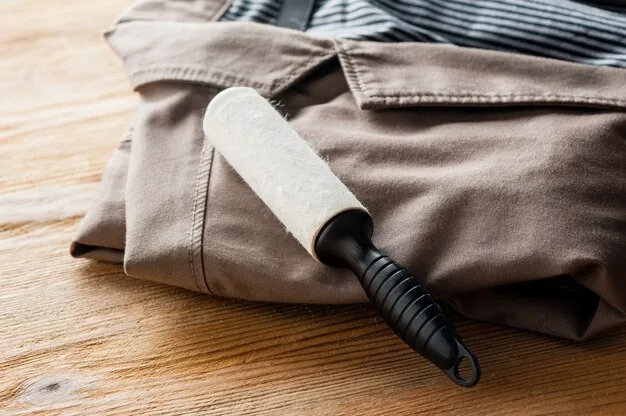
Image source: Bing (Web (fair-use with source credit))
Sticky-sheet rollers make the most sense when you need something fast and disposable. They're ideal for pre-meeting touch-ups, travel, and situations where you don't want to deal with cleaning a reusable tool. Just keep a decent brand on hand and skip the cheapest option on the shelf.
Reusable Lint Rollers: Are They Really Better Long-Term?
Reusable lint rollers have gained serious traction over the past few years, and the math behind them is straightforward. A quality reusable roller costs between $15 and $30. A pack of refill sheets for a disposable roller runs $5 to $10 and lasts a few weeks with regular use.
If you're rolling daily, the reusable option pays for itself within a couple of months.
The most popular reusable designs fall into two categories. The first uses a silicone or rubberized drum that you roll across fabric. The surface grabs hair and lint through a combination of static charge and micro-texture.
When it stops picking up debris, you wash it under running water, let it air dry, and it's ready again. These work well on clothing and light upholstery.
The second type, like the ChomChom Roller, uses a completely different mechanism. It has a bristle surface that captures hair and lint inside a chamber as you roll. You press a button to open the chamber and dump the collected debris.
No washing required between uses, which makes it faster for quick cleanups.
The honest pros:
- No ongoing refill costs
- Significantly less waste than disposable sheets
- Effective on pet hair, especially the chamber-style designs
- Most work on upholstery, car seats, and bedding, not just clothing
The honest cons:
- Silicone-surface types lose effectiveness as the surface gets dirty and need frequent washing
- They don't grab ultra-fine dust as well as a fresh adhesive sheet
- Chamber-style designs can be harder to empty completely
- Higher upfront cost, and cheap reusable rollers are often worse than cheap sticky ones
In our research, the biggest complaint about reusable rollers is that people expect them to perform exactly like adhesive sheets. They don't. A reusable roller is a maintenance tool, not a precision tool.
It's great for keeping pet hair under control on your couch or cleaning your car seats weekly. It's not the best choice when you need a suit to look flawless in thirty seconds.
If you're considering the switch, think about your primary use case. Pet owners and people who clean fabric surfaces frequently will get the most value. If you only reach for a lint roller once a week before work, a sticky-sheet model is probably all you need.
For more on handling pet hair specifically, our guide on how to get rid of lint on blankets covers techniques that pair well with reusable rollers.
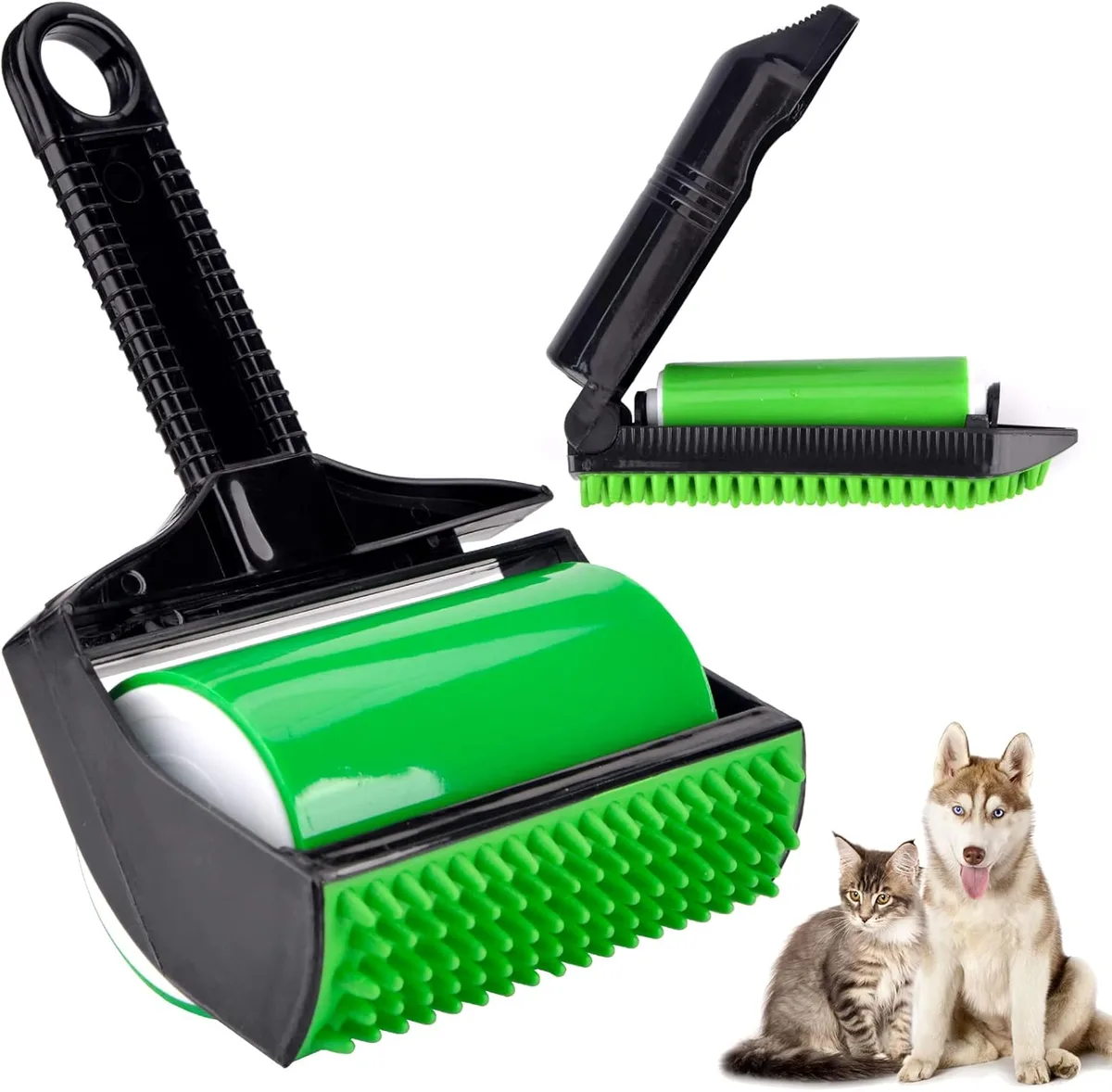
Image source: Bing (Web (fair-use with source credit))
Lint Rollers vs. Lint Brushes vs. Fabric Shavers: Which Tool Wins?
This is where things get confusing, because people use these terms interchangeably even though the tools do very different things. Let's clear it up.
A lint roller (sticky-sheet or reusable) removes loose debris from the surface of fabric. It picks up lint, dust, hair, and pet fur that's sitting on top of the fibers. It does not remove pilling.
A lint brush is a reusable tool with directional bristles or a fabric surface. You brush in one direction to collect debris, then clean the brush by swiping it against a surface or rinsing it. It works on the same principle as a lint roller but gives you more control over pressure and direction.
It's gentler on delicate fabrics and better for upholstery where you need to work in one direction.
A fabric shaver (also called a defuzzer or lint remover) is an entirely different device. It has a motorized blade underneath a guard that trims away pills, those little balls of tangled fiber that form on fabric from wear and washing. It does not remove lint or hair.
It removes the fuzz balls themselves.
Here's when to use each:
| Tool | Removes Lint | Removes Pet Hair | Removes Pills | Best Fabric Type |
|---|---|---|---|---|
| Lint roller (sticky) | Yes | Yes (surface level) | No | Cotton, polyester, wool blends |
| Lint roller (reusable) | Yes | Yes (good for embedded) | No | Upholstery, bedding, car seats |
| Lint brush | Yes | Moderate | No | Delicate fabrics, silk, loose weaves |
| Fabric shaver | No | No | Yes | Sweaters, fleece, pilled fabrics |
The mistake most people make is using a lint roller when they actually need a fabric shaver, or vice versa. If your sweater has pills all over it, rolling a lint roller over it won't fix the problem. You need a fabric shaver.
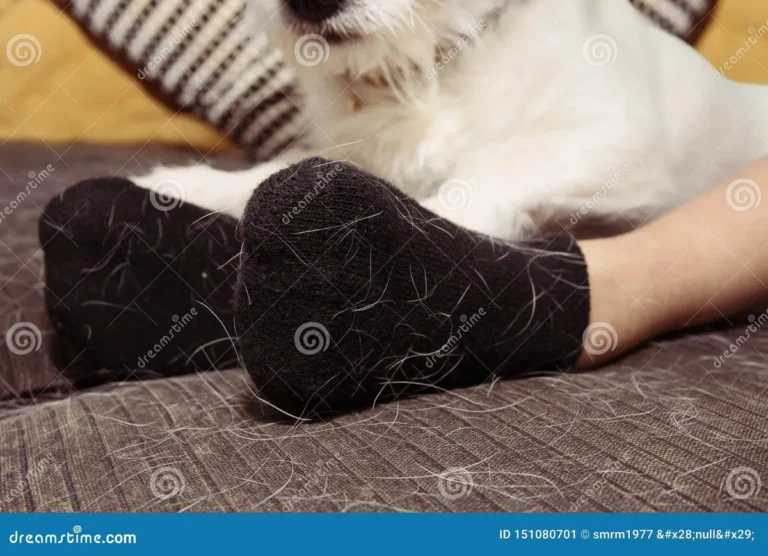
If your black coat is covered in cat hair, a fabric shaver won't help at all. You need a lint roller or brush.
For a full walkthrough on using fabric shavers correctly, including which fabrics are safe and which to avoid, check out our complete guide on how to use a fabric shaver. And if you're wondering whether a fabric shaver is safe on specific materials like cashmere, we cover that in detail in our article on using a fabric shaver on cashmere.
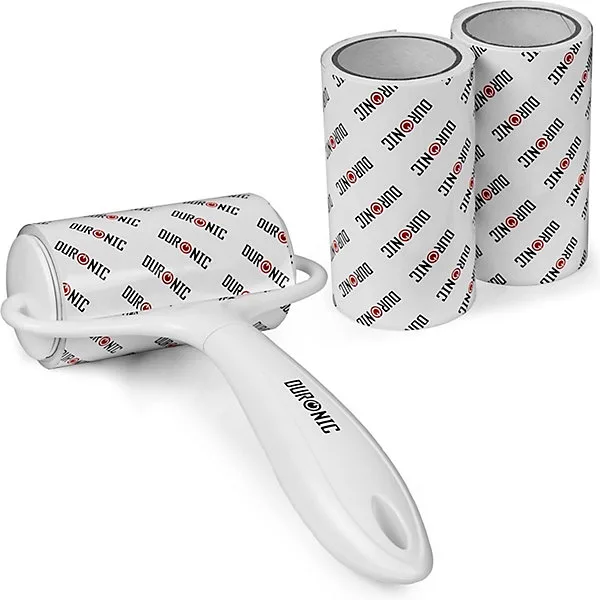
Image source: Bing (Web (fair-use with source credit))
The bottom line: most households benefit from having at least two of these tools. A lint roller for quick clothing cleanup and a fabric shaver for maintaining sweaters and fleece. If you have pets, add a lint brush or reusable roller for furniture.
Each tool solves a different problem, and using the right one makes a noticeable difference.
Best Lint Rollers for Pet Hair — What Actually Picks Up Embedded Fur
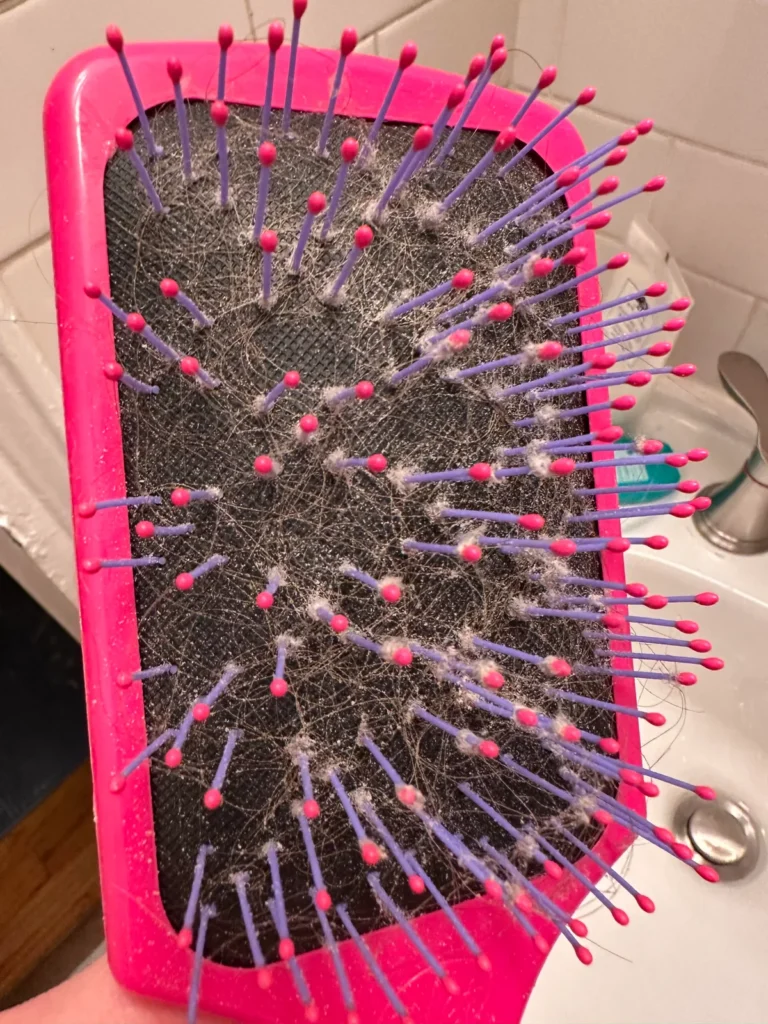
Pet hair is a different beast from regular lint. It's often finer, lighter, and embeds itself into fabric weave rather than sitting on top. A basic sticky-sheet roller might grab the surface layer, but the hair woven into the fibers stays put.
That's why pet-specific designs exist.
Chamber-style reusable rollers tend to outperform sticky sheets for embedded pet hair. The bristle-and-chamber mechanism physically pulls hair out of the fabric as you roll, rather than relying solely on surface adhesion. Aggregate reviews across major retail platforms consistently rate these designs higher for upholstery and car seats, where pet hair embeds most stubbornly.
For clothing, a heavy-duty sticky-sheet roller with stronger adhesive works reasonably well. Look for products marketed specifically for pet hair rather than general lint removal. The adhesive formulation is typically tackier, and the sheets are often wider to cover more surface area per pass.
A few practical tips make a real difference when dealing with pet hair:
- Roll in one direction only, not back and forth. This pulls hair out instead of redistributing it.
- Apply firm, consistent pressure. Light rolling skims the surface.
- For upholstery, work in sections and overlap your passes slightly.
- Clean your roller frequently during the session. A saturated roller stops picking up anything.
If you're battling pet hair on blankets and bedding, our guide on how to get rid of lint on blankets has additional techniques that work alongside a good roller.
How to Use a Lint Roller Without Damaging Your Clothes
Most people just roll away without thinking, but technique matters. Using a lint roller incorrectly can cause pilling, snagging, or adhesive residue, especially on delicate fabrics.
Use light to moderate pressure. Pressing too hard forces the adhesive deeper into the fabric weave, which can pull on fibers and create pilling over time. Let the adhesive do the work. A few gentle passes are more effective than one aggressive roll.
Roll in one direction. Going back and forth presses debris back into the fabric. Roll from top to bottom (or one consistent direction), lift the roller, and start the next pass slightly overlapping the previous one.
Avoid these fabrics with sticky rollers:
- Silk and satin (adhesive can pull fibers)
- Loosely woven wool (snagging risk)
- Velvet (can crush the pile and leave marks)
- Lace or open-weave fabrics (threads can catch)
For those materials, a lint brush is the safer choice. It gives you directional control and uses no adhesive at all.
Replace sheets before they're completely full. A sheet that's 80% covered still looks usable, but its effective adhesive area is mostly gone. You end up pressing a nearly dead sheet into the fabric, which is how residue gets left behind. Tear off early and often.
If you're prepping dark clothes for an event, our guide on how to remove lint from black clothes covers specific techniques for fabrics that show every speck.
Common Mistakes That Make Lint Rollers Less Effective
The number one mistake is using a lint roller on damp or wet fabric. Adhesion drops significantly on moisture. If your clothes came out of the dryer and still feel slightly damp, let them air dry completely before rolling.
You'll get dramatically better results.
Another frequent error is storing the roller improperly. Leaving a sticky-sheet roller exposed to dust and air degrades the adhesive on the outer sheets. Most rollers come with a plastic cover or clip.
Use it. If yours didn't come with one, a simple ziplock bag works fine.
Other mistakes worth avoiding:
- Using the same sheet for an entire garment. One sheet has limited capacity. For a full coat, expect to use two or three sheets.
- Rolling over buttons, zippers, or embellishments. These can tear the sheet and reduce its effectiveness on the next pass.
- Expecting a lint roller to remove stains or odors. It picks up debris. That's it. It doesn't clean.
- Buying the cheapest refill rolls available. Budget refills often have inconsistent adhesive and poor perforations, which leads to wasted sheets and frustration.
A less obvious mistake is using a lint roller as a substitute for proper fabric maintenance. If your sweaters are pilling heavily, a lint roller won't fix the underlying issue. You need a fabric shaver to remove the pills, and then a lint roller to clean up the loose fibers afterward.
They're complementary tools, not replacements for each other.
Travel Lint Rollers: What to Look for When You're on the Go
A good travel lint roller needs to be compact, self-contained, and effective enough to handle a full outfit. The worst ones are too small to be useful or so flimsy that the handle bends under pressure.
Look for a roller that's roughly 4 to 5 inches long with a diameter that fits comfortably in your hand. It should come with a protective cover or cap to keep the adhesive clean in your bag. Some travel models use a retractable design where the roller tucks into the handle, which keeps everything contained.
Key features to prioritize:
- At least 30 sheets per roll (travel sizes often skimp here)
- A secure cap or cover that won't pop off in your bag
- A handle that doesn't flex or bend
- Standard refill compatibility so you can buy replacements anywhere
Travel rollers with jumbo-width drums are tempting, but they're harder to use on small areas like collars and cuffs. A standard-width roller (around 4 inches) gives you more precision in tight spots.
If you travel frequently for business, consider packing both a travel sticky roller and a small lint brush. The roller handles quick full-garment passes, and the brush works on delicate fabrics where you don't want adhesive contact. Together they cover virtually every situation you'll encounter on the road.
How Much Do Lint Rollers Really Cost? Disposable vs. Reusable Breakdown
Let's talk numbers, because the cost difference between disposable and reusable adds up faster than most people expect.
A standard sticky-sheet lint roller with 50 sheets costs between $3 and $6. Refill rolls run $4 to $8 for a 2-pack of 50-sheet rolls. If you use one sheet per day (a reasonable estimate for someone who rolls clothes before work), you're going through roughly 365 sheets per year.
That's about 7 refill rolls, costing $14 to $28 annually.
A quality reusable lint roller costs $15 to $30 upfront. There are no refills. Over a year, the reusable option is cheaper if you're a daily user.
Over two years, the savings are significant.
Here's a rough cost comparison over two years:
| Option | Upfront Cost | Annual Refill Cost | Two-Year Total |
|---|---|---|---|
| Budget sticky roller + refills | $3 | $14-$28 | $31-$59 |
| Mid-range sticky roller + refills | $6 | $14-$28 | $34-$62 |
| Reusable lint roller | $15-$30 | $0 | $15-$30 |
The break-even point for a reusable roller is typically around 3 to 6 months of regular use. After that, you're saving money with every roll.
The environmental angle is worth mentioning too. Those 365 adhesive sheets per year per person add up. If you're looking to reduce waste, a reusable roller is the clear choice.
For more on lint-free fabric options that reduce the need for rollers in the first place, check out our guide on what fabric is lint free.
Eco-Friendly Lint Roller Options That Don't Sacrifice Performance
If waste reduction matters to you, reusable lint rollers are the obvious starting point. But there are disposable options getting greener too. Some brands now offer adhesive sheets made from recycled paper with plant-based adhesives.
They perform comparably to standard sheets, though they tend to cost 20 to 30 percent more.
Another option is a lint roller with a biodegradable roll core. Most standard rolls use a plastic or waxed cardboard core that doesn't break down easily. A few manufacturers have switched to uncoated recycled cardboard, which composts normally.
It's a small change, but it adds up across millions of units sold.
The most eco-friendly approach is still a reusable roller paired with a lint brush for delicates. Two tools, zero ongoing waste. If you're already using a reusable roller and want to minimize your impact further, look for one with a replaceable drum rather than a sealed unit.
When the surface eventually wears out, you replace just the drum instead of the entire handle.
Expert Tips Most People Don't Know About Lint Rollers
Freeze your sticky-sheet roller for 10 minutes before use. Cold adhesive grabs more effectively, especially on fine dust and dander that warm sheets tend to slide over. It's a small trick, but it noticeably improves pickup on the first pass.
For black clothes, roll in natural light. Overhead indoor lighting hides lint that daylight reveals. You'll catch stray fibers you'd otherwise miss.
Our guide on how to remove lint from black clothes has more fabric-specific advice.
If you don't have a lint roller handy, a strip of packing tape wrapped around your hand (sticky side out) works in a pinch. It's not as comfortable or precise, but it handles emergency touch-ups. For more alternatives, see our guide on how to remove lint without a lint roller.
One more tip: roll your clothes before putting them in the dresser, not just before wearing them. Lint transfers between garments in drawers. A quick pass before storage keeps everything cleaner longer.
Which Lint Roller Should You Actually Buy? Final Recommendation by Use Case
Here's the short version. If you need quick, occasional touch-ups on work clothes, grab a mid-range sticky-sheet roller with a travel cover. If you have pets, invest in a chamber-style reusable roller for furniture and a heavy-duty sticky roller for clothing.
If you're eco-conscious, go reusable across the board and keep a lint brush for delicates.
No single lint roller does everything perfectly. The right choice depends on what you're cleaning, how often, and what you're willing to spend over time. Pick the tool that matches your actual routine, not the one with the best packaging.
Frequently Asked Questions
Can you use a lint roller on upholstery?
Yes, lint rollers work well on most upholstery fabrics. Use a reusable roller or heavy-duty sticky sheets for best results. Avoid adhesive rollers on delicate or textured fabrics like velvet.
How often should you replace lint roller sheets?
Replace the sheet as soon as you notice reduced pickup, usually when it's about 70 to 80 percent covered. Using a nearly full sheet wastes time and can leave residue on fabric.
Do lint rollers work on pet hair?
They do, but effectiveness depends on the type. Chamber-style reusable rollers handle embedded pet hair best. Standard sticky sheets work for surface-level hair on smooth fabrics.
Can a lint roller damage fabric?
It can if used incorrectly. Avoid sticky rollers on silk, satin, loose weaves, and velvet. Use light pressure and roll in one direction to prevent snagging or pilling.
Are reusable lint rollers worth the money?
For daily or frequent users, yes. The break-even point is typically 3 to 6 months compared to buying disposable refills. They also produce significantly less waste over time.