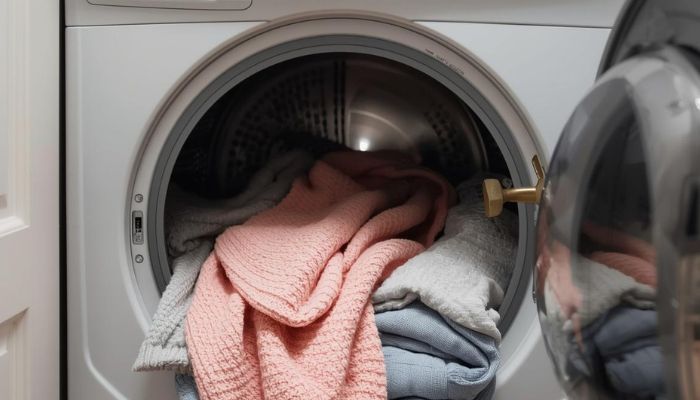
What Fabrics Attract Lint (2026) — Beginner-Friendly Guide
Ever pulled a black shirt out of the dryer only to find it covered in white fuzz? You're not alone. Understanding what fabrics attract lint is one of those laundry skills that saves you time, keeps your clothes looking sharp, and honestly makes the whole washing process less frustrating.
The answer comes down to three things: static electricity, surface texture, and fiber type. Some fabrics are lint magnets, others are lint producers, and a few are both. Once you know which is which, you can sort your laundry smarter and stop lint before it starts.
Per National Fire Protection Association guidelines as of 2026, dryer lint buildup also poses a documented fire risk, so getting this right matters beyond just appearances.
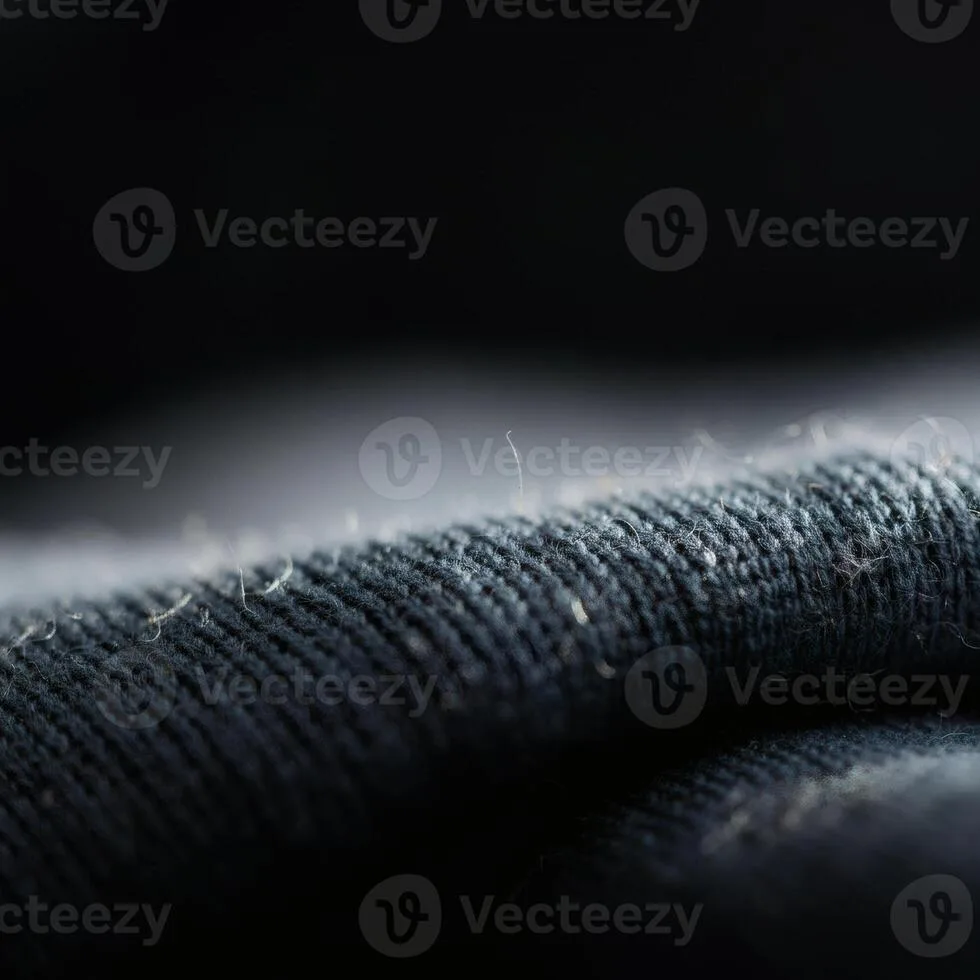
Image source: Bing (Web (fair-use with source credit))
Quick Answer
Synthetic fabrics like polyester, nylon, and acrylic attract the most lint because they hold static charge. Fuzzy natural fabrics like fleece, terry cloth, and flannel both shed lint and attract it. Smooth, tightly woven fabrics like silk, satin, and denim attract the least.
The key factors are static electricity, surface texture, and fiber type.
Why Some Fabrics Collect Lint and Others Don't
Lint doesn't randomly stick to things. There's actual science behind why your polyester hoodie looks like a lint magnet while your jeans stay clean.
Static electricity is the biggest culprit. Synthetic fibers like polyester and nylon build up electrical charge during washing and drying. That charge acts like a magnet for loose fibers floating around in your dryer drum. Natural fibers like cotton and linen don't hold static nearly as well, so they attract far less lint.
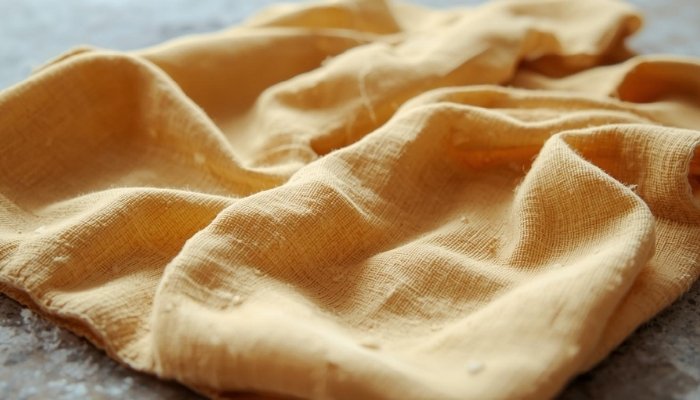
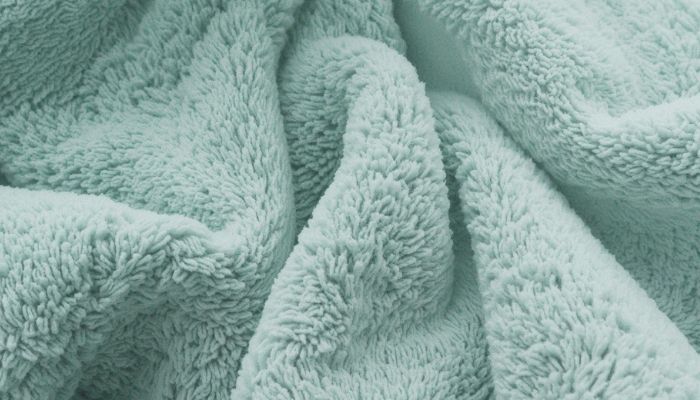
Surface texture matters just as much. Fabrics with a napped or brushed surface, think fleece, flannel, and terry cloth, have thousands of tiny fibers sticking up. Loose lint catches on those fibers and holds tight. Smooth fabrics like satin and silk give lint nothing to grab onto.
Fiber shedding plays a role too. Some fabrics don't just attract lint, they produce it. New fleece jackets, bath towels, and flannel sheets shed enormous amounts of fiber, especially in the first few washes. That loose fiber then migrates to everything else in the load.
The combination of high static charge and a rough, napped surface is what makes certain fabrics lint magnets. A polyester fleece blanket checks both boxes, which is why it's basically lint's favorite destination.
The Fabrics That Attract the Most Lint (And Why)
Not all fabrics are created equal when it comes to lint. Here's a breakdown of the worst offenders and what makes each one problematic.
Polyester fleece is the undisputed champion of lint problems. It sheds heavily because of its brushed, napped surface. It also holds strong static charge, which pulls lint from other fabrics right onto it.
If you've ever washed a fleece blanket with a load of towels, you know exactly what this looks like.
Microfiber is another big one. Those ultra-fine fibers create massive surface area, which means more contact points for lint to cling to. Microfiber cloths and jackets attract dust, pet hair, and lint like nothing else.
Acrylic and nylon don't shed as much as fleece, but their static charge is extremely high. They pull lint toward them even when they're not producing much themselves. That's why a nylon windbreaker can come out of the dryer covered in fuzz even though it looks smooth.
Cotton terry cloth and flannel are natural fibers, but their brushed surfaces shed tons of lint. Terry cloth towels are especially bad in the first five to ten washes. Flannel sheets and pajamas do the same thing.
Chenille is tufted by design, which means loose fibers are part of its structure. It sheds constantly and traps lint on its textured surface.
Here's a quick comparison of how common fabrics stack up:
| Fabric | Lint Shedding | Lint Attraction | Primary Cause |
|---|---|---|---|
| Polyester fleece | Very High | High | Napped surface + static |
| Microfiber | Low | Very High | Surface area + static |
| Acrylic | Moderate | High | Static charge |
| Nylon | Low | High | Static charge |
| Cotton terry cloth | High | Moderate | Brushed surface |
| Cotton flannel | High | Moderate | Napped surface |
| Wool | High | Moderate | Fiber shedding |
| Chenille | Very High | High | Tufted structure |
| Polyester | Low to Moderate | High | Static charge |
| Cotton (tight weave) | Low | Low | Smooth, tight weave |
| Denim | Very Low | Low | Tight heavy weave |
| Silk | Very Low | Very Low | Smooth, no static |
| Satin | Low | Low | Smooth surface |
| Linen | Low | Low | Smooth, minimal static |
| Canvas | Very Low | Low | Tight heavy weave |
If you're dealing with persistent lint on a specific garment, check where it falls on this table. That tells you whether the problem is the fabric itself or what you're washing it with. For more on removing lint once it's already there, our guide on how to remove lint from clothes in the dryer covers the best techniques.
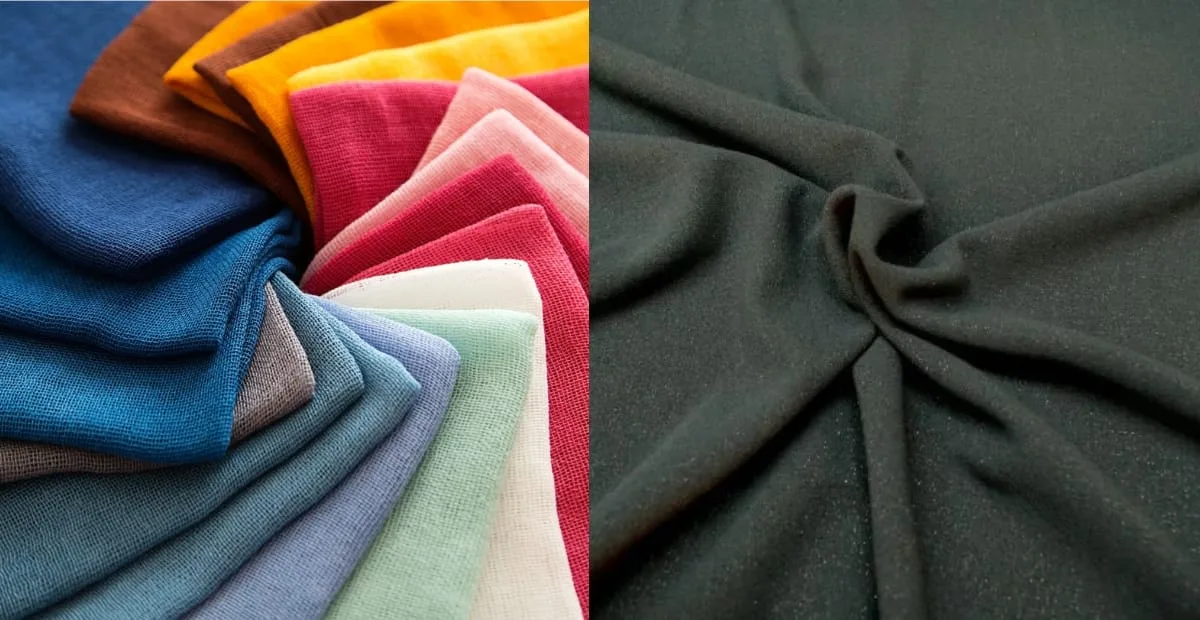
Image source: Bing (Web (Web (fair-use with source credit))
The Science Behind Lint Attraction: Static, Texture, and Fiber Type
Let's break down the three forces that determine whether a fabric attracts lint or stays clean.
Static Electricity
When two different fabrics rub together in a washer or dryer, electrons transfer from one surface to another. The fabric that gains electrons becomes negatively charged. The one that loses them becomes positively charged.
Opposite charges attract, so loose fibers jump from one garment to the other.
Synthetic polymers like polyester and nylon are insulators. They hold that charge instead of dissipating it. Cotton and other natural fibers are somewhat conductive, especially when they contain moisture.
They release static quickly, which is why they attract less lint.
Dry winter air makes this worse. Indoor heating can drop relative humidity below 20%, which is the perfect environment for static buildup. Keeping indoor humidity between 40 and 60% significantly reduces lint attraction on synthetics.
Surface Texture
A fabric's physical surface determines how easily lint can mechanically latch onto it. Napped fabrics like fleece and flannel have fibers that stand up from the base fabric, creating a dense field of tiny hooks. Loose lint catches on these fibers the same way burrs stick to a sweater.
Smooth fabrics like satin, silk, and tightly woven cotton present a flat surface. Lint has nothing to grip, so it slides off or stays airborne until the dryer vent pulls it away.
Brushed and mechanically raised surfaces are the worst offenders. The brushing process deliberately breaks surface fibers to create softness, but those broken fibers become lint traps.
Fiber Type and Length
Fabrics made from staple fibers, short individual fibers twisted together, shed more than those made from filament fibers, which are long continuous strands. Cotton and wool are staple fiber fabrics. Silk and synthetic filament fabrics like polyester taffeta are smoother and shed less.
But here's the twist. Polyester is a filament fiber that sheds less than cotton, yet it attracts more lint because of static. That's why fiber type alone doesn't tell the whole story.
You have to consider the combination of fiber type, surface treatment, and static behavior together.
Image source: Bing (Web (fair-use with source credit))
Fabrics That Produce Lint vs. Fabrics That Attract It
This is the distinction most people miss, and it changes how you should sort your laundry.
Lint producers are fabrics that shed their own fibers into the wash and dryer. These include fleece, terry cloth, flannel, chenille, and new towels. The fibers they release become lint that coats everything else in the load.
Lint attractors are fabrics that pull loose fibers toward them, even if they aren't shedding much themselves. Polyester, nylon, acrylic, and microfiber fall into this category. They're the ones that end up looking fuzzy and covered in other people's fibers.
The worst offenders are both. Polyester fleece sheds heavily AND attracts lint from other fabrics. That's why washing a fleece blanket with a mixed load is a recipe for disaster. Every other garment comes out covered in fleece fibers, and the fleece itself picks up lint from everything else.
Here's how to think about it in practice:
- Wash lint producers together. Fleece with fleece, towels with towels. The lint they shed will mostly re-adhere to similar fabrics, and you won't ruin your other clothes.
- Keep lint attractors away from lint producers. Don't wash your polyester workout shirts with a load of new bath towels. The towels will shed, and the polyester will collect every loose fiber.
- Smooth, tightly woven fabrics are your safe zone. Denim, canvas, silk, and satin neither shed nor attract much lint. These can generally be washed with almost anything without causing problems.
Understanding this difference is the single most effective thing you can do to reduce lint in your laundry. It's not about buying special products. It's about sorting smarter.
If you're specifically struggling with towel lint, our article on how to get rid of towel lint goes deeper into why towels are such heavy shedders and what to do about it.
How Fiber Type Affects Lint Behavior
Not all fibers behave the same way in a wash cycle. The material your clothing is made from determines whether it sheds, attracts, or stays neutral.
Natural Fibers
Cotton is a staple fiber, meaning it's made from short individual fibers spun together. That structure means cotton sheds more than filament fabrics, especially when the cotton has been brushed or napped, like flannel. Tightly woven cotton like denim or canvas sheds very little because the weave holds fibers in place.
Wool is another heavy shedder. Wool fibers have a scaly surface structure that causes them to cling to each other and to other fabrics. Wool garments release fibers during washing, and those fibers readily attach to synthetic fabrics in the same load.
Linen is made from long flax fibers and has a naturally smooth surface. It sheds less than cotton and attracts very little lint. It's one of the best choices if you want to avoid lint problems.
Silk is a natural filament fiber with an extremely smooth surface. It neither sheds nor attracts lint in any meaningful way. Silk is essentially lint-neutral.
Synthetic Fibers
Polyester is the most common synthetic in clothing. It's a filament fiber, so it doesn't shed much on its own. But it holds static charge extremely well, making it a powerful lint magnet.
Polyester fleece is the exception, its brushed surface sheds heavily while also attracting lint via static.
Nylon is smooth and doesn't shed much, but its static charge is even higher than polyester. Nylon windbreaker jackets and athletic wear are notorious for attracting lint and pet hair.
Acrylic is often used as a wool substitute. It's lightweight, holds static, and attracts lint readily. Acrylic sweaters and blankets are common lint problems in most households.
Spandex and elastane are usually blended with other fibers. On their own, they don't shed much, but their static charge contributes to lint attraction in blended fabrics like poly-cotton blends.
Blended Fabrics
Poly-cotton blends combine the worst of both worlds in some cases. The cotton component can shed, while the polyester component attracts lint via static. However, the blend ratio matters.
A 90/10 cotton-polyester blend behaves mostly like cotton. A 50/50 blend shows more lint attraction.
If you're choosing new clothes and lint is a concern, look for tightly woven fabrics with high natural fiber content. A 100% cotton twill or a linen shirt will give you far fewer lint problems than a polyester-cotton blend hoodie. For a full breakdown of which fabrics are truly lint-free, check out our guide on what fabric is lint free.
Fabric Weave and Texture: What Makes a Surface Lint-Prone
Weave tightness is just as important as fiber type when it comes to lint behavior. Two garments made from the same fiber can behave completely differently based on how tightly the threads are woven together.
A loose weave leaves gaps between threads. Fibers can slip free during washing and drying, which means more shedding. Those same gaps also give loose lint a place to nestle in and stay put.
Think of a cheap cotton jersey t-shirt versus a tightly woven cotton broadcloth shirt. The jersey sheds more and collects more lint every single time.
Thread count plays a role too. Higher thread count fabrics have more threads packed into each square inch, which creates a denser, smoother surface. That tightness holds fibers in place and gives lint less to grip. A 600-thread-count cotton sheet will shed far less than a 200-thread-count sheet made from the same cotton.
Pile height is another factor. Pile refers to the raised loops or tufts on a fabric's surface, like you'd find on terry cloth or velvet. The taller the pile, the more surface area exists for lint to catch on. Short-pile fabrics like pique cotton are much less problematic than long-pile fabrics like plush bath towels.
Brushed and napped finishes are the biggest texture concern. Brushing is a mechanical process that raises tiny fibers from the fabric surface to create softness. That softness comes at a cost. Those raised fibers break off easily during washing, becoming lint.
They also create a fuzzy surface that traps any lint already floating in the drum.
If you're shopping for new clothes or bedding and lint is a concern, feel the fabric before you buy. A smooth, tightly woven hand feel usually means fewer lint problems down the road. If it feels fuzzy or fluffy in the store, expect it to shed at home.
How to Sort Your Laundry to Minimize Lint Transfer
Sorting laundry by color alone isn't enough. To really control lint, you need to sort by fabric type and lint behavior.
Step 1: Separate lint producers from lint attractors. Put fleece, terry cloth, flannel, and new towels in their own load. Keep polyester, nylon, and microfiber in a different load. This prevents shed fibers from landing on static-prone synthetics.
Step 2: Wash new items separately for the first few cycles. New towels, blankets, and fleece garments shed the most during their initial washes. Three to five separate washes dramatically reduces the fiber release before you add them to mixed loads.
Step 3: Turn lint-prone garments inside out. This reduces surface friction during the wash cycle. Less friction means fewer fibers break free and less opportunity for lint to cling to the outer surface.
Step 4: Use mesh laundry bags for heavy shedders. A mesh bag containing a fleece blanket or chenille sweater will catch most of the fibers before they escape into the wash water. The bag lets water and detergent through while trapping loose fibers.
Step 5: Keep loads smaller than you think you need to. Overcrowding increases friction between garments. More friction means more fiber breakage and more lint transfer. Leave room for clothes to move freely.
Step 6: Wash dark and light lint-prone items separately. Even if lint transfer is minimal, white lint on black fabric is the most visible and annoying combination. Sorting by color within fabric groups keeps dark clothes looking clean.
This approach takes a few extra minutes but saves you from picking lint off every black shirt you own. For more specific advice on dealing with lint on dark garments, our guide on how to remove lint from black clothes has you covered.
Washing and Drying Habits That Reduce Lint Problems
How you wash and dry matters just as much as what you wash together. A few habit changes can cut your lint problems in half.
Use cold or warm water instead of hot. Hot water weakens fiber bonds and increases fiber breakage. Cold water is gentler on fabrics and releases less lint during the cycle. Reserve hot water for items that genuinely need sanitizing.
Choose a gentle or permanent press cycle. High-agitation cycles beat fabrics against each other and against the drum. That mechanical action breaks fibers loose. A gentle cycle reduces friction and keeps more fibers where they belong.
Don't overload the washer or dryer. Crowded drums create more friction between garments. Clothes need room to tumble freely. A load that's two-thirds full is the sweet spot for both washing and drying.
Add white vinegar to the rinse cycle. Vinegar acts as a natural fabric softener that reduces static without coating fibers like commercial softeners do. Less static means less lint attraction on synthetic fabrics.
Clean your dryer lint trap before every single load. A full lint trap can't catch new fibers. Those fibers either recirculate onto your clothes or accumulate in the vent system. Pulling the trap and wiping it takes five seconds and makes a real difference.
Consider line drying lint-prone items. The dryer drum is where most lint transfer happens. Hanging fleece, flannel, and synthetics to air dry eliminates the friction and static that cause lint problems. If you must use the dryer, use a low heat setting and remove items while they're still slightly damp.
Use wool dryer balls instead of dryer sheets. Wool balls reduce static naturally and help separate clothes in the drum for better airflow. They're reusable, chemical-free, and don't leave residue on fabrics like some dryer sheets do. If you want to know more about how dryer sheets affect lint, our article on do dryer sheets help with lint breaks down the pros and cons.
Products and Tools That Help Control Lint
You don't need a cabinet full of specialty products. A few well-chosen tools handle most lint situations effectively.
Lint rollers are the fastest way to remove surface lint from garments. Adhesive sheets pick up loose fibers without damaging fabric. Keep one in your laundry room and one in your car for quick touch-ups before you head out.
Fabric shavers go a step further by cutting away pilling, those little fiber balls that form on fleece, sweaters, and blankets. They don't prevent lint, but they restore the surface of fabrics that have already collected it. Our complete guide on how to use a fabric shaver covers technique and which fabrics are safe to shave.
Mesh laundry bags are essential for washing lint-producing items. A medium-sized bag holds a fleece blanket or a few pairs of terry cloth socks. The mesh traps shed fibers while still letting detergent and water circulate.
Wool dryer balls reduce static and shorten drying time. A set of three to six balls tossed in with your load helps separate garments and reduces the friction that causes lint transfer. They last for hundreds of dryer cycles.
Anti-static spray can be applied to synthetic garments before drying. It reduces the static charge that pulls lint toward polyester and nylon. A light mist is all you need.
Too much can leave residue.
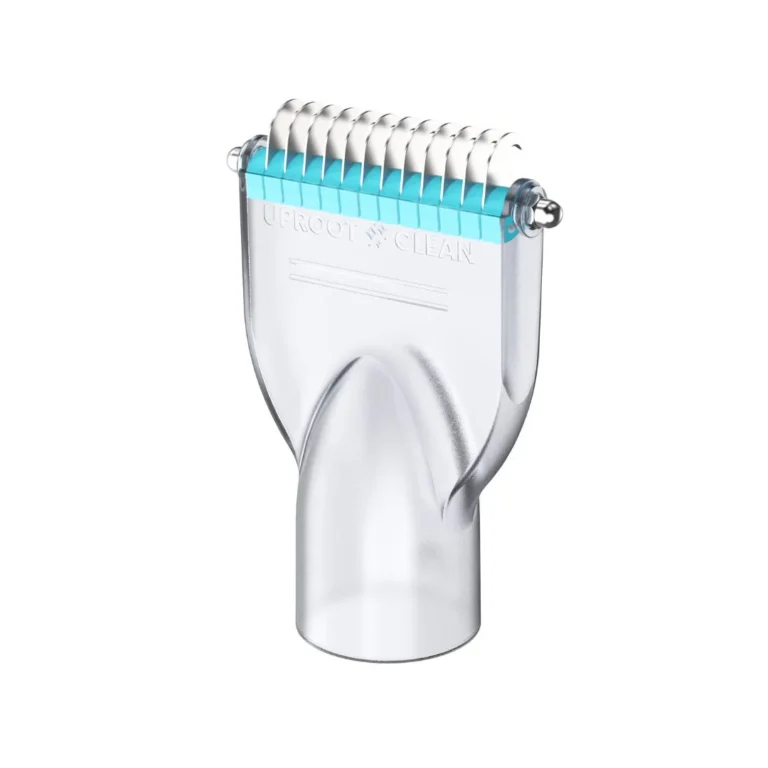
A dedicated lint brush with directional bristles works better than adhesive rollers for heavy lint on upholstery and curtains. The bristles grab fibers and hold them until you rinse the brush clean.
You don't need all of these. A lint roller, a mesh bag, and a set of wool dryer balls will handle 90% of household lint issues. Add a fabric shaver if you have a lot of fleece or knit sweaters in your wardrobe.
Common Mistakes That Make Lint Worse
Some habits that feel like they're helping actually make lint problems worse. Here are the ones to watch out for.
Washing everything together in one load. This is the single most common mistake. Fleece, towels, and flannel shed fibers that immediately coat your polyester and nylon garments. The result is lint everywhere.
Taking an extra few minutes to sort by fabric type prevents this entirely.
Using too much fabric softener. Commercial softeners coat fibers with a waxy residue that can actually increase lint on some fabrics. That residue also builds up over time, reducing absorbency on towels and trapping more lint on synthetic blends. If you use softener, use half the recommended amount.
Ignoring the lint trap. A clogged lint trap doesn't just reduce dryer efficiency. It recirculates loose fibers back onto your clothes with every cycle. Cleaning it before every load is the easiest lint prevention step most people skip.
Drying on high heat. High heat increases static charge and weakens fiber bonds. Both effects increase lint shedding and attraction. Use low or medium heat for synthetics and fleece.
Reserve high heat for sturdy cotton items like towels and jeans.
Overloading the dryer. When clothes can't tumble freely, they press against each other and the drum. That sustained contact transfers lint far more aggressively than free tumbling. If your dryer is packed tight, split the load.
Not replacing worn fabrics. Older fleece, towels, and flannel have broken-down fiber structures that shed more than newer versions. If a garment is pilling heavily and shedding lint no matter what you do, it may be time to replace it.
Washing new towels with dark clothes. New towels shed enormous amounts of lint in their first several washes. Washing them with black or dark-colored garments guarantees visible lint transfer. Always wash new towels separately at least three times before adding them to mixed loads.
Avoiding these mistakes is more effective than any product you can buy. Good laundry habits solve most lint problems before they start.
Lint and Dryer Safety: Why This Matters More Than You Think
Lint isn't just a cosmetic problem. It's a genuine fire hazard, and understanding the risk changes how seriously you should take dryer maintenance.
The National Fire Protection Association reports that U.S. fire departments respond to roughly 15,500 dryer-related fires every year. Lint buildup is the leading cause. Lint is highly flammable, and the heating element inside your dryer reaches temperatures well above 300 degrees Fahrenheit.
When lint accumulates in the trap, the vent hose, or inside the dryer cabinet, it only takes a spark or sustained heat to ignite it.
Clean the lint trap before or after every load. This is the single most important safety step. A clean trap captures the vast majority of loose fibers. A clogged trap lets lint bypass the screen and accumulate in places you can't see.
Inspect and clean the dryer vent hose at least once a year. Lint builds up inside the vent hose over time, restricting airflow. Restricted airflow causes the dryer to overheat, which increases fire risk. Disconnect the hose and use a vent brush or vacuum attachment to clear accumulated lint.
Don't run the dryer when you're not home or while you're sleeping. If a fire starts, you need to be awake and present to respond. This is a simple habit that could save your home.
Make sure the outdoor vent flap opens freely. A stuck or clogged exterior vent traps lint and heat inside the system. Check it periodically, especially in winter when ice or debris can block the opening.
Fabrics that shed heavily, fleece, terry cloth, flannel, contribute more lint to your dryer system. If you wash these items frequently, you may need to clean your vent system more than once a year. The extra fiber volume adds up fast.
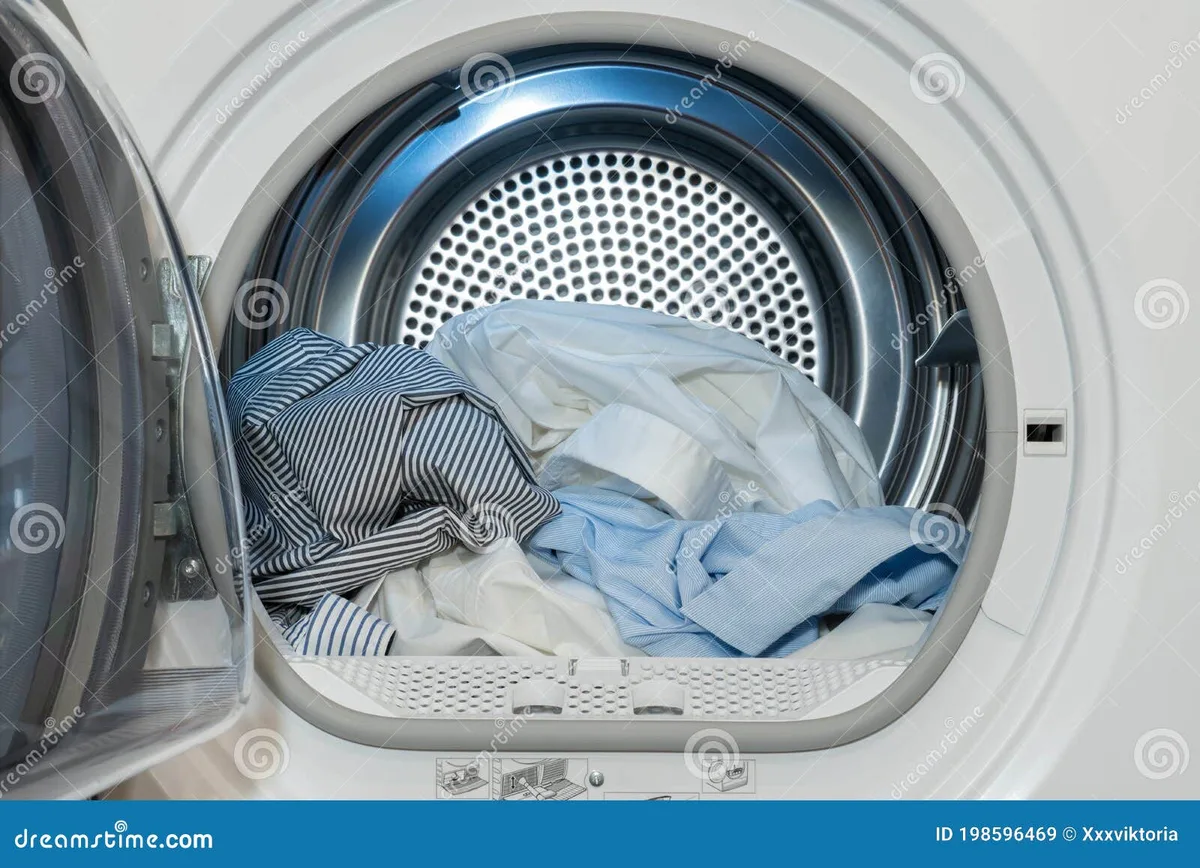
Image source: Bing (Web (fair-use with source credit))
Expert Tips for Keeping Lint Under Control Long-Term
Preventing lint is an ongoing process, not a one-time fix. These habits keep lint manageable over months and years.
Replace old fleece and tattered towels. Fabrics break down over time. A five-year-old fleece blanket sheds far more than a new one. When pilling and shedding get worse despite proper washing, it's time to retire the item.
Maintain indoor humidity between 40 and 60 percent. A small humidifier in your laundry area during winter months dramatically reduces static buildup. Less static means less lint attraction on synthetics.
Use a fabric shaver regularly on fleece and knitwear. Removing pilling before those fiber balls break off and become loose lint keeps the problem contained. A quick pass with a shaver every few weeks makes a noticeable difference.
Keep a lint roller near your closet. A quick roll before you head off catches lint that accumulated during storage. It takes ten seconds and keeps your clothes looking fresh.
Wash new towels five times before using them with other laundry. Those first few washes remove the bulk of loose surface fibers. After that, shedding drops significantly.
Check your dryer vent system annually. Even if you clean the lint trap religiously, lint accumulates in the vent hose and ductwork. A professional vent cleaning every one to two years keeps airflow strong and fire risk low.
Frequently Asked Questions
What fabric attracts lint the most?
Polyester fleece attracts and produces more lint than any other common fabric. Its brushed surface sheds heavily while its high static charge pulls loose fibers from other garments. Microfight and acrylic are also strong lint magnets due to static buildup.
Does cotton attract lint?
Tightly woven cotton like denim or canvas attracts very little lint. Brushed cotton like flannel sheds lint readily and attracts a moderate amount. The weave tightness and surface treatment matter more than the fiber itself.
How do I stop lint from ruining my black clothes?
Wash dark clothes separately from lint-producing fabrics like fleece and towels. Turn dark garments inside out before washing. Use cold water and a gentle cycle.
Remove clothes from the dryer while slightly damp to minimize static. Finish with a lint roller before wearing.
Do dryer sheets actually help with lint?
Dryer sheets reduce static on synthetic fabrics, which does reduce lint attraction. However, they also leave a waxy residue on fabrics over time. Wool dryer balls achieve similar static reduction without the residue and are reusable for hundreds of cycles.
Why do my new towels produce so much lint?
New towels have loose surface fibers from the manufacturing process. These fibers release during the first several washes. Washing new towels separately for three to five cycles removes the bulk of loose fiber before you add them to regular loads.
Can lint in my dryer vent cause a fire?
Yes. Lint is highly flammable and accumulates in vent hoses and ductwork over time. Restricted airflow from lint buildup causes overheating.
The NFPA identifies lint as the leading cause of dryer fires. Cleaning the lint trap every load and the vent system annually significantly reduces this risk.