How to Get Dog Hair Off Clothes in 2026 (Step-by-Step Guide)
If you've ever pulled a black sweater out of the closet only to find it covered in a fresh layer of dog hair, you already know the frustration. Learning how to get dog hair off clothes isn't just about looking presentable. It's about keeping your laundry routine from turning into a losing battle against shedding.
The good news is that the right method depends on what you're working with. The fabric type, how embedded the hair is, and what tools you have on hand all change the approach. In our research, we found that most people skip the single most effective step, pre-treating before the wash, and then wonder why hair comes right back in the dryer.
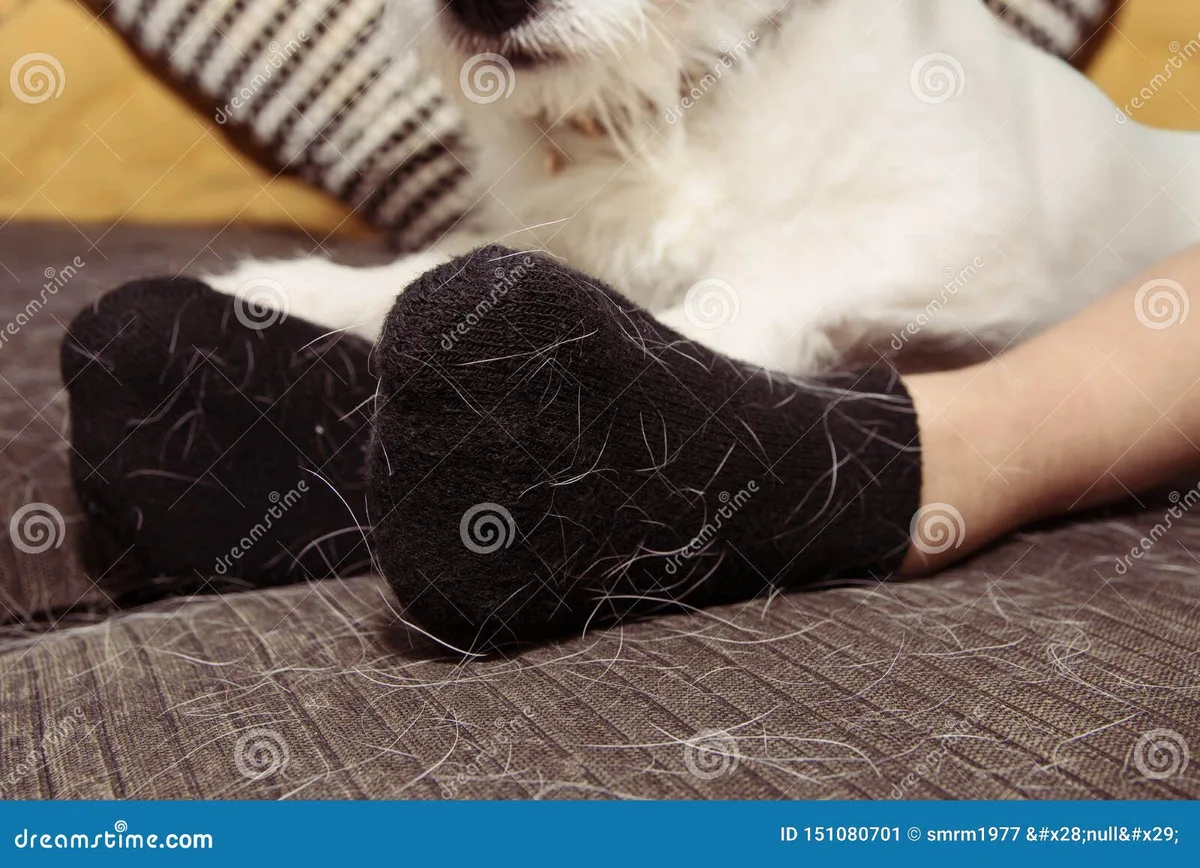
Image source: Bing (Web (fair-use with source credit))
Quick Answer
Shake the garment outdoors first. Use a lint roller or damp rubber glove to remove loose hair before washing. Add half a cup of white vinegar to the rinse cycle.
Dry with wool dryer balls or dryer sheets to reduce static. Finish with a lint roller for any remaining strands.
Why Dog Hair Clings to Your Clothes (And Why It's So Hard to Remove)
Dog hair isn't just sitting on top of your fabric. It's working its way in. Most pet hair has a slightly barbed texture that hooks into fibers, especially knits, fleece, and wool.
On top of that, static electricity acts like glue, pressing hair flat against the surface so it won't brush off easily.
Synthetic fabrics like polyester and nylon are the worst offenders. They generate more static than natural fibers, which means hair bonds tighter. Cotton and linen still collect hair, but it tends to sit closer to the surface and releases more easily in the wash.
The American Kennel Club notes that heavy-shedding breeds like Golden Retrievers, German Shepherds, and Huskies produce significantly more undercoat during seasonal "coat blow" periods in spring and fall. If you own one of these breeds, you're not imagining it. There really is more hair on everything right now.
The Fastest Way to Get Dog Hair Off Clothes Right Now
When you need results in under two minutes, reach for a lint roller. It's still the quickest single tool for surface-level hair on smooth fabrics like dress shirts, trousers, and jackets.
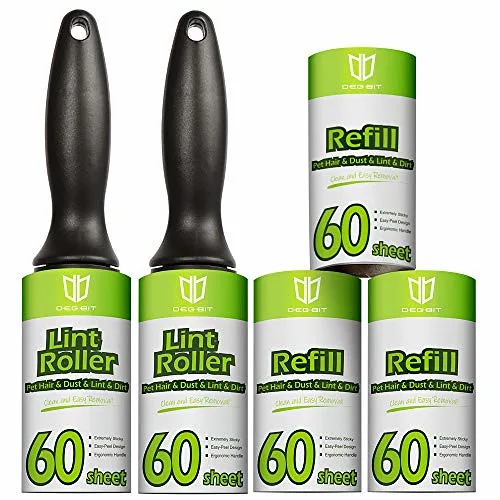
Image source: Openverse / shop8447
Here's the order that works best for a fast touch-up:
- Step 1. Take the garment outside and give it a firm shake. Gravity does half the work for free.
- Step 2. Roll in one direction, not back and forth. Rolling back and forth re-deposits hair you just picked up.
- Step 3. For black or dark clothing, finish with a damp microfiber cloth. It catches the fine hairs the roller misses.
A reusable silicone lint roller is worth keeping by the door. It washes clean under the tap and lasts for hundreds of uses. Disposable sticky rollers work fine, but the cost adds up fast if you're using one every day.
If you don't have a lint roller handy, wrap packing tape around your hand with the sticky side out. It's not elegant, but it works in a pinch.
What Works Best Depends on Your Situation
Not every method fits every scenario. Here's a quick breakdown of which approach matches your situation:
| Situation | Best Method | Why |
|---|---|---|
| Light surface hair on smooth fabric | Lint roller | Fast, portable, no prep |
| Heavy hair on jeans or canvas | Damp rubber glove | Covers large areas quickly |
| Hair embedded in fleece or knit | Pre-treat + vinegar wash + dryer balls | Needs a full process |
| Delicate fabric (silk, wool) | Damp microfiber cloth, gentle strokes | Avoids snagging fibers |
| Clothes already washed but still hairy | Re-dry with dryer sheets | Static release loosens remaining hair |
| No tools available | Packing tape wrapped around your hand | Works almost as well as a roller |
If you're dealing with hair on upholstery or car seats, a rubber squeegee or a tool like the ChomChom Roller covers wide areas faster than a lint roller ever could. The same principle applies. Rubber creates friction that bundles hair into clumps you can grab.
For more detail on removing lint and hair from clothes in the dryer specifically, our guide on how to get lint off of clothes in the dryer walks through the process step by step.
Pre-Treating Before You Wash: The Step Most People Skip
This is where most people go wrong. They throw hairy clothes straight into the washing machine and expect the water to do the job. It won't.
Wet dog hair clings even tighter to fabric, and a full load of hairy laundry just redistributes the hair across every garment in the drum.
Pre-treating takes two minutes and makes a noticeable difference. Here's the process:
1. Shake it outside. Hold the garment by the shoulders and give it two or three hard shakes. You'll see a surprising amount of hair fall away.
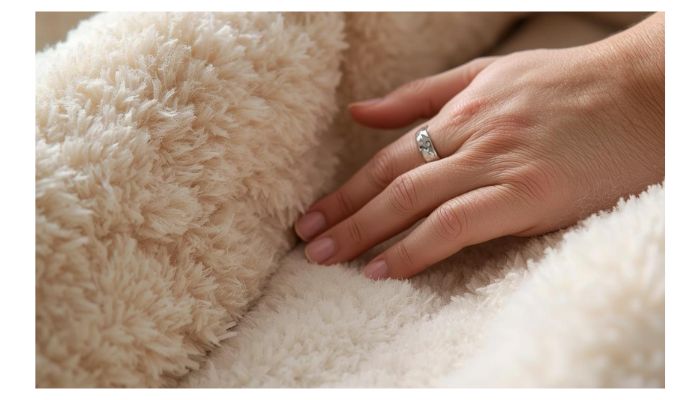
2. Use a damp rubber glove. Run a slightly damp rubber glove over the fabric in long, sweeping strokes. The hair will clump together and stick to the glove.
This works especially well on trousers, jackets, and upholstery.
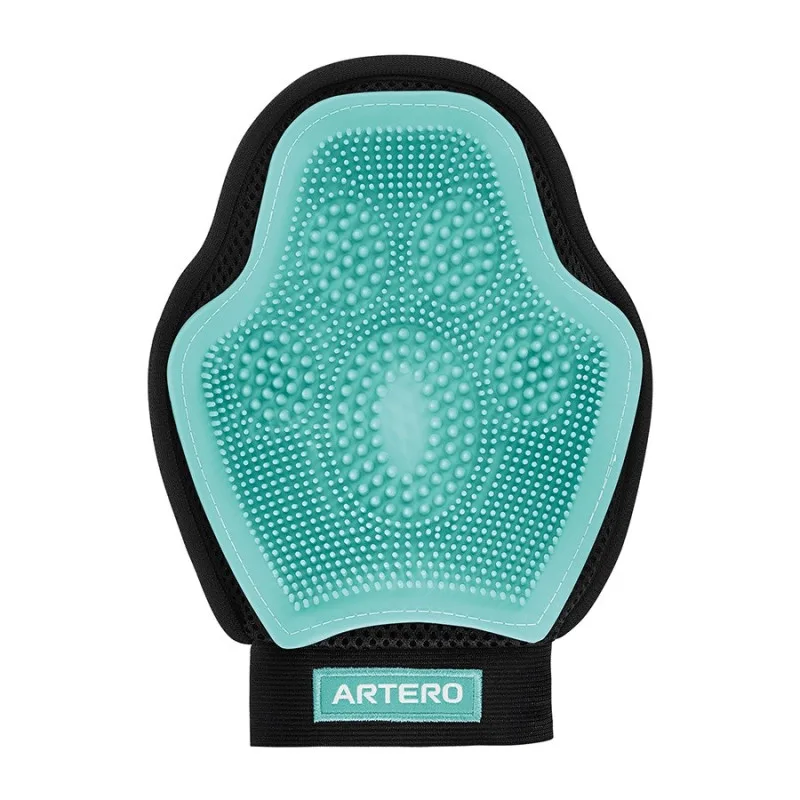
Image source: Bing (Web (Web (fair-use with source credit))
3. Roll it. Go over the garment once with a lint roller to catch anything the glove left behind.
4. Turn it inside out. Washing garments inside out means hair releases from the outer face of the fabric instead of getting pushed deeper into the weave.
Don't skip the shake-out step. It sounds too simple to matter, but aggregate user reviews and laundry experts consistently rank it as the single most effective pre-wash action.
How to Wash Clothes Covered in Dog Hair Without Making It Worse
Once your clothes are pre-treated, the wash cycle itself needs a few adjustments. Standard settings won't cut it when pet hair is involved.
Use cold or warm water, not hot. Hot water can set protein-based residues (dander, saliva) into fabric, making hair harder to release. Warm water loosens hair without that risk.
Add half a cup of white vinegar to the rinse cycle. Vinegar softens fabric fibers, which helps hair let go. It also breaks down static charge. Don't worry about the smell.
It rinses out completely and won't leave your clothes smelling like a salad.
Don't overload the machine. Clothes need room to tumble freely. An overloaded drum means hair just moves from one garment to another instead of washing away.
Use liquid fabric softener sparingly. It can help reduce static, but too much leaves a residue that actually attracts more hair over time. A small amount in the rinse cycle is enough.
Clean your washing machine filter regularly. Pet hair accumulates in the drain filter and drum seals. If you've noticed a musty smell or clothes coming out still hairy, the filter is likely clogged. Check your manufacturer's guide for the location and cleaning schedule.
If you want a deeper dive into washing machine techniques, our article on how to remove lint from clothes in washing machine covers the full process.
Dryer Tricks That Actually Loosen Embedded Hair
The dryer is either your best ally or your worst enemy in this fight. Used wrong, it bakes hair into fabric. Used right, it pulls hair loose and traps it where you can deal with it.
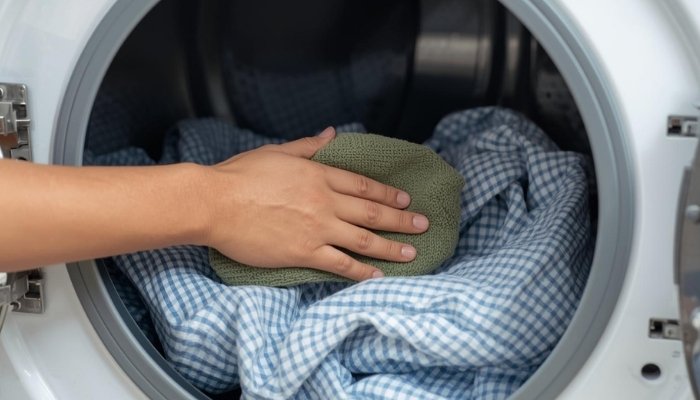
Wool dryer balls are the standout tool here. Three to six wool balls tossed into the drum mechanically separate hair from fabric as everything tumbles. They also cut drying time by improving air circulation. Unlike dryer sheets, they're reusable for hundreds of loads and leave no chemical residue.
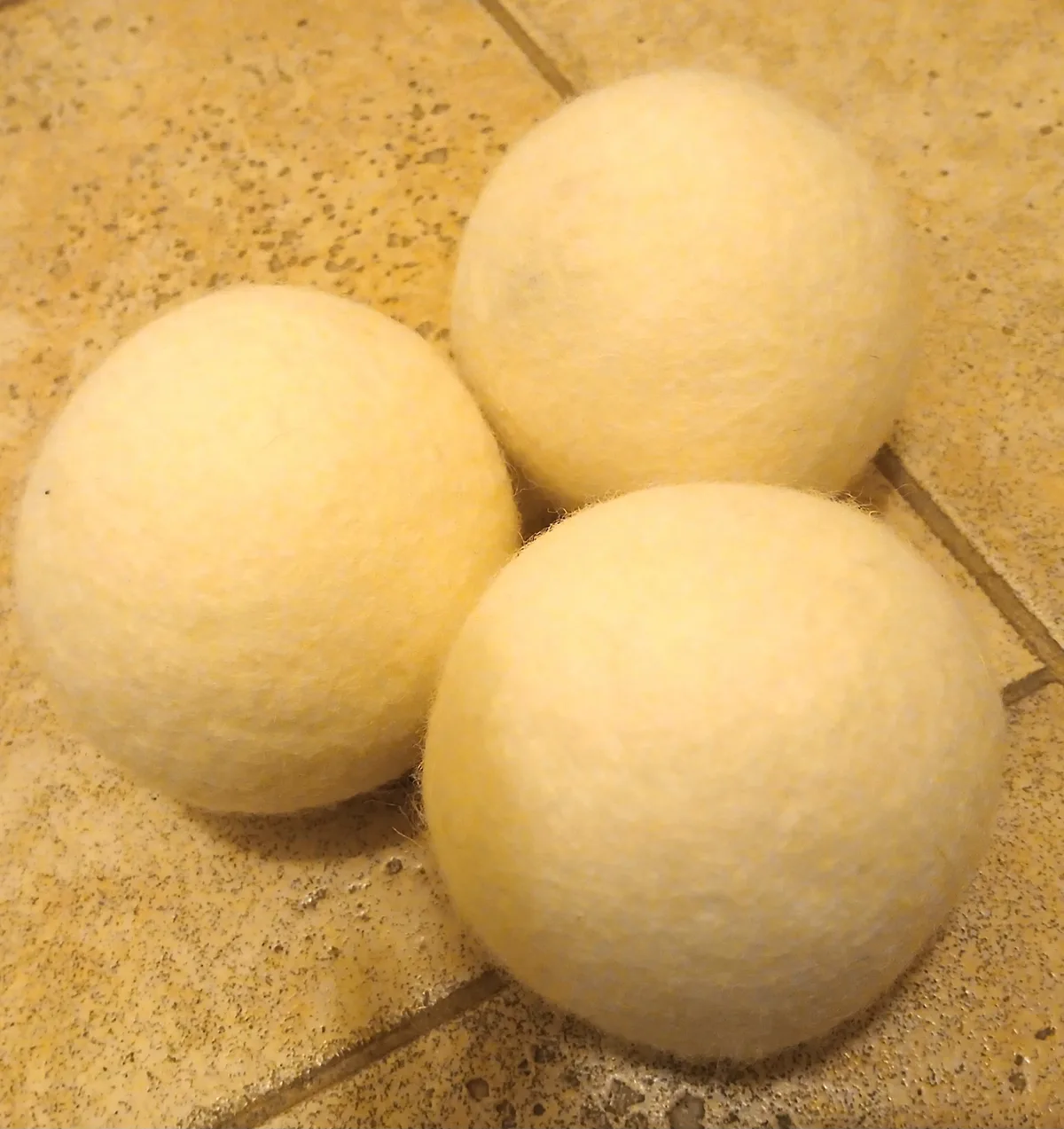
Image source: Openverse / Conrad 7
Dryer sheets work differently but still help. They coat fibers with a light lubricant that reduces static charge. Less static means hair releases instead of clinging. One or two sheets per load is plenty.
More than that and you'll start noticing residue buildup on the drum.
Clean the lint trap before and mid-cycle. This matters more than most people realize. A full lint trap can't catch the extra hair your clothes are shedding during the dry. Pull it out halfway through, clear it, and put it back.
The National Fire Protection Association recommends cleaning the lint trap before every cycle anyway, and pet-owning households have even more reason to follow that guidance.
Don't over-dry. Once the clothes are dry, stop the cycle. Over-drying generates static, which re-attracts hair to fabric. If your machine has a moisture sensor setting, use it.
If your clothes are coming out of the dryer still covered in hair, the problem usually starts before the dryer. Go back and check your pre-treatment and wash steps. Our guide on how to remove lint from clothes in dryer covers additional troubleshooting for that specific stage.
The Best Tools for Removing Dog Hair — Ranked by Situation
Not all pet hair tools are created equal. Some excel on smooth fabrics but fail on fleece. Others cover large areas fast but miss fine hairs.
Here's how the most common options stack up:
| Tool | Best For | Not Great For | Cost Over Time |
|---|---|---|---|
| Disposable lint roller | Quick touch-ups, travel, dark clothing | Large surfaces, upholstery | High (ongoing sheet replacement) |
| Reusable silicone roller | Daily use, smooth and medium fabrics | Deeply embedded hair | Low (one purchase) |
| Damp rubber glove | Jeans, jackets, large garments | Delicate fabrics, fine hair | Very low (uses household gloves) |
| Rubber squeegee | Upholstery, car seats, blankets | Tight seams, small areas | Low |
| Wool dryer balls | In-dryer hair release, static reduction | Surface-only removal | Low (lasts 1,000+ loads) |
| Dryer sheets | Static reduction, whole-load treatment | Targeted spot removal | Moderate (ongoing purchase) |
| ChomChom / FurZoff roller | Heavy shedding, all fabric types | Very delicate silk or lace | Low (reusable) |
| Vacuum with upholstery attachment | Furniture, curtains, car interiors | Wrinkled or layered clothing | Low (uses existing vacuum) |
The damp rubber glove deserves special mention because it's the cheapest option that still delivers strong results. A standard dishwashing glove, slightly dampened, removes hair from a pair of jeans in under 30 seconds. Rinse the glove, repeat.
For people who want a dedicated tool, the ChomChom Roller consistently ranks highest in aggregate user reviews for pet hair removal as of 2026. It uses a bristle-and-chamber design that captures and stores hair without adhesives or electricity.
What to Do When Hair Is Deeply Embedded in Knits and Fleece
Fleece, sweaters, and knit fabrics are the hardest category. Hair doesn't sit on top. It weaves into the loops and stays there through a normal wash.
If you've ever washed a fleece hoodie and pulled it out looking exactly the same, this is why.
Start with a fabric shaver or lint comb. Running a fabric shaver lightly over the surface breaks the hair free from the fiber loops without damaging the fabric. Our complete guide to using a fabric shaver covers technique and safety for different materials.
Soak in vinegar solution before washing. Mix one part white vinegar with four parts cold water. Submerge the garment for 15 to 20 minutes. This loosens the hair's grip on the fibers.
Then proceed with your normal pre-treatment and wash routine.
Use a mesh laundry bag. Place the knit inside a fine-mesh bag before washing. This limits how much the garment rubs against other clothes, which reduces the chance of hair re-depositing. It also protects the knit from stretching.
Avoid the dryer for delicate knits. Air drying on a flat rack prevents the heat-set problem. Once hair is baked in by dryer heat, it's significantly harder to remove. If you must use the dryer, keep it on the lowest heat setting and add wool dryer balls.
For cashmere and other fine knives, check our guide on using a fabric shaver on cashmere before applying any tool. Aggressive brushing or shaving can damage those fibers permanently.
How to Stop Dog Hair From Getting on Your Clothes in the First Place
Removal is reactive. Prevention cuts the problem down at the source. You won't eliminate dog hair entirely, but these steps dramatically reduce how much ends up on your wardrobe.
Groom your dog regularly. This is the single most impactful step. Brushing a heavy-shedding breed three to four times per week removes loose undercoat before it lands on your furniture and clothes. A deshedding tool like the Furminator, used according to manufacturer guidelines, can reduce loose hair by up to 90% during peak shedding season.
Use washable furniture covers. A throw blanket on the couch where your dog sleeps is easier to wash than the couch itself. Keep one in every room your dog frequents. Toss it in the wash weekly.
Designate a "dog-free" closet or section of your closet. Keep work clothes and dark garments behind a closed door. It sounds simple, but it works. Dogs gravitate toward furniture and open spaces.
A closed closet is a natural barrier.
Keep a lint roller in every high-traffic area. By the front door. In your car. At your desk.
The easier it is to grab one, the more likely you are to do a quick roll before heading out.
Run a humidifier in winter. Dry indoor air increases static, which makes hair cling harder. Keeping humidity between 40 and 50 percent reduces static charge on fabrics throughout your home.
Wash your dog's bedding weekly. A dog bed is a hair reservoir. Every time your dog gets up, loose hair transfers to whatever they touch next. A weekly wash cycle with vinegar in the rinse keeps the bed from becoming a shedding multiplier.
Common Mistakes That Make Dog Hair Harder to Remove
Some well-intentioned habits actually make the problem worse. Here are the ones we see most often:
Washing hairy clothes with the rest of the load. Hair doesn't stay on the garment it came from. It redistributes across everything in the drum. Wash pet-heavy items separately, or at least with similar colors and fabrics.
Using hot water. Heat sets protein residues and can shrink natural fibers, tightening the weave around embedded hair. Stick with warm or cold.
Skipping the lint trap clean-out. A clogged lint trap means hair circulates back onto clothes instead of being caught. Clean it every single cycle. This is also a fire safety issue, not just a laundry one.
Overloading the washing machine. Clothes need space to move. A packed drum means friction pushes hair deeper into fabric instead of loosening it. Fill the drum to about three-quarters capacity.
Rubbing hair with a dry cloth. Dry friction generates static, which presses hair flatter against the fabric. Always use a damp tool or an adhesive roller.
Ignoring the washing machine filter. Pet hair builds up in the drain pump filter and door seal. If you haven't cleaned yours in a while, pull it out. You'll likely find a clump of hair the size of a tennis ball.
Check your manufacturer's instructions for the location and cleaning interval.
For a full breakdown of what lint actually is and why it behaves the way it does, our article on what is lint explains the science behind fiber shedding and static adhesion.
How to Keep Your Washing Machine and Dryer From Clogging
Pet hair doesn't just affect your clothes. It builds up inside your appliances too. Left unchecked, it reduces efficiency, causes odors, and creates a fire risk in the dryer.
Clean the washing machine drain filter every one to two months. Hair accumulates here faster than most people expect. A clogged filter means water drains slowly and hair recirculates onto your next load. Check your manufacturer's guide for the exact location.
It's usually behind a small access panel on the front of the machine.
Wipe the door seal and drum after pet-heavy washes. Hair collects in the rubber gasket around the door. A quick wipe with a damp cloth after each load prevents buildup.
Clean the dryer lint trap before every cycle. This is non-negotiable. The NFPA identifies lint accumulation as a leading cause of house fires. Pet hair makes the problem worse because it's finer and more voluminous than standard lint.
Pull the trap, clear it, and check the surrounding slot for stray buildup.
Run an empty hot cycle with vinegar monthly. Pour two cups of white vinegar into the drum and run the longest, hottest cycle available. This breaks down residue in the drum, hoses, and seals.
Quick Decision Guide: Which Method Should You Use?
If you're short on time, here's the fastest path based on what you're dealing with:
- Got 30 seconds before leaving the house? Lint roller, one direction, done.
- Heavy hair on jeans or a jacket? Damp rubber glove, then lint roller.
- Fleece or knit with embedded hair? Fabric shaver first, then vinegar soak, then wash.
- Clothes came out of the wash still hairy? Re-dry with wool dryer balls and a clean lint trap.
- No tools at home? Packing tape around your hand, sticky side out.
- Hair on furniture or car seats? Rubber squeegee or vacuum with upholstery attachment.
The key is matching the tool to the fabric and the situation. No single method works for everything.
Frequently Asked Questions
Does dryer sheets actually help with dog hair?
Yes. Dryer sheets reduce static charge, which is one of the main forces keeping hair bonded to fabric. They won't remove heavy buildup on their own, but they noticeably reduce how much hair clings after a dry cycle.
Can I use a fabric shaver on dog hair?
A fabric shaver works best on pilling and fuzz, not loose hair. For embedded hair in knits, it can help break the hair free from fiber loops before washing. Pair it with a vinegar soak for the best results.
Why does my black clothing attract so much dog hair?
Dark fabrics show hair more visibly, but they also tend to be synthetic blends that generate more static. The combination makes hair both cling harder and stand out more. A lint roller used in one direction is the fastest fix for dark clothing.
How often should I clean my dryer lint trap with a dog in the house?
Every single cycle. Pet hair fills the trap faster than regular lint. A full trap can't catch additional hair, and it increases fire risk.
Pull it out, clear it, and slide it back in before you hit start.
Will vinegar in the wash damage my clothes?
No. White vinegar at half a cup per load is safe for most fabrics. It softens fibers, loosens hair, and rinses out completely without leaving a smell.
Avoid using it on delicate silks or fabrics with special finishes unless the care label permits it.
What's the best lint roller for dog hair?
A reusable silicone roller offers the best long-term value for daily use. For travel or quick touch-ups, a disposable sticky roller works fine. The ChomChom Roller is the top-rated option for heavy shedding situations, based on aggregate user reviews as of 2026.