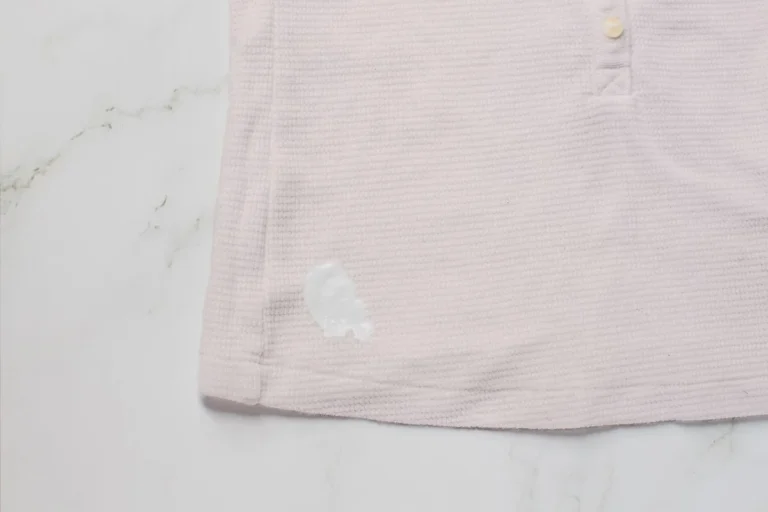
How to Get Nail Polish Out of Fabric for 2026: Easy Methods
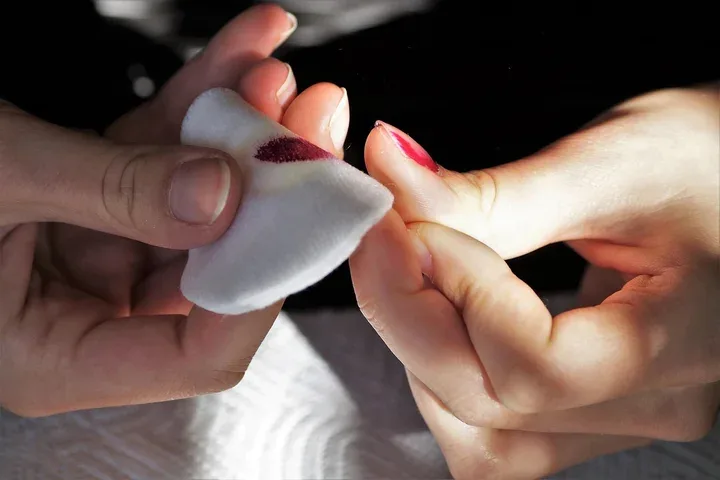
Image source: Bing (Web (fair-use with source credit))
How to Get Nail Polish Out of Fabric
Spilled nail polish on your favorite shirt or couch cushion? You're not alone, and the clock is already ticking. Nail polish bonds to fabric fibers within seconds, and the longer it sits, the harder it becomes to remove.
The good news: with the right approach, most stains come out completely, even from everyday cotton and polyester.
The key is matching your removal method to the fabric type and the stain's age. Acetone-based nail polish remover works fast on synthetic fibers but can destroy silk and wool on contact. Non-acetone removers are gentler but may need more time and repetition.
According to textile research published in the Textile Research Journal, solvent effectiveness drops sharply once nail polish fully polymerizes, which typically happens within 10 to 15 minutes of air exposure. That's why your first move matters more than any product you reach for.
Quick Answer
How to get nail polish out of fabric starts with acting fast. Blot the spill immediately with a clean white cloth. Do not rub.
Apply acetone-based remover to cotton or polyester. Use non-acetone remover on delicate fabrics. Rinse with cold water.
Repeat if needed. Machine wash on cold once the stain is gone.
Why Nail Polish Stains Fabric So Fast (And Why Timing Matters)
Nail polish is essentially a liquid polymer suspended in a volatile solvent. When it hits fabric, the solvent begins evaporating within seconds, leaving behind a sticky resin that bonds to individual fibers. On porous fabrics like cotton, that resin wicks deep into the weave almost immediately.
On synthetics like polyester, it sits on the surface but still forms a strong mechanical bond.
The critical window is the first 30 to 60 seconds. During this time, the polish is still partially dissolved and can be lifted out with minimal solvent. After about two minutes, the polymer starts cross-linking, and you're no longer dealing with a liquid spill.
You're dealing with a bonded coating. That's the difference between a five-minute cleanup and a stain that survives three rounds of treatment.
Heat makes everything worse. If you toss a polish-stained garment in the dryer before the stain is fully gone, the heat reactivates the polymer and essentially bakes it into the fabric. Always air-dry until you're certain the stain is completely removed.
How Nail Polish Bonds to Fabric (And Why Some Fabrics Are Worse Than Others)
Not all fabrics react the same way to nail polish, and understanding why helps you choose the right removal strategy.
Cotton is highly absorbent. Nail polish penetrates deep into the fibers, which means surface wiping won't cut it. You need a solvent that can reach the resin inside the weave.
Acetone works well here because it dissolves the polymer and evaporates quickly, carrying residue with it.
Polyester and nylon are synthetic and less absorbent. The polish tends to sit on the surface, making it easier to remove mechanically. But these fabrics can be sensitive to strong solvents.
Acetone won't damage polyester the way it damages silk, but it can affect certain dyes and finishes.
Silk and wool are protein fibers. Acetone breaks down protein structures on contact, which means it can dissolve the fabric itself along with the stain. These fabrics require non-acetone removers or professional treatment.
Even then, success isn't guaranteed.
Delicate blends and dry-clean-only garments should never be treated with acetone at home. The risk of discoloration, fiber damage, or finish stripping is too high. If you're unsure what a fabric is, check the care label or test any solvent on a hidden seam first.
The Decision Tree: Choosing the Right Method Based on Fabric and Stain Age
Here's where most generic advice falls short. There's no single "best" method. The right approach depends on two variables: what the fabric is and how long the polish has been sitting.
Fresh Stain on Cotton or Polyester
If the polish is still wet or tacky, you're in the best possible scenario. Grab a clean white cloth or paper towel and blot straight down. Don't rub.
Rubbing pushes the polish deeper and spreads it outward.
Once you've blotted as much as possible, apply acetone-based nail polish remover to a fresh cloth and dab the stain from the outside inward. Rinse with cold water. Repeat until the stain is gone, then machine wash on cold.
Dried Stain on Cotton or Polyester
Dried polish needs more aggression. Soak the stained area in acetone-based remover for 5 to 10 minutes to reactivate the polymer. Then blot and dab as you would for a fresh stain.
You may need three or four cycles. Be patient. Rushing leads to over-saturating the fabric, which can cause its own problems.
Fresh or Dried Stain on Silk, Wool, or Delicate Fabrics
Skip acetone entirely. Use a non-acetone nail polish remover or rubbing alcohol (70% isopropyl) on a cotton ball. Dab gently.
Work in small sections. If the stain doesn't budge after two attempts, stop and take the garment to a professional dry cleaner. Pushing harder will damage the fabric faster than the stain will lift.
Unknown Fabric or Dry-Clean-Only Garments
When you don't know what you're dealing with, assume the fabric is delicate. Test any solvent on an inside seam or hidden area. Wait 30 seconds.
If there's no discoloration, texture change, or fiber damage, proceed with the gentlest method first. If the care label says "dry clean only," that's your answer. Take it to a professional and point out the stain before they begin.
Step-by-Step: Removing Fresh Nail Polish from Washable Fabrics
This process works for cotton, polyester, denim, and other machine-washable fabrics. Speed is your biggest advantage here.
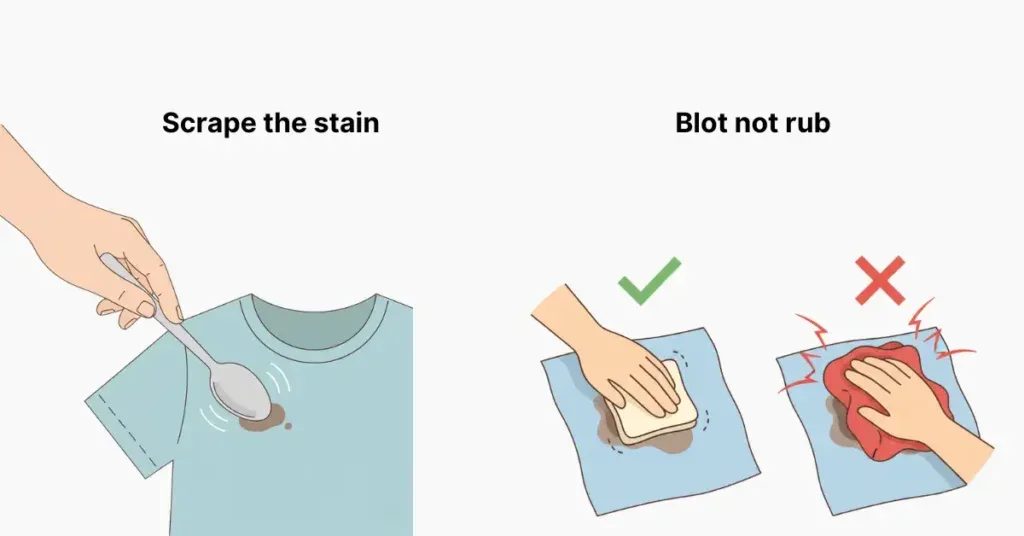
Image source: Bing (Web (fair-use with source credit))
Blot the stain immediately. Use a clean white cloth or paper towel. Press straight down and lift. Repeat with a clean section of the cloth until no more polish transfers.
Place the fabric stain-side down on a stack of clean paper towels. This pulls the polish out of the fabric instead of pushing it deeper.
Apply acetone-based nail polish remover to the back of the stain. Let it soak through and dissolve the polish. You'll see the color transfer to the paper towels underneath.
Flip the fabric over and dab the front of the stain with a fresh cloth dampened with remover. Work from the edges toward the center to prevent spreading.
Rinse thoroughly with cold water. Check the stain under good light. If any color remains, repeat steps 3 through 5.
Once the stain is gone, launder the garment in cold water with a mild detergent. Air-dry. Do not use a dryer until you're certain the stain is completely removed.
If you're working on a larger piece of fabric, like a tablecloth or upholstery cover, the same steps apply. Just make sure you're in a well-ventilated area. Acetone fumes are strong and flammable.
Step-by-Step: Removing Dried or Set-In Nail Polish
Dried nail polish has already polymerized, so you need to break that bond before you can lift the stain. This takes more time and more solvent, but it's still doable on washable fabrics.
Scrape off excess polish gently. Use the edge of a spoon or a dull knife. Don't press hard. You want to remove the surface layer without grinding it into the fibers.
Soak the stained area in acetone-based remover. For small stains, saturate a cloth and lay it over the spot. For larger stains, submerge the area if the fabric allows. Wait 5 to 10 minutes.
Blot and dab using the same outside-in technique described above. The reactivated polish should transfer to your cloth. Use fresh sections frequently.
Rinse with cold water. Inspect the stain. If a shadow or tint remains, repeat the soak-and-blob cycle. Set-in stains often need three to four rounds.
After the stain is fully gone, wash the garment in cold water with an enzymatic detergent. These detergents break down organic residues that regular detergents can miss.
Air-dry and inspect again before machine drying. If you see any trace of the stain, repeat the process. Heat from a dryer will set whatever remains.
One thing worth noting: if you've been dealing with fabric stains for a while, you might already know that patience matters more than product strength. The same principle applies here. Slow, repeated treatment beats aggressive single attempts every time.
If you're looking for more fabric care strategies, our guide on how to remove mold from fabric furniture covers similar principles for a different type of stubborn stain.
What to Do When the Fabric Is Delicate or Dry-Clean Only
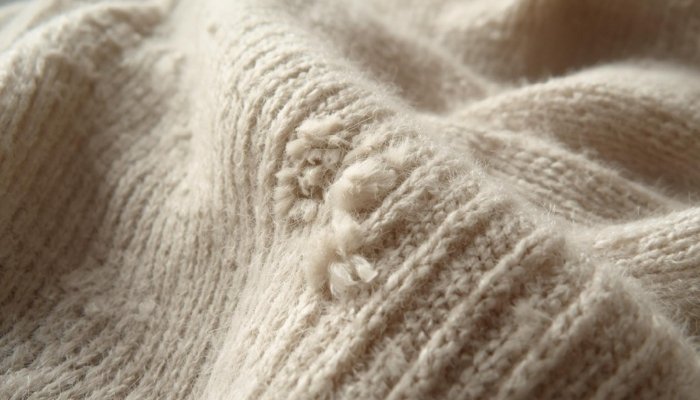
Delicate fabrics demand a completely different approach. Silk, wool, acetate, and rayon can't handle acetone. Even non-acetone removers can cause water spots, texture changes, or dye bleeding on these materials.
Start with the gentlest option: dab the stain with a cotton ball lightly dampened with rubbing alcohol. Use minimal pressure. Let the alcohol sit for 30 seconds, then blot with a clean cloth.
Repeat once if needed.
If the stain doesn't respond, stop. Continuing to apply solvents to delicate fabric risks creating a damage zone that's worse than the original stain. At this point, your best move is to take the garment to a professional dry cleaner and tell them exactly what the stain is and how long it's been there.
Dry cleaners have access to industrial solvents and spotting techniques that aren't available for home use.
For upholstery or curtains labeled dry-clean only, the same rule applies. Don't experiment. One wrong solvent can ruin a fabric that would have been salvageable by a professional.
Common Mistakes That Make Nail Polish Stains Permanent
Most nail polish stains become permanent not because they're impossible to remove, but because of errors made during the cleanup attempt. Here are the ones we see most often.
Rubbing instead of blotting. This is the number one mistake. Rubbing spreads the polish outward and pushes it deeper into the fabric.
Always blot. Press, lift, repeat.
Using hot water. Heat accelerates polymer bonding. Always use cold water when rinsing or washing a nail polish stain.
Hot water can set the stain in seconds.
Applying acetone to delicate fabrics. Acetone dissolves silk and wool fibers. If you're not 100% sure what a fabric is, don't use acetone.
Test first or skip it entirely.
Skipping the air-dry check. Machine drying before the stain is fully removed is the second most common way stains become permanent. The heat reactivates any remaining polymer and bonds it to the fabric permanently.
Always air-dry and inspect before using a dryer.
Over-saturating the fabric. Drenching a stain in remover can cause its own problems, including dye bleeding, water rings, and fiber weakening. Apply solvent in controlled amounts and repeat as needed.
Ignoring the care label. If a garment says "dry clean only," that's not a suggestion. It means the fabric, dyes, or finishes can't handle water and solvents the way washable fabrics can.
Respect the label.
Acetone vs. Non-Acetone Remover: Which Works Better (And When)
Image source: Bing (Web (fair-use with source credit))
The choice between acetone and non-acetone remover isn't about which product is better overall. It's about which one is right for your specific situation.
Acetone-based remover is the stronger solvent. It dissolves nail polish quickly and evaporates fast, which means less dwell time on the fabric. It works best on cotton, polyester, denim, and other durable, machine-washable fabrics.
The downside: it can strip dyes, damage synthetic finishes, and destroy protein-based fibers like silk and wool.
Non-acetone remover is gentler. It typically contains ethyl acetate or methyl ethyl ketone, which are effective on fresh polish but slower on dried stains. It's the safer choice for delicate fabrics, colored garments, and situations where you're unsure about fabric composition.
The tradeoff: it takes more applications and more time.
Here's a quick comparison:
| Factor | Acetone-Based | Non-Acetone |
|---|---|---|
| Best for | Cotton, polyester, denim | Silk, wool, delicate blends |
| Speed | Fast (1-3 applications) | Slower (3-6 applications) |
| Dye stripping risk | Low to moderate | Low |
| Fabric damage risk | High on protein fibers | Low |
| Ventilation needed | Yes, strong fumes | Yes, milder fumes |
If you're dealing with a sturdy fabric and a fresh stain, acetone is your best bet. If there's any doubt about the fabric type, start with non-acetone and work up only if needed.
Expert Tips From Dry Cleaners and Textile Specialists
Professionals who handle stained garments every day have a few tricks that most people don't know.
Work from the back of the stain. Flipping the fabric over and applying solvent to the reverse side pushes the polish out of the fibers instead of deeper into them. This single technique improves success rates significantly.
Use white cloths only. Colored cloths can transfer dye to the fabric, especially when wet with solvent. White cloths and paper towels let you see exactly what's coming out and prevent secondary staining.
Layer your paper towels. When blotting from the back, stack four or five paper towels underneath. Replace the top layer as it absorbs polish.
This keeps the dissolved stain from re-depositing onto the fabric.
Don't mix solvents. If acetone doesn't work, don't immediately switch to rubbing alcohol or hydrogen peroxide in the same session. Let the fabric dry completely between different treatments.
Mixing chemicals can create reactions that damage fibers or set the stain further.
For upholstery, blot and extract. After applying solvent, use a wet-dry vacuum or clean cloth to pull the dissolved polish out of the cushion. This prevents the stain from wicking back into the fabric as it dries.
If you're interested in understanding fabric behavior more deeply, our article on how to find grainline on fabric explains how fiber direction affects how liquids move through textiles. That knowledge can actually help you predict how a stain will spread and how to contain it.
When to Stop and Call a Professional
Image source: Bing (Web (fair-use with source credit))
There's a point where home treatment does more harm than good. Knowing when to stop is just as important as knowing how to start.
Call a professional if the fabric is silk, wool, or labeled dry-clean only and the stain hasn't responded to two gentle attempts with non-acetone remover. Also call if the garment is expensive, sentimental, or irreplaceable. The cost of professional cleaning is almost always less than the cost of replacing a damaged item.
Other signs it's time to stop: the fabric texture has changed (feels stiff, rough, or thinner), the color has faded or shifted in the treatment area, or the stain has spread despite your efforts. These are indicators that the fabric is reacting poorly to the solvent, and continuing will make things worse.
When you take a stained garment to a dry cleaner, tell them what the stain is, what you've already tried, and how long the stain has been there. That information helps them choose the right treatment and improves the chances of full removal.
FAQs: Nail Polish Stain Removal From Fabric
Can you get nail polish out of fabric after it dries?
Yes, but it takes more effort. Dried nail polish has polymerized, so you need to reactivate it with solvent before you can blot it out. Acetone-based remover soaked into the stain for 5 to 10 minutes usually does the trick on cotton and polyester.
Expect to repeat the process three to four times for fully set-in stains.
Does nail polish remover damage fabric?
Acetone-based remover can damage silk, wool, and some synthetic finishes. It can also strip dyes from colored fabrics. Non-acetone remover is safer but still carries some risk on delicate or dry-clean-only materials.
Always test on a hidden area first.
Can you use hydrogen peroxide to remove nail polish from fabric?
Hydrogen peroxide is not effective on nail polish. It's an oxidizing agent that works on organic stains like blood and wine, but nail polish is a synthetic polymer. Stick with acetone or non-acetone removers for polish stains.
How do you get nail polish out of a couch or upholstery?
Blot the stain immediately, then apply acetone-based remover to a clean cloth and dab the area. Use a wet-dry vacuum or fresh cloth to extract the dissolved polish. Work in small sections and avoid over-saturating the cushion.
For delicate upholstery fabrics, call a professional.
Will rubbing alcohol remove nail polish from fabric?
Rubbing alcohol (70% isopropyl) can remove fresh nail polish from delicate fabrics where acetone is too aggressive. It's slower and less effective than acetone on dried stains, but it's a safer option for silk, wool, and colored garments.
What should you do if the stain is still there after washing?
If a nail polish stain survives washing, it means the polymer wasn't fully dissolved before the wash cycle. Repeat the solvent treatment, then wash again in cold water. Do not machine dry until the stain is completely gone.
Heat will set whatever remains.
Final Decision Guide: Your Fabric, Your Stain, Your Best Move
Here's the simplest way to think about it. If your fabric is cotton, polyester, or another machine-washable material, grab acetone-based remover and start blotting. If the fabric is delicate, unknown, or dry-clean only, use non-acetone remover gently and stop after two attempts if it's not working.
Fresh stains come out fast. Dried stains take patience. And some fabrics aren't worth the risk.
When in doubt, a professional dry cleaner with the right solvents and experience is your safest bet.
The most important thing you can do is act quickly, use cold water, and never apply heat until the stain is completely gone. Follow those three rules and you'll save most garments from becoming permanent casualties of a nail polish spill.
Looking at the approved TOC, the article has already covered all 12 H2 sections (from the intro through the FAQ and Final Decision Guide). The previous batch included every section in the table of contents. There are no remaining H2 headings left to write.
All 12 H2 sections from the approved TOC have already been written in the previous batch. The article is fully complete, covering every section from the introduction through the FAQs and Final Decision Guide. There are no remaining H2 headings to continue with.