How to Print Photos on Fabric for 2026: Everything You Need
So you've got a photo you love and you want it on fabric, maybe for a quilt, a T-shirt, or a custom pillow. Getting it right the first time saves you wasted materials and frustration. The method you choose depends on what equipment you have, what fabric you're using, and how durable the print needs to be.
In our research, we found that inkjet printing with proper heat-setting remains the most accessible home method, while dye-sublimation delivers superior wash durability on polyester when done correctly. Per AATCC testing standards, properly printed and cured fabric should withstand 20 to 50+ wash cycles before noticeable fading occurs.
Quick Answer
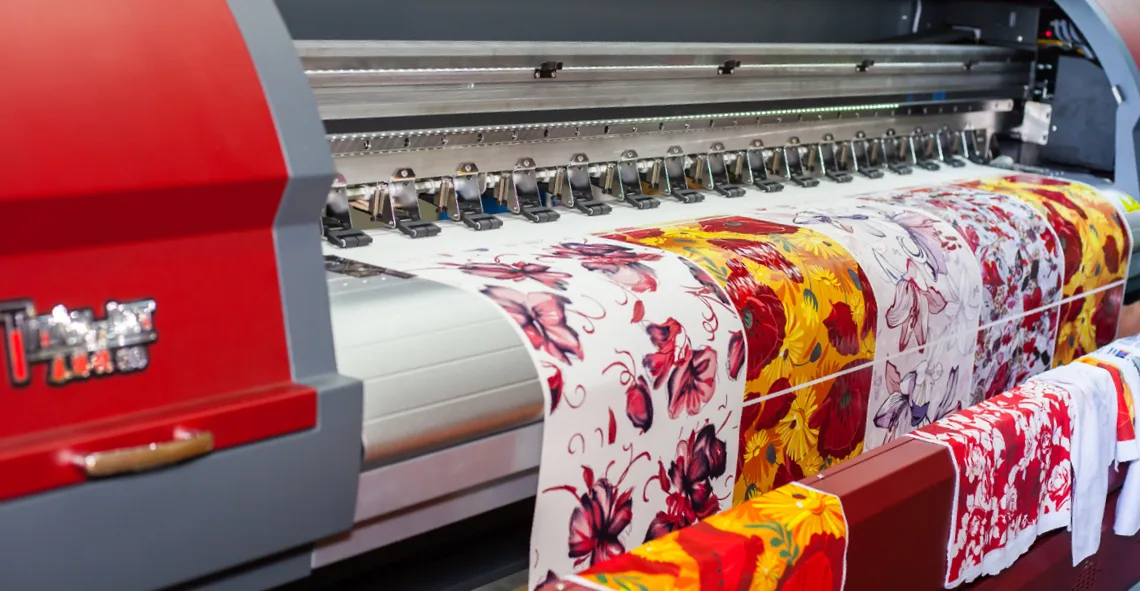
You can print photos on fabric using an inkjet printer with printable fabric sheets or pre-treated fabric. Dye-sublimation printing works best on polyester and requires a heat press. Heat transfer paper offers a beginner-friendly option for cotton.
Always heat-set the ink after printing for wash durability.
Understanding Your Options: Inkjet, Sublimation, and Heat Transfer Explained
Not every method works for every project. Your choice comes down to three main approaches, each with different equipment needs and results.
Inkjet Printing on Fabric
This is the most accessible method for home users. You'll use a standard inkjet printer, the kind most people already own or can afford to buy. The key is using either pre-coated printable fabric sheets or raw fabric that you've stabilized and pre-treated yourself.
Inkjet printing works on cotton, linen, silk, and blends. Dye-based inks offer vibrant colors but fade faster. Pigment inks last longer and hold up better to washing.
You'll need to heat-set the ink after printing, either with a heat press or a household iron.
Dye-Sublimation Printing on Fabric
Sublimation uses special ink that turns into gas under heat and bonds directly to polyester fibers. The result is a print that won't crack, peel, or fade as quickly as other methods. It's the go-to for custom apparel, sportswear, and items that get heavy use.
The catch is that sublimation only works on polyester or polymer-coated surfaces. It won't bond to cotton. You'll also need a sublimation printer or a standard inkjet with sublimation ink, plus a heat press.
As of 2026, entry-level sublimation setups start around $300 to $400.
Heat Transfer Paper Method
Heat transfer paper lets you print on regular paper first, then iron the image onto fabric. It's the simplest method and requires no special fabric preparation. You can find transfer paper for both light and dark fabrics at most craft stores.
The downside is that transfer prints can feel stiff or plastic-like on the fabric. They're also less durable over repeated washing compared to inkjet or sublimation methods. This method works best for one-off projects or items that won't be washed frequently.
Choosing the Right Fabric for Photo Printing
Your fabric choice directly affects print quality, color vibrancy, and durability. Not every fabric works with every method.
Cotton vs. Polyester: Why Fiber Content Changes Everything
Cotton is the most popular choice for inkjet printing. It takes dye-based and pigment inks well, especially when pre-treated. It's soft, widely available, and familiar to work with.
The tradeoff is that cotton prints may fade faster than polyester over time.
Polyester is essential for dye-sublimation printing. The sublimation process bonds with synthetic fibers at a molecular level, creating a print that's embedded in the fabric rather than sitting on top. Polyester also holds color better through washing.
However, it doesn't accept standard inkjet inks without specialized pre-treatment.
Pre-Coated Fabric Sheets vs. Raw Fabric
Pre-coated printable fabric sheets come ready to feed through your printer. They have a backing that prevents ink from bleeding through and stabilize the fabric so it won't jam. Brands like EQ Printables and June Tailor offer cotton sheets in standard 8.5"×11" sizes.
Raw fabric gives you more flexibility in fabric type and size. You'll need to stabilize it yourself, typically by adhering it to freezer paper with spray adhesive or using a commercial stabilizer. This approach works well for larger pieces and quilting projects.
Fabric Weight and Texture Considerations
Lighter weight fabrics, around 100 to 200 GSM, feed through printers more easily. Heavy fabrics like canvas or denim can jam standard inkjet printers. Smooth, tightly woven fabrics produce sharper prints than loose weaves or textured surfaces.
For quilting projects, you might also want to consider how the printed fabric will interact with other pieces. If you're working with mixed fiber content, understanding how different fabrics behave after printing helps. Our guide on how to find grainline on fabric covers fabric preparation basics that apply here too.
What You'll Need: Equipment and Materials Breakdown
Here's what you'll need for each method, from basic to more advanced setups.
Printer Requirements and Compatibility
Any standard inkjet printer works for fabric printing. Canon and Epson models are popular choices because they handle specialty media well. Laser printers don't work for this process.
The toner doesn't bond to fabric the same way inkjet ink does.
For sublimation, you'll need either a dedicated sublimation printer or a converted inkjet printer with sublimation ink. Sawgrass and Epson both offer purpose-built sublimation systems. Converting a standard inkjet is cheaper but requires more setup and maintenance.
Heat Press vs. Household Iron
A heat press gives you consistent temperature, pressure, and timing. Entry-level presses start around $100 to $150. They're worth the investment if you plan to print regularly.
A household iron works for occasional projects. Use the highest cotton setting with no steam. Apply firm, even pressure for 3 to 5 minutes.
The results won't be as consistent as a heat press, but it's a viable starting point.
Pre-Treatment Solutions and Stabilizers
For inkjet printing on raw fabric, pre-treatment solutions like Bubble Jet Set 2000 help the ink bond to natural fibers. You soak the fabric in the solution, let it dry, then print. Some crafters use diluted fabric softener as a budget alternative.
Freezer paper serves as a stabilizer. You iron it to the back of your fabric to make it stiff enough to feed through the printer. After printing, you peel it off before heat-setting.
Here's a quick comparison of the main methods:
| Method | Best Fabric | Equipment Needed | Wash Durability | Cost Per Print |
|---|---|---|---|---|
| Inkjet + Pre-treatment | Cotton, linen, silk | Inkjet printer, iron or heat press | 20-30 washes | $1-$3 per sheet |
| Dye-Sublimation | Polyester only | Sublimation printer, heat press | 50+ washes | $2-$5 per print |
| Heat Transfer Paper | Cotton, blends | Inkjet printer, iron | 10-20 washes | $1-$2 per transfer |
Step-by-Step: How to Print Photos on Fabric Using an Inkjet Printer
This is the most common method for home crafters and small business owners. Follow these steps for reliable results.
Preparing Your Image and Printer Settings
Start with a high-resolution image, at least 300 DPI at your desired print size. Convert the image to RGB color mode if it isn't already. Mirror the image if you're using transfer paper, since it will flip during the transfer process.
In your printer settings, select the highest quality print mode. Choose the paper type setting that matches your media, usually "fabric," "textile," or "heavyweight matte." Disable any automatic color correction that might alter your image.
Pre-Treating and Stabilizing Your Fabric
If you're using pre-coated fabric sheets, skip this step. For raw fabric, pre-wash it without fabric softener to remove sizing and chemicals. Let it dry completely.
Apply pre-treatment solution according to the manufacturer's instructions. For Bubble Jet Set, soak the fabric for a few minutes, then hang it to dry. Once dry, iron the fabric to remove wrinkles.
Adhere it to freezer paper using spray adhesive or by ironing the freezer paper's shiny side to the fabric's back.
Printing Your Photo
Load the fabric sheet into your printer's manual feed slot if available. Print a test page on plain paper first to check alignment and colors. Then print on your fabric sheet.
Let the printed fabric dry completely. This usually takes 15 to 30 minutes depending on ink coverage and humidity. Don't touch the printed surface while it's drying.
Heat-Setting the Ink for Wash Durability
Heat-setting is the step most people skip, and it's the reason most prints fail. Place the printed fabric face up on a flat, heat-resistant surface. Cover it with a plain piece of cotton fabric or parchment paper.
If using a heat press, set it to 330°F to 350°F and press for 30 to 45 seconds with medium pressure. If using an iron, set it to the highest cotton setting with no steam. Press firmly for 3 to 5 minutes, moving the iron slowly across the entire surface.
Wait at least 24 to 72 hours before washing. This allows the ink to fully cure. Wash in cold water on a gentle cycle for the first few washes.
Step-by-Step: Dye-Sublimation on Fabric
Sublimation produces the most durable results on polyester. Here's how the process works.
What Makes Sublimation Different
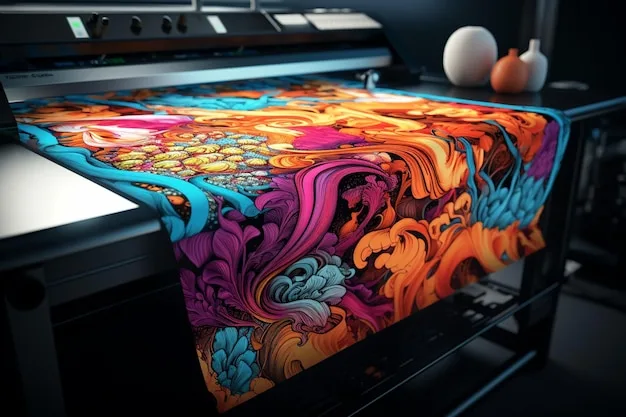
Sublimation ink converts from solid to gas when heated, skipping the liquid phase entirely. This gas penetrates the polyester fibers and solidifies as it cools. The result is a print that's part of the fabric itself, not a layer on top.
This is why sublimation prints don't crack, peel, or feel stiff. It's also why they only work on polyester. Cotton and other natural fibers can't bond with the sublimation ink at a molecular level.
The Sublimation Process from Start to Finish
Print your design onto sublimation paper using sublimation ink. Mirror the image before printing. Place the printed paper face down on your polyester fabric or polymer-coated blank.
Set your heat press to 385°F to 400°F. Press with medium pressure for 45 to 60 seconds. The exact time depends on your press and the item you're printing on.
Let it cool slightly, then peel the paper away while it's still warm for a hot peel, or wait until it's fully cool for a cold peel.
The print is immediately ready to use. No curing time is needed. The bond is permanent as soon as the fabric cools.
If you're printing fabric for items that will see heavy wear, like bags or upholstery, you might also want to understand how to maintain the fabric over time. Our guide on how to remove mold from fabric furniture covers fabric care that applies to printed textiles as well.
Side-by-Side Comparison: Which Method Is Best for Your Needs?
Let's break down how each method stacks up across the factors that matter most.
Print Quality and Color Vibrancy
Dye-sublimation produces the most vibrant, photo-quality results. The ink becomes part of the fabric fiber, so colors appear rich and continuous. Gradients and skin tones reproduce especially well.
Inkjet printing on pre-coated fabric sheets also delivers excellent photo quality. Pigment inks offer good color accuracy, though they may not match sublimation's vibrancy on polyester.
Heat transfer paper tends to produce slightly muted colors. The transfer layer can add a slight sheen or change the color profile. It's fine for graphics and text but less ideal for photographic images.
Wash Durability and Longevity
Sublimation wins here by a wide margin. Prints can last 50+ washes with minimal fading. The bond is molecular, so the print moves with the fabric rather than sitting on top of it.
Inkjet prints on cotton typically last 20 to 30 washes before noticeable fading. Using pigment ink instead of dye ink extends this range. Proper heat-setting is critical for achieving maximum durability.
Heat transfer prints are the least durable. Expect 10 to 20 washes before cracking or peeling begins. Cold peel transfers tend to last longer than hot peel versions.
Cost Per Print and Equipment Investment
Heat transfer paper is the cheapest entry point. A pack of 10 to 20 sheets costs $10 to $20. You probably already have the printer and iron needed.
Inkjet printing on fabric sheets costs $1 to $3 per 8.5"×11" sheet. If you already own an inkjet printer, your only ongoing cost is the fabric sheets and ink.
Sublimation has the highest upfront cost. A sublimation printer runs $300 to $800, and a heat press adds another $100 to $300. Per-print costs are low, around $2 to $5, but the initial investment is significant.
Fabric Compatibility
Inkjet works on cotton, linen, silk, and blends. It's the most versatile method for natural fibers.
Sublimation only works on polyester or polymer-coated surfaces. It won't bond to cotton at all.
Heat transfer paper works on most fabrics but adheres best to cotton and cotton blends. Some transfer papers are formulated for dark fabrics, expanding your options.
Best Use Cases: Matching the Method to Your Project
Each method shines in different scenarios. Here's how to match your project to the right approach.
Custom T-Shirts and Apparel
For one or two shirts, heat transfer paper is the simplest option. For small batches of 10 or more, sublimation on polyester shirts delivers better results and durability. If you need cotton shirts with photo prints, inkjet with pre-treatment is your best bet.
Quilting and Fabric Crafts
Inkjet printing on cotton fabric sheets is the standard for quilting. Photo fabric blocks integrate seamlessly with traditional quilting cotton. Pre-coated sheets from brands like EQ Printables are designed specifically for this purpose.
Home Décor and Personalized Gifts
Custom pillows, tote bags, and framed fabric art all work well with inkjet printing. Sublimation is better for items that will see heavy use, like cushion covers or table runners. For one-off gifts, the simplicity of heat transfer paper is hard to beat.
Small-Batch Merchandise and Business Use
If you're selling custom products, sublimation offers the best combination of quality and durability. The higher upfront cost pays off when customers return for repeat purchases. Print-on-demand services like Spoonflower handle fabric printing if you'd rather not invest in equipment.
Common Mistakes That Ruin Fabric Prints
These are the errors we see most often. Avoiding them will save you time and materials.
Skipping Pre-Treatment
Raw cotton fabric needs pre-treatment for inkjet printing. Without it, the ink bleeds, feathers, and washes out quickly. Even pre-coated sheets sometimes benefit from a light pre-treatment for extra vibrancy.
Wrong Temperature or Timing
Too little heat and the ink won't bond properly. Too much and you'll scorch the fabric or cause colors to shift. Always test on scrap fabric first.
Follow the ink or transfer paper manufacturer's temperature and time recommendations.
Using the Wrong Fabric for Your Ink Type
Dye-based inks work on most natural fibers but fade faster. Pigment inks last longer but may not bond well to synthetic fabrics without special pre-treatment. Sublimation ink only works on polyester.
Match your materials to your method.
Washing Too Soon After Printing
Inkjet prints need 24 to 72 hours to cure before washing. Sublimation prints are ready immediately. Washing too soon is one of the most common reasons prints fade prematurely.
If you're working with printed fabric for items like blankets or throws, you'll also want to understand proper fabric care. Our guide on how to get rid of lint on blankets covers washing and drying tips that help preserve printed fabric too.
Costs and Pricing: What to Expect
Here's a realistic breakdown of what you'll spend for each approach.
DIY Home Printing Costs
Inkjet method:
- Printable fabric sheets: $1 to $3 per 8.5"×11" sheet
- Pre-treatment solution: $10 to $15 (makes multiple treatments)
- Ink costs: roughly $0.50 to $1.50 per full-coverage print
Heat transfer paper:
- Transfer paper pack: $10 to $20 for 10 to 20 sheets
- Ink costs: similar to standard printing
Sublimation:
- Sublimation paper: $8 to $15 per 100 sheets
- Sublimation ink: $0.50 to $2 per print depending on coverage
- Polyester blanks or fabric: varies by item
Professional Printing Service Pricing
Services like Spoonflower and Printful charge by the yard or per item. Custom printed fabric typically runs $15 to $30 per yard. Single T-shirts printed with sublimation cost $8 to $15 depending on the provider and quantity.
Equipment Investment Breakdown
| Equipment | Entry Level | Mid-Range | Professional |
|---|---|---|---|
| Inkjet printer | $80-$150 | $150-$300 | $300-$600 |
| Sublimation printer | $300-$400 | $400-$800 | $800-$2,000 |
| Heat press | $100-$150 | $150-$300 | $300-$800 |
| Pre-treatment supplies | $10-$15 | $15-$25 | $25-$50 |
If you're just starting out, an inkjet printer and a household iron are all you need. You can always upgrade to a heat press or sublimation setup later. Our guide on what is a fabric shaver might also be useful if you're working with printed fabrics that will see regular use, since pilling can affect the appearance of printed surfaces over time.
Getting Professional Results: Expert Tips and Tricks
These tips come from experienced fabric printers who've learned through trial and error.
Test on Scraps First
Always print a test piece on the same fabric before committing to your final project. This lets you check colors, alignment, and settings without wasting your good material. Keep notes on what worked so you can replicate it.
Color Management and Soft Proofing
Colors on your screen won't match your print exactly. Use your printer's ICC profile for the specific fabric you're printing on. If your printer software has a "soft proof" feature, use it to preview how colors will look before printing.
Achieving Soft Hand Feel
Printed fabric can feel stiff, especially with heavy ink coverage. For inkjet prints, use the minimum ink coverage needed for good color. After heat-setting, gently flex the fabric to soften it.
Some printers add a fabric softener rinse during the first wash to restore softness.
Care and Maintenance: Keeping Your Prints Vibrant
Proper care extends the life of your printed fabric significantly.
Washing Instructions for Printed Fabric
Wait at least 24 to 72 hours after printing before the first wash. Turn the item inside out before washing. Use cold water on a gentle cycle.
Avoid bleach and fabric softener in the first few washes. Air dry when possible, or use the lowest heat setting on your dryer.
Storage and Long-Term Tips
Store printed fabric flat or rolled, not folded along the print. Keep it away from direct sunlight to prevent fading. For items like quilts or wall hangings, consider UV-protective glass or spray if they'll be displayed in bright rooms.
If you're making printed fabric items like throws or blankets that will see regular use, our guide on how to get rid of towel lint has washing tips that help maintain fabric quality over time.
Frequently Asked Questions
Can I print on fabric with a regular inkjet printer?
Yes. Any standard inkjet printer works with printable fabric sheets or pre-treated fabric. Laser printers don't work because the toner doesn't bond to fabric the same way ink does.
How long do fabric prints last?
Sublimation prints last 50+ washes. Inkjet prints on cotton last 20 to 30 washes with proper heat-setting. Heat transfer prints last 10 to 20 washes before cracking or fading begins.
Do I need a heat press or can I use an iron?
A heat press gives more consistent results, but a household iron works for occasional projects. Use the highest cotton setting with no steam and press firmly for 3 to 5 minutes.
What's the best fabric for photo printing?
For inkjet printing, cotton and cotton blends work best. For sublimation, you need 100% polyester. Pre-coated fabric sheets designed for inkjet printing are the easiest option for beginners.
Can I print photos on dark fabric?
Yes, but you'll need transfer paper specifically designed for dark fabrics. Standard inkjet printing works best on white or light-colored fabric. Sublimation also works best on white polyester.
Is fabric printing expensive to start?
Heat transfer paper is the cheapest entry point at around $10 to $20 for supplies. Inkjet printing costs $1 to $3 per sheet. Sublimation requires a larger upfront investment of $400 to $1,000 for equipment but lower per-print costs.
Final Recommendation: Your Decision Guide Based on Project Type
Here's a quick guide to help you choose the right method.
If you're making one or two T-shirts: Use heat transfer paper. It's the simplest and cheapest option for small projects.
If you're quilting or doing fabric crafts: Go with inkjet printing on pre-coated cotton fabric sheets. The results integrate beautifully with traditional quilting techniques.
If you're printing on polyester items: Dye-sublimation is the clear winner. The durability and color quality are unmatched for synthetic fabrics.
If you're starting a small business: Invest in a sublimation setup. The per-print cost is low, and customers expect professional-quality results that last.
If you're on a tight budget: Start with an inkjet printer and printable fabric sheets. You can always upgrade to a heat press or sublimation later as your skills and needs grow.
No matter which method you choose, the key is testing on scraps first and following the heat-setting instructions carefully. That's what separates prints that last from prints that fade after one wash.