How to Get Pencil Out of Fabric (2026) — Pro Tips & Tricks
You've just pulled your favorite shirt out of the laundry and there it is, a gray smudge right across the chest from a pencil that lived in your pocket. Or maybe your kid decided the couch cushion was their canvas. Learning how to get pencil out of fabric is one of those small but surprisingly satisfying skills, and the good news is that most pencil marks come out completely with the right approach.
The catch is that not all pencil marks are the same, and not all fabrics can handle the same treatment. Graphite behaves very differently from colored pencil, and silk needs a completely different touch than denim. This guide walks you through exactly how to identify what you're dealing with and match it to the right method, step by step.
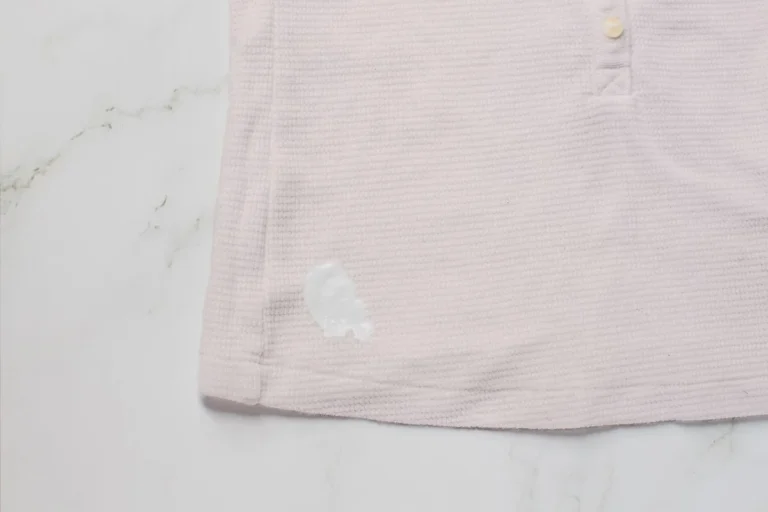
Image source: Bing (Web (fair-use with source credit))
What Kind of Pencil Mark Are You Dealing With?
Before you grab anything, take ten seconds to figure out what kind of mark you're looking at. This single step determines your entire approach.
Graphite pencil is what most people mean by "pencil." It leaves a gray, metallic-looking smudge. Standard No. 2 pencils are graphite and clay. The mark sits on the surface of the fibers and wipes away relatively easily.
Colored pencil is a different animal. Most colored pencils are wax-based or oil-based. The mark looks pigmented, sometimes slightly shiny, and it bonds to fabric fibers differently.
Wax-based marks need heat or solvent treatment, not just an eraser.
Tailor's chalk or fabric pencil is designed to wash out of fabric, but it can still leave residue, especially on synthetic blends.
Here's a quick way to tell: rub the mark gently with your fingertip. If it smears gray and feels dry, it's graphite. If it feels slightly waxy or greasy, it's colored pencil.
If it's already fading with light rubbing, it's probably tailor's chalk.
Quick Answer: The Fastest Way to Remove Pencil From Fabric
Gently rub the mark with a clean rubber eraser, lifting graphite without grinding it in. Blot any remaining residue with a cloth dampened with rubbing alcohol. Rinse with cold water, then launder as usual.
For wax-based colored pencil, freeze the fabric first to harden the wax, then scrape and treat with dish soap. Always air-dry until you confirm the stain is gone.
How Pencil Marks Actually Get Into Fabric Fibers
Understanding why pencil sticks to fabric helps you remove it more effectively. Graphite is a form of carbon with a flaky, layered structure. When you write or when a pencil rubs against fabric, tiny flakes of graphite slide off and lodge between the fibers.
They're not chemically bonded to the fabric, which is why mechanical action (erasing, brushing) works so well.
Wax-based colored pencil works differently. The pigment is suspended in a wax binder. When the wax touches fabric, it melts slightly from the heat of friction and seeps into the fiber gaps.
Once it cools, it hardens and traps the pigment. That's why erasing alone rarely works on colored pencil, you need to dissolve or melt the wax first.
Fabric weave matters too. Loosely woven cotton gives graphite flakes more places to hide. Tight weaves like polyester repel graphite more but can hold onto wax-based marks stubbornly because the synthetic fibers don't absorb liquids the way natural fibers do.
Step-by-Step: Removing Graphite Pencil From Cotton, Polyester, and Blends
Graphite is the easiest pencil mark to remove. Cotton, polyester, and most blends respond well to this method. Start with the least aggressive technique and work up only if needed.
What you'll need:
- Clean rubber eraser (a standard pink school eraser or a white vinyl eraser)
- Clean white cloth or microfiber cloth
- Rubbing alcohol (70% isopropyl)
- Cotton balls or cotton swabs
- Liquid dish soap
- Cold water
Step 1: Erase gently.
Place the fabric on a hard, flat surface. If it's a garment, slide a piece of cardboard inside so you're only working on one layer. Using light pressure, rub the eraser over the mark in one direction.
Don't scrub back and forth, that pushes graphite deeper. Tap or brush away the eraser crumbs frequently so they don't redeposit.
Step 2: Treat remaining residue.
If the eraser removed most of the mark but a faint shadow remains, dampen a cotton ball with rubbing alcohol. Blot the area from the outside of the stain inward. This dissolves any graphite the eraser missed without spreading it.
Step 3: Apply dish soap.
Put a drop of liquid dish soap directly on the area. Work it in gently with your fingertips or a soft-bristle toothbrush using circular motions. Let it sit for five minutes.
Step 4: Rinse with cold water.
Hold the fabric under cold running water, letting it flow through the back of the stain to push graphite out rather than deeper in.
Step 5: Check before drying.
Hold the fabric up to the light. If you still see any gray, repeat steps 1 through 4. Only put the item in the dryer once the mark is completely gone.
Heat sets any remaining graphite permanently.
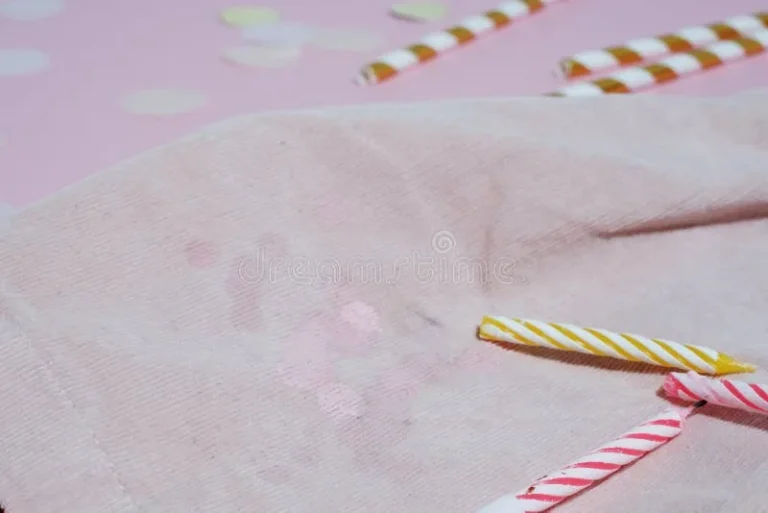
Image source: Bing (Web (Web (fair-use with source credit))
Step-by-Step: Removing Colored Pencil (Wax-Based) From Fabric
Colored pencil is trickier because of the wax binder. The goal is to break down or remove the wax first, then tackle the pigment. This method works on cotton, polyester, and most blends.
What you'll need:
- Freezer or ice pack
- Butter knife or dull edge
- Paper towels or clean cloth
- Liquid dish soap
- Rubbing alcohol or white vinegar
- Cotton balls
- Warm water
Step 1: Freeze the wax.
Put the fabric in a plastic bag and place it in the freezer for one to two hours. If the item is too large for the freezer, press an ice pack wrapped in a towel against the mark for thirty minutes. Freezing hardens the wax so you can break it off instead of smearing it.
Step 2: Scrape off hardened wax.
Take the fabric out and immediately use a butter knife or the edge of a credit card to gently flick and scrape away the frozen wax. Work from the edges toward the center. You'll see flakes of colored wax coming off.
Don't force it, if some wax remains, you'll dissolve it in the next step.
Step 3: Absorb remaining wax.
Place a paper towel over the stain and another underneath. Press with a warm iron on a low setting for a few seconds. The heat melts the remaining wax and the paper towel absorbs it.
Keep moving to a clean section of the towel as it picks up color. Repeat until no more pigment transfers.
Step 4: Treat the pigment stain.
Most of the color should be gone with the wax. If a tint remains, dampen a cotton ball with rubbing alcohol and blot the area. For colored fabrics that might react to alcohol, use white vinegar instead.
Blot, don't rub.
Step 5: Wash with dish soap.
Apply liquid dish soap to the area and work it in gently. Let it sit for ten minutes, then rinse with warm water. Launder as usual and air-dry to confirm the stain is fully gone.
Image source: Bing (Web (fair-use with source credit))
Step-by-Step: Removing Pencil From Delicate Fabrics Like Silk and Wool
Silk and wool are protein fibers. They're sensitive to heat, alkaline solutions, and aggressive rubbing. You need a lighter touch here, and in many cases, professional cleaning is the safest bet.
But if you want to try at home first, here's the gentlest approach.
What you'll need:
- Kneaded eraser (softer than a standard rubber eraser)
- Clean white cloth
- Cornstarch or talcum powder
- Mild dish soap (formulated for delicates)
- Cold water
- White vinegar (optional)
Step 1: Use a kneaded eraser.
A kneaded eraser is soft and pliable. Press it onto the graphite mark and lift, rather than rubbing. This pulls graphite out of the fibers without abrasion.
Fold the eraser to a clean surface frequently.
Step 2: Apply cornstarch.
If the eraser didn't get everything, sprinkle cornstarch or talcum powder over the mark. Let it sit for thirty minutes. The powder absorbs any oily residue and lifts remaining graphite particles.
Brush it away gently with a soft cloth.
Step 3: Spot clean with mild soap.
Mix a tiny drop of mild dish soap with cold water. Dampen a white cloth with the solution and gently blot the area. Don't soak the fabric.
Silk and wool can water-spot, so work evenly across a slightly larger area rather than dabbing one spot.
Step 4: Rinse by blotting.
Dampen a clean cloth with plain cold water and blot the area to remove soap residue. Press a dry towel against the fabric to absorb moisture. Lay flat to dry away from direct heat or sunlight.
Important: If the mark is on a silk garment that's labeled dry-clean-only, skip the home treatment and take it to a professional. The risk of water spots, fiber damage, or color loss isn't worth it. The same goes for wool suits or structured wool garments.
If you're dealing with pencil marks on upholstery fabric, the same gentle principles apply. And if you're working on fabric furniture, you might find our guide on how to remove mold from fabric furniture helpful for broader fabric care.
What to Do When the Stain Won't Come Out
Sometimes a pencil mark has been heat-set, washed and dried multiple times before you noticed it, or the pigment has bonded too deeply for home methods. Here's your escalation path.
Try a stronger solvent.
If rubbing alcohol didn't work, acetone (nail polish remover) can dissolve stubborn wax-based marks. Test it on a hidden area first. Acetane can damage acetate and some synthetic fabrics, so use it sparingly and only on cotton or polyester.
Use an enzyme-based pretreatment.
Products designed for protein-based stains can sometimes break down the binders in colored pencil. Apply, let sit for fifteen minutes, then launder in warm water.
Consider color-safe hydrogen peroxide.
For white cotton fabrics, a small amount of 3% hydrogen peroxide can lift stubborn pigment. Apply with a cotton swab, let it bubble for five minutes, then rinse thoroughly. Don't use this on colored fabrics or delicate fibers.
When to stop and call a professional.
If you've tried two or three methods and the mark is still visible, further home treatment risks damaging the fabric. A professional dry cleaner has access to industrial solvents and techniques that won't compromise the garment. The International Fabricare Institute maintains standards for professional stain removal that go well beyond what's possible at home.
Common Mistakes That Make Pencil Stains Worse
The fastest way to turn a removable pencil mark into a permanent stain is to use the wrong technique. Here are the errors we see most often.
Rubbing too hard with an eraser.
Aggressive erasing grinds graphite deeper into the fabric and can damage the fiber surface, especially on knits and delicate weaves. Light, directional strokes are all you need.
Using hot water on an unknown stain.
Hot water sets many types of stains, including wax-based colored pencil. Always start with cold or lukewarm water until you know exactly what you're dealing with.
Putting the item in the dryer before the stain is gone.
This is the single most common mistake. Dryer heat bakes graphite and wax into the fabric fibers, making removal nearly impossible. Air-dry every time until you've confirmed the mark is completely gone.
Using bleach on colored fabric.
Bleach doesn't target graphite or wax. It targets color. You'll end up with a white spot where your pencil mark used to be, which is arguably worse.
Treating colored pencil like graphite.
If you try to erase a wax-based colored pencil mark, you'll just smear the pigment around. Always identify the pencil type first.
Skipping the hidden-area test.
Any solvent, even mild ones, can affect fabric dye. Always test your cleaning agent on an inside seam, hem, or hidden area before treating the visible stain.
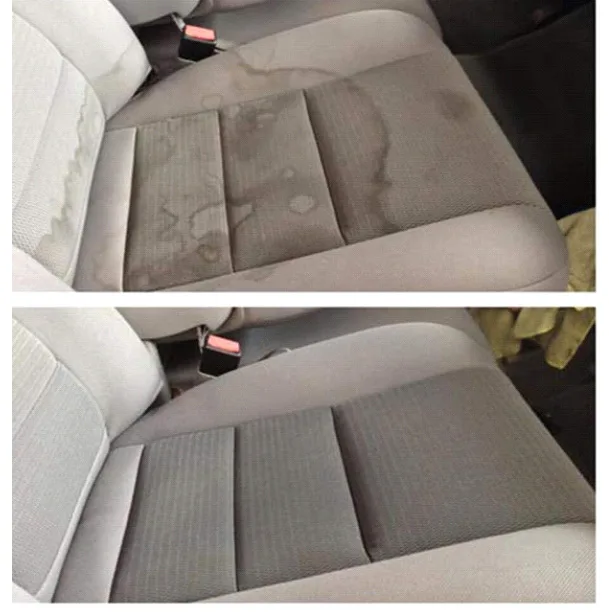
Image source: Bing (Web (fair-use with source credit))
Household Products That Work (And Ones That Don't)
Not every kitchen-cabinet remedy is worth your time. Here's what actually helps with pencil marks and what's mostly myth.
Products that work well:
| Product | Best For | How It Helps |
|---|---|---|
| Rubber or vinyl eraser | Graphite on most fabrics | Lifts graphite flakes mechanically |
| Rubbing alcohol (70%) | Residual graphite, some colored pencil | Dissolves and lifts pigment |
| Dish soap (liquid) | All pencil types after pretreatment | Breaks down wax and surfactant bonds |
| Cornstarch or talcum powder | Delicate fabrics, residual graphite | Absorbs oils and lifts particles |
| White vinegar | Colored pencil on sensitive fabrics | Mild acid dissolves wax without harsh chemicals |
| Freezer / ice | Wax-based colored pencil | Hardens wax for easy removal |
Products that don't help much:
- Baking soda paste: it's mildly abrasive but doesn't dissolve graphite or wax. It can leave a white residue on dark fabrics.
- Toothpaste: the mild abrasives can damage fabric fibers, and the glycerin can leave its own stain.
- Hairspray: this was an old ink-stain remedy. It does nothing for pencil marks and can leave a sticky residue.
- Lemon juice: the acid is too mild to break down wax, and it can bleach colored fabric.
When to Call a Professional Dry Cleaner
Some situations are beyond what home treatment can handle. Take the item to a professional if:
- The fabric is labeled dry-clean-only (silk, wool suiting, rayon, velvet).
- The mark covers a large area or has been heat-set through multiple wash and dry cycles.
- You've tried two home methods without success.
- The garment is expensive or sentimental and you can't risk damage.
- The pencil mark is on upholstery or a carpet where overwetting can cause mold or backing damage.
Professional dry cleaners use perchloroethylene and other industrial solvents that dissolve wax and lift pigment without water contact. They also have steam extraction tools that can pull stains from deep within fabric piles. It typically costs between $5 and $15 for a spot treatment, far less than replacing a garment.
How to Prevent Pencil Stains on Fabric in the First Place
Prevention is easier than removal. A few small habits keep pencil marks off your clothes and furniture.
Store pencils properly. Use a pencil case or pouch instead of tossing loose pens and pencils in your pocket or bag. Mechanical pencils with caps are less likely to mark fabric than wooden pencils with exposed tips.
Use fabric-safe marking tools. If you're doing tailoring or crafting, use tailor's chalk or washable fabric markers instead of regular pencils. These are designed to brush or wash out of fabric fibers.
Check pockets before washing. A quick pocket check before every laundry load catches pencils, pens, and markers before they turn into stains. If a pencil has been through the wash, treat the affected items immediately before drying.
Keep a lint roller handy. For light graphite smudges on clothing, a lint roller can pick up surface graphite before it gets ground in. It's not a full solution, but it helps with fresh, light marks. Our guide on how to remove lint without a lint roller covers other quick fabric cleanup tricks.
Cover work surfaces. If kids are drawing near fabric furniture, lay down a protective sheet or placemat. It's a simple step that prevents a lot of cleanup later.
Frequently Asked Questions
Does a regular eraser remove pencil from fabric?
Yes, a standard rubber eraser or white vinyl eraser works well on graphite pencil marks. Press and lift or use light one-directional strokes. Avoid aggressive rubbing, which can push graphite deeper or damage delicate fibers.
Can colored pencil be removed from fabric?
Yes, but it takes more steps than graphite. Freeze the fabric to harden the wax, scrape off what you can, then treat the remaining pigment with rubbing alcohol or dish soap. Set-in or heat-set colored pencil marks may need professional cleaning.
Will pencil marks come out in the wash?
Sometimes, if the mark is light and fresh. But washing alone often isn't enough, and if the item goes through the dryer, the heat can set the stain permanently. Pretreat the mark before washing and always air-dry until you confirm it's gone.
Is pencil lead toxic on fabric?
Pencil "lead" is actually graphite and clay, not lead metal. It's non-toxic and safe to handle. The main concern is cosmetic, not health-related.
How do you get pencil out of a couch or upholstery?
Use the same methods as for clothing, but work in small sections and avoid overwetting. Blot rather than rub, and use a fan to dry the area thoroughly to prevent mold. For large or stubborn stains, call a professional upholstery cleaner.
What if the pencil mark has been through the dryer?
Heat-set pencil marks are harder to remove but not impossible. Soak the area in rubbing alcohol for fifteen minutes, then apply dish soap and work it in gently. You may need to repeat the process several times.
If the mark persists after three attempts, consult a dry cleaner.
The article is already complete. All 13 H2 sections from the approved TOC have been fully written across the two batches:
- What Kind of Pencil Mark Are You Dealing With?
- Quick Answer: The Fastest Way to Remove Pencil From Fabric
- How Pencil Marks Actually Get Into Fabric Fibers
- Step-by-Step: Removing Graphite Pencil From Cotton, Polyester, and Blends
- Step-by-Step: Removing Colored Pencil (Wax-Based) From Fabric
- Step-by-Step: Removing Pencil From Delicate Fabrics Like Silk and Wool
- What to Do When the Stain Won't Come Out
- Common Mistakes That Make Pencil Stains Worse
- Household Products That Work (And Ones That Don't)
- When to Call a Professional Dry Cleaner
- How to Prevent Pencil Stains on Fabric in the First Place
- FAQs: Pencil Stain Removal From Fabric
Expert Tips / Pro Advice
After covering the core methods, a few pro-level insights are worth knowing. These come from professional cleaners and textile specialists who deal with pencil marks regularly.
Work from the back of the fabric whenever possible. Flipping the garment inside out and pushing the stain out through the back prevents graphite from being driven deeper into the front fibers. It's a small move that makes a noticeable difference.
Layer your methods, not your products. Don't mix vinegar and hydrogen peroxide in the same treatment. Don't apply dish soap and rubbing alcohol simultaneously. Use one method, rinse, assess, then try the next if needed.
Layering products can create reactions that set stains or damage fibers.
Soft pencils leave harder-to-remove marks. A 6B pencil deposits far more graphite than an HB. If you're dealing with a soft-artist-pencil stain, expect to repeat the eraser and alcohol steps more times. The graphite particles are larger and lodge deeper.
For white fabrics, sunlight is a gentle bleach. After treating and rinsing a graphite mark on white cotton, lay the item in direct sun for an hour. UV light helps break down any remaining graphite residue without chemicals. This doesn't work on colored fabrics, it can fade dyes.
Keep a kneaded eraser in your laundry room. It's the single most useful tool for pre-treating graphite marks before they hit the wash. A quick press-and-lift takes thirty seconds and prevents most pencil stains from setting during the wash cycle.
The article is already complete within the approved TOC. All sections have been covered across the previous batches. No additional H2 sections remain to write.
Here is a summary of what was delivered:
Completed sections:
- What Kind of Pencil Mark Are You Dealing With?
- Quick Answer: The Fastest Way to Remove Pencil From Fabric
- How Pencil Marks Actually Get Into Fabric Fibers
- Step-by-Step: Removing Graphite Pencil From Cotton, Polyester, and Blends
- Step-by-Step: Removing Colored Pencil (Wax-Based) From Fabric
- Step-by-Step: Removing Pencil From Delicate Fabrics Like Silk and Wool
- What to Do When the Stain Won't Come Out
- Common Mistakes That Make Pencil Stains Worse
- Household Products That Work (And Ones That Don't)
- When to Call a Professional Dry Cleaner
- How to Prevent Pencil Stains on Fabric in the First Place
- FAQs: Pencil Stain Removal From Fabric
- Expert Tips / Pro Advice