What Temperature to Wash Clothes for 2026: Pro Tips & Tricks
Image source: Bing (Web (fair-use with source credit))
Figuring out what temperature to wash clothes shouldn't feel like a guessing game, but for most people it does. You toss in a mixed load, pick a temperature that feels right, and hope for the best. Sometimes it works.
Sometimes your favorite shirt comes out two sizes smaller.
The truth is, the right wash temperature depends on what you're washing, how dirty it is, and what the care label actually says. Get it right and your clothes last longer, smell better, and look the way they should. Let's walk through it step by step so you never have to guess again.
Roughly 75 to 90 percent of the energy a washing machine uses goes toward heating water, according to the U.S. Department of Energy. That means your temperature choice affects your utility bill, your clothes, and how clean everything actually gets.
Once you understand the logic behind temperature selection, making the right call becomes second nature.
The Quick Answer: Temperature Rules by Fabric Type
Wash everyday colored clothes in cold water. Wash whites and lightly soiled cotton in warm water. Reserve hot water for towels, bedding, heavily soiled items, and sanitizing needs.
Always check the care label first because the manufacturer knows that specific fabric best.
Why Your Wash Temperature Matters More Than You Think
Most people pick a wash temperature based on habit. They either wash everything in cold to save energy or crank it hot because they assume hotter means cleaner. Both approaches have problems.
Water temperature affects three things at once: how well your detergent works, how your fabric fibers behave, and how effectively you remove germs and stains. These three factors don't always point in the same direction. Hot water kills bacteria better, but it can set protein stains like blood or sweat into the fabric.
Cold water saves energy and preserves colors, but standard detergent doesn't dissolve as well in it.
The key is matching the temperature to what you're actually trying to accomplish with each load. Once you understand the basic rules, you'll stop second-guessing yourself every time you open the washer lid.
How Water Temperature Actually Interacts With Your Clothes
Detergent chemistry changes with temperature
Detergents contain enzymes that break down stains. These enzymes work faster in warm water, which is why warm or hot cycles generally clean better for oily and greasy stains. But there's a catch.
Above about 140°F (60°C), those enzymes start breaking down themselves, which means extremely hot water can actually reduce cleaning effectiveness.
Cold-water detergents are formulated with different enzymes that activate at lower temperatures, typically effective down to about 60°F (15°C). If you're washing in cold water regularly, switching to a cold-water detergent makes a noticeable difference.
Fabric fibers open and close based on heat
Heat causes fabric fibers to relax and open up. That's why hot water releases dirt more effectively from cotton. But it's also why wool shrinks and why synthetic fabrics like spandex lose their stretch when washed in hot water.
The fibers literally change shape under heat stress.
Delicate fabrics and anything with elastic should stay in cold water. The fibers stay tighter, hold their shape, and keep their stretch.
Why cold water "works" but sometimes doesn't
Cold water cleans fine for everyday loads that aren't heavily soiled. But it doesn't kill bacteria or dust mites effectively. It also doesn't dissolve oily or greasy residues as well.
If you notice clothes coming out of a cold wash still smelling funky, that's bacterial growth, not dirt. You need heat to address that.
The Decision Tree: Step-by-Step Guide to Picking the Right Temperature
This is where it all comes together. Follow these five steps for every load and you'll nail the right temperature every time.
Step 1: Check the Care Label First
Image source: Bing (Web (fair-use with source credit))
Every garment has a care label with temperature guidance. The international ISO 3758 standard uses a tub symbol with a number inside indicating the maximum wash temperature in degrees Celsius. A tub with "40" means 40°C (104°F).
A tub with a hand means hand wash only. A tub with an X means no machine washing at all.
The Federal Trade Commission's Care Labeling Rule requires manufacturers to provide accurate wash instructions on clothing sold in the United States. That label is your single most reliable source for that specific garment. Read it before you sort.
Step 2: Sort by Fabric Type
Image source: Bing (Web (fair-use with source credit))
Different fabrics respond to heat very differently. Here's how to think about each category.
Cotton and linen can handle warm to hot water. They're durable natural fibers that release dirt well under heat. White cotton especially benefits from warm or hot washing because it removes body oils that cause yellowing over time.
Synthetics like polyester, nylon, and acrylic should be washed in cold or warm water. Hot water can warp synthetic fibers and cause pilling. Athletic wear with spandex or elastane should always stay cold to preserve stretch.
Wool and silk are protein-based fibers that shrink and damage in heat. Wash these in cold water on a delicate cycle, or hand wash them. Never put wool in a warm or hot cycle unless you want doll-sized sweaters.
Denim should be washed in cold water. Hot water accelerates fading and causes shrinkage. Cold water preserves the indigo dye and keeps jeans fitting the way you like them.
Blends and mixed fabrics should be washed at the temperature appropriate for the most delicate fiber in the blend. If something is 60% cotton and 40% polyester, treat it like the polyester calls for.
Step 3: Sort by Color
Color sorting matters for temperature selection because higher temperatures increase the risk of dye bleeding.
Whites can handle the hottest water. They have no dye to lose, and hot water keeps them looking bright by removing oils and residue.
Lights should generally go in warm water. Cold works too if the items aren't heavily soiled.
Darks should always be washed in cold water. Heat opens fibers and releases dye, which leads to fading over time. Cold water locks dye in.
Brights and new garments need cold water, especially for the first few washes. New clothes often have excess dye that bleeds more in heat. Washing them in cold prevents that dye from transferring to other items in the load.
Step 4: Factor in Soil Level
How dirty the clothes are is just as important as what they're made of.
Lightly worn items that just need a refresh do fine in cold water. Think clothes you wore for a few hours around the house with no visible stains or strong odors.
Normal everyday soil like light sweat, dust, and general wear responds well to warm water. This is your standard load.
Heavily soiled items with visible stains, grease, mud, or strong odors need warm to hot water. The heat helps dissolve oily residues and lifts ground-in dirt from fabric fibers.
Germ concerns like illness in the household, baby diapers, or immunocompromised family members require hot water at 130°F (54°C) or higher. This is the temperature threshold where most common household bacteria and allergens start dying off.
Step 5: Choose Your Temperature
Here's a quick-reference table that puts all of this together.
| Fabric and Color | Light Soil | Normal Soil | Heavy Soil or Germs |
|---|---|---|---|
| White cotton or linen | Warm | Hot | Hot plus sanitize cycle |
| Colored cotton or linen | Cold | Warm | Warm to hot |
| Synthetics | Cold | Cold to warm | Warm |
| Denim | Cold | Cold | Warm |
| Wool, silk, delicates | Cold | Cold | Cold or hand wash |
| Towels and bedding | Warm | Hot | Hot |
| Baby clothes and sensitive skin | Warm | Warm to hot | Hot |
| Athletic wear | Cold | Warm | Warm, watch the spandex |
What Temperature Actually Kills Bacteria, Dust Mites, and Germs
Does cold water kill germs?
No. Cold water doesn't kill bacteria, viruses, or dust mites. It removes some of them mechanically through agitation and rinsing, but many survive the cycle.
If you're washing everyday clothes that just need freshening up, that's fine. But if someone in your household is sick, or you're washing items like underwear, socks, or kitchen towels, cold water alone won't sanitize them.
When you actually need hot water
The threshold for killing most common household bacteria and dust mite allergens is 130°F (54°C). At this temperature, proteins in the organisms break down and they die off. For thorough sanitization, many sources recommend 140°F (60°C) or higher.
You should use hot water when:
- Someone in the household is sick or immunocompromised
- Washing underwear, socks, and gym clothes
- Washing kitchen towels and dishcloths
- Washing pet bedding or items with pet accidents
- Washing baby clothes with visible soiling
- You notice musty or sour odors in fabrics
The sanitize cycle: what it does differently
Many modern washing machines have a dedicated sanitize cycle that heats water to 150°F (65°C) or higher and maintains that temperature for a set period. This is more effective than a standard hot wash because it holds the high temperature long enough to kill pathogens thoroughly.
If your machine has a sanitize option, use it for loads where hygiene matters. It uses more energy than a regular cycle, but for the loads that need it, nothing else does the job as well.
The Most Common Temperature Mistakes People Make
Washing everything in cold (and why "clean" doesn't always mean sanitized)
A lot of people run every load in cold water to save energy. That's a smart move for most everyday laundry. But cold water doesn't kill bacteria or remove oily buildup effectively.
If your clothes come out smelling musty or feeling stiff, cold water alone isn't cutting it.
Using hot water on protein-based stains
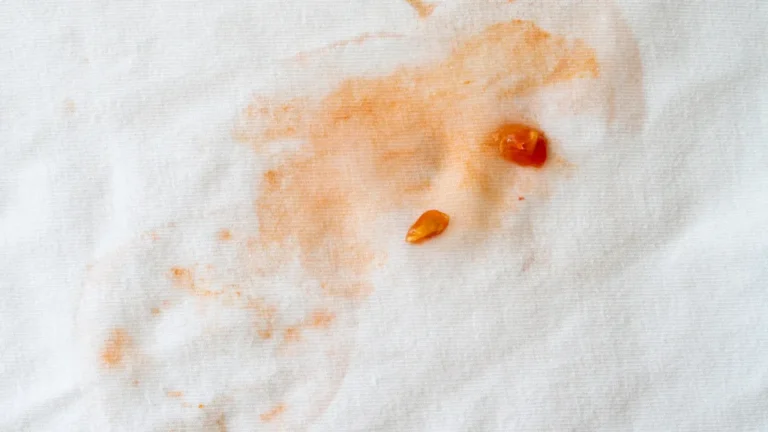
Here's one that catches people off guard. Washing blood, sweat, egg, or dairy stains in hot water actually cooks the proteins into the fabric. The stain sets permanently.
Always rinse or pre-treat protein stains in cold water first, then wash at the appropriate temperature for the fabric.
Ignoring the shrinkage risk
Cotton and wool shrink in hot water because heat causes the fibers to contract. If a garment says "warm" on the label and you wash it in hot, expect it to come out smaller. This is especially frustrating with new clothes that haven't been pre-shrunk at the factory.
Using regular detergent in cold water
Standard detergent formulations don't dissolve well in cold water. You end up with residue on clothes that can cause stiffness, odor, and skin irritation. Cold-water detergents use different surfactant blends that work at lower temperatures.
If you wash in cold regularly, make the switch.
Washing new clothes without accounting for dye bleed
New garments, especially dark or brightly colored ones, release excess dye during their first few washes. Hot water accelerates this. Always wash new items in cold water for the first few cycles to lock in the dye and prevent color transfer to the rest of the load.
Overloading the machine and blaming the temperature
An overloaded washer can't agitate properly. Clothes don't get clean regardless of water temperature. If your loads consistently come out looking or smelling off, try running smaller loads before you adjust the temperature.
The problem is usually how much you're cramming in, not how hot the water is.
Cold Water Washing: When It's the Smart Choice and When It's Not
The energy savings are real
Image source: Bing (Web (fair-use with source credit))
Heating water accounts for the vast majority of a washing machine's energy use. Switching from hot to cold water can save a typical household $60 to $100 per year on utility bills. Over the lifespan of a washer, that adds up to hundreds of dollars.
Cold water is the single biggest energy-saving switch you can make in your laundry routine.
Fabrics that thrive in cold water
Cold water is the default for dark colors, denim, synthetics, and anything with elastic or stretch. It prevents fading, preserves fiber structure, and keeps shapes intact. If you care about your clothes looking new for longer, cold water does more for longevity than any fabric softener ever could.
When cold water leaves clothes smelling weird
If you notice a sour or musty smell after a cold wash, that's bacteria surviving the cycle. This happens most often with loads that include towels, gym clothes, or anything that sat damp in the hamper too long. For those loads, bump up to warm or hot, or add a laundry sanitizer that works in cold water.
Cold-water detergents vs. regular: does it actually matter
Yes, it matters. Regular detergent in cold water often leaves a filmy residue because the surfactants don't fully dissolve. Cold-water detergents are specifically formulated with enzymes and surfactants that activate at lower temperatures.
If you're committed to cold washing, using the right detergent makes a visible difference in how clean your clothes feel and smell.
Warm Water: The Middle Ground Most People Overlook
Why warm is the right default for everyday loads
Warm water (90 to 110°F / 32 to 43°C) hits the sweet spot for most regular laundry. It dissolves detergent effectively, removes light to moderate soil, and doesn't damage most fabrics. If you're not sure what to pick, warm is the safest all-around choice for colored cotton, blended fabrics, and everyday wear.
Where warm beats both cold and hot
Warm water handles body oils and light stains better than cold without the shrinkage risk of hot. It's ideal for items that need real cleaning but can't take high heat. Think pajamas, casual shirts, and kids' play clothes.
Warm also works well for items washed frequently that don't need sanitizing, just thorough cleaning.
Hot Water: The Narrower Case for High Temperatures
When hot water is truly necessary
Hot water earns its place for towels, bedding, underwear, socks, and anything where hygiene is the priority. It's also the right call for heavily soiled work clothes, items exposed to grease or oil, and laundry from someone who's sick. For these loads, the extra energy cost is worth the sanitizing benefit.
The energy cost of hot washing
Each hot wash cycle costs significantly more than a cold one because of the energy required to heat the water. Running multiple hot loads per week adds up fast. That's why reserving hot water for loads that actually need it is the most cost-effective approach.
Fabrics and dyes you should never put in hot water
Never wash wool, silk, spandex, dark denim, or brightly colored items in hot water. The heat damages fibers, fades dyes, and causes irreversible shrinkage. Always check the care label, but as a general rule, if the fabric is delicate or the color is vibrant, keep it out of hot water.
How Your Washing Machine Actually Handles Temperature
U.S. vs. European machines: a key difference
Most washing machines in the United States rely on your home's hot water heater to supply warm and hot water. The machine mixes hot and cold inlet water to reach the selected temperature. European washers, on the other hand, typically have built-in heating elements that heat cold inlet water internally.
This means European machines can reach precise temperatures regardless of your home's water heater setting.
Why your inlet water temperature matters seasonally
If your washer uses inlet water, the temperature of that water changes with the seasons. In winter, especially in colder regions, the incoming cold water can be as low as 40°F (4°C). That means your "warm" setting might not get as warm as you expect.
Keep this in mind if you notice cleaning performance dropping during colder months.
Top-loader vs. front-loader temperature efficiency
Front-loading washers generally use less water overall, which means they use less energy to heat it. They're more efficient at maintaining consistent water temperature throughout the cycle. Top-loaders with agitators use more water and energy but can be more forgiving with load size.
Both types clean effectively when you choose the right temperature for the load.
Special Situations: Towels, Workout Gear, Baby Clothes, and Pet Items
Towels: why warm or hot matters for hygiene and longevity
Towels absorb body oils, dead skin cells, and moisture, which makes them a breeding ground for bacteria. Washing them in hot water kills those bacteria and removes the oily buildup that causes that unmistakable musty towel smell. Run towels on a hot cycle every few washes, and dry them thoroughly between uses.
Workout and athletic wear: the cold water case
Gym clothes made from synthetic fabrics like polyester and spandex should be washed in cold water. Hot water breaks down elastic fibers and reduces the moisture-wicking performance of the fabric. Pre-treat any visible stains, wash in cold on a gentle cycle, and hang dry when possible.
Baby clothes and sensitive skin
Babies have delicate skin that reacts to detergent residue and harsh chemicals. Wash baby clothes in warm water to remove stains and bacteria effectively without the harshness of hot. Use a fragrance-free detergent designed for sensitive skin, and run an extra rinse cycle if needed.
Pet bedding, blankets, and accident laundry
Pet items carry fur, dander, odors, and sometimes urine or feces. These need hot water to sanitize effectively. Wash pet bedding on the hottest temperature the fabric can handle, and consider adding a laundry sanitizer.
For items with solid messes, rinse them in cold water first to prevent staining, then wash in hot.
Quick Reference: Temperature Guide by Common Household Item
| Item | Recommended Temperature | Notes |
|---|---|---|
| White cotton t-shirts | Hot | Brightens and sanitizes |
| Colored t-shirts | Cold to warm | Preserves color |
| Jeans or denim | Cold | Prevents fading and shrinkage |
| Bed sheets | Warm to hot | Hygiene plus removes body oils |
| Bath towels | Hot | Kills bacteria, removes mildew |
| Underwear and socks | Warm to hot | Hygiene priority |
| Delicates (silk, lace) | Cold | Hand wash or delicate cycle |
| Yoga pants or leggings | Cold | Protects elastic and synthetic fibers |
| Baby onesies and blankets | Warm | Removes stains without damage |
| Pet bedding | Hot | Fur, dander, and odor removal |
Frequently Asked Questions
What's the best temperature to wash white clothes?
Hot water is best for white cotton and linen. It removes body oils, brightens the fabric, and sanitizes effectively. For white synthetics, warm water is safer to prevent damage.
Can I mix temperatures in the same load?
No. Every item in a load gets washed at the same temperature. That's why sorting by fabric type and color before washing matters.
If items need different temperatures, they need separate loads.
Does cold water shrink clothes?
Cold water doesn't shrink clothes. Heat causes shrinkage in natural fibers like cotton and wool. If you're worried about shrinkage, cold water is actually your safest option.
What temperature removes bad smells from clothes?
Warm or hot water removes odors caused by bacteria and body oils. For persistent smells, a hot wash with a laundry sanitizer is the most effective approach. Make sure clothes dry completely after washing.
Is warm water or hot water better for stains?
It depends on the stain type. Warm water works well for most everyday stains. Hot water is better for oily or greasy stains and for sanitizing.
But never use hot water on protein-based stains like blood or sweat, since heat sets them permanently.
How do I know if my washer is actually heating water?
Run a hot cycle and feel the door or lid of the machine midway through. It should feel warm to the touch. You can also check the water temperature with a thermometer through the lid during the fill cycle.
If the water never warms up, the heating element or temperature sensor may need service.
Final Recommendation: The Default Settings That Work for Most People
Your everyday go-to: cold for colors, warm for whites
For most households, cold water for darks and colors plus warm water for whites and everyday items covers 90 percent of laundry needs. This approach saves energy, protects fabrics, and cleans effectively.
Bump to hot for: towels, bedding, illness, allergies, babies, pets
Reserve hot water for loads where hygiene is the priority. Towels, sheets, sick-day laundry, and pet items all benefit from the sanitizing power of hot water. Use it strategically rather than for every load.
Never hot: delicates, synthetics, dark colors, protein stains
Keep wool, silk, spandex, dark denim, and protein-stained items out of hot water. The damage from heat on these items is permanent. When in doubt, check the care label and go one temperature lower than what it allows.