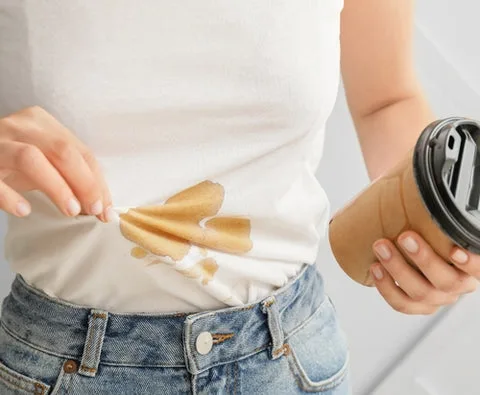
How to Get Spaghetti/tomato Sauce Stains Out of Clothes
You've been there. That perfect plate of spaghetti hits the table, one wrong move, and suddenly there's a bright red splatter across your favorite shirt. Knowing how to get spaghetti sauce stains out of clothes quickly can mean the difference between saving that garment and losing it for good.
Tomato sauce is one of the trickiest food stains out there. It's packed with lycopene, the red pigment that clings to fabric fibers, plus oils and proteins that bond fast if you don't act quickly. According to the American Cleaning Institute, prompt treatment within the first few minutes dramatically increases your chances of full removal.
Let's walk through exactly how to handle this, step by step.
Quick Answer
Act fast. Blot excess sauce with a clean cloth, then rinse the back of the stain under cold running water. Apply liquid dish soap directly to the area and gently work it in.
Let it sit for 10 to 15 minutes, then wash in cold water. Check the stain before drying, heat sets whatever remains. For older stains, pretreat with an enzyme-based detergent and soak for 30 minutes before washing.
Why Tomato Sauce Stains Are So Stubborn (And Why Most People Get It Wrong)
Tomato sauce marries three things that are each hard to remove on their own: pigment, oil, and protein.
Lycopene is the compound that gives tomatoes their deep red color. It's fat-soluble, meaning it bonds to the oils in the sauce, which in turn bond to fabric fibers. On top of that, most spaghetti sauces contain ground meat proteins or cheese, both of which set with heat.
The single biggest mistake people make is running a tomato stain under warm or right into the washing machine on a warm cycle. Heat cooks the proteins into the fabric and locks the pigment in place. Once that happens, you're fighting an uphill battle.
Another common error is rubbing the stain. Friction pushes the sauce deeper into the weave instead of lifting it out. Blotting, not rubbing, is the move.
How Tomato Sauce Stains Set Into Fabric — The Science Behind the Red
Lycopene is a carotenoid pigment, the same family of compounds found in carrots and watermelons. It's hydrophobic, so it repels water. That's why plain water alone barely touches a tomato stain.
The oils in the sauce act as a carrier, helping the pigment penetrate synthetic fibers especially well. Cotton absorbs the oil and pigment deep into its cellulose structure, while polyester traps them on the surface level, which is why polyester can sometimes be easier to treat.
Proteins from meat or dairy in the sauce denature when exposed to heat, essentially bonding themselves to the fabric at a molecular level. This is why time and temperature are your two most important variables. The fresher the stain and the cooler the water, the better your odds.
What You Need Before You Start: Supplies and Fabric Check
Before you grab anything, take five seconds to read the garment's care label. That little tag tells you the fabric type, maximum water temperature, and whether the item can handle bleach. Skip this step and you could remove the stain while ruining the shirt itself.
Supplies to gather:
- Liquid dish soap (any standard brand, the degreasing kind works best)
- White vinegar
- Baking soda
- Clean white cloths or paper towels
- An old toothbrush or soft-bristle brush
- Cold water access
- Enzyme-based laundry detergent
- Hydrogen peroxide (3%, for white fabrics only)
- Oxygen-based color-safe bleach (for colored fabrics)
Test whatever cleaning agent you plan to use on a hidden seam or inside hem first. Wait a minute, blot dry, and check for color change or fabric damage. If nothing happens, you're good to go.
Step-by-Step: How to Remove Fresh Tomato Sauce Stains From Clothes
A fresh stain is one that's still wet or damp. You've got a window of a few minutes to an hour where removal is straightforward.
Step 1: Remove excess sauce.
Use a spoon, dull knife, or the edge of a credit card to gently lift any solid or thick sauce off the fabric. Don't press down. You're just scooping the top layer away.
Step 2: Blot, don't rub.
Press a clean white cloth or paper towel firmly against the stain to absorb as much liquid as possible. Rotate to a clean section of the cloth and repeat until no more color transfers.
Step 3: Rinse from the back.
Turn the garment inside out and hold the stained area under cold running water, letting the water push the stain out from the reverse side. This prevents the sauce from being driven deeper into the fabric.
Step 4: Apply dish soap.
Squeeze a small amount of liquid dish soap directly onto the stain. Gently work it in with your fingers or a soft brush using light circular motions. Dish soap is a degreaser, so it breaks down the oils carrying the pigment.
Step 5: Let it sit.
Leave the soap on the stain for 10 to 15 minutes. This gives it time to penetrate the fibers and lift the oil bond.
Step 6: Rinse again with cold water.
Flush the soap out from the back of the fabric. Check the stain. If you still see a faint mark, repeat steps 4 and 5 before moving on.
Step 7: Wash as normal.
Launder the garment in cold water on your machine's regular cycle with enzyme-based detergent. Check the stain before putting anything in the dryer. If it's still visible, repeat the pretreatment.
If it's gone, you can dry as usual.
Step-by-Step: How to Remove Set-In or Dried Tomato Sauce Stains
A set-in stain is one that's already been through a wash cycle, dried, or left untreated for hours. These take more effort, but they're not always permanent.
Step 1: Scrape off any dried residue.
Use a dull knife or your fingernail to flake away any hardened sauce on the surface.
Step 2: Soak in cold water.
Submerge the garment in a basin of cold water for 30 minutes. This rehydrates the stain and loosens the bond between the pigment and the fabric.
Step 3: Apply an enzyme-based pretreatment.
Use a commercial stain remover spray or liquid, or work enzyme-based laundry detergent directly into the stain. Enzymes break down the protein component, which is often what's holding the pigment in place. Let it sit for 15 to 30 minutes.
Step 4: For white cotton only, try hydrogen peroxide.
Apply a small amount of 3% hydrogen peroxide to the stain. It acts as a mild oxidizing agent that breaks down lycopene. Let it bubble for 5 to 10 minutes, then rinse thoroughly.
Do NOT use this on colored or dark fabrics, it will bleach them.
Step 5: For colored fabrics, use oxygen bleach.
Mix oxygen-based color-safe bleach with cool water according to the package directions. Soak the garment for 1 to 2 hours. This is gentler than chlorine bleach but still effective at breaking down organic stains.
Step 6: Wash in the warmest water the care label allows.
For set-in stains, warm water (not hot) helps activate the cleaning agents better than cold. Check the care label first. If it says cold only, stick with cold and extend the soak time instead.
Step 7: Air dry and reassess.
Hang the garment to dry rather than using the machine dryer. If any trace of the stain remains, you can repeat the process without the risk of heat setting it further.
Fabric-Specific Guide: Cotton, Synthetics, Silk, Wool, and Delicates
Not all fabrics respond the same way to stain treatment. What works on a cotton t-shirt can destroy a silk blouse. Here's how to adjust your approach based on what you're working with.
Cotton and linen are the most forgiving. They can handle enzyme detergents, oxygen bleach, and warm water without much risk of damage. If the stain is set-in, cotton can take a longer soak and more aggressive scrubbing with a soft brush.
Polyester and synthetic blends hold stains on the surface rather than absorbing them deeply. That's actually an advantage. Dish soap alone often does the job since the oils haven't penetrated far.
Avoid high heat in the dryer, synthetics can bake in any remaining pigment fast.
Silk and wool require a completely different playbook. No enzyme detergents, no hydrogen peroxide, no vigorous rubbing. Mix a few drops of gentle dish soap with cool water, dab the stain lightly, and rinse by pressing a wet cloth against it.
Never soak silk, it weakens when wet. For wool, keep water temperature cool and avoid agitation, which causes felting.
Delicate or dry-clean only garments should go straight to a professional if the stain is large or set-in. Tell the dry cleaner exactly what the stain is. They have solvents that break down lycopene and protein bonds far better than anything you can use at home.
What Not to Do: Mistakes That Permanently Set the Stain
Some mistakes are easy to make in the moment, and they turn a fixable stain into a permanent one.
Using hot water on a fresh stain. Heat denatures the proteins in tomato sauce and bonds them to fabric fibers. Always start with cold water, even if it feels less effective.
Rubbing instead of blotting. Friction pushes the pigment deeper into the weave and can spread the stain to a larger area. Press and lift, press and lift.
Throwing it in the dryer before the stain is gone. The dryer is the point of no return. Heat sets any remaining pigment or protein permanently. Air dry until you're certain the stain is fully removed.
Using chlorine bleach on colored fabrics. Chlorine bleach doesn't just remove color, it can react with lycopene and turn the stain yellow, making it even harder to treat.
Mixing vinegar and hydrogen peroxide. Combined, they create peracetic acid, which is corrosive and can damage both fabric and skin. Use one or the other, never both on the same stain.
Skipping the care label. That tag exists for a reason. Ignoring it can mean using water that's too hot, a cleaner that's too harsh, or a technique that damages the fabric's structure.
Home Remedies vs. Commercial Stain Removers: What's Actually Worth It
Both approaches work, but they serve different situations. Here's a honest breakdown.
| Method | Best For | Pros | Cons |
|---|---|---|---|
| Dish soap + cold water | Fresh stains on cotton and synthetics | Cheap, available in every kitchen, effective on oil-based stains | Less effective on set-in or protein-heavy stains |
| White vinegar soak | Mild stains on colored fabrics | Gentle, deodorizing, accessible | Weak on heavy pigment, strong smell |
| Baking soda paste | Surface-level fresh stains | Mild abrasive, safe on most fabrics | Doesn't penetrate deep stains |
| Hydrogen peroxide | White cotton and linen only | Strong oxidizing action, breaks down lycophene | Bleaches colors, can weaken fibers with repeated use |
| Enzyme detergent | Set-in stains, protein-based sauces | Targets the protein bond holding the stain | Takes longer, needs soak time |
| Commercial stain remover spray | All fabric types, on-the-go treatment | Formulated for multiple stain types, convenient | More expensive, some contain harsh chemicals |
| Oxygen bleach soak | Colored fabrics with set-in stains | Color-safe, effective on organic stains | Requires longer soak time, less convenient |
For most fresh tomato stains, dish soap and cold water are all you really need. Commercial products shine when the stain has dried or been through a wash cycle already. Enzyme-based detergents are the standout choice for meaty or cheesy pasta sauces because they break down the protein component that holds everything together.
When to Call a Professional (And When You Can Still Save the Garment)
If you've tried two full rounds of pretreatment and washing and the stain is still visible, it might be time to call in a professional. Dry cleaners have access to perchloroethylene and other solvents that dissolve lycopene and protein bonds without damaging delicate fabrics.
You should go straight to a professional without attempting home treatment if the garment is silk, wool, vintage, or labeled dry-clean only. You should also seek help if the stain covers a large area or has been heat-set through a dryer cycle multiple times.
That said, don't give up too early. Some set-in stains respond to a third or fourth round of enzyme treatment and soaking. The key is patience and making sure the stain is truly gone before you apply any heat.
How to Prevent Tomato Sauce Stains in the First Place
The best stain is the one that never happens. A few small habits can save you a lot of trouble.
Wear an apron when cooking or serving pasta. It sounds obvious, but most stains happen during plating and eating, not cooking.
Keep a stain remover stick or pre-moistened laundry wipe in your kitchen or diaper bag. Treating a stain within the first 60 seconds makes removal dramatically easier.
Choose darker or patterned fabrics for meals involving tomato-based dishes. A red stain on a navy or patterned shirt is far less noticeable than on a white tee.
If you're packing lunches or traveling with pasta, use a container with a tight seal and a separate compartment for sauce. Spills in transit are some of the hardest to treat because you can't address them right away.
FAQs: Your Biggest Tomato Stain Questions, Answered
Can I use bleach to remove tomato sauce stains?
Chlorine bleach works on white cotton, but it can react with lycopene and leave a yellow mark. Oxygen-based color-safe bleach is a better option for both white and colored fabrics. It breaks down the pigment without the risk of discoloration.
Does tomato sauce stain come out of white clothes?
Yes, white cotton is the easiest fabric to treat. Dish soap and cold water handle most fresh stains. For set-in stains on whites, hydrogen peroxide at 3% concentration is effective at oxidizing the lycopene pigment.
Let it sit for 5 to 10 minutes before rinsing.
How long do I have before a tomato stain becomes permanent?
There's no exact cutoff, but the first 15 to 30 minutes are critical. Once the stain dries or is exposed to heat, the proteins bond to the fabric and removal gets significantly harder. A stain that's been through the dryer may still come out, but it takes multiple treatment cycles.
Will ketchup or pizza sauce stains come out the same way?
Yes. Ketchup, pizza sauce, marinara, and salsa all share the same lycopene pigment and oil base. The same dish soap and cold water method works across all of them.
Salsa may have additional green pigment from peppers or cilantro, but the treatment approach is identical.
Can I put the shirt in the wash without pretreating?
You can, but it's risky. Washing without pretreatment often sets the stain, especially if you use warm or hot water. At minimum, rinse the stain under cold water and apply dish soap before it goes in the machine.
What if the stain is still there after washing?
Don't dry it. Repeat the pretreatment with an enzyme-based detergent and soak the garment in cold water for 30 minutes. Wash again in the warmest water the care label allows.
Air dry and check. If a faint shadow remains, a second round of oxygen bleach soak usually finishes the job.
Final Decision Guide: Pick the Right Method for Your Stain
Here's a quick way to figure out exactly what to do based on your situation.
If the stain is fresh and the fabric is cotton or synthetic: Blot, rinse with cold water, apply dish soap, wait 10 minutes, rinse, and wash. That's your fastest path to a clean result.
If the stain is fresh and the fabric is silk or wool: Dab gently with cool water and a drop of dish soap. Don't soak, don't rub. If the stain doesn't lift quickly, take it to a professional.
If the stain is dried or set-in on cotton or synthetic: Soak in cold water for 30 minutes, pretreat with enzyme detergent, and wash. For white fabrics, add hydrogen peroxide to the pretreatment step.
If the stain is dried or set-in on colored fabric: Soak in an oxygen bleach solution for 1 to 2 hours, then wash in warm water. Check before drying.
If the stain has been through the dryer: Try the enzyme soak and oxygen bleach method. If it survives two full cycles, a dry cleaner is your best remaining option.
The common thread across every scenario is the same: act fast, use cold water first, and never apply heat until you're sure the stain is gone. That alone will save most of your clothes.