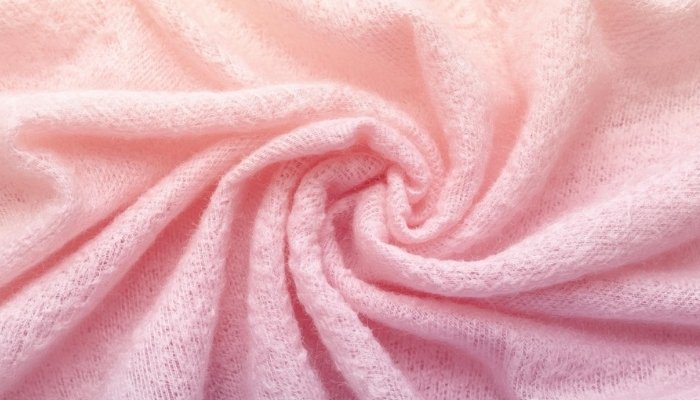
How to Design/create Your Own Fabric for 2026: Simple Steps
Designing and creating your own fabric opens up a world of creative possibilities that store-bought textiles simply can't match. Whether you're a crafter looking to make custom upholstery, a fashion designer prototyping a new collection, or just someone who wants to understand how textiles actually come together, the process is more accessible than you might think. You don't need a factory.
You need the right fibers, some basic tools, and a willingness to learn by doing.
At its core, fabric creation involves turning raw fibers into yarn, then weaving, knitting, or felting that yarn into a finished textile. The International Organization for Standardization (ISO) defines fabric weight in grams per square meter (GSM), which helps you compare your handmade results against commercial textiles. As of 2026, small-scale and home-based textile production has grown significantly, driven by interest in sustainable fashion and artisanal craft.
Let's walk through everything you need to know to get started.
Image source: Bing (Web (fair-use with source credit))
Quick Answer
To design and create your own fabric, start by choosing your fiber type, such as cotton, wool, or linen. Spin or purchase yarn, then weave it on a loom using a basic plain weave pattern. You can also dye or print your fabric after weaving to add color and pattern.
The essential tools include a loom, yarn, a shuttle, and a reed. Start small with a tabletop loom to practice before committing to larger projects.
Understanding the Basics: What Goes Into Fabric Design
Before you touch a single thread, it helps to understand what fabric actually is. At the simplest level, fabric is a textile made by interlacing fibers. Those fibers can come from plants (cotton, flax, hemp), animals (wool, silk), or synthetic sources (polyester, nylon).
The way those fibers are spun, twisted, and interlaced determines the fabric's texture, strength, drape, and appearance.
There are three primary methods for creating fabric at home. Weaving uses a loom to interlace warp (vertical) and weft (horizontal) threads. Knitting or crocheting loops yarn into fabric using needles or a hook.
Felting mats fibers together using moisture, heat, and pressure. Weaving is the most versatile method for producing flat fabric suitable for garments, bags, and home goods.
The weave pattern you choose matters as much as the fiber. A plain weave, where the weft thread alternates over and under each warp thread, produces a strong, even fabric. A twill weave creates a diagonal pattern and a softer drape.
A satin weave yields a smooth, lustrous surface. Each pattern requires a different loom setup, but plain weave is where every beginner should start.
Understanding grainline is also essential when working with any fabric, including handmade. If you're new to the concept, our guide on how to find grainline on fabric explains how fabric behaves differently depending on the direction of the threads. This knowledge will help you cut and sew your handmade fabric more effectively.
Choosing the Right Fibers for Your Project
The fiber you choose shapes everything about your finished fabric. Cotton is soft, breathable, and easy to work with, making it ideal for beginners. Linen is stronger and more durable but has less elasticity, which can make it trickier to weave evenly.
Wool provides warmth and natural stretch, while silk offers a luxurious sheen at a higher price point.
Synthetic fibers like polyester and nylon are durable and resistant to wrinkles and shrinking. However, they don't breathe as well as natural fibers and can be harder to dye at home. Blended yarns, which combine natural and synthetic fibers, offer a middle ground.
A cotton-polyester blend, for example, gives you the softness of cotton with added durability.
Here's a quick comparison to help you decide:
| Fiber | Best For | Difficulty | Cost |
|---|---|---|---|
| Cotton | Beginners, lightweight fabrics | Easy | Low to moderate |
| Linen | Upholstery, structured garments | Moderate | Moderate |
| Wool | Warm textiles, felting | Moderate | Moderate to high |
| Silk | Luxury items, scarves | Difficult | High |
| Polyester | Durable goods, outdoor use | Easy | Low |
| Cotton-polyester blend | Everyday wear, easy care | Easy | Low to moderate |
When selecting yarn for weaving, pay attention to the yarn count, which indicates thickness. A higher yarn count (such as 20/2 versus 8/2 in the cotton numbering system) means a finer thread. Thicker yarns weave up faster but produce a heavier fabric.
Thinner yarns take longer but yield a lighter, more refined textile.
Image source: Bing (Web (fair-use with source credit))
If you're working with wool or other animal fibers, you may encounter lint and pilling as you work. Understanding what lint is and how fiber length affects pilling can help you choose higher-quality yarns that hold up better during the weaving process.
Essential Tools and Materials You'll Need
You don't need a lot of equipment to start making fabric, but the right tools make a real difference. Here's what you'll want to have on hand.
For weaving:
- A loom (tabletop or floor loom, depending on your space and project size)
- A shuttle (to carry the weft thread back and forth)
- A reed (to space the warp threads evenly and beat the weft into place)
- Warp yarn and weft yarn
- Scissors and a tapestry needle
- A warping board or warping pegs (to measure and prepare your warp threads)
For dyeing:
- Fiber-reactive dyes or natural dye materials (such as onion skins, avocado pits, or indigo)
- A mordant like alum (to help natural dyes bond to fabric)
- Stainless steel or enamel pots (avoid aluminum, which can react with dyes)
- Rubber gloves and a well-ventilated workspace
- Measuring spoons and a kitchen scale
For printing:
- Fabric paint or screen-printing ink
- A squeegee (for screen printing)
- Stamps or blocks (for block printing)
- A flat, padded surface to print on
A tabletop loom is the best starting point for most beginners. They're affordable, portable, and simple to set up. Rigid heddle looms are particularly user-friendly because the heddle mechanism raises and lowers alternate warp threads in one motion.
Floor looms offer more complexity and faster weaving but require more space and investment.
If you plan to dye your fabric, start with fiber-reactive dyes like Procion MX. They bond chemically with plant-based fibers and produce vibrant, wash-fast colors. Natural dyes are rewarding but less predictable.
They require mordanting the fabric first, and the final color depends on factors like water pH, dye concentration, and soaking time.
Step-by-Step: How to Weave Fabric on a Loom
Weaving is the backbone of fabric creation. Once you understand the basic process, you can experiment with patterns, textures, and fiber combinations. Here's how to get started with a rigid heddle loom.
Step 1: Plan your project. Decide on the dimensions of your finished fabric and calculate how much warp and weft yarn you'll need. A general rule is to make your warp about 10% longer than your desired finished length to account for take-up (the slight shortening that happens during weaving).
Step 2: Warp the loom. Using a warping board or pegs, measure out your warp threads to the correct length and number. Then thread each warp thread through a slot or hole in the heddle, following your loom's instructions. Wind the warp onto the back beam and tie the ends to the front apron rod in even, consistent bundles.
Step 3: Check your tension. Before you start weaving, pull on several warp threads to make sure they feel evenly tensioned. Uneven tension causes puckering and distortion in the finished fabric. Adjust any loose or tight threads now.
Step 4: Start weaving. Pass the shuttle through the shed (the opening created when you raise or lower the heddle). Beat the weft thread into place with the reed. Alternate between raising and lowering the heddle to create the over-under pattern of a plain weave.
Keep your edges straight by leaving a slight curve in the weft thread before beating, rather than pulling it tight.
Step 5: Advance the fabric. After every few inches of weaving, release the back beam and wind the woven fabric onto the front beam. This keeps your weaving area at a comfortable height and maintains consistent tension.
Step 6: Finish and remove. When you've reached your desired length, cut the warp threads, leaving enough length to tie off. You can finish the edges by tying fringe, hemming, or using a zigzag stitch on a sewing machine to prevent unraveling.
A common beginner mistake is beating the weft too hard, which makes the fabric stiff and dense. Aim for a consistent, moderate pressure. Your fabric should feel pliable, not rigid.
If you notice loops forming along the edges, you're pulling the weft too tight. Relax your hands and let the thread curve slightly as you lay it in.
Image source: Wikimedia Commons / Tim from Washington, D.C., United States of America (CC BY-SA)
Step-by-Step: How to Dye Fabric at Home
Dyeing lets you add color and personality to your handmade fabric. Whether you use synthetic dyes or natural materials, the process follows a similar sequence. Here's how to dye fabric using fiber-reactive dyes, which give the most reliable results on cotton, linen, and other plant-based fibers.
Step 1: Pre-wash your fabric. Remove any sizing, oils, or residues by washing the fabric in hot water with a small amount of soda ash (sodium carbonate). This helps the dye absorb evenly. Do not use fabric softener.
Step 2: Prepare the dye bath. Dissolve the dye powder in a small amount of warm water. Add it to a larger container of water (stainless steel or plastic). The amount of dye depends on the weight of your fabric and the depth of color you want.
A standard ratio is 1 to 2 tablespoons of dye per pound of fabric for medium shades.
Step 3: Soak the fabric. Submerge the pre-washed, wet fabric in the dye bath. Stir gently and consistently for 15 to 30 minutes to ensure even coverage. For darker colors, leave the fabric soaking for up to an hour.
Step 4: Add soda ash. Dissolve soda ash in warm water and add it to the dye bath. This activates the chemical bond between the dye and the fiber. Stir for another 15 to 20 minutes.
Step 5: Rinse and wash. Remove the fabric and rinse it in cool water until the water runs clear. Then wash it in warm water with a mild detergent to remove any excess dye. Hang to dry away from direct sunlight to prevent fading.
For natural dyes, the process starts with mordanting. Soak your fabric in an alum solution (about 15% of the fabric's weight) for an hour, then proceed with the dye bath. Natural dyes like onion skins produce warm yellows and oranges.
Avocado pits and skins yield soft pinks and blush tones. Indigo requires a separate vat setup and produces rich blues through oxidation.
Ventilation matters when working with any dye. Wear gloves to protect your skin, and work in a well-ventilated area or outdoors. Never use cooking pots for dyeing.
Keep your dyeing equipment separate from kitchen utensils.
If you're dyeing towels or other absorbent textiles, you may notice excess lint in the dye bath. Our guide on how to remove lint from towels in the washing machine offers tips for managing lint that can interfere with even dye absorption.
Image source: Bing (Web (fair-use with source credit))
Step-by-Step: How to Print Designs on Fabric
Printing lets you add patterns, images, and text to your fabric without weaving them in. It's a great way to customize plain-woven textiles or add detail to a finished piece. Three methods work well at home: block printing, screen printing, and direct painting.
Block printing is the simplest. Carve a design into a rubber block or use a pre-made stamp. Apply fabric paint to the surface with a roller or brush, then press it firmly onto the fabric.
Repeat for a pattern. This method works best for bold, simple designs. Intricate details get lost unless you're very precise.
Screen printing gives sharper results. You'll need a mesh screen, a squeegee, and a stencil (either cut from vinyl or created with photo-emulsion). Spread ink across the screen, then pull the squeegee across to push ink through the mesh and onto the fabric below.
Each color requires a separate screen. It's more setup, but the results are professional.
Direct painting is the most flexible. Use fabric paint and brushes, sponges, or even spray bottles to apply color directly. This works for one-of-a-kind pieces or artistic designs.
The downside is inconsistency. Matching a pattern across multiple yards is nearly impossible freehand.
Whichever method you choose, heat-set the paint after it dries. Iron the fabric on the reverse side for 3 to 5 minutes, or tumble dry on high for 30 minutes. This bonds the paint to the fiber and makes it wash-fast.
Without heat-setting, the design will fade or crack after a few washes.
If you're printing on fabric that will become clothing or blankets, pilling can be a concern over time. Understanding what fabric is lint free helps you choose base fabrics that hold up better under repeated washing after printing.
Common Mistakes in DIY Fabric Creation (and How to Avoid Them)
Every beginner hits the same walls. Knowing what to watch for saves time, materials, and frustration.
Uneven warp tension. This is the number one weaving mistake. If some threads are tighter than others, your fabric will pucker, bow, or have visible gaps. Before you start weaving, pluck each warp thread like a guitar string.
They should all produce the same pitch. Adjust any that feel off.
Inconsistent beat pressure. Beating the weft too hard makes stiff, dense fabric. Too loose and the threads won't hold together. Aim for a firm, even press with each pass.
Your fabric should feel cohesive but still flexible.
Skipping the pre-wash. Raw fibers often contain sizing, oils, or dirt that interfere with dyeing and finishing. Always wash your yarn or fabric before dyeing. Skipping this step leads to splotchy, uneven color.
Using the wrong dye for your fiber. Fiber-reactive dyes work on plant-based fibers but not on polyester. Acid dyes work on protein fibers like wool and silk but not on cotton. Match your dye to your fiber, or the color won't bond properly.
Poor edge control. Wavy or loopy edges happen when you pull the weft thread too tight. Let the thread form a slight arc or bubble before you beat it into place. This gives the thread room to settle without pulling the edges inward.
Rushing the drying process. Dyed or painted fabric needs adequate drying time. Trapped moisture leads to mildew, uneven color setting, and weakened fibers. Hang fabric in a well-ventilated area and let it dry completely before folding or storing.
If you're working with finished fabric that develops pilling or fuzz over time, a fabric shaver can restore the surface. Our guide on how to use a fabric shaver covers the technique for keeping handmade textiles looking clean and fresh.
How to Test and Evaluate Your Finished Fabric
Once your fabric is complete, you'll want to know how it performs. Testing doesn't require a lab. A few simple checks tell you whether your fabric is ready for its intended purpose.
Drape test. Hold a square of fabric by one edge and let it hang. Does it fall softly or stand stiff? A good drape matters for garments and curtains.
Stiff fabric works better for bags, upholstery, and structured items.
Tensile strength test. Grab opposite edges of the fabric and pull firmly. Does it stretch, tear, or hold? For items that bear weight, like tote bags or straps, you need fabric that resists tearing under tension.
Wash test. Machine wash a small swatch on the cycle you plan to use. Check for shrinkage, color bleeding, and pilling after washing and drying. Measure the swatch before and after to calculate shrinkage rate.
Anything over 5% means you should pre-shrink your fabric before cutting and sewing.
Colorfastness test. Rub a white cloth firmly against the dyed fabric. If color transfers, your dye isn't fully set. Re-heat-set the fabric or rewash it until the color holds.
Pilling test. Rub the fabric against itself vigorously for 30 seconds. If small balls of fiber form immediately, the fabric may pill with regular use. Longer staple fibers and tighter weaves resist pilling better.
Here's a quick reference for evaluating your results:
| Test | What to Look For | Pass Criteria |
|---|---|---|
| Drape | How the fabric hangs | Matches intended use |
| Tensile strength | Resistance to pulling | No tearing under moderate force |
| Wash | Shrinkage and color hold | Less than 5% shrinkage, no bleeding |
| Colorfastness | Transfer to white cloth | No visible color on cloth |
| Pilling | Fiber balls after rubbing | Minimal or no pilling |
Document your results. Keep a notebook with details on fiber type, yarn count, weave pattern, dye method, and test outcomes. This record helps you replicate successes and avoid repeating mistakes on future projects.
Real-World Examples: From Yarn to Finished Textile
Seeing how the process comes together in practice helps solidify the concepts. Here are two realistic scenarios based on common beginner projects.
Project 1: Cotton dish towels. A weaver starts with 8/2 cotton yarn in natural white. They warp a rigid heddle loom for a 20-inch-wide fabric, aiming for three towels at 18 by 28 inches each. Using a plain weave at 20 ends per inch, the weaving takes about 6 hours total.
After cutting the fabric from the loom, they hem the edges with a zigzag stitch. The towels are then dyed in a Procion MX fiber-reactive dye bath in indigo blue. After heat-setting, the towels measure 17 by 27 inches, a 5% shrinkage that was accounted for in the original dimensions.
Wash testing shows no bleeding after five cycles.
Project 2: Wool scarf with block-printed design. A crafter purchases a pre-woven wool fabric in a medium weight (around 200 GSM). They carve a simple geometric stamp from soft rubber and use fabric paint in two colors. After printing and heat-setting, the scarf is tested for colorfastness by rubbing with a white cloth.
No transfer occurs. The drape test confirms the fabric hangs softly, suitable for a wearable accessory. After ten washes, the printed design remains intact with minimal fading.
Both projects illustrate the importance of planning, testing, and adjusting. The cotton towels required accounting for shrinkage upfront. The wool scarf needed heat-setting to lock in the printed design.
Neither project went perfectly on the first attempt, and that's normal.
If you're making items like blankets or sweaters from handmade or hand-selected fabric, managing surface fuzz becomes part of long-term care. Our guide on how to get the fuzz balls off of sweaters offers practical maintenance tips that apply to handmade textiles as well.
Safety and Environmental Considerations
Working with dyes, mordants, and chemical additives requires attention to safety. Some common dyeing agents are skin irritants or respiratory hazards if mishandled.
Ventilation. Always dye in a well-ventilated space. Fiber-reactive dyes and soda ash can release fine particles that irritate lungs. Open windows, use a fan, or work outdoors.
If you're using ammonia or vinegar in natural dyeing, the fumes can be strong in enclosed spaces.
Skin protection. Wear rubber gloves when handling dye powders, mordants, and acid solutions. Alum is relatively mild but can dry out skin with prolonged contact. Some synthetic dyes are known sensitizers, meaning repeated exposure can trigger allergic reactions even if the first few uses cause no issues.
Eye protection. Splashes happen. Wear safety glasses when mixing dye powders or pouring chemical solutions. This is especially important when working with soda ash, which is alkaline and can irritate eyes.
Disposal. Never pour dye baths down storm drains. The chemicals can harm aquatic systems. Check local regulations for textile waste disposal.
In many areas, small quantities of fiber-reactive dye can go down the drain with plenty of water, but natural mordants like copper or chrome require special handling. When in doubt, contact your local waste management authority.
Storage. Keep dye powders and chemicals in labeled, sealed containers away from children and pets. Store in a cool, dry place. Some dyes degrade with moisture or heat, losing potency over time.
For those interested in sustainable practices, natural fibers and plant-based dyes have a lower environmental footprint than synthetic alternatives. Organic cotton, linen, and hemp require fewer chemical inputs to grow. Natural dyes are biodegradable.
The trade-off is less color consistency and lower wash-fastness, but for many home crafters, that's an acceptable compromise.
Expert Tips for Consistent, High-Quality Results
Experience separates rough first attempts from fabric you're proud to use or sell. These tips come from seasoned weavers and textile artists who've refined their process over years.
Keep your warp threads organized. Use a threading cross or lease sticks to maintain order when warping. One crossed thread creates a tangle that can take an hour to fix.
A few minutes of prevention saves real frustration.
Measure twice, cut once. Calculate your yarn needs before starting. Running out of warp yarn mid-project means starting over.
Add 10% extra to every estimate for waste and mistakes.
Maintain a project journal. Record fiber type, yarn count, loom settings, dye formulas, and results. When you create something you love, you'll want to replicate it.
Without notes, you're guessing.
Practice on small samples before committing to large pieces. A 6-inch test swatch reveals tension issues, color problems, and weave inconsistencies without wasting materials. Most experienced weavers sample first, always.
Join a local weaving guild or online community. Other weavers spot problems you might miss and share solutions you haven't considered. The learning curve flattens dramatically with mentorship.
Frequently Asked Questions
How long does it take to weave a yard of fabric?
On a rigid heddle loom at 20 ends per inch, expect 2 to 4 hours per yard for a plain weave. Complex patterns or finer yarns take longer. Your speed improves significantly with practice.
Can I make fabric without a loom?
Yes. Knitting, crocheting, and felting all produce fabric without a loom. Finger weaving and backstrap weaving are ancient techniques that require minimal equipment.
Each method creates a different texture and drape.
What's the best fiber for beginners?
Cotton is the most forgiving. It's widely available, easy to dye, and doesn't stretch unpredictably. Start with a medium-weight 8/2 cotton yarn on a rigid heddle loom.
How do I prevent my handmade fabric from shrinking?
Pre-wash your yarn before weaving, or pre-shrink finished fabric by washing and drying it before cutting and sewing. Account for 3 to 5% shrinkage in your initial dimensions.
Is it cheaper to make your own fabric than to buy it?
For small batches, usually not. Commercial production benefits from economies of scale. The value of DIY fabric lies in customization, quality control, and the satisfaction of making something unique.
Can I sell fabric I make at home?
Yes, but check local regulations. Some jurisdictions require fiber content labeling, and fabrics sold for children's clothing must meet flammability standards under the Consumer Product Safety Improvement Act (CPSIA).