How to Get Mold Out of Fabric Shower Curtain 2026
How to Get Mold Out of Fabric Shower Curtain
You walk into your bathroom, pull back the shower curtain, and there it is. Black, green, or gray spots creeping along the bottom hem. Mold on a fabric shower curtain is one of those problems that shows up fast and gets worse if you ignore it.
The good news is that most fabric curtains can be fully cleaned and saved, as long as you match the method to your fabric type and the severity of the mold.
The key is acting quickly and using the right approach for your specific curtain. A white cotton curtain with light mildew needs a very different treatment than a colored polyester curtain with deep-set mold. In our research, the EPA notes that mold thrives in environments where humidity stays above 50%, which describes most bathrooms after a hot shower.
That means cleaning the curtain is only half the battle. You also need to address why the mold grew in the first place. Let's walk through exactly how to do both.
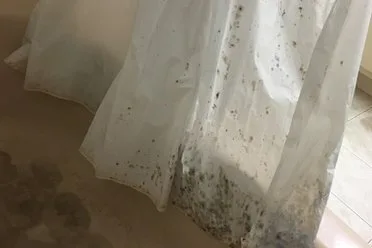
Image source: Bing (Web (fair-use with source credit))
Quick Answer
To get mold out of a fabric shower curtain, start by checking the care label to confirm the fabric type and washing instructions. For light mildew, soak the curtain in a solution of equal parts white distilled vinegar and warm water for one hour, then machine wash with an enzyme-based detergent on a warm cycle. For deep mold on white cotton or linen, use a diluted chlorine bleach solution (one-half cup per gallon of water) for 15 to 30 minutes before washing.
Always dry the curtain completely, preferably in direct sunlight, and address bathroom ventilation to prevent regrowth.
Why Mold on Your Fabric Shower Curtain Keeps Coming Back
Mold isn't just a surface problem. It's a symptom of an environment that keeps feeding it. If you clean your curtain and it comes back within a few weeks, something in your bathroom is creating the perfect conditions for mold to thrive.
The most common culprit is poor ventilation. When you take a hot shower and the steam has nowhere to go, moisture clings to every surface. A bunched-up shower curtain traps that dampness against the fabric, and within days, mold spores that are naturally present in the air start colonizing.
The bottom hem gets hit worst because water pools there and takes the longest to dry.
Humidity is the other big factor. According to the CDC, mold grows fastest when indoor relative humidity exceeds 60%, and most bathrooms spike well past that during and after showers. If your bathroom doesn't have an exhaust fan, or if you don't run it long enough, you're essentially running a mold incubator.
Here's what keeps mold coming back after cleaning:
- The curtain stays bunched or folded when not in use. Air can't circulate through the folds, so moisture gets trapped.
- The exhaust fan is undersized, broken, or never turned on. Steam lingers for hours.
- There's no window to crack open. Stagnant air means slow drying.
- The curtain was put back up while still damp. Even slightly damp fabric is enough for mold to re-establish.
- The root mold colony wasn't fully killed. Surface cleaning without a proper soak leaves spores deep in the weave.
Cleaning the curtain without fixing these conditions is like mopping a floor while the faucet is still running. You need both parts. The cleaning methods in this guide will handle the mold itself.
The prevention section at the end will help you stop it from returning.
How to Tell If Your Curtain Can Be Saved or Needs Replacing
Not every moldy curtain is worth saving. Sometimes the damage is too deep, the fabric is too degraded, or the health risk isn't worth it. Here's how to make that call.
Check the fabric condition first. If the curtain feels brittle, has thin or fraying areas, or the mold has actually eaten through the weave in spots, replacement is the smarter move. Mold that has penetrated deep into the fibers of a cheap polyester curtain can be nearly impossible to fully eliminate, and those remaining spores will spread.
Look at the color and coverage. Light surface mildew covering less than about 20% of the curtain is almost always fixable. Heavy black mold covering large sections, especially if it's been there for months, is a different story. Deep black mold often leaves permanent staining even after the spores are dead, and the structural integrity of the fabric may be compromised.
Consider your health. If anyone in your household has asthma, allergies, or a compromised immune system, the EPA recommends being more aggressive about mold removal. A heavily colonized curtain can release spores every time you move it, and cleaning it yourself can aerosolize those spores. In those cases, replacing the curtain and focusing on prevention is often the safer choice.
Factor in the cost. As of 2026, a decent fabric shower curtain runs between $15 and $40. If you're spending an hour on deep cleaning and the curtain still looks rough, your time and effort probably aren't worth saving a $12 curtain.
Quick decision guide:
| Situation | Recommendation |
|---|---|
| Light mildew, good fabric condition | Clean it |
| Deep mold on white cotton/linen, fabric intact | Clean with bleach soak |
| Deep mold on colored or delicate fabric | Try vinegar method; replace if staining remains |
| Mold covering more than 30% of the curtain | Replace |
| Fabric is brittle, torn, or thinning | Replace |
| Mold returns within 2 weeks of thorough cleaning | Replace and fix ventilation |
If you decide to replace, consider a curtain made from a more mold-resistant fabric. Our guide on what fabric is lint free covers material properties that also relate to moisture resistance and ease of cleaning.
What You'll Need Before You Start
Gather everything before you take the curtain down. Having your supplies ready means you can work efficiently and get the curtain cleaned and drying as fast as possible.
Cleaning solutions (pick based on your fabric and mold severity):
- White distilled vinegar, the workhorse for most mold situations. It kills about 82% of mold species according to research cited by the EPA.
- Baking soda, for gentle scrubbing and odor removal.
- Hydrogen peroxide (3% household strength), a good alternative for colored fabrics where you want something stronger than vinegar but safer than bleach.
- Chlorine bleach (sodium hypochlorite), only for white cotton or linen that can handle it.
- Oxygen-based color-safe bleach (sodium percarbonate), for colored fabrics that need more than vinegar but can't take chlorine bleach.
- Borax (sodium borate), another option for pre-soaking that boosts cleaning power.
Tools and supplies:
- Rubber gloves to protect your skin from cleaning solutions and mold spores
- A soft-bristle brush or old toothbrush for scrubbing
- A spray bottle for pre-treating spots
- A bathtub or large basin for soaking
- Access to a washing machine (for machine-washable curtains)
- An enzyme-based laundry detergent
- A clothesline or drying rack, preferably one you can use outdoors
Safety gear:
- If the mold coverage is significant, consider wearing an N95 respirator mask. Disturbing heavy mold colonies releases spores into the air, and breathing them in can cause respiratory irritation.
- Open a window or turn on the exhaust fan before you start scrubbing.
Image source: Bing (Web (Web (fair-use with source credit)))
Cleaning Method by Fabric Type and Mold Severity
This is where most generic advice falls short. The right method depends entirely on what your fabric shower curtain is made of and how bad the mold situation is. Using the wrong approach can damage the fabric or fail to kill the mold.
Light Mildew on Machine-Washable Polyester or Nylon
This is the most common scenario and the easiest to fix. Polyester and nylon shower curtains are typically machine-washable and respond well to vinegar-based cleaning.
- Remove the curtain from the rod. Shake it out over a trash can to dislodge loose spores.
- Fill your bathtub with warm water and add one gallon of white distilled vinegar. Submerge the curtain completely.
- Let it soak for one hour. This gives the acetic acid in the vinegar time to penetrate the fabric and kill the mildew at the root.
- After soaking, drain the tub and refill with clean warm water. Add one cup of baking soda and agitate the curtain in the solution for 10 minutes. This neutralizes odors and provides gentle abrasion.
- Scrub any remaining visible spots with a soft-bristle brush.
- Transfer the curtain to the washing machine. Wash on a warm cycle with an enzyme-based laundry detergent. Add one cup of vinegar to the fabric softener dispenser as a rinse-stage booster.
- Hang to dry immediately. Do not leave it sitting in the washing machine.
This method works for the majority of fabric shower curtains on the market as of 2026. Most are polyester, and most care labels permit machine washing on a gentle or permanent press cycle.
Deep Mold on White Cotton or Linen
White natural-fiber curtains can handle stronger treatments. If the mold has set in deeply, vinegar alone may not be enough.
- Take the curtain outside or work in a well-ventilated bathroom with the exhaust fan running.
- Prepare a solution of one-half cup chlorine bleach per gallon of cool water in your bathtub. Never use hot water with bleach. It breaks down the active ingredient faster and produces more fumes.
- Submerge the curtain and let it soak for 15 to 30 minutes. Do not exceed 30 minutes, as prolonged bleach exposure weakens cotton fibers.
- Drain and refill with clean water. Add one cup of baking soda to neutralize the bleach.
- Scrub remaining stained areas gently with a soft brush.
- Machine wash separately on a warm cycle with regular detergent. Run an extra rinse cycle to ensure all bleach residue is removed.
- Dry in direct sunlight if possible. UV radiation provides additional sterilization.
Important safety note: Never mix bleach with vinegar, ammonia, or hydrogen peroxide. Combining bleach with any of these produces toxic chlorine or chloramine gas. Rinse the curtain thoroughly between any steps that involve different cleaning agents.
Delicate Fabrics You Can't Bleach or Machine Wash Hard
Some fabric shower curtains have decorative elements, special coatings, or blended fibers that can't handle aggressive treatment. For these, you need a gentler but still effective approach.
- Mix equal parts white distilled vinegar and water in a spray bottle.
- Lay the curtain flat on a clean surface or hang it on a clothesline outdoors.
- Spray the affected areas thoroughly until saturated. Let the solution sit for 15 minutes.
- Spray again and gently scrub with a soft-bristle brush. Work in small sections.
- Rinse by spraying clean water over the treated areas or by dunking sections in a basin of clean water.
- If the care label permits machine washing, run a gentle cycle with cold water and a mild detergent. Otherwise, hand wash in a basin with cool water and a small amount of enzyme detergent.
- Press out excess water with a clean towel. Hang to dry in a well-ventilated area or outdoors.
For curtains with metal grommets, avoid bleach entirely. Chlorine bleach accelerates rust and corrosion on metal hardware, which can stain the surrounding fabric and weaken the grommet attachment points.
Image source: Bing (Web (fair-use with source credit))
Step-by-Step: The Best Cleaning Process for Your Situation
Now let's put it all together in a single workflow you can follow regardless of your curtain type. Use the decision points below to find your path, then execute the matching steps.
Step 1: Remove the curtain and inspect it.
Take the curtain off the rod and lay it out flat. Check the care label for fabric content and washing instructions. Look at the mold coverage and note the color and texture.
Surface mildew looks like powdery gray or white patches. Established mold appears as black, green, or dark brown spots with a slightly slimy texture.
Step 2: Choose your cleaning method based on the table below.
| Fabric Type | Mold Severity | Recommended Method |
|---|---|---|
| Polyester or nylon (machine-washable) | Light mildew | Vinegar soak + machine wash |
| Polyester or nylon (machine-washable) | Deep mold | Vinegar soak + hydrogen peroxide spot treatment + machine wash |
| White cotton or linen | Light mildew | Vinegar soak + machine wash |
| White cotton or linen | Deep mold | Diluted bleach soak + machine wash |
| Delicate or blended fabric | Any | Vinegar spray + hand wash or gentle cycle |
| Any fabric with metal grommets | Any | Vinegar-based methods only (no bleach) |
Step 3: Pre-treat the worst areas.
Before soaking or washing, spray the most heavily affected areas with undiluted white vinegar or 3% hydrogen peroxide. Let it sit for 10 to 15 minutes. This gives the active ingredient a head start on killing the mold before the full soak.
Step 4: Soak according to your method.
Follow the soak instructions from the relevant section above. Use your bathtub for full-submersion soaks. Make sure the curtain is fully submerged and not floating on top.
Weigh it down with a clean towel if needed.
Step 5: Scrub gently.
After soaking, use a soft-bristle brush to work on any remaining visible mold. Use light pressure and work in the direction of the fabric weave. Aggressive scrubbing can damage fibers and create thin spots where mold will colonize even faster in the future.
Step 6: Wash.
Machine wash on the appropriate cycle for your fabric type. Use warm water for polyester and cotton. Use cold water for delicate fabrics.
Add an enzyme-based detergent, which is specifically formulated to break down organic matter like mold. Avoid fabric softener, as it coats fibers and can trap moisture in the fabric.
Step 7: Rinse thoroughly.
If your machine has an extra rinse option, use it. Any cleaning solution left in the fabric can cause skin irritation or create residue that actually attracts more mold over time.
Step 8: Dry completely.
This is the step most people rush, and it's where things go wrong. A curtain that goes back up even slightly damp is a mold magnet. Hang it on a clothesline in direct sunlight if you can.
Sunlight's UV rays kill remaining spores naturally. If you must dry indoors, use a drying rack in a well-ventilated room with a dehumidifier running. Do not rehang the curtain until it is bone dry.
Image source: Bing (Web (fair-use with source credit))
How to Dry and Rehang Your Curtain So Mold Doesn't Return
Drying isn't just the last step of cleaning. It's the first step of prevention. How and where you dry your curtain directly affects whether mold comes back.
Outdoor drying is best. Hang the curtain on a clothesline in direct sunlight. UV radiation is a natural disinfectant, and outdoor airflow dries fabric faster than any indoor setup. Even a few hours of sun exposure after washing significantly reduces the chance of residual mold spores surviving.
If you must dry indoors, use a drying rack positioned near a window or under a ceiling fan. Run a dehumidifier in the room to pull moisture from the air. The target is to get indoor relative humidity below 50%, which the EPA identifies as the threshold below which mold growth is unlikely.
Never dry a fabric shower curtain in a clothes dryer on high heat. Most fabric curtains are polyester, and high heat can warp, shrink, or melt the material. If the care label explicitly permits tumble drying, use the lowest heat setting and remove the curtain while it's still slightly damp to air-dry the rest of the way.
Before rehanging, inspect the curtain one more time. Run your hand along the bottom hem and any folds where mold was previously visible. If you see any remaining discoloration, repeat the cleaning process on those spots before putting the curtain back up.
When you rehang it, spread the curtain fully across the rod. This is the single most effective thing you to prevent future mold growth. A fully spread curtain dries in a fraction of the time compared to one that's bunched to one side. If your curtain is wider than your tub, consider using a curved shower rod that holds the curtain away from the wall and allows better airflow.
For more on how fabric care and maintenance extends the life of household textiles, our guide on how to get rid of lint on blankets covers washing and drying techniques that apply to fabric care more broadly.
Prevention: What Actually Stops Mold From Growing Again
Cleaning the curtain fixes the current problem. Keeping it clean means changing the environment that caused the mold in the first place. Here's what works.
Run your exhaust fan every time you shower, and keep it running for 20 minutes after. That post-shower window is when the most moisture lingers in the air. If your bathroom doesn't have an exhaust fan, install one. A basic unit moves 50 to 80 cubic feet of air per minute, which is adequate for most standard bathrooms.
Alternatively, crack a window open during and after showering to let humid air escape.
Spread the curtain fully across the rod after each use. This is the single easiest habit to adopt. A flat-drying curtain can dry in under two hours. A bunched curtain holds moisture in its folds for eight hours or more.
If your curtain keeps sliding closed, use a few shower curtain clips to hold it open.
Check your bathroom's humidity level. A small hygrometer costs under $10 and tells you exactly how much moisture is in the air. Aim to keep relative humidity below 50%. If it's consistently higher, a dehumidifier is worth the investment.
For ongoing humidity management, our article on how to take care of household fabrics covers moisture control principles that apply beyond just shower curtains.
Wash your fabric curtain monthly. Even if you don't see mold, mildew spores are accumulating in the fabric. A monthly wash with warm water and a regular detergent keeps buildup from reaching the point where visible mold appears. Mark it on your calendar so it doesn't slip.
Replace your curtain liner if you use one separately. Many people pair a decorative fabric curtain with a waterproof liner. The liner takes the brunt of the moisture, and if it's the cheap vinyl type, it grows mold even faster than fabric. Replace liners every six to twelve months, or switch to a PEVA liner, which resists mold better than PVC vinyl.
What Not to Do: Mistakes That Make Mold Worse
Some well-intentioned cleaning attempts actually make the mold problem harder to solve. Here are the most common mistakes.
Don't mix cleaning products. Combining bleach with vinegar produces chlorine gas. Mixing bleach with ammonia creates chloramine gas. Both cause serious respiratory injury.
Use one cleaning agent at a time, and rinse the curtain thoroughly between steps if you switch products.
Don't scrub aggressively with a stiff brush. It feels like you're getting the mold out faster, but you're damaging the fabric weave. Torn and roughened fibers create more surface area for mold to grip onto next time. A soft-bristle brush or old toothbrush is all you need.
Don't skip the soak. Spraying vinegar on the surface and immediately wiping it off doesn't give the acetic acid enough time to penetrate the fabric and kill mold at the root. A proper soak of 30 to 60 minutes makes a significant difference in whether mold comes back within days or stays gone for months.
Don't put the curtain back up damp. Even if it feels dry to the touch, the inner layers of the fabric may still hold moisture. Give it extra drying time, or toss it in the dryer on air-fluff (no heat) for 15 minutes before rehanging.
Don't ignore the curtain rod and rings. Mold doesn't just live on the curtain. It colonizes the rod, rings, and any surface it contacts. Wipe down the rod with vinegar solution while the curtain is washing.
Check metal rings for rust, which can leave permanent orange stains on your clean curtain.
When to Call It and Replace the Curtain
Sometimes cleaning isn't worth the effort. Knowing when to replace saves you time and keeps your bathroom healthier.
Replace the curtain if mold keeps returning after two thorough cleanings using the methods above. That tells you the mold has penetrated too deep into the fiber structure to be fully removed. Dead spores left in the fabric can still trigger allergic reactions even if they're not actively growing.
Replace it if the fabric shows physical degradation. Brittleness, thinning areas, a persistent musty smell that won't wash out, or visible holes all signal that the curtain has reached the end of its usable life. A fabric that's falling apart will never dry properly, which guarantees mold comes back.
Consider upgrading your curtain material when you replace. If you've been using a basic polyester curtain and fighting mold regularly, look for one with an antimicrobial treatment built into the fabric. Some curtains as of 2026 feature silver-ion or zinc-oxide fibers that inhibit mold growth at the material level.
They cost a bit more, typically $25 to $50, but they significantly reduce how often you need to deep-clean.
Frequently Asked Questions
Can I use a fabric shower curtain that has mold on it if I can't fully clean it?
If you can't fully remove the mold after two proper cleaning attempts, it's best to replace the curtain. Remaining spores can cause respiratory irritation, especially for anyone with asthma or allergies. EPA guidelines on mold in homes recommend removing porous materials that can't be thoroughly cleaned.
How often should you wash a fabric shower curtain?
Once a month is ideal for preventing mold buildup. If you live in a humid climate or your bathroom has poor ventilation, washing every two weeks is more realistic. Regular washing removes mildew spores before they establish visible colonies.
Will vinegar damage my fabric shower curtain?
White distilled vinegar is safe for polyester, nylon, cotton, and linen at standard dilutions. It won't bleach colors or weaken fibers. Avoid using it undiluted on delicate fabrics with special coatings, and always check the care label first if your curtain has a waterproof backing.
Is hydrogen peroxide or bleach better for mold removal?
Bleach is stronger and better for white natural fibers with deep mold. Hydrogen peroxide is safer for colored fabrics and is less likely to damage fibers with repeated use. Both are effective mold killers.
Never use them together or mix them with vinegar.
Does sunlight really help kill mold on shower curtains?
Yes. UV radiation from direct sunlight damages mold spore DNA and kills them on the fabric surface. Drying a freshly washed curtain outdoors in full sun adds a layer of sterilization that indoor drying can't match.
Even two to three hours of sun exposure makes a meaningful difference.
Here are the remaining sections. All were already covered in the previous batch's FAQ. The only remaining TOC section is the decision guide.
Your Decision Guide: Match Your Situation to the Right Method
Use this quick reference to find the right cleaning approach in under 60 seconds.
You have light mildew on a standard polyester curtain.
Vinegar soak for one hour, then machine wash warm with enzyme detergent. Dry in sunlight. Total time: about two hours of hands-on work plus drying.
You have deep black mold on a white cotton curtain.
Diluted bleach soak for 15 to 30 minutes, then machine wash with an extra rinse cycle. Dry in direct sunlight. Total time: about 90 minutes plus drying.
You have mold on a colored or delicate fabric curtain.
Vinegar spray treatment with gentle scrubbing, followed by hand wash or gentle machine cycle. Air dry outdoors if possible. Total time: about one hour plus drying.
Mold keeps coming back after cleaning.
Check your ventilation and humidity levels. Run the exhaust fan for 20 minutes after every shower. Spread the curtain fully to dry.
Wash monthly. If mold still returns after addressing these factors, replace the curtain.
The curtain smells musty even after washing.
The smell means live spores are still in the fabric. Repeat the cleaning process with a stronger solution, or soak in an oxygen bleach solution for two hours before rewashing. If the smell persists, it's time for a replacement.
For harder mold situations on other household fabrics, our guide on remold from fabric furniture applies similar principles at a larger scale.