How to Remove Sunscreen From Fabric in 2026 (Quick Guide)
Sunscreen stains on your favorite white t-shirt or beach towel are one of those frustrating laundry problems that catch most people off guard. You slather on SPF 50, enjoy the day, and then notice a yellowish-orange blotch that wasn't there before. Learning how to remove sunscreen from fabric isn't as simple as tossing it in the wash, because the ingredients in sunscreen (especially avobenzone and zinc oxide) bond to fibers in ways that regular detergent alone can't break down.
The good news is that most sunscreen stains come out completely if you treat them the right way and act fast. The bad news is that a few common mistakes, like using hot water or throwing the item in the dryer too soon, can lock that stain in permanently. In our research, we've found that the removal method that works best depends on three things: the type of sunscreen, the fabric you're dealing with, and how long the stain has been sitting.
This guide walks you through exactly how to handle each scenario.
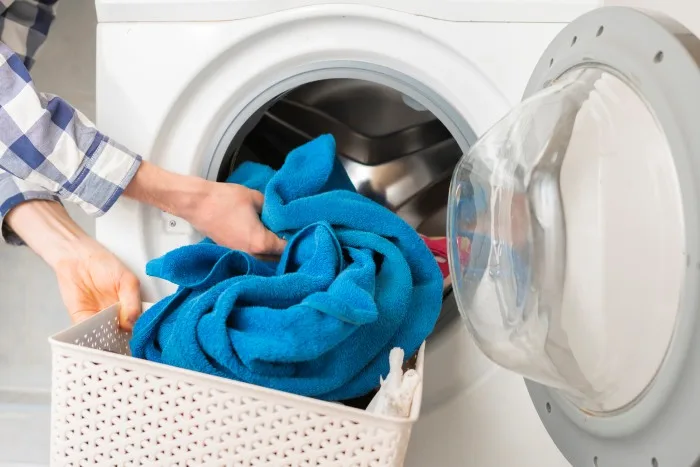
Image source: Bing (Web (fair-use with source credit))
Quick Answer: What Actually Works on Sunscreen Stains
Blot excess sunscreen immediately. Don't rub it in. Pre-treat the stain with liquid dish soap or rubbing alcohol, then let it sit for 10 to 15 minutes.
Rinse with cold water. Wash the garment in the warmest water the fabric allows, using an enzyme-based detergent. Air dry and check the stain before using the dryer.
Repeat if needed. For mineral sunscreen with zinc oxide, add a soak in oxygen bleach before washing.
Why Sunscreen Stains Fabric (and Why Most People Get the Removal Wrong)
Sunscreen stains for two different reasons depending on the formula, and understanding which one you're dealing with is half the battle.
Chemical sunscreens (the ones that absorb into your skin and don't leave a white cast) contain UV filters like avobenzone, oxybenzone, and octinoxate. Avobenzone is the main culprit behind those mysterious yellow or orange stains on light-colored clothing. It's a powerful UVA absorber, but it also reacts with iron in water and with the dyes in fabric, creating a discoloration that looks like a bleach stain but isn't.
According to textile research published in the Textile Research Journal, avobenzone-induced staining is accelerated by heat and UV exposure, which is why the stain often looks worse after a wash cycle or a day in the sun.
Mineral sunscreens (sometimes called physical sunscreens) use zinc oxide or titanium dioxide to sit on top of your skin and block UV rays. These leave a different kind of mess: a greasy, chalky, white or yellowish residue that's part oil, part pigment. Zinc oxide is notoriously stubborn because it's not water-soluble.
It clings to fabric fibers and can survive a normal wash cycle if you don't pre-treat it.
Most people get the removal wrong because they treat all sunscreen stains the same. They'll use hot water (which sets avobenzone stains), skip pre-treatment (which lets zinc oxide bond tighter), or toss the item in the dryer before confirming the stain is gone (which bakes it in permanently). The right approach starts with identifying what kind of sunscreen caused the stain and what fabric you're working with.
How Different Sunscreen Types React With Different Fabrics
Not all sunscreen stains behave the same way, and not all fabrics can handle the same treatment. Here's what actually happens at the fiber level.
Chemical Sunscreen Stains: The Invisible Damage
Chemical sunscreen stains are sneaky. You might not notice them right away, but after washing or sun exposure, a yellow or orange patch appears. This is the avobenzone reacting with minerals in your water or with the fabric's dye.
White and light-colored cotton and polyester are the most vulnerable because the discoloration shows up starkly against the pale background.
The stain isn't just sitting on the surface. Avobenzone is oil-soluble, so it penetrates synthetic fibers like polyester and nylon fairly deeply. That's why a quick rinse won't cut it.
You need a surfactant (like dish soap) to break down the oils and an enzyme-based detergent to digest the bonded residue.
Dark fabrics can get chemical sunscreen stains too, but they often show up as a faded or bleached-out spot rather than a yellow one. This is the avobenzone literally stripping color from the dye. It's harder to reverse on dark fabrics, which is why prevention matters so much.
Mineral Sunscreen Stains: The Chalky, Greasy Reality
Mineral sunscreen stains are more obvious. You'll see a white or yellowish smudge that feels slightly waxy or greasy to the touch. Zinc oxide particles are tiny, and they embed themselves in the weave of the fabric.
On dark fabrics, the white residue is especially noticeable.
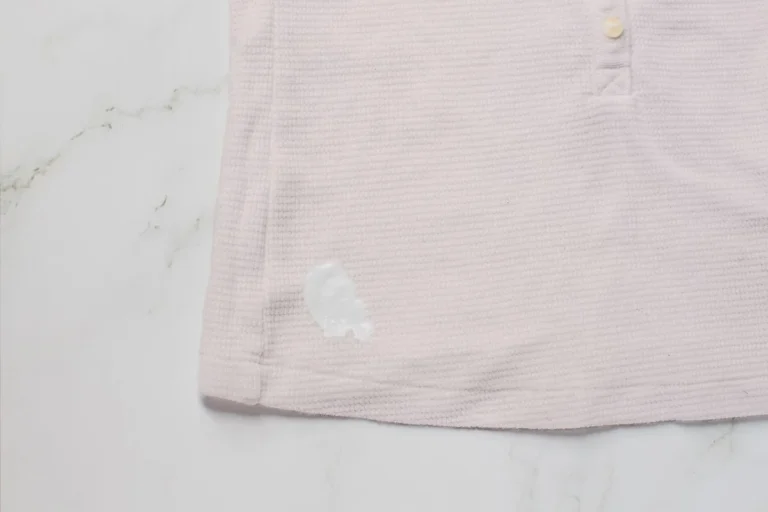
Image source: Bing (Web (Web (fair-use with source credit)))
The challenge with zinc oxide is that it's both oily (from the sunscreen's base formula) and particulate (the mineral itself). You need to tackle both components. Dish soap handles the oil.
An oxygen bleach soak helps lift the pigment. On sturdy cotton, this two-step approach works well. On delicate fabrics, you'll need a gentler hand.
Why Your Fabric Type Changes Everything
The fabric determines how aggressive you can be with stain removal. Here's a quick breakdown:
- Cotton and linen: These can handle most stain removal methods, including oxygen bleach, hot water (once the stain is treated), and vigorous scrubbing. They're the most forgiving.
- Polyester and nylon: Sturdy but prone to holding onto oil-based stains. They need a strong surfactant and enzyme detergent. Avoid high heat in the dryer, which can set any remaining residue.
- Silk and wool: These are protein fibers and are sensitive to alkaline cleaners (like baking soda) and chlorine bleach. Use mild dish soap and cold water only. When in doubt, go to a professional.
- Spandex and elastane: Found in swimwear and athletic wear. These are sensitive to heat and harsh chemicals. Stick to gentle, enzyme-based cleaners and cold water.
- Rayon: Weakens when wet. Handle gently, use cold water, and avoid wringing or twisting.
If you're dealing with a blended fabric (like a cotton-polyester mix), treat it based on the most delicate fiber in the blend. And always, always check the care label first. That little tag tells you the maximum water temperature, whether bleach is safe, and if the item needs to be dry-cleaned.
For more on reading fabric care labels and understanding what those symbols mean, our guide on how to find grainline on fabric covers fabric identification basics that apply here too.
The Decision Framework: Matching the Right Removal Method to Your Situation
There's no single "best" way to remove sunscreen from fabric. The right method depends on your specific situation. Use this framework to figure out which path to take.
Image source: Bing (Web (fair-use with source credit))
Stain Is Fresh and Fabric Is Sturdy (Cotton, Polyester, Nylon)
This is the best-case scenario. Act within a few hours and you'll likely get the stain out completely in one wash cycle.
- Blot any excess sunscreen with a clean cloth or paper towel. Don't rub.
- Apply a few drops of liquid dish soap (like Dawn) directly to the stain. Work it in gently with your fingers.
- Let it sit for 10 to 15 minutes.
- Rinse from the back of the stain with cold water to push the residue out, not deeper in.
- Wash in the warmest water the fabric allows with an enzyme-based detergent.
- Air dry. Check the stain before putting it in the dryer.
Stain Is Set-In or Dried
If the sunscreen has been sitting for a day or more, or if the item has already been washed and dried once, you'll need a more aggressive approach.
- Pre-treat with rubbing alcohol (70% isopropyl) on chemical sunscreen stains. Apply, let sit 10 minutes, then blot.
- For mineral sunscreen, apply dish soap and let it sit for 20 to 30 minutes.
- Soak the garment in a solution of oxygen bleach (sodium percarbonate) and cool water for 1 to 4 hours, or overnight for tough stains.
- Wash as usual with enzyme detergent.
- Air dry and inspect. Repeat if needed.
Fabric Is Delicate (Silk, Wool, Rayon, Spandex)
Delicate fabrics can't handle the heavy-duty approach. Here's the gentle version:
- Blot excess sunscreen immediately.
- Apply a small amount of mild dish soap diluted with cold water.
- Gently dab the stain. Don't scrub or twist.
- Rinse thoroughly with cold water.
- If the stain persists, take it to a professional dry cleaner and point out the stain specifically.
White or Light-Colored Fabrics With Yellow Discoloration
That yellow stain is almost certainly from avobenzone in chemical sunscreen. Here's how to fight it:
- Pre-treat with rubbing alcohol to break down the avobenzone.
- Apply a paste of baking soda and water. Let it sit for 30 minutes.
- Soak in oxygen bleach solution for 2 to 4 hours.
- Wash in warm water with enzyme detergent.
- If the stain remains, try soaking in a diluted hydrogen peroxide solution (3% household concentration) for 30 minutes. Test on an inconspicuous area first.
The Sunscreen Type Is Unknown
If you don't know whether the stain is from chemical or mineral sunscreen, start with the gentlest effective method and work up:
- Pre-treat with dish soap. Let sit 15 minutes.
- Rinse with cold water.
- If the stain is still visible, try rubbing alcohol next.
- If it's still there, move to an oxygen bleach soak.
- Wash and air dry.
This stepwise approach avoids using harsh chemicals unnecessarily and gives you the best chance of saving the fabric without damage.
Step-by-Step: Removing Fresh Sunscreen Stains From Machine-Washable Fabrics
This is the process you'll use most often. It works on cotton t-shirts, polyester athletic wear, beach towels, and everyday clothing. The key is speed: the sooner you treat the stain, the better your results.
What you'll need:
- Liquid dish soap (any standard formula)
- Clean cloth or paper towel
- Enzyme-based laundry detergent
- Cold water
- Oxygen bleach (optional, for stubborn stains)
Step 1: Blot the excess.
As soon as you notice the stain, grab a clean cloth or paper towel and blot the area. Press down firmly to absorb as much sunscreen as possible. Don't rub.
Rubbing pushes the sunscreen deeper into the fibers and spreads the stain.
Step 2: Apply dish soap.
Squeeze a few drops of liquid dish soap directly onto the stain. Use your fingers or a soft brush to work it gently into the fabric. Dish soap is a surfactant, which means it breaks down oils.
That's exactly what you need for both chemical and mineral sunscreen.
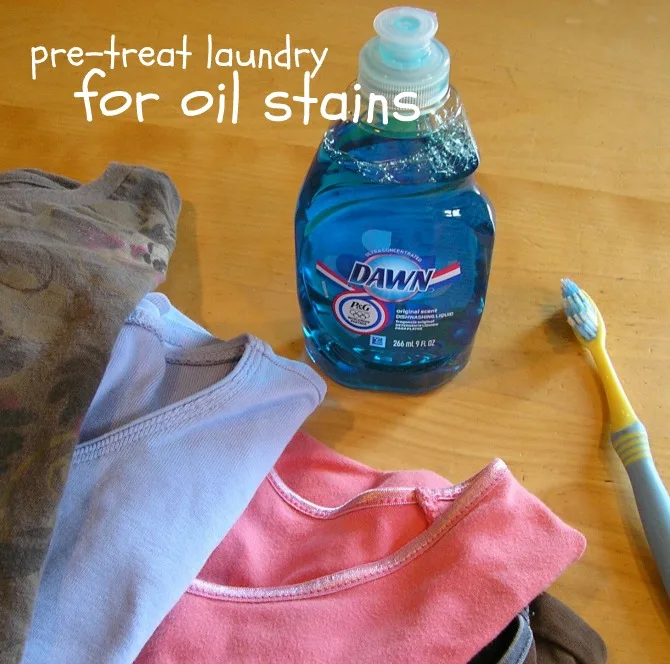
Image source: Bing (Web (fair-use with source credit))
Step 3: Let it sit.
Give the dish soap 10 to 15 minutes to penetrate the fibers and break down the sunscreen. For heavier stains, you can go up to 30 minutes. Don't let the soap dry on the fabric.
If it's a warm day, you can cover the area with a damp cloth to keep it moist.
Step 4: Rinse from the back.
Turn the garment inside out and rinse the stained area under cold running water. Rinsing from the back pushes the dissolved sunscreen out of the fabric instead of forcing it deeper in. Keep rinsing until the water runs clear and you don't see any soap residue.
Step 5: Wash with enzyme detergent.
Toss the item in the washing machine with an enzyme-based laundry detergent. Enzymes break down proteins and oils at the molecular level, which is what lifts the remaining sunscreen residue from the fibers. Use the warmest water temperature the fabric care label allows.
For cotton, that's usually warm (around 100°F / 38°C). For synthetics, stick to cool or warm.
Step 6: Air dry and inspect.
This is the step most people skip, and it's the one that ruins everything. Pull the garment out of the washer and check the stain before it goes anywhere near the dryer. If you can still see a mark, repeat the pre-treatment and wash cycle.
The heat from a dryer will set any remaining stain permanently. If the stain is gone, you can dry it as usual.
When to escalate:
If the stain survives two full wash cycles, move to the set-in stain method described in the next section. You'll need rubbing alcohol and an oxygen bleach soak to tackle what dish soap alone can't handle.
For related laundry care tips, our guide on how to remove lint from clothes in the washing machine covers detergent selection and wash-cycle optimization that can help with overall stain removal effectiveness.
Step-by-Step: Tackling Set-In or Stubborn Sunscreen Stains
If the sunscreen has dried on the fabric or survived a previous wash, dish soap alone probably won't cut it. You need to escalate.
What you'll need:
- Rubbing alcohol (70% or 90% isopropyl)
- Liquid dish soap
- Oxygen bleach (sodium percarbonate)
- Enzyme-based laundry detergent
- A basin or sink for soaking
Step 1: Hit it with rubbing alcohol.
Apply rubbing alcohol directly to the stain using a clean cloth or cotton ball. This breaks down avobenzone in chemical sunscreen and dissolves the oily base in mineral formulas. Let it sit for 10 minutes.
Blot, don't rub.
Step 2: Reapply dish soap.
Follow up with liquid dish soap on the same spot. Work it in gently and wait another 15 minutes. This double-treatment approach tackles both the chemical bonds and the grease.
Step 3: Soak in oxygen bleach.
Fill a basin with cool water and add oxygen bleach according to the package directions. Submerge the garment completely. Soak for at least 2 hours.
For really set-in stains, overnight is fine. Oxygen bleach is safe for most fabrics (including colors) and works by releasing hydrogen peroxide slowly, which lifts pigment without damaging fibers. It's much gentler than chlorine bleach and won't yellow synthetic fabrics.
Step 4: Wash with enzyme detergent.
After soaking, wash the item in the warmest water the fabric allows. Use an enzyme-based detergent. These contain protease and lipase enzymes that break down the protein and fat components of sunscreen residue at a molecular level.
Step 5: Air dry and assess.
Check the stain before drying. If it's faded but still visible, repeat the oxygen bleach soak and wash. Most stubborn sunscreen stains come out after two rounds.
If the stain survives three full cycles, it may be permanent. At that point, the avobenzone may have actually altered the fabric dye, which is a chemical change you can't reverse with cleaning.
One thing worth noting: our research into fabric care methods, including techniques covered in our guide on how to remove mold from fabric furniture, shows that oxygen bleach soaks are one of the most effective approaches for set-in organic stains on washable textiles. The same principle applies here.
Step-by-Step: Treating Delicate or Dry-Clean-Only Fabrics
Silk blouses, wool sweaters, and rayon dresses can't handle the aggressive approach. You need to be patient and gentle.
Step 1: Blot immediately.
Use a clean, dry cloth to absorb as much sunscreen as possible. Press, don't rub. On silk and wool, rubbing can damage the fibers and cause pilling or distortion.
Step 2: Apply diluted dish soap.
Mix a few drops of mild dish soap with cold water. Dab the solution onto the stain using a soft cloth. Work from the outside of the stain inward to prevent spreading.
Let it sit for 5 to 10 minutes.
Step 3: Rinse with cold water.
Hold the stained area under cold running water or use a damp cloth to blot out the soap. Be thorough. Soap residue can leave its own mark on delicate fabrics.
Step 4: Repeat if needed.
If the stain is still visible, repeat the dish soap application. Don't jump to harsher chemicals. Delicate fabrics respond better to repeated gentle treatment than to one aggressive attempt.
Step 5: When to call a professional.
If the stain persists after two gentle treatments, take the garment to a dry cleaner. Tell them exactly what caused the stain (sunscreen) and what you've already tried. Professional cleaners have solvents and techniques that aren't available for home use, and they can often remove stains that seem permanent.
The sooner you bring it in, the better the odds.
Never use chlorine bleach, baking soda, or hydrogen peroxide on silk or wool. These are protein fibers, and alkaline or oxidizing agents will weaken and discolor them. Spandex and elastane (common in swimwear) are similarly sensitive to heat and harsh chemicals.
Mistakes That Make Sunscreen Stains Permanent
These are the errors we see most often, and every single one of them can turn a removable stain into a permanent one.
Using Hot Water Before the Stain Is Gone
Hot water sets avobenzone stains almost instantly. It also causes the oils in mineral sunscreen to bond more tightly to synthetic fibers. Always use cold water for rinsing and pre-treatment.
You can switch to warm water for the actual wash cycle, but only after you've confirmed the stain is gone or significantly faded.
Tossing It in the Dryer Too Soon
The dryer is the number one killer of sunscreen-stained clothes. The high heat bakes any remaining residue into the fabric fibers, making it nearly impossible to remove afterward. Air dry every item you've treated for a sunscreen stain.
Check it. If the stain is still there, treat it again. Only use the dryer once you're certain the stain is completely gone.
Scrubbing Aggressively on Delicate Fabric
Vigorous scrubbing can distort silk, pill wool, and stretch out knits. It can also push the stain deeper into the fabric weave. On any delicate or loosely woven material, use a dabbing or pressing motion instead of scrubbing.
Patience beats force every time.
Mixing the Wrong Cleaning Agents
Never mix chlorine bleach with vinegar, ammonia, or hydrogen peroxide. This creates toxic gases (chloramine or chlorine gas) that are dangerous to breathe. Also avoid using baking soda and vinegar together on the same stain.
They neutralize each other and leave you with mostly saltwater. Pick one cleaning agent at a time and use it on its own.
Another common mistake: using too much product. More soap doesn't mean better cleaning. Excess detergent leaves residue that attracts dirt and can make the stained area look worse.
Use the recommended amount and let the chemistry do the work.
Sunscreen Stains on Swimwear, Athletic Gear, and UPF Clothing
Swimsuits and performance fabrics deserve their own section because they're made from materials that are especially vulnerable to sunscreen damage and especially hard to treat.
Spandex and elastane (the stretch fibers in most swimwear and athletic wear) are oil magnets. Sunscreen's oily base soaks into these fibers quickly and deeply. On top of that, chlorine from pools and salt from the ocean can react with sunscreen residue, making stains worse.
For swimwear:
- Rinse immediately in fresh, cold water after swimming. Don't let sunscreen dry on the suit.
- Hand wash with a small amount of mild dish soap. Gently squeeze the soapy water through the fabric.
- Never wring out a swimsuit. Press it between towels to remove moisture.
- Lay flat to dry. Hanging wet swimwear stretches the fibers.
For athletic wear (moisture-wicking polyester and nylon):
- Pre-treat with rubbing alcohol before washing. These synthetic fibers hold onto oils stubbornly.
- Wash inside out to push stains out rather than deeper in.
- Avoid fabric softener. It coats the fibers and reduces the fabric's moisture-wicking ability while trapping sunscreen residue.
For UPF-rated sun-protective clothing:
- Follow the manufacturer's care instructions carefully. Many UPF garments have special coatings that can be damaged by harsh detergents or bleach.
- Use a gentle, enzyme-based detergent without added fragrances or dyes.
- Air dry to preserve the UV-protective treatment.
Brands like Coolibar and Columbia include specific care instructions with their UPF garments. Following those guidelines protects both the stain-removal effort and the garment's sun-protection rating.
If you're dealing with pilling on your athletic wear or swimwear (which sunscreen residue can accelerate), our guide on how to get the fuzz balls off of sweaters covers fabric-safe techniques that work on performance fabrics too.
Costs and Supplies: What You'll Actually Need (and What's Optional)
Most sunscreen stain removal can be done with things you already have at home. Here's a quick breakdown.
| Supply | Purpose | Approximate Cost |
|---|---|---|
| Liquid dish soap (Dawn or similar) | Breaks down oils in all sunscreen types | $3-5 |
| Rubbing alcohol (70% isopropyl) | Dissolves avobenzone and chemical sunscreen residue | $2-4 |
| Oxygen bleach (sodium percarbonate) | Lifts set-in pigment stains, safe for colors | $5-8 |
| Enzyme-based laundry detergent | Breaks down protein and fat residues at molecular level | $8-15 |
| Hydrogen peroxide (3%) | Last-resort brightening for white fabrics | $1-2 |
| Baking soda | Mild abrasive and deodorizer for pre-treatment paste | $1-2 |
The dish soap and rubbing alcohol are your frontline tools. If you buy nothing else, those two handle the majority of fresh sunscreen stains. Oxygen bleach is worth keeping on hand for set-in stains and is also useful for general laundry brightening.
Expert Tips That Most Articles Leave Off
A few things that make a real difference but rarely show up in generic advice.
Treat before you wash, always. Running a stained garment through the washer without pre-treatment gives the sunscreen a chance to set. Even a quick 5-minute dish soap application dramatically improves your odds.
Use the back-of-the-fabric rinse technique. When rinsing pre-treated stains, flip the garment inside out and run water through the back of the stain. This pushes residue out of the fabric instead of deeper into the weave.
Hard water makes stains worse. If you have hard water, the minerals in it react with avobenzone and can intensify yellow staining. Using a water booster or adding a cup of white vinegar to the rinse cycle helps.
Don't skip the air dry check. Seriously. This single habit prevents more permanent sunscreen stains than any cleaning product on the market.
When to Call a Professional Cleaner Instead
If the garment is expensive, delicate, or has a stain that's survived two full treatment cycles, it's time to call a professional. Dry cleaners have access to solvents like perchloroethylene and specialized spotting agents that can remove stains home methods can't touch. The key is to tell them exactly what caused the stain and what you've already tried.
That information helps them choose the right solvent and avoid making things worse.
Preventing Sunscreen Stains in the First Place
Let sunscreen dry completely before putting on clothes. Wait 5 to 10 minutes after application. This single habit prevents the majority of transfer stains.
For high-risk items like white shirts or light-colored towels, consider using a mineral sunscreen with a lower zinc oxide concentration, or apply sunscreen at least 15 minutes before dressing. Darker fabrics show stains less, so if you're heading to the beach, reach for your navy or black cover-up instead of the white one.
Frequently Asked Questions
Can you remove sunscreen stains from white clothes?
Yes, but it requires the right approach. Pre-treat with rubbing alcohol, soak in oxygen bleach, and wash with enzyme detergent. For stubborn yellow stains, a diluted hydrogen peroxide soak (3%, 30 minutes) can help.
Test on a hidden area first.
Does sunscreen permanently stain fabric?
It can if you use hot water or put the item in the dryer before the stain is fully removed. Heat sets avobenzone stains and bakes mineral residue into fibers. Treat and air dry first.
Most stains are removable if you act before heat exposure.
What removes sunscreen from swimwear?
Rinse immediately in cold fresh water. Hand wash with mild dish soap. Never wring or machine dry.
For set-in stains, a gentle soak in cool water with a small amount of enzyme detergent can help. Avoid chlorine bleach on spandex.
Does dish soap remove sunscreen from fabric?
Dish soap is one of the most effective first-line treatments. It breaks down the oils in both chemical and mineral sunscreen. Apply directly, let sit 10 to 15 minutes, then rinse with cold water.
Follow with an enzyme detergent wash.
How do you get sunscreen stains out of towels?
Towels are usually cotton and can handle aggressive treatment. Pre-treat with dish soap, soak in oxygen bleach for 2 to 4 hours, then wash in warm water with enzyme detergent. Avoid fabric softener, which coats fibers and traps residue.
Can you use bleach on sunscreen stains?
Oxygen bleach is safe and effective for most fabrics, including colors. Chlorine bleach should only be used on white cotton or linen, and only as a last resort. Never use chlorine bleach on silk, wool, spandex, or colored fabrics.
It can cause yellowing on synthetics and dissolve protein fibers.