How to Stop Towel Fluff: A Complete Guide to Lint-Free Towels
Towel fluff can make even clean towels look messy and leave lint all over your bathroom or clothes. The good news is that towel shedding is usually temporary and easy to reduce with the right washing and drying methods. Here are the key things you need to know:
Key Takeaways:
- Towel fluff is caused by loose cotton fibres shedding during washing – it peaks in the first 3-5 washes, then settles down.
- Washing new towels twice before first use removes the bulk of loose fibres upfront.
- The biggest single cause of ongoing fluff is fabric softener – it coats fibres and causes them to shed more, not less.
- Tumble drying on low heat with a dryer ball is the fastest way to reduce lint and restore softness.
- Buying 100% combed or ring-spun cotton towels produces far less fluff than cheaper alternatives.
Why Towels Shed Fluff in the First Place?
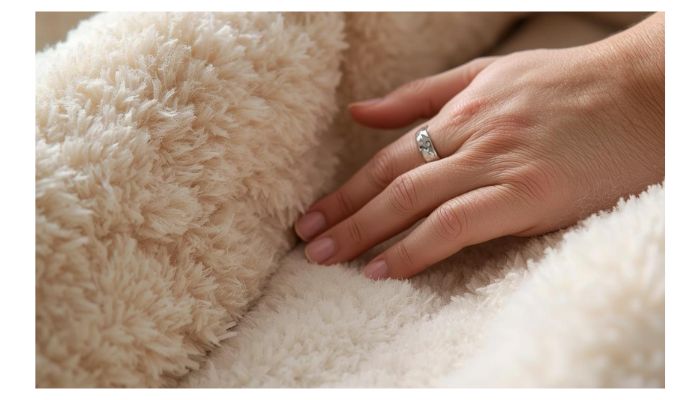
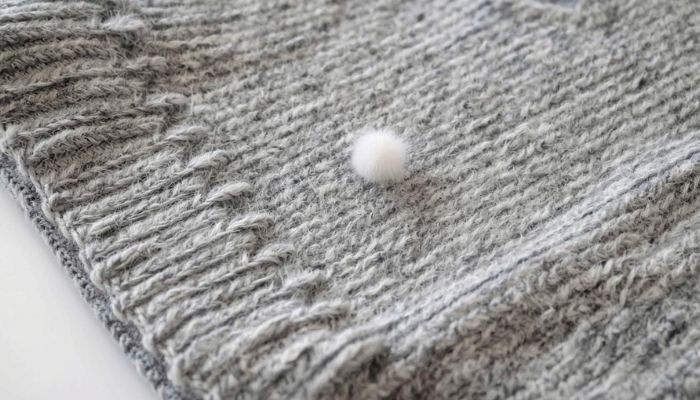
Towel fluff is loose cotton fibres that have not been fully anchored into the weave. All cotton towels shed to some degree – it is normal. The shedding is heaviest with brand-new towels, because the manufacturing process leaves short, unattached fibre ends on the surface. These work free during the agitation of a wash cycle and end up in your machine’s lint filter, on your other laundry, or sticking to your bathroom floor.
The rate of shedding depends on three things: the quality of the cotton, how the towel is constructed, and how you wash and dry it. Cheap towels use carded cotton, which has shorter, coarser fibres that shed throughout the towel’s life. Better towels use combed or ring-spun cotton, where shorter fibres have already been removed before weaving. Those shed heavily at first, then almost not at all.
How to Prep New Towels Before First Use?
Wash new towels twice before you use them. This is the single most effective thing you can do to reduce early-stage fluff.
First wash: Add 240ml (1 cup) of white distilled vinegar to the drum or detergent drawer. Use no detergent. Wash on a warm cycle (40°C / 104°F). The vinegar breaks down the manufacturing residue that causes fibres to clump and shed. Tumble dry on low, or line dry.
Second wash: Use a half-dose of your normal detergent – no more. Wash on the same warm cycle. Dry as normal.
After these two washes, the majority of loose surface fibres are gone. From this point, the towel sheds far less and absorbs water better.
The Real Reason Your Towels Keep Shedding: Stop Using Fabric Softener
Fabric softener is the most common reason towels continue shedding long after the break-in period.
Fabric softener works by coating fibres with a thin layer of lubricating chemicals. On clothing, this feels pleasant. On towels, it does two things you do not want: it reduces the towel’s ability to absorb water, and it weakens the bond between fibres, causing ongoing shedding. The more you use it, the worse the problem gets.
Cut fabric softener from your towel wash entirely. If your towels feel stiff without it, add 60ml (1/4 cup) of white vinegar to the fabric softener compartment instead. Vinegar softens fibres naturally without coating them, and the smell disappears completely in the dryer.
Dryer sheets have the same problem. Skip those, too.
How to Wash Towels to Minimise Fluff?
Water temperature: 40°C (warm) is the right setting for most towels. Hot water (60°C) is fine for white towels occasionally to sanitise, but it weakens fibres faster over time. Cold water does not fully remove oils and residue, which leads to fibre breakdown.
Detergent amount: Use half the recommended dose. Excess detergent leaves residue in the weave that attracts lint and stiffens the pile. This is one of the most common mistakes in towel care.
Wash cycle: Use a gentle or regular cycle – not heavy duty. The extra agitation in a heavy cycle causes unnecessary fibre stress.
Separate towels from clothing: Lint from towels transfers to dark clothing and vice versa. Wash towels together, on their own.
Do not overload the machine. Towels need room to move. A packed drum creates more friction, which causes more shedding.
How to Dry Towels to Cut Down on Lint?
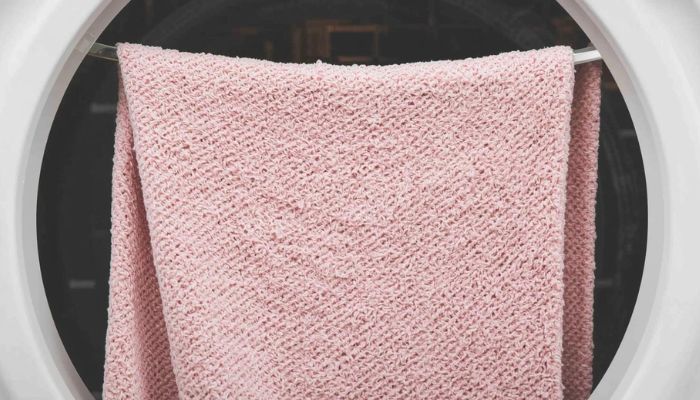
Tumble dryer: Use low heat, not high. High heat damages cotton fibres and causes long-term shedding. Add one or two wool dryer balls – they separate the towel layers during drying, allow air to circulate, and physically shake loose fibres free so they end up in the lint trap rather than on your next load. Dryer balls also cut drying time by around 25% (The Spruce, 2023).
Line drying: This produces the least fibre damage of any drying method. The downside is that air-dried towels can feel stiff. To fix this: give line-dried towels 10 minutes in the tumble dryer on low heat after they are dry. This restores softness without the fibre damage of full machine drying.
Shake towels before drying. A firm shake after washing loosens the pile and removes fibres that are already detached. It takes three seconds and makes a visible difference.
Clean your lint trap every single cycle. A clogged lint trap recirculates loose fibres back onto your laundry.
How to Buy Towels That Shed Less from the Start?
Not all towels shed equally. These are the construction details to check before buying.
Cotton type:
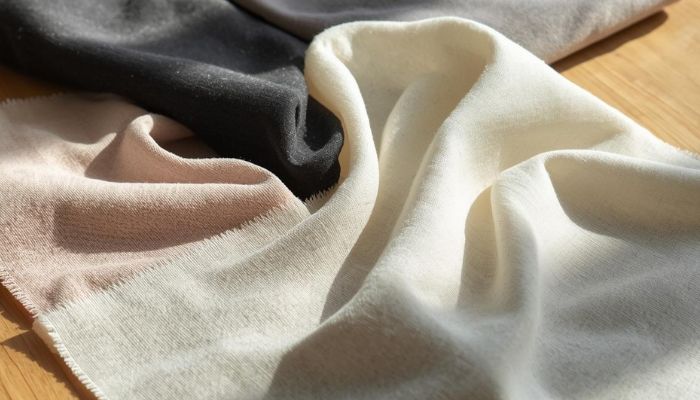
- Combed cotton – Short fibres are combed out before weaving. Softer, denser, sheds less long-term.
- Ring-spun cotton – Fibres are twisted tightly together. More durable, less shedding.
- Egyptian or Turkish cotton – Long-staple fibres that are naturally stronger. Less shedding, more durable.
- Standard carded cotton – Short fibres, rougher weave, sheds throughout its life. Common in budget towels.
GSM (grams per square metre): This number tells you how dense and heavy the towel is. A higher GSM means a thicker, more tightly woven pile.
| GSM Range | Feel | Shed Level | Best For |
|---|---|---|---|
| 300-400 | Light, thin | Higher | Gym, travel |
| 400-500 | Medium | Moderate | Everyday use |
| 500-600 | Thick, plush | Lower | Bath towels |
| 600-900 | Hotel-weight | Lowest | Luxury/spa use |
For everyday bathroom use, 500-600 GSM in combed or ring-spun cotton gives the best balance of low shedding, durability, and absorbency.
Avoid: Towels described as “ultra-plush” or “microfibre blend” unless the product clearly states the fibre construction. Many cheap towels are treated with a chemical softener at the factory to feel plush on the shelf – this washes out in the first cycle, and the towel then sheds heavily.
How to Store Towels So They Stay in Better Condition?
Storage does not directly cause shedding, but poor storage leads to conditions that do.
Fold, do not compress. Tightly stacking towels in a confined space crushes the pile and weakens fibres at the fold lines over time. If space allows, roll towels loosely instead of folding them flat.
Store dry towels only. Putting a slightly damp towel in a linen cupboard causes mildew, which degrades cotton fibres and produces an off smell that is hard to remove.
Avoid wire shelves for long-term storage. The edges catch and pull at the towel pile. Use solid shelves or line wire shelves with a thin fabric liner.
Rotate your towels. Using the same two towels every week while the rest sit in storage compresses and ages those towels faster. Rotate through your full set so wear is even.
Common Mistakes That Make Towel Fluff Worse
- Using too much detergent: Residue builds up in the weave, stiffens the pile, and attracts lint. Use half the recommended dose.
- Washing on high heat every time: Weakens fibres. Stick to 40°C for regular washes.
- Using fabric softener: Coats fibres, reduces absorbency, and increases shedding. Switch to white vinegar.
- Skipping the pre-wash on new towels: The first wash is the heaviest shed. Doing it with vinegar and no detergent gets it out of the way cleanly.
- Not cleaning the lint filter: A blocked filter recirculates lint. Clean it after every load.
- Washing towels with clothing: Lint transfers both ways. Keep towel loads separate.
Frequently Asked Questions About Towel Fluff
Why do new towels shed so much fluff?
New towels have loose fibre ends left over from the manufacturing process. These are not fully anchored into the weave and release during the agitation of the first few wash cycles. Washing new towels twice before using them – first with white vinegar, then with a half-dose of detergent – removes most of these loose fibres upfront.
Does fabric softener help with towel fluff?
No – it makes it worse. Fabric softener coats cotton fibres with lubricating chemicals that weaken the bonds between them, causing ongoing shedding. It also reduces absorbency. Use white vinegar in the softener drawer instead.
How many washes does it take for towels to stop shedding?
Most towels shed heavily for the first 3-5 washes, then significantly less after that. If you pre-wash new towels with vinegar and then a half-dose of detergent before first use, you compress that shedding period and the towel settles faster.
What is the best way to dry towels to reduce lint?
Tumble dry on low heat with wool dryer balls. The dryer balls separate the towel layers, improve airflow, and knock loose fibres free so they end up in the lint trap. Clean the lint trap every cycle. If you prefer line drying, finish with 10 minutes on low heat in the dryer to restore softness without fibre damage.
What GSM should I look for in a low-lint towel?
500-600 GSM in combed or ring-spun cotton is the practical range for low-shedding everyday bath towels. Below 400 GSM, the weave is thinner and sheds more. Above 600 GSM, the towel is denser and very slow to dry.
Can I fix a towel that has been shedding for a long time?
Yes, partially. Stop using fabric softener immediately and run two washes with white vinegar (no detergent) to strip the built-up coating from the fibres. This will not reverse fibre damage that has already occurred, but it removes the chemical layer causing ongoing shedding. Switch to half-dose detergent going forward and dry on low heat with dryer balls.
Why does my towel leave fluff on my skin after drying?
This usually means the towel still has loose surface fibres, or the pile has been damaged by high-heat drying or fabric softener. Run the towel through a low-heat dryer cycle with two dryer balls to shake out loose fibres. If the problem persists after several washes, the cotton quality may be too low to fully resolve.
Summary: The Full Anti-Fluff Routine
- Buying: Choose 500-600 GSM combed or ring-spun cotton.
- Before first use: Wash twice – first with white vinegar only, then with half-dose detergent.
- Every wash: Half-dose detergent, 40°C, gentle cycle, towels only. No fabric softener.
- Every dry: Low heat, wool dryer balls, clean lint filter after every load.
- Storage: Fold loosely or roll. Store dry only. Rotate through your full set.