What Size Maternity Clothes to Buy (2026) — Easy Methods
What size maternity clothes to buy is one of those questions that sounds simple until you're standing in a fitting room, holding three different sizes of the same pair of jeans, and none of them feel right. The truth is, there's no single answer. Your ideal size depends on your pre-pregnancy body, how your bump grows, which brand you're buying from, and even which trimester you're in.
Here's what makes this tricky: most maternity brands design their clothes to match your pre-pregnancy size, but the fit around the belly, hips, and bust can vary wildly between labels. According to the American College of Obstetricians and Gynecologists, typical pregnancy weight gain ranges from 25 to 35 pounds for someone at a healthy pre-pregnancy weight, and that gain doesn't distribute evenly. So a size that works at 16 weeks might be too tight or too loose by 28.
Let's walk through how to figure out your actual size, step by step.

Image source: Wikimedia Commons / Eva Rinaldi (CC BY-SA)
Quick Answer: How to Pick the Right Maternity Size in Minutes
Buy your pre-paternity size as a starting point. Most maternity brands size this way. Measure your bust, hips, and bump to confirm.
Check each brand's size chart before ordering. Choose over-the-bump styles for full coverage or under-the-bump for early pregnancy comfort. Order from retailers with easy return policies in case the fit is off.
How Maternity Clothes Actually Fit — And Why Your Pre-Pregnancy Size Isn't the Whole Story
Maternity clothing isn't just "regular clothes but bigger." The entire construction is different. Panels stretch over or under your bump. Waistbands are replaced with soft, adjustable bands.
Side seams are often ruched to accommodate a growing midsection without bagging out everywhere else.
That said, most brands build their sizing around your pre-pregnancy number. If you wore a US size 10 before, you'll likely start in a maternity size 10. But here's where it gets complicated.
Your bump doesn't grow at a predictable rate, and your ribcage, hips, and bust all change at different times. Some women need a larger top size before their bottoms catch out. Others find their hips widen significantly while their bust stays relatively stable.
Fabric matters too. A maternity top with 8% spandex will fit very differently than one made from woven cotton with no stretch. Over time, you might find yourself reaching for the same maternity size across brands, or you might need a small in one label and a large in another.
That's normal. The key is to stop thinking of maternity sizing as a fixed number and start treating it as a range that shifts as your body changes.
What to Know Before You Buy: Key Factors That Change Your Size
Before you add anything to your cart, these four variables will determine whether that size 8 actually fits or ends up in the return pile.
Your Pre-Pregnancy Size and Body Shape
Start here. Your pre-pregnancy size is the baseline most maternity brands use. If you were a medium in regular clothes, begin with a medium in maternity.
But body shape matters just as much as the number on the tag. If you carry weight in your hips and thighs, you might need a larger size in bottoms even if a medium top fits fine. If you have a shorter torso, over-the-bump styles might feel too long and dig into your ribs.
How You Carry — High, Low, Wide, or Compact
Every bump is different. Some women carry high and compact, meaning the bump sits right under the bust and doesn't spread much to the sides. Others carry low and wide, with the weight distributed across the hips and lower belly.
If you carry high, under-the-bump styles might feel like they're sliding off. If you carry wide, you'll want over-the-bump panels with plenty of lateral stretch.
First-time moms often show later, sometimes not needing dedicated maternity clothes until 18 to 20 weeks. If this isn't your first pregnancy, you'll likely show earlier and may need maternity wear by 12 to 14 weeks. Your abdominal muscles have already been stretched, so the bump pops out sooner.
Trimester-by-Trimester Changes
Your body doesn't change at a steady pace. Here's a rough breakdown of what to expect.
| Trimester | Typical Changes | Sizing Implication |
|---|---|---|
| First (weeks 1–13) | Bust may increase one cup size; bloating around waist | Regular clothes with stretch may still work; consider belly bands |
| Second (weeks 14–27) | Bump becomes visible; hips begin to widen | Time to invest in core maternity pieces in your pre-pregnancy size |
| Third (weeks 28–40) | Bump reaches full size; swelling in feet and legs | May need one size up in bottoms; prioritize soft, non-restrictive fabrics |
By the third trimester, many women find that their pre-pregnancy size still works for tops but they've moved up one size in bottoms. Swelling, especially in the afternoon and evening, can also affect how clothes feel. If you're trying on maternity jeans at 8 PM after a long day, they'll feel tighter than they did that morning.
Brand Sizing Differences You Can't Ignore
This is where most people get tripped up. Maternity sizing is not standardized across brands. A size medium at ASOS Maternity is not the same as a size medium at Seraphine or H&M.
Some brands run small and assume you'll size up. Others cut generously and you might even fit in your pre-pregnancy non-maternity clothes longer than expected.
Always check the brand's specific size chart before ordering. Look for measurements in inches or centimeters, not just S, M, L. Compare your bust, hip, and (if listed) bump circumference to the chart.
If you're between sizes, most experienced maternity shoppers recommend sizing up, especially for pieces you want to wear across multiple trimesters.
Step-by-Step: How to Find Your Correct Maternity Size
Let's turn all of that into a clear process you can follow, whether you're shopping online or in a store.
Step 1: Start With Your Pre-Pregnancy Size
Grab a tape measure and note your current bust, waist (or the widest part of your midsection), and hip measurements. If you're early in pregnancy and your body hasn't changed much yet, your pre-pregnancy size is your starting point. Write it down.
You'll use it as a reference when comparing against brand charts.
Step 2: Measure Your Bump at Each Stage
As your bump grows, measure the circumference around the fullest part of your belly. Do this while standing, using a flexible tape measure. You don't need to do this every week, but checking in every four to six weeks helps you track whether you're still in the right size or ready to move up.
This measurement is especially useful for over-the-bump styles, where the panel needs to fully cover and support your belly without squeezing.
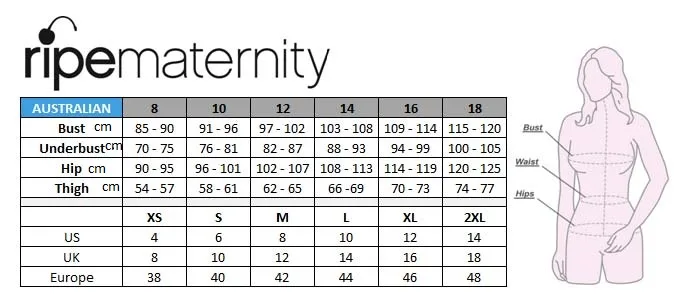
Image source: Bing (Web (fair-use with source credit))
Step 3: Check the Brand's Specific Size Chart
This step is non-negotiable. Every brand's size chart is different. Pull up the chart on the retailer's website and match your measurements to their numbers.
Pay attention to the bust, hip, and any bump-specific measurements they list. If the chart only shows standard S/M/L without actual measurements, look for customer reviews that mention whether the brand runs large or small.
Step 4: Decide Between Over-Bump, Under-Bump, and Side-Panel Styles
Your bump shape and trimester will guide this choice. Over-the-bump styles offer the most coverage and support, making them ideal for the second and third trimesters. Under-the-bump styles sit below the belly and work well in early pregnancy or if you find over-the-bump panels uncomfortable.
Side-panel designs are a middle ground, with stretch inserts on each side of the waistband.
If you're not sure which you prefer, order one of each style from a retailer with free returns. Try them on at home and see what feels best. There's no rule that says you have to stick with one style for your entire pregnancy.
Step 5: Order or Try On With a Return Policy in Mind
Online maternity shopping is convenient, but the return process can be a headache if you're not prepared. Before you buy, check the return window and whether the retailer offers free returns. Some brands, like ASOS, make returns easy.
Others may only offer store credit or charge return shipping. If you're between sizes, order both and send back the one that doesn't fit. It's worth the extra effort to avoid being stuck with clothes you won't wear.
Maternity Jeans, Tops, Leggings, and Dresses — Sizing Each Category Right
Not all maternity clothes fit the same way, even within the same brand. Here's how to approach the four categories you'll buy most often.
Maternity jeans are where fit matters most. A poorly fitting pair will sag in the back, dig into your bump, or slide down constantly. Look for a full over-the-bump panel if you want maximum support, or a low-rise under-the-bump style if you're in your first trimester.
Sizing is usually consistent with your pre-pregnancy size, but if you've gained weight in your hips or thighs, consider going up one size. The inseam should match your regular jeans, so check that measurement too.
Maternity tops and t-shirts tend to be more forgiving because of fabric stretch. Your pre-pregnancy size will usually work through the second trimester. By the third, you might prefer a size up for a more comfortable fit, especially in woven fabrics with less give.
If you're buying button-down shirts for work, consider sizing up from the start, as bust changes can happen early.
Maternity leggings are a staple for a reason. They're comfortable, stretchy, and work for everything from running errands to working from home. Most women stay in their pre-pregnancy size for leggings throughout pregnancy, thanks to the high spandex content.
The key is the belly panel. Make sure it's wide enough to cover your bump without rolling down. Full-panel styles are the most versatile.
Maternity dresses vary the most by style. Wrap dresses and empire-waist designs are naturally bump-friendly and often don't require maternity-specific sizing. Bodycon maternity dresses, on the other hand, are designed to fit close to the bump and should be bought in your correct maternity size.
For work or special occasions, buying one size up from your pre-pregnancy size is a safe bet, especially if the fabric has minimal stretch.
The general rule across all categories: when in doubt, size up. Maternity clothes that are a little too big can be tailored or belted. Clothes that are too small are unwearable.
Over-the-Bump vs. Under-the-Bump vs. Belly Bands: Which Fit Works for You
Choosing between these three styles is one of the biggest decisions you'll make, and the right answer depends on your trimester, your bump shape, and how much support you want.
Over-the-bump styles have a wide fabric panel that stretches from your hips up and over the fullest part of your belly. They offer the most coverage and support, which makes them the go-to for the second and third trimesters. The panel acts like a gentle compression layer, which can help with lower back discomfort.
If you carry high or have a larger bump, this style will feel the most secure. The downside: in early pregnancy, the panel can feel like too much fabric when your bump is still small.
Under-the-bump styles sit below the belly, resting on the hips like a low-rise waistband. They're comfortable in the first trimester and early second trimester, before the bump really pops. If you carry low, these can work well throughout pregnancy because the bump naturally sits above the waistband.
The main drawback is that they offer zero belly support, and as you get further along, they tend to slide down.
Belly bands are a hybrid solution. They're stretchy tubes of fabric you wear over your regular, unbuttoned jeans or pants to cover the gap at the waist. Brands like Blanqi and Belly Bandit make versions with built-in support.
They're a smart investment if you want to stretch your pre-pregnancy wardrobe a few extra weeks. They're not a full replacement for maternity bottoms, but they bridge the gap between regular clothes and dedicated maternity wear.
Image source: Bing (Web (fair-use with source credit))
If you're buying your first maternity jeans, go with an over-the-bump full panel in your pre-pregnancy size. It's the most versatile option and will carry you from mid-second trimester through delivery. Add a belly band later if you want extra support or need to extend the life of your regular pants.
Common Mistakes That Lead to Ill-Fitting Maternity Clothes
Even with a good size chart, people still end up with clothes that don't work. Here are the mistakes that come up most often.
Buying too large too early. It's tempting to grab a size up thinking you'll "grow into it." But maternity clothes that are too big just look sloppy and don't provide any support. You'll feel more pregnant in oversized clothes than in pieces that actually fit your current body.
Ignoring the return policy. Online maternity shopping almost always involves at least one return. If the retailer charges return shipping or only offers store credit, you're taking a risk. Check the policy before you click "buy."
Assuming all brands fit the same. We've covered this, but it bears repeating. A medium at Storq is not a medium at ASOS. Always check the chart.
Always.
Buying an entire wardrobe in the first trimester. Your body will change significantly between weeks 12 and 30. If you buy everything early, half of it won't fit later. Start with a few basics and add pieces as your bump grows.
Choosing style over comfort in the third trimester. That structured maternity blazer might look great in the photos, but if the fabric doesn't stretch and the waist hits at the wrong spot, you'll never wear it. In the final weeks, prioritize soft fabrics, wide panels, and anything that doesn't dig in.
Forgetting about postpartum. Many maternity pieces, especially leggings and nursing-friendly tops, work just as well after delivery. Buying with postpartum wear in mind means you get more use out of every item.
Building a Capsule Maternity Wardrobe Without Overspending
You don't need 40 pieces of maternity clothing. A well-planned capsule wardrobe of 10 to 14 items can carry you through an entire pregnancy.
Start with the basics: two pairs of maternity jeans (one casual, one dressy), three to four tops, one or two dresses, a pair of leggings, and a supportive maternity bra. Add a cardigan or jacket for layering. That's your core.
Everything else is optional.
Image source: Bing (Web (fair-use with source credit))
Mix maternity pieces with stretchy non-maternity items you already own. A regular oversized button-down or a stretchy maxi skirt can work well into the second trimester. This keeps costs down and means you're not buying clothes you'll only wear for a few months.
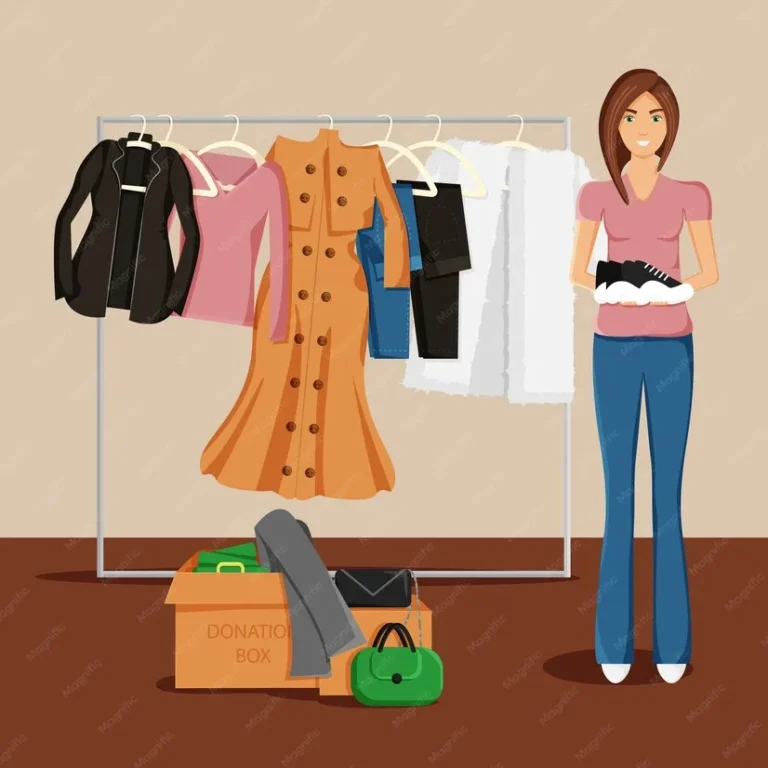
For budget-friendly shopping, check secondhand marketplaces like ThredUp, Facebook Marketplace, and local consignment shops. Maternity clothes are often gently worn because the window of use is short. You can find high-quality pieces at a fraction of the retail price.
A reasonable budget for a full maternity wardrobe is $200 to $400, depending on your needs and whether you're buying new or secondhand. If you're only adding a few key pieces to supplement your existing closet, you can get away with spending under $150.
When to Start Buying — A Trimester-by-Trimester Shopping Timeline
Timing your purchases saves money and frustration. Here's when to buy what.
Weeks 1 to 12: Hold off on most maternity purchases. Invest in a belly band or two to extend your regular pants. If your bras feel tight, get refitted for a maternity or nursing bra.
That's it.
Weeks 13 to 20: This is when most women start needing real maternity clothes. Buy your core basics now: jeans, leggings, a few tops. Stick to your pre-pregnancy size unless your measurements say otherwise.
Weeks 21 to 30: Assess what you have. You may need to size up in bottoms or add a few more tops. This is also a good time to buy any special occasion dresses or work-specific pieces.
Weeks 31 to 40: Focus on comfort. Soft leggings, loose tops, and anything that accommodates swelling. Avoid buying anything new unless absolutely necessary, since you'll soon transition to postpartum wear.
If you're expecting twins or carrying multiples, shift this timeline forward by four to six weeks. Bump growth tends to be faster and more pronounced, so you'll need maternity clothes earlier and may need to size up sooner.
Plus-Size, Petite, and Extended Sizing: Finding Your Fit Outside the Standard Range
Standard maternity sizing typically runs from XS to XL, which leaves a lot of people struggling to find clothes that actually fit.
For plus-size maternity wear, brands like Universal Standard, Girlfriend Collective, and Torrid offer extended sizes up to 4X or 5X. The same sizing rules apply: start with your pre-pregnancy size and check the brand's specific chart. Plus-size maternity clothes sometimes have different proportions, like longer torso lengths or wider hip panels, so reviews from other plus-size buyers are especially helpful.
Petite maternity options are harder to find. ASOS Maternity and H&M both offer shorter inseams on some styles. For tops, petite sizing matters less since maternity tops are designed to accommodate a longer torso as the bump grows.
For bottoms, look for brands that list inseam measurements and choose the shortest option available.
If you're between sizes or fall outside standard ranges, custom or made-to-order maternity wear is an option, though it's more expensive. Another approach is buying a size up and having pieces tailored. A local tailor can take in side seams or adjust waistbands for a fraction of the cost of new clothes.
The most important thing is not to force yourself into a size that doesn't fit just because it's the closest option available. Ill-fitting maternity clothes are uncomfortable and can even cause skin irritation or circulation issues if they're too tight. Take the time to find your actual size, even if that means shopping around a bit more.
Expert Tips for Getting the Most Wear From Every Piece
A few small choices can double the useful life of your maternity wardrobe.
Wash everything in cold water and hang dry. Heat breaks down elastic fibers in belly panels and waistbands faster than anything else. If a panel starts losing its stretch mid-pregnancy, that's usually why.
Buy pieces that convert to nursing wear. Many maternity tops overlap with nursing designs. Look for wrap styles, hidden zippers, or pull-down panels.
Getting six months of wear out of one top instead of three makes a real difference in your budget.
Rotate your basics instead of buying new ones. If you have three maternity tops, rotate them through the week. Clothes last longer when they're not being washed every other day.
Store maternity clothes properly between pregnancies. Wash everything, fold it flat, and keep it in a cool, dry place. Elastic that's been stuffed in a hot attic for a year won't bounce back.
FAQs: Frequently Asked Questions
Should I buy my regular size in maternity clothes?
In most cases, yes. Most maternity brands design their clothes to match your pre-pregnancy size. Always check the brand's specific size chart to confirm.
When should I start wearing maternity clothes?
Most women transition between 12 and 20 weeks. If this isn't your first pregnancy, you may need them earlier. Belly bands can extend your regular clothes a few weeks longer.
Can I just size up in regular clothes instead of buying maternity?
For tops and dresses with stretch, this can work for a while. For bottoms, regular jeans won't accommodate a bump comfortably. Maternity-specific designs with belly panels are worth the investment for pants and skirts.
What if I'm between sizes on the size chart?
Size up. Maternity clothes that are slightly too big are more comfortable than clothes that are too tight. You can always belt a looser top or have pieces taken in.
Will my maternity clothes fit after pregnancy?
Many pieces do, especially leggings, stretchy tops, and nursing-friendly designs. Give your body six to eight weeks postpartum before judging the fit, as your shape continues to shift.
Your Maternity Size Decision Guide — Putting It All Together
If you take one thing from all of this, let it be this: start with your pre-pregnancy size, check each brand's chart, and don't buy everything at once. Your body will tell you what it needs as you go.
Here's a quick decision framework. If you're in your first trimester, grab a belly band and a supportive bra. Second trimester, invest in core basics in your pre-pregnancy size, focusing on over-the-bump styles.
Third trimester, size up in bottoms if needed and prioritize soft, stretchy fabrics.
Order from brands with easy returns. Measure yourself every few weeks. And remember, there's no prize for getting it perfect on the first try.
Most maternity shoppers end up exchanging at least one item. That's just part of the process.