How Many Burp Cloths Do I Need for a Newborn: Quick Guide
You've got the baby registry half done and then it hits you: how many burp cloths do I need for a newborn? It sounds like a small question, but get it wrong and you're either drowning in laundry or scrambling for a clean cloth at 2 a.m. The answer isn't one-size-fits-all.
It depends on your baby, your routine, and how you plan to use them.
Most parenting guides throw out a number like "8 to 10" and call it done. But that range assumes an average baby with average spit-up and a parent who does laundry every couple of days. Your situation might look nothing like that.
Let's walk through what actually determines the right number so you can stock up with confidence.
Image source: Bing (Web (fair-use with source credit))
Quick Answer
Plan for at least 10 to 12 burp cloths for a single newborn. If your baby spits up heavily or you do laundry less often, aim for 15 to 18. Parents of multiples or reflux babies may want 20 or more.
The right number depends on spit-up volume, laundry frequency, and how many rooms you want them staged in.
What Changes the Number: The 4 Key Variables
There's no magic number that works for everyone. Four main factors determine how many burp cloths you'll actually go through. Once you understand these, the math becomes pretty straightforward.
How Often Your Baby Spits Up
Every baby is different. Some newborns barely spit up at all. Others, especially those with reflux or GERD, can soak through a cloth at nearly every feeding.
A typical newborn feeds 8 to 12 times a day in the early weeks. If you're burping after each feeding and your baby is a "happy spitter," you might burn through 6 to 8 cloths before lunch.
Reflux babies are a different story entirely. Per guidance from children's hospital networks, infants with gastroesophageal reflux can spit up significantly more often and in larger volumes. If that's your situation, you'll want to nearly double whatever number you were thinking.
How Frequently You Do Laundry
This is the variable most people overlook. If you run a load of baby laundry every day, you can get away with fewer cloths because they're constantly cycling back clean. But if you do laundry every three or four days, you need enough to cover that entire stretch plus a buffer for the inevitable days when everything gets dirty at once.
Think of it this way: if you use 6 cloths a day and you do laundry every 3 days, you need at least 18 just to make it to wash day. Add a few extras for the days your baby has a blowout or spits up twice in one feeding session.
Whether You Use Them for More Than Burping
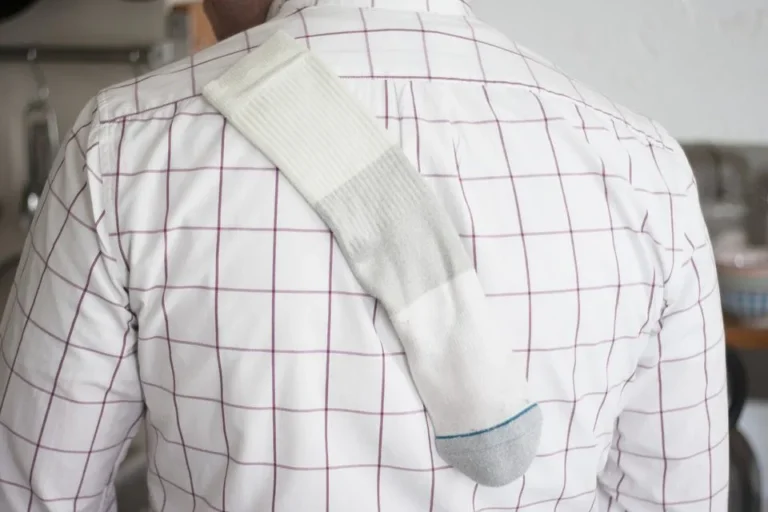
A lot of parents quickly realize burp cloths are useful for way more than just catching spit-up. They work as quick wipes for drool, makeshift nursing covers, diaper changing pads in a pinch, and even light blankets for tummy time. If you're using them as your go-to multi-purpose cloth around the house, you'll go through them faster.
Some parents also keep one draped over their shoulder during feeding and another on the changing table. That's two in rotation before you've even started the day. The more jobs you give a burp cloth, the more you'll need in your stash.
Where You Need Burp Cloths Staged Around the House
You don't want to be running upstairs to the nursery every time you need a clean cloth. Most experienced parents keep burp cloths in at least three or four spots: the nursery, the main living area, the diaper bag, and maybe the car or grandma's house.
Each station needs its own small stash. If you keep two at each of four locations, that's eight cloths just to have one within arm's reach no matter where you are. This is one of the biggest reasons the "just buy five" advice falls short in real life.
The Decision Guide: Match Your Situation to the Right Number
Now let's put it all together. Here's how to figure out your actual number based on what your days look like.
Light Spit-Up + Daily Laundry
If your baby rarely spits up and you do laundry every day, you can get by with 7 to 10 burp cloths. That gives you enough for a full day plus a few spares for the diaper bag and a second room. This is the low end, and honestly, not many newborns stay in this category for long.
Average Spit-Up + Laundry Every 2 to 3 Days
This is the most common scenario. You're looking at 12 to 15 burp cloths. That covers roughly two days of use, a few staged around the house, and a couple in the diper bag.
It's enough that you won't panic if you miss a laundry day.
Heavy Spit-Up or Reflux + Infrequent Laundry
If your baby spits up after nearly every feed and you do laundry every three to four days, plan for 18 to 22 cloths. It sounds like a lot, but parents of reflux babies will tell you these disappear fast. You'll also want to consider keeping a small pack of disposable burp pads on hand for outings when you can't guarantee a clean cloth.
Multiples or Around-the-Clock Feeding Stations
Twins or triplets essentially multiply everything. If one baby goes through 6 to 8 cloths a day, two babies can easily double that. Aim for 20 to 25 cloths minimum, and make sure you have dedicated stations set up so you're not constantly walking back and forth.
Here's a quick reference table to make this easier:
| Situation | Laundry Frequency | Recommended Quantity |
|---|---|---|
| Light spit-up | Daily | 7 to 10 |
| Average spit-up | Every 2 to 3 days | 12 to 15 |
| Heavy spit-up or reflux | Every 3 to 4 days | 18 to 22 |
| Multiples | Every 2 to 3 days | 20 to 25 |
Burp Cloth Alternatives: What Else Can Do the Job
You don't have to buy burp cloths specifically. Several other items work just as well, and some parents prefer them because they're cheaper or more versatile.
Prefold Cloth Diapers
Prefold cloth diapers are the unofficial gold standard alternative. They're highly absorbent, inexpensive, and come in a size that's perfect for draping over your shoulder. A pack of 12 prefolds costs about the same as four or five branded burp cloths.
Many parents find they actually prefer them because they're thicker and cover more surface area.
Image source: Bing (Web (fair-use with source credit))
Receiving Blankets
Receiving blankets are larger than burp cloths, which can be an advantage or a disadvantage. They're great for catching big spit-up moments but can feel bulky just for a quick burp. If you already have a stack of receiving blankets from your baby shower, you might not need as many dedicated burp cloths.
Disposable Burp Pads
Disposable burp pads are convenient for diaper bags and outings. They're not eco-friendly and they add up cost-wise over time, but they're handy when you're away from home and can't carry a wet, spit-up-soaked cloth around. Think of them as a supplement, not a replacement.
Bibs as a Backup
Bibs aren't a true substitute since they're designed to catch food and drool from the front, not absorb spit-up from your shoulder. But in a pinch, a clean bib draped over your shoulder can work for a quick burp. Don't rely on them as your primary solution though.
What to Look for in a Burp Cloth That Lasts
Not all burp cloths are created equal. The material, size, and construction determine how well they perform and how long they survive daily washing.
Absorbency and Fabric Type
Cotton muslin is the most popular choice. It's lightweight, breathable, and gets softer with every wash. Bamboo fabric is another excellent option.
It's naturally hypoallergenic and more absorbent than standard cotton. Terry cloth burp cloths are thicker and hold more liquid, but they take longer to dry.
Avoid anything with a polyester-heavy blend. These tend to repel liquid instead of absorbing it, which defeats the whole purpose.
Image source: Bing (Web (Web (fair-use with source credit))
Size and Coverage
Standard burp cloths measure roughly 10 by 16 inches. That's fine for light use, but if your baby spits up with any force, you'll want something bigger. Oversized or "shoulder" burp cloths run closer to 14 by 20 inches and drape comfortably over your shoulder without sliding off.
The extra coverage protects more of your clothing, which matters when you're already changing outfits three times a day.
Durability Through Repeated Washing
Newborn laundry gets washed a lot. Look for double-stitched edges and quality fabric that won't pill or thin out after a few dozen cycles. Cheap burp cloths tend to fall apart within a few months.
Spending a little more upfront on well-made cloths saves you from replacing them constantly.
One tip from experienced parents: skip the fabric softener. It coats the fibers and reduces absorbency over time. A cup of white vinegar in the rinse cycle does a better job of keeping cloths soft without that coating effect.
Where to Stage Burp Cloths So You're Never Caught Short
Having enough burp cloths only works if they're where you need them. A stack of 15 clean cloths in the nursery doesn't help much when you're on the couch and your baby decides to spit up mid-burp. Setting up small stations around your home is the real game-changer.
The nursery is your primary station. Keep four to five cloths within arm's reach of wherever you feed and change your baby. A basket on the changing table or a drawer in the nursing chair works well.
You'll go through these fast, so check the supply at the start of each day.
Your main living area needs its own stash. Most newborn feeding happens wherever you're spending the day, and that's usually not the nursery. Tuck two to three cloths into a basket near the couch or wherever you tend to sit.
Some parents keep one folded on the arm of the sofa so it's always right there.
The diaper bag should always have two clean burp cloths. One for actual use and one as a backup. If you're out and your baby has a big spit-up, you don't want to be stuck with a soaked cloth and nothing to replace it.
Toss the used one into a wet bag and pull out the spare.
If you spend regular time at a grandparent's house, the car, or a secondary location, keep a small supply there too. Two cloths in the car and two at another caregiver's house means you're covered without having to remember to pack them every time.
Image source: Bing (Web (fair-use with source credit))
Common Mistakes Parents Make When Stocking Up
Even well-prepared parents get caught off guard. Here are the missteps that lead to the most frustration.
Buying too few because the baby "probably won't spit up that much." Almost every newborn spits up. It's not a question of if, but how much. Starting with fewer than 10 cloths almost always means a last-minute run to the store or doing laundry at midnight.
Buying all the same small size. Those cute 10 by 10 inch square cloths look nice in photos, but they don't cover your shoulder and they don't catch much. You'll end up using two at a time, which burns through your supply twice as fast.
Forgetting that burp cloths get used for everything. Drool, bottle spills, diaper blowouts during changes, wiping your own hands after a messy feeding. The more you rely on them, the faster they disappear.
Plan for multi-use from the start.
Not accounting for laundry delays. Life with a newborn is unpredictable. You might plan to do laundry every two days, but then you're up all night and it doesn't happen.
Having a buffer of four to five extra cloths means a missed laundry day doesn't turn into a crisis.
Keeping all your burp cloths in one spot. If they're all in the nursery and you're downstairs, you'll either make multiple trips or just use your shirt. Spread them out from day one.
Expert Tips From Parents Who've Been Through It
After talking to dozens of parents and reviewing feedback across parenting communities, a few patterns stand out.
Buy in bulk and don't overthink it. Burp cloths are one of the few baby items where more is almost always better. You can always use extras as cleaning rags later, but you can't conjure a clean one out of thin air at 3 a.m.
Grab a pack of prefold cloth diapers as your base supply. They're cheap, absorbent, and durable. Use them as your workhorses and save the nicer muslin burp cloths for when you're out of the house or want something that looks a little better in photos.
Label your stations. It sounds silly, but keeping a small basket or drawer in each room means you always know where to grab one. Some parents use a specific color or pattern for the diaper bag so those cloths don't accidentally get mixed into the regular laundry rotation and forgotten.
Wash new burp cloths before first use. This removes any manufacturing residue and improves absorbency right away. A single wash cycle with a mild, fragrance-free detergent does the trick.
Replace them when they start to thin out. After six to twelve months of daily washing, even good-quality burp cloths lose their absorbency. If you notice liquid soaking through to your shoulder instead of being caught by the cloth, it's time to rotate in fresh ones.
Frequently Asked Questions
Can I use regular towels instead of burp cloths?
You can, but they're bulky and not designed for the job. Regular bath towels are too large to drape comfortably over your shoulder and too thick to toss in a diaper bag. Hand towels are closer in size but tend to be less absorbent than purpose-made burp cloths.
Prefold cloth diapers or muslin cloths are a much better fit.
How many burp cloths should I put on my baby registry?
List 12 to 15 as a target. That gives you a solid starting supply without overloading your registry. If people ask what else you need, you can always add more.
It's easier to stock up before the baby arrives than to scramble in those first chaotic weeks.
Do burp cloths expire or go bad?
They don't expire, but they do wear out. After months of daily washing, the fabric thins and loses absorbency. If a cloth feels rough, looks faded, or stops catching moisture effectively, replace it.
Most burp cloths last six to twelve months with regular use.
Should I buy organic burp cloths for my newborn?
Organic cotton is a nice option if you're concerned about chemicals touching your baby's skin. It's softer out of the box and tends to be gentler for sensitive skin. That said, any burp cloth labeled free of formaldehyde, dyes, and synthetic finishes will work well.
The absorbency and size matter more than the organic label.
How do I get spit-up smell out of burp cloths?
Pre-soak stained cloths in cold water with a bit of baking soda for 30 minutes before washing. Avoid hot water on protein-based stains like spit-up, as it can set the odor. Adding white vinegar to the rinse cycle helps eliminate lingering smells without damaging the fabric.
When can I stop keeping burp cloths everywhere?
Most babies spit up less frequently around four to six months as their digestive system matures and they start spending more time upright. You can gradually reduce your stash around that time. Keep a few on hand though, because teething drool picks up right where spit-up leaves off.
The Bottom Line: Build Your Burp Cloth Stash With Confidence
You don't need to overthink this, but you do need to think past the bare minimum. Start with 12 to 15 quality burp cloths, stage them in three or four spots around your home, and adjust from there based on how your baby actually behaves in those first few weeks.
If you're prepping a registry, list 12 and let gift-givers help you build the supply. If you're buying yourself, grab a pack of prefold cloth diapers as your workhorses and supplement with a few nicer muslin cloths for outings. Wash everything before baby arrives, skip the fabric softener, and keep a small rotation in the diaper bag at all times.
The parents who feel most prepared aren't the ones who bought the most stuff. They're the ones who had enough of the right things in the right places. Burp cloths are one of the simplest wins in newborn prep.
Get this one right and you'll wonder why it ever felt confusing.