How to Get Strawberry/fruit Stains Out of Clothes in 2026
Image source: Openverse / Openverse contributor
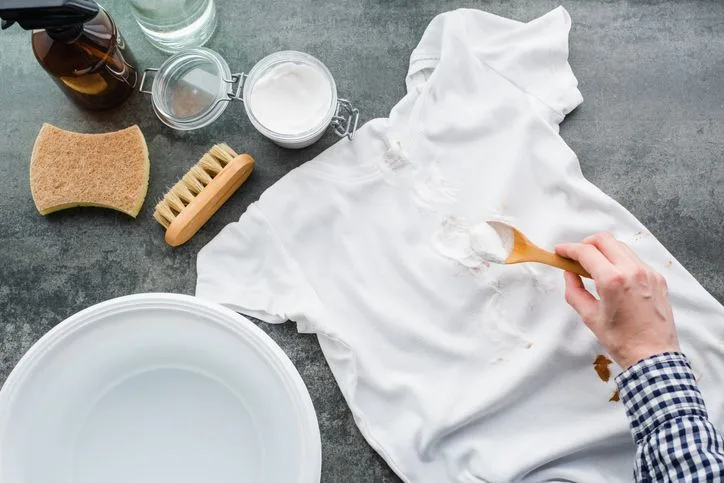
You've just watched a drippy strawberry land right on your favorite shirt. Maybe it was your kid's white school uniform, or the linen blouse you actually care about. Either way, your stomach drops.
Fruit stains feel permanent the second they happen, but they don't have to be. How to get strawberry and fruit stains out of clothes comes down to speed, the right technique, and knowing which methods match your fabric. Get those three things right, and most stains come out clean.
The science here is straightforward. Strawberries and other berries contain anthocyanin pigments, which bond quickly to natural fibers like cotton and linen. Per AATCC testing standards, tannin-based stains become significantly harder to remove after just 24 hours of setting.
That's why what you do in the first five minutes matters more than anything else. Let's walk through exactly how to handle this, step by step, based on what you're actually working with.
Quick Answer
Act immediately. Scrape off excess fruit, then flush the stain from the back with cold running water. Pretreat with dish soap or white vinegar solution.
Soak the garment in cold water for 15 to 30 minutes. Launder in the coldest water safe for the fabric. Air-dry and inspect before using a dryer, since heat sets any remaining pigment permanently.
Why Fruit Stains Are So Stubborn — and Why Most People Get Them Wrong
Strawberry and berry stains belong to a category called tannin stains. The pigments behind them, anthocyanins, are water-soluble at first. That sounds like good news, but it's actually the problem.
Those pigments soak into fabric fibers fast, and once they dry or get exposed to heat, they oxidize and bond at a molecular level.
Here's where most people go wrong. They grab hot water because they think it cleans better. Hot water actually sets tannin and protein-based stains by cooking the pigments deeper into the fibers.
Others rub the stain aggressively, which pushes it outward and grinds it further into the weave. And plenty of people toss the garment in the dryer before confirming the stain is gone, which locks in whatever remains.
The other common mistake is treating all fabrics the same. Cotton can handle a hydrogen peroxide soak. Silk can't.
White cotton can take oxygen bleach. A colored blouse might lose its dye with the same treatment. The right method depends entirely on what you're working with, which is exactly what the next section helps you figure out.
The Fastest Way to Save a Stained Garment (If You Act Right Now)
If the stain is fresh, stop what you're doing and follow this sequence before anything else.
- Scrape off any solid fruit residue with the edge of a spoon or a dull knife. Don't press it in further.
- Hold the fabric stain-side down under cold running water. Push the pigment out from the back, not deeper into the front.
- Apply a small drop of liquid dish soap directly to the stain. Gently press it into the fabric with your fingers. Don't scrub.
- Let it sit for five minutes, then rinse again with cold water.
This alone removes a surprising number of fresh fruit stains. If the color is still visible after rinsing, move on to a soak or a targeted pretreatment. The key is not to let the garment sit in a laundry basket wet.
Get it into cold water as fast as possible.
What's Actually Happening When Fruit Meets Fabric
Understanding the chemistry helps you make better decisions in the moment. Strawberry juice contains three main staining components: anthocyanins (the red-purple pigment), natural fruit sugars, and mild fruit acids. Each of these interacts with fabric differently.
Anthocyanins are the primary culprit. They bind to cellulose fibers (cotton, linen, rayon) especially well. On synthetic fabrics like polyester, the stain tends to sit more on the surface, which actually makes it somewhat easier to remove, though the oils in some fruit can still cling to synthetic fibers.
Sugars in the fruit create a sticky residue that traps pigment in the weave. That's why a simple cold-water rinse often isn't enough on its own. You need a surfactant, like dish soap, to break down the sugar and lift the pigment together.
Fruit acids are mild enough that they rarely damage fabric on their own, but they can react with certain cleaning agents. For example, mixing lemon juice (acidic) with baking soda (alkaline) creates a fizzing reaction that's mostly cosmetic. The real cleaning power comes from each ingredient separately, not from combining them.
The Decision Framework: What Changes Based on Your Situation
Not every fruit stain is the same, and not every garment can handle the same treatment. Before you reach for a cleaning method, run through these three variables.
Fresh Stain vs. Set-In Stain
A fresh stain (under one hour old) responds to cold water and dish soap in most cases. A set-in stain that's dried or has already been through a wash cycle needs a longer soak and a stronger pretreatment. If the stain is more than 24 hours old, expect to repeat the process at least once.
Fabric Type: Cotton and Polyester vs. Silk and Wool
Sturdy fabrics like cotton, polyester, and most blends can handle enzyme-based stain removers, oxygen bleach soaks, and hydrogen peroxide (on whites). Delicate fabrics like silk, wool, and fine linen need a gentler approach. Use a diluted white vinegar solution or a small amount of glycerin to lift the stain without damaging the fibers.
Avoid hydrogen peroxide and enzyme cleaners on protein-based fibers like silk and wool, since those products break down the same proteins that make up the fabric itself.
White Fabric vs. Colored Fabric
White cotton and linen can tolerate chlorine bleach in small amounts, though oxygen bleach (sodium percarbonate) is usually sufficient and less harsh on the fabric over time. For colored fabrics, stick with color-safe options: oxygen bleach, white vinegar, or enzyme-based stain removers. Always spot-test any cleaner on an inconspicuous area, like an inside seam, before applying it to the stain.
Here's a quick-reference table to match your situation to the right method.
| Situation | Best First Step | Best Soak Solution |
|---|---|---|
| Fresh stain on cotton or polyester | Cold water flush + dish soap | Cold water + oxygen bleach (30 min) |
| Set-in stain on cotton or polyester | Enzyme stain remover pretreatment | Cold water + oxygen bleach (1 to 2 hours) |
| Fresh stain on silk or wool | Cold water flush + diluted vinegar | Cold water + white vinegar, 1 part to 4 parts water (15 min) |
| Set-in stain on silk or wool | Glycerin application, gentle blot | Professional cleaning recommended |
| White cotton, any stain age | Dish soap + hydrogen peroxide spot test | Oxygen bleach soak (1 to 2 hours) |
| Colored fabric, any stain age | Dish soap or enzyme spray | Cold water + oxygen bleach (30 to 60 min) |
Image source: Bing (Web (fair-use with source credit))
Step-by-Step: How to Get Strawberry and Fruit Stains Out of Clothes
This is the full process, broken into clear steps. Follow them in order, and stop at the point that matches your fabric type from the table above.
Step 1: Remove Excess and Flush with Cold Water
Scrape off any remaining fruit with a spoon or dull knife. Hold the stained area under cold running water, pushing the water through from the back of the fabric. This forces the pigment out rather than deeper in.
Keep flushing until the water runs mostly clear.
Step 2: Pretreat Based on Your Fabric and Stain Age
For most sturdy fabrics, apply a few drops of liquid dish soap directly to the stain. Work it in gently with your fingertips. Let it sit for five to ten minutes.
For delicate fabrics, mix one part white vinegar with four parts cold water. Dab the solution onto the stain using a clean cloth. Don't pour it on, since oversaturating silk or wool can cause water spots or fiber distortion.
For set-in stains on cotton or polyester, use an enzyme-based stain remover spray. Coat the stain evenly and let it sit for 15 minutes before moving to the soak.
Image source: Bing (Web (fair-use with source credit))
Step 3: Soak to Loosen the Pigment
Fill a basin or sink with cold water. Add your soak agent based on the table above: oxygen bleach for sturdy fabrics, diluted vinegar for delicates. Submerge the garment completely.
Soak for 15 to 30 minutes for fresh stains, or up to two hours for set-in stains.
Don't use hot water at any point during this step. Heat is the enemy of tannin stain removal.
Image source: Bing (Web (Web (fair-use with source credit))
Step 4: Launder at the Right Temperature
Wash the garment in the coldest water setting that's safe for the fabric. Use your regular laundry detergent. For white cotton, you can add a small amount of oxygen bleach to the wash cycle as a booster.
Check the fabric care label before selecting your machine's settings. If the label says "cold water only," follow that instruction even if you think warm would clean better. Protecting the garment matters more than pushing for extra cleaning power.
Step 5: Inspect Before You Dry — Every Single Time
This is the step most people skip, and it's the one that ruins garments. After washing, hold the fabric up to natural light and check the stained area. If you still see any trace of color, repeat the pretreatment and soak steps.
Do not put the garment in the dryer.
Dryer heat permanently sets any remaining stain. Air-dry the garment flat or on a hanger, and only machine-dry once you've confirmed the stain is completely gone.
What to Use and When: A Method Guide by Situation
You've got the basic process down. Now let's match specific methods to specific scenarios, because the "best" approach really does depend on what you're working with.
Best Methods for Fresh Fruit Stains on Cotton or Polyester
Cold water and dish soap handle most fresh stains on sturdy fabrics. Flush from the back, work in the soap, rinse, and you're often done. If a shadow remains, a 30-minute soak in cold water with oxygen bleach (follow the package dosage, usually one scoop per gallon) lifts the rest.
These fabrics are forgiving, so you have options.
Best Methods for Set-In or Dried Stains
Once a fruit stain has dried or been through a wash cycle, you need heavier pretreatment. An enzyme-based stain remover, applied directly and left for 15 to 20 minutes, breaks down the bonded pigments. Follow with a longer soak, one to two hours, in cold water and oxygen bleach.
Repeat if needed. Set-in stains rarely come out in one pass, so patience matters here.
Best Methods for Delicate Fabrics (Silk, Wool, Linen)
Skip the enzyme cleaners and hydrogen peroxide on protein-based fibers. These products attack the same proteins that make up silk and wool, which can weaken or discolor the fabric. Instead, dab on a diluted white vinegar solution (one part vinegar to four parts cold water) using a clean cloth.
Soak for no more than 15 minutes in cold water. Gently press the fabric between clean towels to remove moisture. Lay flat to dry.
For vintage or heirloom pieces, professional dry cleaning is the safest bet. Point out the stain to the cleaner and tell them what caused it. That information helps them choose the right solvent.
Best Methods for White Fabrics
White cotton and linen can handle the full range of treatments. After the standard cold-water flush and dish soap pretreatment, you can apply a small amount of 3% hydrogen peroxide directly to the stain. Let it bubble for five minutes, then rinse.
For stubborn cases, an oxygen bleach soak for one to two hours does the job. Chlorine bleach is an option as a last resort, but it weakens cotton fibers over time, so use it sparingly and always diluted.
Household Remedies vs. Commercial Stain Removers — What Actually Works
This is a question that comes up constantly. Do you need a specialty product, or can you handle this with what's under your sink?
Household remedies work well for fresh stains and light discoloration. White vinegar dissolves tannin pigments. Dish soap breaks down fruit sugars and lifts surface stains.
Baking soda acts as a mild abrasive and deodorizer when made into a paste. These are accessible, cheap, and effective for most everyday situations.
Commercial stain removers earn their place when stains are set-in or older. Enzyme-based products like those containing protease or amylase break down organic matter at a level that household items can't match. Oxygen bleach (sodium percarbonated) releases hydrogen peroxide when dissolved in water, giving you a controlled, fabric-safe oxidizing treatment.
Here's a quick comparison.
| Method | Best For | Cost | Effectiveness on Fresh Stains | Effectiveness on Set-In Stains |
|---|---|---|---|---|
| Dish soap + cold water | Most fresh stains on sturdy fabrics | Very low | High | Low to moderate |
| White vinegar solution | Tannin stains, delicate fabrics | Very low | Moderate | Low |
| Baking soda paste | Light surface stains, odor | Very low | Low to moderate | Low |
| Enzyme stain remover spray | Set-in organic stains | Moderate | High | High |
| Oxygen bleach soak | White and color-safe fabrics | Low to moderate | High | Moderate to high |
| Hydrogen peroxide (3%) | White cotton and linen | Low | High | Moderate |
| Professional dry cleaning | Delicate, vintage, or valuable garments | High | N/A | High |
The honest takeaway: start with dish soap and cold water. If that doesn't get it, move to oxygen bleach or an enzyme product. Save dry cleaning for garments where home methods are too risky.
Mistakes That Set the Stain Permanently
Some errors are easy to make and hard to undo. Here are the ones that turn a removable stain into a permanent mark.
Using hot water on a fresh fruit stain. Heat bonds tannin pigments to fabric fibers almost instantly. Always start with cold water, even if the care label allows warm.
Rubbing the stain instead of blotting. Rubbing grinds the pigment deeper into the weave and can spread it outward. Press or dab with a clean cloth, working from the outside of the stain inward.
Skipping the spot test. Vinegar, hydrogen peroxide, and enzyme cleaners can all affect fabric dye. Test on an inside seam or hem before treating the visible area.
Mixing cleaning agents. Never combine vinegar with hydrogen peroxide in the same container. This creates peracetic acid, which is corrosive and can irritate skin and eyes.
Never mix chlorine bleach with vinegar or ammonia, since this produces toxic chlorine or chloramine gas.
Putting the garment in the dryer before confirming the stain is gone. Dryer heat sets any residual pigment permanently. Air-dry first.
Inspect in natural light. Only machine-dry when you're certain the stain is fully removed.
Waiting too long. A fresh strawberry stain might come out with cold water alone. The same stain left overnight often needs multiple rounds of treatment.
Speed is your biggest advantage.
When to Call a Professional
Sometimes home methods aren't the right call. If the garment is a silk blouse, a wool suit, or a piece with "dry clean only" on the label, take it to a professional after doing the initial cold-water flush. Tell the cleaner exactly what caused the stain and what you've already tried.
That information helps them choose the right treatment without making things worse.
Professional cleaning is also worth it for vintage fabrics, heirloom pieces, or anything with sentimental or high monetary value. A dry cleaner has access to solvents and techniques that aren't available at home, and the cost of the service is usually less than replacing a ruined garment.
Quick-Reference Decision Chart
Use this chart to find your situation fast and jump to the right method.
- Fresh stain on cotton or polyester: Cold water flush, dish soap, 30-minute oxygen bleach soak if needed.
- Set-in stain on cotton or polyester: Enzyme stain remover pretreatment, 1 to 2-hour oxygen bleach soak, repeat if necessary.
- Fresh stain on silk or wool: Cold water flush, diluted vinegar dab, 15-minute cold water soak, air-dry flat.
- Set-in stain on silk or wool: Glycerin application, gentle blot, professional cleaning recommended.
- White cotton, any stain age: Dish soap, hydrogen peroxide spot treatment, oxygen bleach soak.
- Colored fabric, any stain age: Dish soap or enzyme spray, oxygen bleach soak, always spot-test first.
- Vintage or "dry clean only" garments: Cold water flush immediately, then professional cleaning.
Frequently Asked Questions
Can you use bleach to remove fruit stains from white clothes?
Yes, but oxygen bleach is the better first choice. It lifts stains without weakening cotton fibers the way chlorine bleach does over time. If you do use chlorine bleach, dilute it properly (one tablespoon per quart of water) and limit exposure to a few minutes.
Never use chlorine bleach on colored fabrics.
Does baking soda remove fruit stains on its own?
Baking soda works best as a mild abrasive when made into a paste with water. It helps lift surface-level discoloration but won't break down set-in tannin pigments the way enzyme cleaners or oxygen bleach will. It's a good first attempt for light stains, but don't rely on it for anything older than a few hours.
How long do you have before a fruit stain becomes permanent?
There's no hard cutoff, but removal success drops sharply after 24 hours. Fresh stains (under one hour) often come out with cold water and dish soap alone. After a full day, you'll likely need enzyme pretreatment and a longer soak.
Heat exposure, like from a dryer, is what truly locks a stain in permanently.
Will hydrogen peroxide damage colored fabric?
It can. Hydrogen peroxide is a mild oxidizer and may lighten or shift fabric dye, especially on darker or more delicate colors. Always spot-test on an inside seam first.
Stick to oxygen bleach or enzyme-based removers for colored garments to be safe.
Can you remove fruit stains from clothes that have already been dried?
It's harder but not always impossible. Pretreat with an enzyme stain remover, soak in cold water with oxygen bleach for one to two hours, and launder in cold water. Repeat the cycle if needed.
The key is not to machine-dry again until the stain is completely gone.
Are natural remedies as good as commercial stain removers?
For fresh stains, yes. Dish soap and white vinegar handle most recent fruit stains effectively. For set-in or older stains, commercial enzyme products and oxygen bleach are noticeably more effective because they break down the stain at a molecular level that household items can't reach.
Final Takeaway: The One Rule That Matters Most
Speed wins. The single biggest factor in removing a fruit stain is how fast you act. Flush with cold water within minutes, pretreat before the pigment dries, and never apply heat until you're sure the stain is gone.
Everything else, the right product for your fabric, the correct soak time, the patience to repeat the process, matters. But none of it works as well as simply moving fast when the stain is fresh.