How to Get the Yellow Stains Out of White Clothes in 2026
You've pulled your favorite white shirt out of the wash, and there they are again. Those stubborn yellow stains under the arms or along the collar that just won't quit. Figuring out how to get the yellow stains out of white clothes isn't about scrubbing harder.
It's about matching the right treatment to the right stain. Get it right, and you can bring even badly yellowed cotton back to life without a trip to the dry cleaner.
The tricky part is that "yellow stains" isn't just one problem. Sweat, deodorant residue, oxidized body oils, and even chlorine bleach overuse can all cause yellowing, and each one responds to a different treatment. Per manufacturer testing from the American Cleaning Institute, using the wrong method (like hot water on protein-based sweat stains) can actually set the stain permanently.
So let's walk through exactly how to diagnose and fix the issue step by step.
Quick Answer
How to get the yellow stains out of white clothes? First, identify the stain type. Sweat and deodorant marks need an acidic treatment like white vinegar.
Set-in yellowing responds best to an oxygen bleach soak. Fresh stains lift with a baking soda and hydrogen peroxide paste. Always wash in the warmest water the fabric allows, and air dry until you confirm the stain is gone.
Why Your White Clothes Turn Yellow (And Why It's Not Always Your Fault)
Yellowing isn't always caused by poor washing habits. Several chemical processes cause white fabrics to turn yellow over time, and understanding which one you're dealing with saves you from wasting effort on the wrong fix.
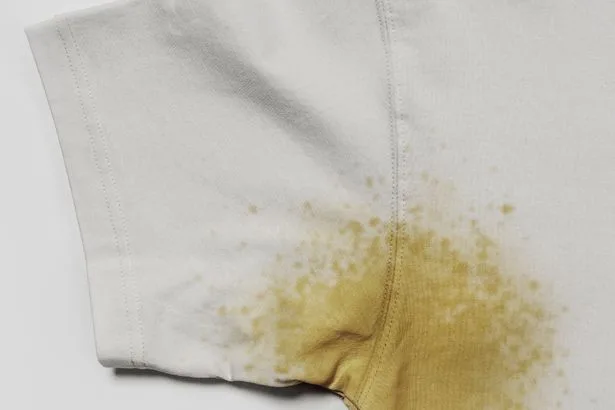
Sweat and body oils. Human sweat contains proteins and lipids that oxidize when exposed to air and heat. This oxidation creates yellow discoloration, especially in the underarm area and along collars. The American Cleaning Institute notes that these protein-based stains bond tightly to cotton fibers, which is why they resist regular washing.
Deodorant and antiperspirant buildup. Aluminum-based antiperspirants react with sweat and detergent residues to create stubborn yellow marks. This is one of the most common causes of underarm yellowing on dress shirts and t-shirts.
Chlorine bleach overuse. This one surprises people. Repeated use of chlorine bleach (sodium hypochlorite) on cotton can actually cause yellowing over time. The chemical breaks down fibers and reacts with residual body oils, creating a yellow cast that gets worse with each wash.
Hard water minerals. If you live in an area with high mineral content in the water supply, iron and copper deposits can accumulate on white fabrics, causing a dull yellow or gray appearance.
Age and oxidation. White fabrics naturally oxidize over time, especially if stored in warm or humid conditions. This is common with vintage linens, old t-shirts, and seasonal clothing that sits in closets for months.
The 30-Second Fix: First Steps Before You Do Anything
Before you grab any product or mix up a remedy, take 30 seconds to assess the situation. This quick check prevents you from making the stain worse.
Check the fabric label. Look at the care tag inside the garment. Silk, wool, and some delicates cannot handle the same treatments as sturdy cotton or linen. If the label says "dry clean only," stop here and take it to a professional.
Identify the stain location. Underarm and collar stains are almost always sweat or deodorant related. Chest or back stains could be body oil or sunscreen. Random splashes might be food or drink.
Determine the stain age. Fresh stains (less than 24 hours old) are significantly easier to remove than set-in stains that have been through multiple wash cycles. If the stain has been dried in a dryer, it's considered set-in and will need a longer treatment.
Test for colorfastness. Dab a small amount of your chosen treatment on an inside seam or hem. Wait 30 seconds and blot with a white cloth. If any color transfers, don't proceed with that treatment on the visible area.
How to Identify What Kind of Yellow Stain You're Dealing With
Not all yellow stains are created equal. Here's a quick diagnostic guide to help you pinpoint what you're working with.
| Stain Type | Appearance | Location | Primary Cause |
|---|---|---|---|
| Sweat stain | Dull yellow, sometimes crusty | Underarms, collar, back | Protein and lipid oxidation |
| Deodorant stain | Chalky or waxy yellow, sometimes white residue | Underarms | Aluminum compound buildup |
| Oxidized yellowing | Overall yellow cast, even across the whole garment | Entire garment | Age, bleach overuse, or heat damage |
| Mineral staining | Yellow-brown, uneven patches | Anywhere | Hard water iron or copper deposits |
| Food/drink stain | Bright yellow, defined edges | Chest, lap, sleeves | Turmeric, mustard, or other food dyes |
If the stain feels stiff or crusty to the touch, it's likely sweat or deodorant buildup. If the entire garment has a uniform yellow tint with no specific spots, that's oxidation or bleach damage. If you notice the yellowing only after washing with your regular detergent, hard water minerals might be the culprit.
The Decision Tree: Matching the Right Remedy to Your Stain
Here's where most people go wrong. They pick one method and try it on every stain. Instead, match the treatment to the cause.
If the stain is fresh sweat or body oil: Start with the baking soda and hydrogen peroxide paste. It's gentle enough for most fabrics and effective on protein-based stains.
If the stain is deodorant buildup: Use the white vinegar soak. The acetic acid dissolves aluminum residue and waxy buildup without damaging fibers.
If the stain is set-in or the whole garment is yellowed: Go with the oxygen bleach soak. Sodium percarbonate breaks down stubborn oxidation and restores whiteness over several hours.
If the stain is from hard water minerals: Use a chelating treatment or washing soda to bind and remove metal deposits. White vinegar can also help with mild mineral buildup.
If the fabric is delicate (silk, wool): Skip the peroxide and oxygen bleach. Use a diluted white vinegar soak or take it to a professional cleaner.
If chlorine bleach caused the yellowing: Unfortunately, bleach damage to cotton fibers is often permanent. An oxygen bleach soak may lighten it slightly, but severely damaged fibers won't fully recover.
Now let's walk through each method step by step.
Step-by-Step: The Baking Soda & Hydrogen Peroxide Paste Method
This is the go-to method for fresh sweat stains and light body oil marks on cotton and linen. It's cheap, effective, and uses ingredients you probably already have.
What you'll need:
- 2 tablespoons baking soda
- 1 tablespoon hydrogen peroxide (3% solution, standard drugstore grade)
- 1 teaspoon liquid dish soap
- Soft-bristled brush or old toothbrush
- Small bowl
The process:
Mix the baking soda, hydrogen peroxide, and dish soap in the bowl until you get a thick paste. It should be spreadable but not runny. Apply the paste directly to the yellow stain, making sure to cover the entire affected area.
Use the soft brush to gently work the paste into the fabric using circular motions. Let it sit for 30 to 60 minutes. Don't let it dry completely.
If it starts to dry out, mist it lightly with water.
After the wait time, rinse the area with cool water. Then wash the garment in the warmest water the fabric allows, using your regular detergent. Check the stain before putting it in the dryer.
If any yellow remains, repeat the process rather than drying it, since heat will set whatever's left.
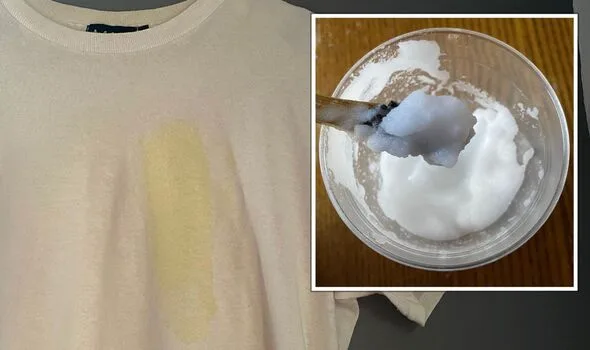
A few important notes. Hydrogen peroxide is generally safe for white cotton and linen, but it can weaken silk and wool fibers. Always test on an inside seam first. Also, never mix hydrogen peroxide with vinegar in the same treatment.
They neutralize each other and become ineffective.
Step-by-Step: The Oxygen Bleach Soak for Set-In Yellowing
When yellowing has set in or the whole garment looks dull, oxygen bleach is your best bet. Products like OxiClean Versatile Stain Remover use sodium percarbonate, which releases hydrogen peroxide when dissolved in water. It's color-safe, fabric-friendly, and effective on oxidation.
What you'll need:
- 1 to 2 scoops oxygen bleach powder (follow the product's dosing instructions)
- Warm water (check the product label for recommended temperature)
- Large basin or bucket
- Gloves (optional but recommended)
The process:
Fill the basin with warm water. Dissolve the oxygen bleach powder completely before adding the garment. Submerge the clothing fully.
Let it soak for 1 to 6 hours depending on the severity of the yellowing. For light yellowing, 1 to 2 hours is usually enough. For heavy oxidation or vintage linens, an overnight soak works best.
After soaking, wash the garment in your regular washing machine cycle with your usual detergent. Use the warmest water temperature the fabric allows. Air dry the garment and check if the stain is fully removed before using any heat.
Why this works so well. Oxygen bleach breaks down the chemical bonds in oxidized stains without damaging cotton fibers the way chlorine bleach does. Per manufacturer specifications, most oxygen bleach products are effective in water temperatures between 100°F and 140°F. Hotter water activates the cleaning agents faster.
What to avoid. Don't use oxygen bleach on silk, wool, or leather. It's gentler than chlorine bleach, but it can still damage protein-based fibers. Also, don't confuse oxygen bleach with chlorine bleach.
They're completely different chemicals with different uses.
Step-by-Step: White Vinegar Soak for Sweat and Deodorant Buildup
White vinegar is the unsung hero of laundry care. Its mild acidity (about 5% acetic acid) dissolves alkaline residues like deodorant buildup, soap scum, and mineral deposits. It's especially effective on the waxy yellow marks caused by antiperspirants.
What you'll need:
- 1 cup white distilled vinegar
- Warm water
- Basin or bucket
The process:
Mix 1 cup of white vinegar into a basin of warm water. Submerge the garment and let it soak for 30 minutes to 1 hour. For heavy buildup, you can use a stronger ratio of 1 part vinegar to 4 parts water.
After soaking, rinse the garment thoroughly with cool water to remove the vinegar smell. Then wash it in your regular cycle with detergent.
For targeted underarm stains, you can apply undiluted white vinegar directly to the stain before soaking. Let it sit for 15 minutes, then proceed with the soak.
Why vinegar works where detergent fails. Most deodorant and antiperspirant residues are alkaline. Detergent alone often can't break them down. White vinegar's acidity neutralizes these compounds and dissolves them from the fabric fibers.
It also acts as a natural fabric softener and helps remove detergent residue that can cause dullness.
A word on the smell. Don't worry about your clothes smelling like vinegar. The smell rinses out completely during the wash cycle. If you're sensitive to it, add an extra rinse cycle to your wash.
What About Chlorine Bleach? When It Works and When It Backfires
Chlorine bleach (sodium hypochlorite) is the most aggressive whitening option. It works fast, but it comes with real risks that most people don't think about.
When it works. Chlorine bleach is effective on sturdy white cotton and linen that has general dullness or organic stains like grass or wine. It breaks down stain molecules quickly and restores brightness in a single wash.
When it backfires. Here's the problem. Chlorine bleach weakens cotton fibers over time. Aggregate user reports and textile research show that repeated use causes thinning, yellowing, and eventual holes.
It also reacts with protein stains (like sweat) and can actually set them rather than remove them. And if you've ever noticed your white shirts turning yellow after months of bleach use, that's the chemical breakdown of the fibers themselves.
The safer approach. For routine whitening, oxygen bleach does the job without the fiber damage. Reserve chlorine bleach for occasional deep cleaning of durable items, and always dilute it properly (typically 1/4 cup per gallon of water). Never pour it directly onto fabric.
Common Mistakes That Make Yellow Stains Worse
Even with the right products, technique matters. Here are the most common errors that turn a fixable stain into a permanent one.
Using hot water on protein stains. Sweat, blood, and body oils are protein-based. Hot water cooks proteins into the fabric, bonding them to fibers permanently. Always use cool or warm water on these stains until they're fully removed.
Putting the garment in the dryer before confirming the stain is gone. Heat from the dryer sets almost any residual stain. Air dry the garment first. If the stain is still visible, repeat the treatment.
Mixing cleaning chemicals. Never mix chlorine bleach with ammonia (creates toxic chloramine gas). Never mix vinegar and bleach (also dangerous). And don't combine vinegar and hydrogen peroxide in the same container.
They cancel each other out.
Scrubbing too aggressively. Vigorous scrubbing can damage fabric fibers and spread the stain. Use gentle circular motions with a soft brush. Let the cleaning agents do the work.
Overusing detergent. More soap doesn't mean cleaner clothes. Excess detergent leaves residue that attracts dirt and causes yellowing over time. Use the recommended amount on the product label.
Ignoring the care label. Silk, wool, and many synthetic blends can't handle the same treatments as cotton. Always check the manufacturer's care instructions before applying any stain treatment.
How to Remove Yellow Stains from Delicate Fabrics
Delicate fabrics like silk, wool, and fine linen need a gentler approach. The baking soda paste and oxygen bleach methods are too harsh for these materials.
For silk. Mix 1 tablespoon of white vinegar with 2 cups of cool water. Submerge the garment and let it soak for 15 to 20 minutes. Rinse with cool water and lay flat to dry.
For stubborn stains, take it to a professional dry cleaner.
For wool. Use a mixture of cool water and a few drops of mild liquid dish soap. Gently blot the stain without rubbing. Rinse with cool water and lay the garment flat on a towel to dry.
Never wring or twist wet wool.
For vintage or heirloom linens. Start with the gentlest method first (vinegar soak). If that doesn't work, try a diluted oxygen bleach solution (half the normal strength) and soak for no more than 1 hour. Test on an inconspicuous area first.
The golden rule for delicates. When in doubt, take it to a professional. The cost of dry cleaning is far less than replacing a damaged heirloom or expensive garment.
Preventing Yellow Stains Before They Start
Once you've removed the stains, a few simple habits will keep them from coming back.
- Use an antiperspirant without aluminum, or apply it at night and let it dry fully before dressing.
- Wash white clothes after every wear. Don't let sweat and body oils sit in the fabric.
- Add 1/2 cup of white vinegar to your rinse cycle once a month to prevent buildup.
- Wash whites separately from colored items to avoid dye transfer.
- Store white clothing in a cool, dry place. Avoid plastic bags that trap moisture.
- Use the recommended amount of detergent. More isn't better.
- Line dry white clothes in direct sunlight when possible. UV light naturally bleaches and brightens fabrics.
Quick Reference: Stain Type vs. Best Treatment at a Glance
| Stain Type | Best Treatment | Soak Time | Safe For |
|---|---|---|---|
| Fresh sweat/body oil | Baking soda + hydrogen peroxide paste | 30-60 min | Cotton, linen, polyester |
| Deodorant buildup | White vinegar soak | 30-60 min | Cotton, linen, most synthetics |
| Set-in yellowing | Oxygen bleach soak | 1-6 hours | Cotton, linen, polyester |
| Hard water minerals | Washing soda or vinegar soak | 1-2 hours | Cotton, linen |
| Delicate fabric stains | Diluted vinegar or professional cleaning | 15-20 min | Silk, wool (gentle methods only) |
Frequently Asked Questions
Can I use baking soda and hydrogen peroxide on colored clothes?
No. Hydrogen peroxide has a mild bleaching effect and can lighten or discolor dyed fabrics. Stick to white or colorfast items only.
Test on an inside seam first if you're unsure.
How long should I soak white clothes in oxygen bleach?
For light yellowing, 1 to 2 hours is usually enough. For heavy oxidation or set-in stains, soak overnight (up to 8 hours). Don't exceed the manufacturer's recommended maximum soak time.
Does white vinegar damage clothes over time?
No. White vinegar is safe for regular use on cotton, linen, and most synthetics. It actually helps remove detergent residue and softens fabrics naturally.
The smell rinses out completely.
Why did my white shirt turn yellow after using bleach?
Chlorine bleach can cause yellowing on cotton over time. It breaks down fibers and reacts with residual body oils. Switch to oxygen bleach for routine whitening to avoid this problem.
Can I mix vinegar and baking soda for stain removal?
You can use them in sequence (vinegar soak first, then baking soda paste), but don't mix them in the same container. They react and neutralize each other, reducing effectiveness.
Is sunlight really effective for whitening clothes?
Yes. UV light naturally breaks down stain molecules and brightens white fabrics. Line drying white clothes in direct sunlight is one of the oldest and most effective whitening methods available.
Frequently Asked Questions
Can I use baking soda and hydrogen peroxide on colored clothes?
No. Hydrogen peroxide has a mild bleaching effect and can lighten or discolor dyed fabrics. Stick to white or colorfast items only.
Test on an inside seam first if you're unsure.
How long should I soak white clothes in oxygen bleach?
For light yellowing, 1 to 2 hours is usually enough. For heavy oxidation or set-in stains, soak overnight (up to 8 hours). Don't exceed the manufacturer's recommended maximum soak time.
Does white vinegar damage clothes over time?
No. White vinegar is safe for regular use on cotton, linen, and most synthetics. It actually helps remove detergent residue and softens fabrics naturally.
The smell rinses out completely.
Why did my white shirt turn yellow after using bleach?
Chlorine bleach can cause yellowing on cotton over time. It breaks down fibers and reacts with residual body oils. Switch to oxygen bleach for routine whitening to avoid this problem.
Can I mix vinegar and baking soda for stain removal?
You can use them in sequence (vinegar soak first, then baking soda paste), but don't mix them in the same container. They react and neutralize each other, reducing effectiveness.
Is sunlight really effective for whitening clothes?
Yes. UV light naturally breaks down stain molecules and brightens white fabrics. Line drying white clothes in direct sunlight is one of the oldest and most effective whitening methods available.
Frequently Asked Questions
Can I use baking soda and hydrogen peroxide on colored clothes?
No. Hydrogen peroxide has a mild bleaching effect and can lighten or discolor dyed fabrics. Stick to white or colorfast items only.
Test on an inside seam first if you're unsure.
How long should I soak white clothes in oxygen bleach?
For light yellowing, 1 to 2 hours is usually enough. For heavy oxidation or set-in stains, soak overnight (up to 8 hours). Don't exceed the manufacturer's recommended maximum soak time.
Does white vinegar damage clothes over time?
No. White vinegar is safe for regular use on cotton, linen, and most synthetics. It actually helps remove detergent residue and softens fabrics naturally.
The smell rinses out completely.
Why did my white shirt turn yellow after using bleach?
Chlorine bleach can cause yellowing on cotton over time. It breaks down fibers and reacts with residual body oils. Switch to oxygen bleach for routine whitening to avoid this problem.
Can I mix vinegar and baking soda for stain removal?
You can use them in sequence (vinegar soak first, then baking soda paste), but don't mix them in the same container. They react and neutralize each other, reducing effectiveness.
Is sunlight really effective for whitening clothes?
Yes. UV light naturally breaks down stain molecules and brightens white fabrics. Line drying white clothes in direct sunlight is one of the oldest and most effective whitening methods available.