How to Make Clothes Smell Good in 2026 (Pro Tips & Tricks)
You pull a shirt out of the dryer and it smells like nothing. Or worse, it smells faintly sour, musty, or like the inside of a gym bag. Figuring out how to make clothes smell good isn't as simple as tossing in extra detergent.
In most cases, the problem runs deeper than surface-level freshness.
The real fix depends on what's causing the odor in the first place, what fabric you're working with, and how you're washing and storing everything. Get those three things right and your clothes will genuinely smell clean, not just perfumed. Let's walk through it step by step.
Quick Answer
To make clothes smell good, start by identifying the odor source. Sweat and body oil need enzyme-based detergent. Musty storage smells need vinegar or baking soda in the wash.
Avoid overloading the machine and dry clothes immediately after the cycle ends. For long-term freshness, add cedar blocks or activated charcoal bags to your closet. Clean your washing machine monthly to prevent odor transfer between loads.
Why Your Clothes Don't Smell as Good as You Think — and How to Fix It
Most people assume bad-smelling clothes mean they need more detergent or a stronger fabric softener. That's usually the opposite of what helps. Piling on product without understanding the cause is exactly how you end up with clothes that smell worse after washing than before.
Here's what's actually going on. Odors in clothing fall into a few distinct categories, and each one responds to a different treatment. Body odor gets trapped in fibers when bacteria aren't fully killed during the wash.
Mustiness comes from moisture sitting in fabric too long. Residue buildup from detergent and dryer sheets creates a film that holds onto smells instead of releasing them. And sometimes the washing machine itself is the culprit, harboring mold and bacteria that transfer to every load.
The American Cleaning Institute notes that overloading a washing machine is one of the most common reasons clothes come out still smelling bad. When clothes can't move freely, water and detergent can't reach all the fabric surfaces. You end up with partially cleaned laundry that holds onto the worst odors in high-contact areas like underarms and collars.
Fixing this starts with a simple shift. Stop thinking about adding more scent and start thinking about removing what's causing the smell. Once the root cause is handled, freshness follows naturally.
The Real Reason Clothes Hold Onto Bad Smells
Odor in clothing isn't one problem. It's several different problems that all smell vaguely similar but need completely different solutions. Understanding which type you're dealing with is the single most important step.
Bacteria are the main offender. When you sweat, the sweat itself is nearly odorless. It's the bacteria on your skin breaking down the proteins and lipids in sweat that creates the smell. Those bacteria embed themselves in fabric fibers, especially in synthetic athletic wear.
A regular wash cycle with standard detergent might remove surface dirt but leave the bacteria behind. They reactivate the moment the fabric warms against your body.
Moisture is the enabler. Clothes that sit damp in the washer, in a laundry basket, or in a humid closet create the perfect environment for mildew and mold. That musty smell is microbial growth, and it bonds to cotton and linen fibers particularly well. Once mildew sets in, a normal wash often isn't enough.
Residue is the silent culprit. Liquid fabric softener and dryer sheets coat fibers with a waxy film designed to reduce static and add softness. Over time, that film builds up and traps odor molecules inside the fabric instead of letting them wash away. This is especially noticeable on towels, which lose absorbency and develop a sour smell even when they've just been washed.
Your washing machine can be the source. Front-loading machines are especially prone to mold growth around the rubber door gasket. That mold transfers to clothes during the wash cycle, giving everything a faint musty smell right out of the dryer. If your clothes smell off every single time, the machine itself needs attention before anything else will help.
How to Figure Out What's Actually Causing the Odor
Before you reach for any product or method, take thirty seconds to diagnose what you're dealing with. The right fix depends entirely on the source.
Sweat and Body Oil Buildup
This is the most common issue, especially with everyday shirts, socks, and athletic wear. The smell is strongest in areas that contact skin directly: underarms, collars, the seat of pants, and the foot area of socks. If the odor returns within an hour of putting on freshly washed clothes, bacteria are still living in the fabric.
Synthetic fabrics like polyester and nylon are particularly bad at holding onto body odor. The bacteria get trapped in the fiber structure and resist normal washing. Enzyme-based detergents are specifically designed to break down the proteins these bacteria feed on, which is why they outperform standard detergents on this type of smell.
Mildew and Mustiness from Damp Storage
Musty smells tend to be uniform across the entire garment, not concentrated in high-contact areas. You'll notice it most on clothes that have been sitting in a closet for a season, towels that didn't dry fully, or anything stored in a basement or garage. The smell is earthy, stale, and slightly sweet in an unpleasant way.
This type of odor means microbial growth has already started. Vinegar is particularly effective here because its acidity kills mildew spores and dissolves the residue they leave behind. A pre-soak in a vinegar solution before washing can eliminate mustiness that a normal cycle won't touch.
Detergent and Fabric Softener Residue
If your towels feel waxy or your athletic wear seems to repel water instead of absorbing it, residue buildup is likely the problem. The smell in this case is often subtle, a faint sourness that you notice more when the fabric gets warm or damp. Clothes might look clean but never quite smell clean.
The fix is stripping the residue away. A hot water wash with no detergent, followed by a rinse cycle with one cup of white distilled vinegar, can remove months of accumulated buildup. After that, cutting back on fabric softener and switching to dryer balls prevents the problem from returning.
Smoke, Cooking, and Environmental Odors
These odors are absorbed into fabric from the air rather than from body contact. They tend to linger in heavier fabrics like coats, sweaters, and upholstery more than in lightweight everyday clothing. Cigarette smoke, kitchen grease vapor, and even strong outdoor smells like campfire smoke bond to fibers at a molecular level.
Baking soda is one of the best options for environmental odors because it absorbs odor molecules rather than just covering them up. Adding half a cup to the wash cycle alongside your regular detergent can pull these stubborn smells out of fabric without damaging fibers or leaving a scent of its own.
The Right Fix Depends on the Fabric and Situation
Not every method works on every fabric. Using the wrong approach can damage delicate fibers, strip color, or make the odor problem worse. Here's how to match the solution to what you're washing.
Everyday Cotton and Synthetic Clothing
Cotton and standard synthetic blends are the most forgiving fabrics. They can handle hot water, enzyme detergents, vinegar rinses, and oxygen bleach without damage. For everyday odor removal, use an enzyme-based detergent in the warmest water safe for the garment's color.
Add half a cup of baking soda to the wash cycle for extra odor-lifting power.
If the smell persists, pre-soak the garment in a solution of one cup white distilled vinegar per gallon of cool water for 30 to 60 minutes before washing. This breaks down both bacteria and residue without harsh chemicals.
Athletic Wear and Microfiber Fabrics
This is where most people go wrong. Athletic wear is designed to wick moisture, which means it's made from tight synthetic fibers that trap bacteria deep in the structure. Fabric softener and dryer sheets make this dramatically worse by coating the fibers and blocking their wicking ability.
Wash athletic wear in cold or warm water with an enzyme-based detergent. Never use fabric softener. Never use dryer sheets.
Hang dry or tumble dry on low heat, since high heat can set odor into synthetic fibers permanently. For stubborn gym smell, add one cup of white distilled vinegar to the rinse cycle instead of any scented additive.
Delicates — Wool, Silk, and Cashmere
Delicate fabrics can't handle hot water, aggressive agitation, or strong acids. Vinegar is still safe at a diluted ratio, but essential oils should be used sparingly and tested on a hidden area first to avoid staining.
For wool and cashmere, the best approach is gentle hand washing or a delicate cycle with a wool-specific detergent, followed by laying flat to dry. To freshen these items between washes, hang them in a well-ventilated area or use a garment steamer. Steam kills surface bacteria without the stress of a full wash.
Cedar blocks in your closet help enormously with delicates. They absorb ambient moisture, repel moths, and impart a subtle, natural freshness without any direct contact with the fabric.
Towels and Bedding
Towels are notorious for developing a sour, musty smell because they retain moisture long after use. The combination of warmth, humidity, and organic material makes them a breeding ground for bacteria.
Wash towels in hot water with an enzyme detergent. Add one cup of white distilled vinegar to the rinse cycle to strip residue and kill bacteria. Skip fabric softener entirely, it coats the fibers and destroys absorbency.
Dry towels completely on medium heat. Never leave them sitting damp in the washer overnight.
Bedding benefits from the same approach. Wash sheets and pillowcases weekly in hot water. If mustiness develops, a pre-soak in a baking soda solution (half a cup per gallon of warm water) for 30 minutes before the regular cycle will neutralize the odor.
Clothes in Long-Term Storage
Seasonal wardrobe storage is where most people discover musty smells months after packing clothes away. The key is preparation and environment. Always wash or dry-clean items before storing them.
Body oils and food stains that seem invisible will oxidize and create odor over time.
Store clean clothes in breathable garment bags or cotton storage bins, never sealed plastic traps moisture. Place activated charcoal bags or cedar blocks inside each container. Activated charcoal absorbs odor molecules and moisture for up to 2 years, and you can recharge the bags by setting them in direct sunlight for a couple of months.
Keep storage areas below 60 percent relative humidity if possible. In humid climates, a small dehumidifier in the closet or storage room makes a significant difference in preventing mustiness.
Step-by-Step: How to Make Clothes Smell Good Starting Today
Now that you know what's causing the odor and which fabric you're dealing with, let's put it all together. This process works for the majority of everyday situations.
Pre-Treat High-Odor Zones Before Washing
Don't just throw dirty clothes in the machine and hope for the best. Underarms, collars, crotch areas, and sock feet need direct attention. Spritz these zones with an enzyme-based pre-treatment spray and let it sit for five to ten minutes.
This gives the enzymes time to start breaking down the proteins bacteria feed on.
If you don't have a pre-treatment spray, mix equal parts water and white distilled vinegar in a spray bottle. It's not as targeted as an enzyme formula, but it kills a broad range of odor-causing bacteria on contact.
Optimize Your Wash Cycle for Odor Removal
Use the warmest water temperature safe for your fabric. Warm water opens up fibers and allows detergent to penetrate more effectively than cold water. For whites and light colors that can handle it, hot water delivers the best odor-killing results.
Don't overload the drum. Clothes need room to agitate. A load that's two-thirds full is the sweet spot.
Anything tighter and you're washing only the outside layer of the bundle.
Choose an enzyme-based detergent. These contain protease and amylase enzymes that digest protein-based stains and the organic matter bacteria produce. For particularly sweaty or soiled items, an extra rinse cycle helps ensure all dissolved odor compounds are flushed away.
Add the Right Boosters — Vinegar, Baking Soda, or Oxygen Bleach
Each booster does something different, and knowing when to use which one matters.
White distilled vinegar works best for mildew, general mustiness, and residue stripping. Use half a cup to one cup in the rinse cycle or fabric softener dispenser. It won't leave a vinegar smell once clothes are dry.
Baking soda excels at absorbing environmental odors like smoke and cooking smells. Add half a cup directly to the wash cycle along with your detergent. It also softens water, which helps detergent work more effectively.
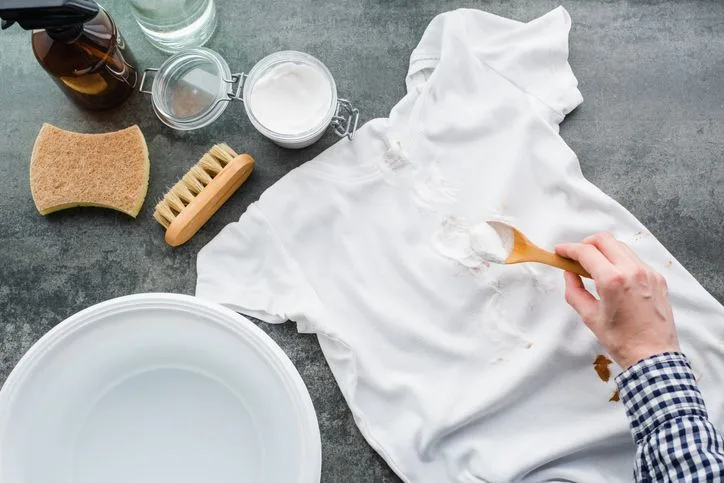
Oxygen bleach (sodium percarbonate) is the right choice for whitening and deodorizing without chlorine bleach's harshness. It's safe on colors and works well as a pre-soak. Dissolve one to two tablespoons per gallon of warm water and soak heavily soiled items for one to six hours before washing.
Dry Clothes the Right Way to Lock In Freshness
Get clothes out of the washer the moment the cycle ends. Wet fabric sitting in a warm drum for an even thirty minutes can start developing that sour smell. If you can't switch loads immediately, at least crack the door open.
Dry items on the appropriate heat setting. High heat kills bacteria fastest but can damage elastic and synthetic fibers. Medium heat is a safe default for most everyday clothing.
Delicates and athletic wear should be hang-dried or tumbled on low.
Sunlight is a natural deodorizer and disinfectant. If you have outdoor drying space, hanging clothes in direct sun for a few hours eliminates bacteria and leaves fabric smelling genuinely fresh. This works especially well for items that tend to hold onto mustiness, like towels and bedding.
Refresh Clothes Between Washes Without a Full Laundry Load
Not every garment needs a full wash after one wear. Overwashing wears out fabric faster and wastes water. For items that are lightly worn and not visibly soiled, a few quick tricks restore freshness.
A garment steamer kills surface bacteria with heat and relaxes wrinkles at once. Run it over the inside of jackets, the underarms of blouses, and any area that contacted skin directly. The steam penetrates fibers without the agitation of a washing machine.
Hanging clothes in a well-ventilated area overnight lets air circulate and dissipates light odors. This works well for denim, wool sweaters, and structured pieces like blazers that don't need frequent washing.
For a quick scent boost, lightly spritz the inside of garments with a fabric refresher spray. Look for formulas that contain odor-neutralizing cyclodextrin rather than just fragrance. Cyclodextrin molecules trap odor compounds and remove them instead of masking them.
Best Products and Methods Compared
There's no single best product for every situation. Here's how the most common options stack up.
Scent Boosters vs. Fabric Softener vs. Dryer Sheets
| Feature | Scent Boosters | Fabric Softener | Dryer Sheets |
|---|---|---|---|
| Primary function | Add lasting fragrance | Soften fibers, reduce static | Reduce static, add light scent |
| Residue buildup | Low | High | High |
| Safe for athletic wear | Yes | No | No |
| Fragrance longevity | Days to weeks | One to two days | Through the dryer cycle |
| Cost per load | $0.15 to $0.30 | $0.10 to $0.20 | $0.05 to $0.15 |
Scent boosters like Downy Unstopables or Gain Fireworks are the best option if your main goal is lasting fragrance without the downsides of fabric softener. They dissolve completely in the wash and don't leave a waxy coating on fibers.
Fabric softener and dryer sheets both deposit a chemical film that reduces static but traps odor over time. If you've been using either and your clothes smell stale, that residue is likely part of the problem. Switch to wool dryer balls for static control without the buildup.
Natural Options — Vinegar, Essential Oils, and Baking Soda
White distilled vinegar is the most versatile natural option. It kills bacteria, dissolves detergent residue, softens fabric, and costs very little. The only downside is it won't leave a strong pleasant scent behind, though some people add a few drops of essential oil to the rinse cycle for that.
Tea tree oil and eucalyptus oil have documented antimicrobial properties. Add three to five drops to your wash cycle or mix into a spray bottle with water for a natural fabric refresher. Always dilute essential oils before applying them to fabric.
Undiluted oils can stain and may irritate sensitive skin.
Baking soda is the gentlest option and works best as a supplement to detergent rather than a replacement. It boosts cleaning power, softens water, and absorbs odors without any risk of damaging fibers or causing skin reactions.
Closet-Based Solutions — Cedar, Charcoal, and Sachets
Passive scenting keeps clothes fresh between wears and during storage. Cedar blocks absorb moisture and release a mild woody scent that naturally repels moths. They're effective for three to six months before you need to lightly sand the surface to refresh the aroma.
Activated charcoal bags work differently. They absorb odor molecules and moisture without adding any scent. This makes them ideal for people who are sensitive to fragrance.
Recharge them in sunlight every thirty days and they'll last up to two years.
Lavender sachets add a pleasant floral scent and have mild antibacterial properties. They're a good fit for drawers and smaller storage spaces. Replace them every two to three months as the dried herbs lose their potency.
Enzyme Detergents and Anti-Odor Additives
Enzyme detergents are the single most effective product category for odor removal. They contain biological enzymes that break down the organic compounds causing the smell at a molecular level. Brands that specifically market "sport" or "active wear" formulas tend to have higher enzyme concentrations.
Anti-odor additives like oxygen-based laundry boosters work well as a supplement for heavily soiled items. They release hydrogen peroxide in water, which oxidizes odor compounds. These are color-safe and work in both hot and cold water, though warm water activates them faster.
Common Mistakes That Make Clothes Smell Worse
Image source: Bing (Web (fair-use with source credit))
Some of the most common laundry habits actively contribute to bad odor. Here's what to stop doing.
Using too much detergent. Excess detergent doesn't clean better. It leaves residue that traps bacteria and creates a film on fabric. Follow the dosage guidelines on the packaging and reduce it slightly if you have a high-efficiency machine, which uses less water per cycle.
Leaving wet clothes in the washer. Even an hour is enough time for bacteria to start multiplying in damp fabric. Set a timer if you tend to forget. Transfer clothes to the dryer or hanging rack immediately.
Ignoring your washing machine. A dirty machine can't clean clothes properly. Run an empty hot cycle with one cup of white distilled vinegar or a commercial washing machine cleaner once a month. Wipe down the door gasket and detergent dispenser regularly, especially on front-loaders.
Mixing vinegar and bleach. This combination produces toxic chlorine gas. If you use chlorine bleach on whites, run an empty rinse cycle before using vinegar on the next load. Never add them to the same wash.
Over-drying synthetic fabrics. High heat can bake odor into polyester and nylon fibers, making the smell permanent. Use low or medium heat for anything synthetic and remove items while they're still slightly damp to finish air-drying.
How to Keep Stored and Seasonal Clothes Fresh for Months
Clothes that sit in storage for months are vulnerable to mustiness, pest damage, and odor absorption. A little preparation goes a long way.
Always start with clean garments. Invisible body oils and food residue oxidize over time and create stale odors. Wash or dry-clean everything before packing it away.
Choose breathable storage containers. Cotton garment bags, canvas storage bins, or acid-free tissue paper allow air circulation. Sealed plastic bins trap moisture and create a humid microclimate that encourages mildew.
If you must use plastic, add a silica gel desiccant packet to absorb excess moisture.
Place one activated charcoal bag or two to three cedar blocks in each container. For hanging garments in a closet, space cedar hangers or cedar sachets every two to three feet along the rod.
Store clothes in a cool, dry area away from direct sunlight. Attics and garages experience extreme temperature swings that damage fibers and encourage moisture buildup. A closet on an interior wall of your home is ideal.
Check stored items every two to three months. Air them out for a few hours if you notice any stale smell. This prevents mildew from gaining a foothold and gives you a chance to recharge or replace your charcoal bags and cedar blocks.
Expert Tips Most People Don't Know
These are the small adjustments that make a noticeable difference but rarely come up in basic laundry advice.
Add a cup of white distilled vinegar to your rinse cycle once a month as general maintenance. It prevents the slow buildup of detergent residue that most people don't notice until towels stop absorbing and clothes stop smelling clean.
Wash new clothes before wearing them. New garments are often treated with formaldehyde-based finishing resins that create a chemical smell and can irritate skin. A single wash removes most of these treatments.
If you live in a hard water area, your detergent is working harder than it should. Calcium and magnesium in hard water bind to detergent molecules and reduce their effectiveness. A water softener or a detergent formulated for hard water makes a significant difference in how clean and fresh your clothes come out.
Freezing clothes doesn't kill bacteria. This is a persistent myth. Freezing may temporarily slow bacterial growth, but the organisms reactivate as soon as the fabric warms up.
Heat, enzymes, or acidity are what actually eliminate odor-causing bacteria.
For a quick refresh on the road, pack a small spray bottle filled with one part vodka and three parts water. The alcohol kills bacteria and evaporates without leaving a scent. It's a favorite trick of costume departments in theater and film for freshening garments between performances.
When the Smell Won't Go Away — What to Do Next
Sometimes you've tried everything and the odor persists. At that point, it's time for more aggressive treatment.
Try a full laundry stripping soak. Fill a bathtub or large basin with hot water. Add one cup of washing soda (sodium carbonate), half a cup of borax, and half a cup of powdered laundry detergent. Submerge the affected items and stir occasionally for four to six hours.
You'll likely see the water turn gray or brown as years of accumulated residue dissolves out. Rinse thoroughly and air dry. This method is too harsh for frequent use but works as a reset for heavily soiled items.
Inspect your washing machine drain and filter. A clogged drain or dirty filter can cause water to sit in the machine between cycles, breeding bacteria that transfer to every load. Clean the filter according to your manufacturer's instructions and check the drain hose for blockages.
Consider whether the fabric itself is compromised. In some cases, especially with old synthetic athletic wear, odor becomes permanently embedded in the fiber structure. Bacteria colonize microscopic cracks in degraded polyester and no amount of washing will fully remove them. If an item smells bad within minutes of putting it on, even after stripping, it may be time to replace it.
Check your home's humidity levels. If your closet or laundry room consistently sits above 60 percent relative humidity, moisture in the air alone can make clothes smell musty. A small dehumidifier running in the laundry area solves this at the source.
Frequently Asked Questions
Does baking soda really make clothes smell good?
Yes. Baking soda absorbs odor molecules rather than masking them. Add half a cup directly to your wash cycle alongside regular detergent.
It also softens water, which helps detergent work more effectively. It won't add a scent of its own, which makes it a good choice if you prefer fragrance-free laundry.
How do I get the smell out of clothes without washing them?
Use a garment steamer to kill surface bacteria with heat. Hang clothes in a well-ventilated area or in sunlight for a few hours. For a quick fix, spritz lightly with a diluted vodka solution (one part vodka to three parts water) or a fabric refresher spray containing cyclodextrin, which traps and removes odor molecules.
Why do my clothes smell bad after washing?
The most common causes are overloading the machine, using too much detergent, leaving wet clothes sitting in the drum, or a dirty washing machine. Residue from fabric softener and dryer sheets also traps odor over time. Run a cleaning cycle on your machine and reduce your detergent dosage to see if the problem resolves.
Is vinegar or baking soda better for smelly clothes?
They do different things. Vinegar kills bacteria and dissolves detergent residue, making it better for mildew and sour smells. Baking soda absorbs environmental odors like smoke and cooking smells.
You can use both in the same load. Add baking soda to the wash cycle and vinegar to the rinse cycle.
How long do cedar blocks and charcoal bags last in a closet?
Cedar blocks remain effective for three to six months before you need to sand the surface lightly to refresh the scent. Activated charcoal bags last up to two years with proper maintenance. Recharge them by placing them in direct sunlight for one to two hours every thirty days.
Can essential oils damage clothes?
Undiluted essential oils can stain fabric and may degrade elastic fibers over time. Always dilute them before use. Add three to five drops to your wash cycle, or mix into a spray bottle with water for a fabric refresher.
Test on a hidden area of the garment first, especially with silk, wool, or brightly dyed items.
Your Decision Guide — Pick the Right Method for Your Situation
If you take nothing else from all of this, remember three rules. Match the method to the odor source. Match the method to the fabric.
And stop adding more product before you've removed what's causing the smell.
For everyday freshness, an enzyme detergent, correct water temperature, and prompt drying solve most problems. Add vinegar to the rinse cycle monthly as maintenance. Skip fabric softener on anything synthetic or performance-based.
Keep cedar or charcoal in your closet and storage bins. And clean your washing machine before you assume the clothes are the problem.
If a specific garment still smells bad after stripping or an extra rinse cycle, the odor may be permanently bonded to degraded fibers. At that point, replacement is more cost-effective than continued treatment.
Fresh clothes come from clean habits, not heavy fragrance. Get the washing right and you won't need to mask a thing.