How to Wash FR (flame Retardant) Clothing 2026: Easy Methods
You've got FR clothing that's supposed to protect you from flash fires and arc flashes. Then you toss it in the washing machine like it's a regular t-shirt. That's where things go wrong.
Knowing how to wash FR (flame retardant) clothing isn't just about keeping it clean. It's about making sure the garment still does its job the next time you need it.
The problem is that most people either ignore the care label entirely or assume all FR fabrics can handle the same wash cycle. They can't. A Proban-treated cotton shirt and an inherent Nomex coverall have completely different washing requirements.
Get it wrong and you could strip the flame-retardant finish right off the fabric. Per NFPA 2113, improper laundering is one of the most common reasons FR garments fail to meet their rated protection levels. Let's walk through exactly how to do it right.
Image source: Bing (Web (fair-use with source credit))
Quick Answer: The Core Rules for Washing FR Clothing
Wash FR clothing separately from non-FR laundry. Use warm or cold water, never hot. Choose a mild detergent without softeners, bleach, or starch.
Tumble dry on low or line dry. Always follow the manufacturer's care label first.
These rules apply to most FR garments. But the specifics depend on your fabric type and the label instructions. That's what we'll break down next.
Why Washing FR Clothing the Right Way Actually Matters
FR clothing isn't regular workwear. It's personal protective equipment. The whole reason you're wearing it is because your job puts you at risk of short-duration thermal exposure, like a flash fire or an electrical arc flash.
If the garment's flame-retardant properties are compromised, you're essentially wearing regular clothes in a dangerous environment.
Here's what's at stake. Chlorine bleach breaks down the chemical finish on treated FR fabrics like Proban or Pyrovatex. Fabric softener coats the fibers and can create a flammable film.
Starch is literally fuel. Even washing FR garments with lint-heavy cotton loads can embed flammable particles into the fabric weave.
NFPA 2113, the standard that covers care and maintenance of FR garments, is explicit about this. It requires that laundering procedures don't compromise the garment's protective properties. OSHA backs this up under 29 CFR 1910.132, which makes employers responsible for ensuring PPE remains effective.
If you're home-laundering your FR gear, that responsibility falls on you.
The good news is that washing FR clothing correctly isn't complicated. You just need to know what to do and what to avoid.
How FR Clothing Works: Inherent vs. Treated Fabrics
Before you touch the washing machine, you need to know what kind of FR fabric you're dealing with. This is the single biggest factor that determines how you wash it.
Inherent FR fabrics have flame resistance built into the fiber itself. The protection can't wash out because it's part of the molecular structure of the material. Common examples include Nomex (aramid), Kevlar (aramid), Modacrylic, PBI (polybenzimidazole), and some FR-treated wool blends.
These garments can typically handle more wash cycles without losing their protective rating.
Treated FR fabrics start as a base material, usually cotton or a cotton blend, and then get a chemical flame-retardant finish applied. The most common treatments are Proban and Pyrovatex. The finish bonds to the fibers and creates a char layer when exposed to flame, which stops the fabric from burning.
But that chemical bond degrades over time, especially with improper washing.
Here's the practical difference. An inherent FR garment like a Nomex coverall will maintain its protection for the life of the garment as long as the fabric isn't physically damaged. A treated FR garment like a Proban cotton shirt might need re-treatment after 50 to 100 wash cycles, depending on the manufacturer's specifications and how aggressively it's laundered.
How do you tell which type you have? Check the care label. It should list the fiber content and the FR treatment type.
If it says "100% cotton, Proban treated," that's a treated fabric. If it says "Nomex IIIA" or "93% Meta-Aramid, 5% Para-Aramid, 2% Carbon Fiber," that's inherent.
This distinction matters because treated fabrics are far more vulnerable to washing mistakes. Chlorine bleach will destroy a Proban finish in a single wash. Inherent fabrics are more forgiving, but they still need proper care to maintain their structural integrity.
What Happens When You Wash FR Clothing Wrong
Let's talk about the real consequences of bad laundry habits. This isn't theoretical. Improper washing directly reduces the garment's ability to protect you.
Chlorine bleach on treated FR fabrics. This is the big one. Chlorine bleach breaks the chemical bond between the FR finish and the cotton fibers. One cycle with bleach can significantly reduce or completely eliminate the flame-retardant properties of a Proban or Pyrovatex garment.
The garment might look fine. It won't perform fine.
Fabric softener and dryer sheets. These products work by coating fibers with a thin layer of chemicals that make fabric feel softer. On FR clothing, that coating is flammable. It creates a film that can ignite and sustain a flame, which is exactly what the garment is supposed to prevent.
Even "free and clear" fabric softeners cause this problem.
Starch. Some workers spray starch on their FR shirts to keep them crisp. Starch is a carbohydrate. It's literally food for a flame.
NFPA 2113 explicitly prohibits the use of starch on FR garments.
Washing with non-FR laundry. When you toss your FR coveralls in with regular jeans and cotton towels, two things happen. Lint from the cotton items embeds in the FR fabric, and that lint is flammable. The abrasion from heavier items also accelerates wear on the FR garment's fibers and seams.
Excessive heat. Hot water and high dryer heat can cause shrinkage beyond the garment's tolerance. NFPA 2112 allows a maximum shrinkage of 5% after washing. Exceeding that means the garment may not fit properly, and gaps in coverage mean exposed skin.
High heat can also degrade both inherent and treated FR fibers over time.
Ignoring contamination. If your FR clothing is soaked in gasoline, hydraulic fluid, or other flammable substances, washing it at home might not be enough. Some contaminants require specialized industrial decontamination. Washing a flammable contaminant in a home machine can also be a fire hazard in itself.
The bottom line is that every wash cycle is either maintaining or degrading your garment's protection. There's no neutral.
Step-by-Step: How to Wash FR Clothing at Home
If your manufacturer's care label permits home laundering, here's the process that keeps your FR garments protective and in good shape.
Step 1: Read the care label. This is non-negotiable. The manufacturer knows exactly what their fabric and finish can handle. The label will specify water temperature, drying method, and any prohibited substances.
If the label says "industrial laundry only," don't put it in your home machine.
Step 2: Inspect the garment before washing. Look for tears, frayed seams, broken zippers, or damaged reflective trim. Check for heavy contamination like oil, grease, or chemical spills. If the garment is heavily soiled with flammable substances, you may need industrial laundering or spot treatment before the main wash.
Step 3: Pre-treat stains if needed. For oil or grease spots, use a degreasing pre-treatment that doesn't contain bleach or solvents. Apply it directly to the stain and let it sit for a few minutes. Don't use spray starch or any product that leaves a residue.
Step 4: Prepare the garment for washing. Turn it inside out. Close all zippers, snaps, and Velcro. This reduces abrasion during the wash cycle and protects the outer surface of the fabric.
Step 5: Wash FR garments separately. Never mix FR clothing with non-FR laundry. Lint from cotton and synthetic blends will embed in the FR fabric. If you have multiple FR garments, wash them together by similar color and fabric weight.
Step 6: Choose the right water temperature. Warm water, around 105°F to 140°F (40°C to 60°C), is the safe range for most FR garments. Cold water works too and is gentler on fabrics. Avoid hot water unless the care label specifically allows it.
Step 7: Use the right detergent. Pick a mild, liquid detergent. Avoid products that contain fabric softeners, optical brighteners, bleach, or heavy fragrances. These additives can coat fibers or react with FR finishes.
A basic, additive-free detergent is your safest bet.
Step 8: Run a normal or permanent press cycle. You don't need a heavy-duty cycle. Aggressive agitation causes unnecessary wear. A standard cycle with a thorough rinse is what you want.
Step 9: Rinse thoroughly. Make sure all detergent residue is rinsed out. Leftover detergent can build up on fibers and affect the fabric's performance. If your machine has an extra rinse option, use it.
Step 10: Dry properly. Tumble dry on low or medium heat. High heat causes excessive shrinkage and can degrade FR fibers. Line drying is also a good option and is the gentlest on the fabric.
Remove garments from the dryer promptly to avoid wrinkles.
Step 11: Inspect after drying. Check for shrinkage by comparing the garment to its original measurements if you have them. Look at seams, closures, and trim. Make sure nothing came loose during the wash.
Step 12: Record the wash count. For treated FR fabrics, keep track of how many times the garment has been washed. This helps you know when it might need re-treatment or retirement.
That's the full cycle. It's not complicated, but every step matters. Skip one and you could be compromising the garment's ability to protect you.
Industrial Laundering vs. Home Laundering: Which Does Your Garment Need?
Your care label holds the answer. Some FR garments are designed for home washing. Others require industrial laundering.
Using the wrong method can void your manufacturer's warranty and compromise the garment's protection.
Home laundering works for most treated and inherent FR fabrics, as long as the care label permits it. You control the detergent, water temperature, and drying method. It's convenient and cost-effective for workers who wear FR clothing daily and need frequent washing.
Industrial laundering is a different operation. Companies like UniFirst and Cintas run specialized facilities that wash FR garments in controlled conditions. They use FR-certified detergents, precise water chemistry, and standardized cycles.
Many also offer garment inspection and repair services as part of the program.
Here's when industrial laundering makes sense. If your employer provides an FR clothing program, they likely require industrial laundering. If your garments are contaminated with hazardous chemicals, industrial facilities have the equipment to handle decontamination safely.
If your care label explicitly says "industrial laundry only," that's not a suggestion.
The downside is cost and logistics. Industrial laundering programs typically charge per garment per wash. You also need enough spare garments to rotate while others are being cleaned.
For workers who buy their own FR clothing, home laundering is usually the practical choice.
Choosing the Right Detergent and Water Temperature for FR Garments
Not all detergents are safe for FR clothing. The wrong one can leave residues that interfere with flame-retardant properties.
What to look for in a detergent:
- Liquid formula (powders can leave residue)
- No added fabric softeners
- No chlorine bleach or optical brighteners
- No heavy fragrances or dyes
- Mild or standard strength (not heavy-duty with extra surfactants)
Basic liquid detergents from major brands generally work fine. The key is reading the ingredient list. If the label mentions "fabric conditioning" or "softening agents," skip it.
Water temperature guidelines:
| Fabric Type | Recommended Temperature | Maximum Temperature |
|---|---|---|
| Treated FR (Proban, Pyrovatex) | Warm, 105°F (40°C) | 140°F (60°C) |
| Inherent FR (Nomex, Modacrylic) | Warm or cold | 140°F (60°C) per most labels |
| FR blends (cotton/Modacrylic) | Warm, 105°F (40°C) | 140°F (60°C) |
Cold water is always safe. It's gentler on fabrics and uses less energy. Warm water helps remove oil and grease better.
Hot water is rarely needed and can cause excessive shrinkage.
One more thing. If you have hard water, mineral buildup can accumulate on FR fabrics over time. A water softener or a detergent formulated for hard water helps prevent this.
Fabric Softener, Bleach, Starch, and Dryer Sheets: What to Avoid and Why
These four products are the most common mistakes people make with FR clothing. Each one directly undermines the garment's protective properties.
Fabric softener (liquid or sheets). Softener coats fibers with a waxy film. On regular clothes, that feels nice. On FR clothes, it creates a flammable layer that can ignite and sustain combustion.
Even one use can reduce the garment's flame resistance. This applies to both liquid softener added to the wash and dryer sheets tossed in with the load.
Chlorine bleach. On treated FR fabrics, chlorine breaks the chemical bond between the flame-retardant finish and the cotton fibers. The garment may look clean, but the protection is gone. Oxygen bleach is slightly less damaging but still not recommended unless the care label specifically allows it.
Inherent FR fabrics tolerate bleach better, but it's still unnecessary and can weaken fibers over time.
Starch. Spray starch makes shirts look crisp. It also makes them flammable. Starch is a carbohydrate that feeds flames.
NFPA 2113 explicitly prohibits starch on FR garments. If you want a crisp look, use a pressing iron on the appropriate heat setting instead.
Dryer sheets. Same problem as liquid fabric softener. They leave a residue on fibers. Skip them entirely when drying FR clothing.
The rule is simple. If the product's purpose is to soften, brighten, or add fragrance, it doesn't belong near your FR gear.
How to Dry and Finish FR Clothing After Washing
Drying is where a lot of people undo all their careful washing work. High heat is the enemy.
Tumble drying. Use low or medium heat. High heat causes shrinkage, and if the garment shrinks beyond the 5% limit allowed by NFPA 2112, it may no longer fit properly. Remove garments promptly when the cycle ends.
Leaving them in a hot dryer causes wrinkles and unnecessary heat exposure.
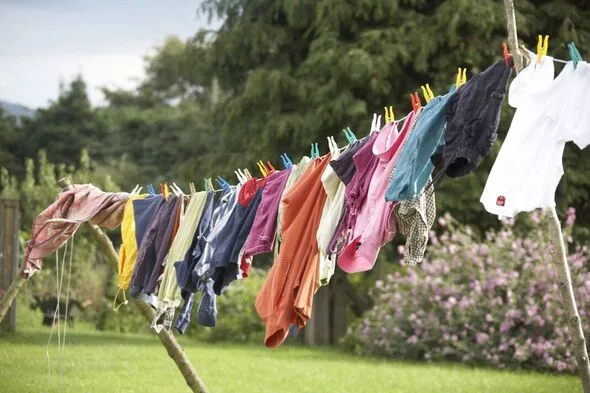
Line drying. This is the gentlest option. Hang garments in a clean area away from direct sunlight if possible, since prolonged UV exposure can degrade some synthetic FR fibers over time. Line drying also uses zero energy.
Ironing. If you need to press your FR garments, check the care label for the maximum iron temperature. Use a pressing cloth between the iron and the fabric. Never use steam settings that could reintroduce starch or chemical residues.
What to avoid:
- High heat dryer settings
- Drying with non-FR items (lint transfer)
- Over-drying (causes static and fiber damage)
- Ironing directly on reflective trim or logos
After drying, give the garment a quick visual check before putting it away or wearing it.
Inspecting Your FR Garment After Every Wash
Every wash cycle is a chance to catch problems before they become safety issues. Build inspection into your routine.
What to check after each wash:
- Seams. Look for loose threads, broken stitches, or gaps. Seam failure exposes skin.
- Zippers and closures. Make sure they work smoothly. A broken zipper means an open front.
- Reflective trim. Check that tape is still firmly bonded. Peeling trim reduces visibility.
- Fabric integrity. Hold the fabric up to light. Thin spots, holes, or worn areas mean reduced protection.
- Shrinkage. If the garment feels tighter or measures smaller than before, it may have exceeded the 5% shrinkage limit.
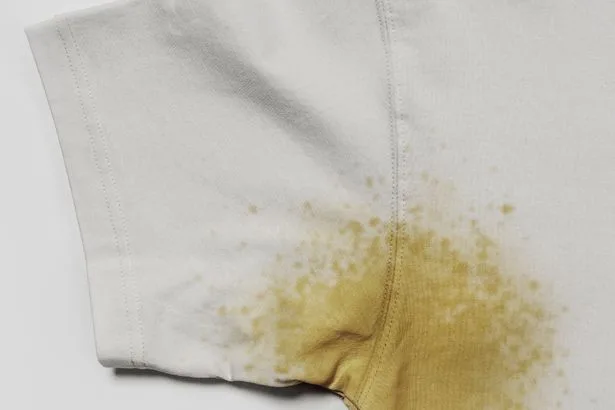
- Residual stains or contamination. Some substances don't come out in a normal wash. Oil-soaked areas can be flammable.
When to retire a garment:
- The fabric is visibly thin or worn through
- Seams are failing and can't be repaired
- The garment no longer fits properly due to shrinkage
- The FR finish has degraded (for treated fabrics past their re-treatment point)
- The garment has been involved in a flash fire or arc flash incident
Most FR garment manufacturers recommend a formal inspection program. If your employer has one, follow it. If you're on your own, do a thorough check at least monthly and after every incident.
When to Retire or Re-Treat an FR Garment
Knowing when to pull an FR garment out of service is just as important as washing it correctly. Worn-out gear doesn't protect you.
For treated FR fabrics, the chemical finish degrades over time. Most manufacturers specify a re-treatment schedule, typically after 50 to 100 wash cycles. Some offer re-treatment services.
If the garment has been washed more times than the manufacturer recommends and hasn't been re-treated, its flame resistance may be compromised.
For inherent FR fabrics, the protection lasts the life of the fiber. But the garment itself still wears out. Thin spots, holes, frayed seams, and broken closures all mean it's time to replace it.
Hard retirement rules:
- The garment has been exposed to a flash fire or arc flash
- Fabric is worn through or has visible holes
- Seams have failed and can't be repaired
- Shrinkage exceeds 5% of original dimensions
- The care label is no longer legible
Keep a simple log. Write the purchase date on the tag and track wash cycles. It takes 30 seconds and gives you real data on when a garment is approaching end of life.
Common Mistakes People Make When Washing FR Clothing
Even experienced workers get lazy with laundry. These are the errors that show up most often.
- Washing FR with regular clothes. Lint from cotton towels embeds in FR fabric. That lint burns.
- Using the wrong detergent. Softener, bleach, and brighteners all cause problems. Check the label every time.
- Ignoring the care label. It's sewn in for a reason. Different fabrics have different requirements.
- Overloading the machine. Garments need room to circulate. Packed loads don't rinse properly and leave detergent residue.
- Skipping post-wash inspection. A quick check after every wash catches damage before it becomes a safety issue.
- Assuming all FR gear is the same. A Nomex coverall and a Proban cotton shirt are not washed the same way.
The fix for most of these is slowing down and paying attention. Five extra minutes of care extends garment life and keeps you protected.
NFPA, OSHA, and Manufacturer Rules You Need to Follow
FR clothing care isn't optional. It's governed by standards that exist because people got hurt.
NFPA 2112 sets the performance requirements for FR garments. It includes shrinkage limits, flame resistance testing, and thermal stability standards. If your garment no longer meets these requirements after laundering, it's out of compliance.
NFPA 2113 covers selection, care, use, and maintenance. It requires that laundering procedures don't reduce the garment's protective properties. It also mandates regular inspection and proper retirement of damaged gear.
OSHA 29 CFR 1910.132 requires employers to provide and maintain PPE in a reliable condition. If your employer supplies FR clothing, they're responsible for ensuring it's properly laundered. If you supply your own, that responsibility is yours.
ASTM F2757 provides specific guidance for home laundering of FR garments. ASTM F1449 covers industrial laundering procedures. Both reference the manufacturer's instructions as the primary authority.
Bottom line: follow the care label, follow the standards, and document your process. If there's ever an incident, you'll want proof that the garment was properly maintained.
Frequently Asked Questions
Can I use bleach on FR clothing?
No. Chlorine bleach destroys the flame-retardant finish on treated FR fabrics like Proban and Pyrovatex. Even on inherent FR fabrics, bleach weakens fibers over time.
Skip it entirely.
How often should I wash my FR clothing?
Wash after every wear if possible. Dirt, oil, and sweat can all affect the garment's performance. For treated fabrics, keep a wash count so you know when re-treatment is due.
Can I dry clean FR clothing?
Only if the care label specifically permits it. Some solvents used in dry cleaning can react with FR finishes. When in doubt, stick to water-based washing.
What detergent is safe for FR clothing?
Use a mild liquid detergent without softeners, bleach, brighteners, or heavy fragrances. Basic formulas from major brands work well. Read the ingredient list before using anything.
How do I know if my FR garment still protects me?
Inspect it regularly for thin spots, holes, seam damage, and excessive shrinkage. For treated fabrics, track wash cycles and follow the manufacturer's re-treatment schedule. When in doubt, replace it.
Can I wash FR clothing with regular clothes?
No. Wash FR garments separately. Lint from cotton and synthetic items embeds in the fabric and can ignite.
Keep FR loads separate from everything else.
Final Checklist: Your FR Clothing Washing Decision Guide
Here's a quick-reference decision flow for every wash cycle.
Step 1: Check the care label. Does it allow home laundering? If it says "industrial laundry only," stop. Send it to a professional service.
Step 2: Identify the fabric type. Inherent FR is more forgiving. Treated FR requires extra caution with detergents and water temperature.
Step 3: Inspect before washing. Look for damage, contamination, and wear. Pre-treat stains with an FR-safe product.
Step 4: Wash separately. FR garments only. No mixed loads.
Step 5: Use mild detergent, warm or cold water. No softener, no bleach, no starch.
Step 6: Dry on low or line dry. No high heat. No dryer sheets.
Step 7: Inspect after drying. Check seams, closures, trim, fabric integrity, and shrinkage.
Step 8: Log the wash. Track cycles for treated fabrics. Retire or re-treat when the garment reaches its limit.
Print this checklist and tape it to your washing machine. It takes the guesswork out of every load and keeps your gear doing what it's supposed to do: keeping you safe.