How to Measure Yourself for Clothing (2026) — Easy Methods
Here's how to measure yourself for clothing without a tailor, faulty tape measure readings, or the "wait, which size am I again?" panic before checkout. Getting it right from your living room takes five minutes and the wrong outfit. Everything starts with standing up straight, breathing normally, and knowing exactly where the tape goes.
According to ISO 8559:2020, the international standard for body measurement designation, every key point on your body has a defined anatomical landmark. That means there is a right way to do this, and it has nothing to do with guesswork.
Quick Answer
To measure yourself for clothing, use a flexible measuring tape and record your bust, waist, hips, inseam, shoulders, and arm length. Stand straight in form-fitting clothes, wrap the tape snugly without compressing your skin, and note each number in inches or centimeters. Compare your measurements to the brand's specific size chart, since sizing varies across manufacturers as of 2026.
The Only Tools You Actually Need
You don't need anything fancy. In fact, the fewer tools you use, the less room there is for error. Here is the short list that covers everything.
- A flexible sewing tape measure. This is the single most important tool. A rigid ruler or yardstick will not follow your body's curves and will give you numbers that are off by an inch or more. Look for one marked in both inches and centimeters. They cost a couple of dollars and are available at any craft or fabric store.
- A full-length mirror. You need to see whether the tape is level across your back and not twisted at your side. If you don't have a wall-length mirror, a bathroom mirror that shows your torso works.
- A pencil and paper or a notes app. Write everything down immediately. Trying to remember your hip measurement after you have measured your inseam is how mistakes happen.
- A friend for hard-to-reaching areas. Shoulder width and back width are nearly impossible to get accurately on your own. If nobody is available, you can use the mirror method described later.
That's it. No apps, no 3D body scanners, no costly gadgets. A twenty-dollar tape measure and ten honest minutes.
How to Stand, Breathe, and Prep Before You Measure
Before the tape touches your skin, your setup matters more than most people realize. Bad posture skews every number you take. Here is how to get it right.
Wear form-fitting clothing or nothing at all. bulky sweaters, thick belts, and layered tops add padding that the tape measure picks up. A close-fitting tank top and leggings give you the truest numbers.
Stand straight, but naturally. Plant your feet hip-width apart. Do not suck in your stomach, do not puff out your chest, and do not hold your breath. You want measurements that reflect how you actually stand and breathe.
ISO 8559 specifies that measurements are taken in a "normal standing position," which means relaxed muscles and regular breathing.
Hold the tape flat and snug. The tape should rest against your skin without digging in. If it leaves a mark, it is too tight. If it droops or has a gap under it, it is too loose.
The sweet spot is gentle contact all the way around.
Use the mirror to check alignment. When measuring around your torso, glance in the mirror to confirm the tape is parallel to the floor all the way around. A tape that angles downward in the back gives you a smaller number than reality, which leads to clothes that bind at the hips.
Take about ten minutes for the full process. Rushing causes sloppy tape placement, and sloppy tape placement causes sloppy fits.
Step-by-Step: How to Measure Your Bust, Waist, and Hips Correctly
These three measurements are the foundation of almost every women's and men's size chart. Get this section right and most of what follows feels straightforward.
Bust (or chest for men).
Stand straight and breathe normally. Wrap the tape around the fullest part of your chest, usually across the nipple line. Keep the tape parallel to the floor and bring it around your back.
Let the tape rest flat against your skin. Read the number where the zero mark meets the rest of the tape without pulling tighter at the meeting point.
A common mistake is measuring too high, near the armpits, or too low, under the bust. The fullest part is the target.
Waist.
Find your natural waist by bending sideways. The crease that forms at the side of your torso is your waistline. It sits above the belly button, usually near the bottom of your ribcage, not at your belly button.
Wrap the tape around that crease. Do not exhale and suck in. Stand and breathe as you normally would.
The tape should be snug but comfortable. Write down the number.
Some size charts reference a "low waist," which sits about three inches below the natural waist, near the top of the hips. Check which one the brand uses before comparing your numbers.
Hips.**
Stand with your feet together. Wrap the tape around the widest part of your hips and buttocks, which is usually about seven to nine inches below your waist. Check in your mirror to make sure the tape stays level all the way around and does not dip down in the back.
This is the measurement most people get wrong because they measure too high. The widest point is where the measurement counts, not where the tape feels easiest to hold.
Read your numbers straight off the tape. Do not round up or down. If your waist measures 33¼ inches, write 33¼.
Rounding to 34 can push you into a size that gapes at the midsection.
Step-by-Step: How to Measure Inseam, Shoulders, and Sleeve Length
These measurements matter more for tailored pants, blazers, dress shirts, and jackets. If you mostly buy T-shirts and casual wear, you can skip this section. If pants never fit your legs right or sleeves always end at the wrong spot, read on.
Inseam.
Stand with one foot on a chair or have a friend help. Measure from the top of your inner thigh, where the leg meets the torso, straight down along the inside of your leg to the floor. Some charts measure to the ankle bone instead, so check the brand's definition before you record the number.
A simpler alternative: grab a pair of pants that fit perfectly, lay them flat, and measure along the inside seam from the crotch seam straight down to the hem. The result is your working inseam.
Shoulder width.
This one is hard to measure alone. Have a friend place one end of the tape at the outer edge of one shoulder, where the shoulder meets the top of the arm, and run the tape straight across your back to the same point on the other shoulder. You want bone-to-bone, not skin-to-skin.
If you are solo, put on a well-fitting jacket. Take it off and measure across the back from shoulder seam to shoulder seam. That gives you a close approximation.
Shoulder width is the number one measurement that determines whether a blazer or structured top fits or fights you. A half inch off and the seam sits on your deltoid instead of at its edge.
Sleeve length (for jackets and long-sleeve shirts).
Bend your elbow at 90 degrees. Place the tape at the center back of your neck (the bony bump at the base of your skull), run it over your shoulder, down the outside of your arm, past the elbow, and stop at your wrist bone. That center-neck-to-wrist measurement is what most tailored brands use.
For off-the-rack shirts, the simpler approach works too. Measure from the shoulder seam straight down to your wrist with your arm relaxed at your side.
Write everything down in one sitting. Walking away and coming back later leads to measuring twice with slightly different technique, which creates contradictory numbers and plenty of confusion.
How to Read a Clothing Size Chart Without Guessing
A size chart is where most people lose the plot. You have your measurements written down, you pull up the brand's chart, and suddenly you are a medium in one column and an XL in another. Here is how to make sense of it.
Every brand builds its own size chart around its own target customer. A size medium at a slim-fit streetwear label fits differently than a medium at a heritage workwear company. The numbers on the chart tell the real story, not the letter or number next to them.
Find the measurement-based chart, not the generic one. Good brands list actual body measurements for each size. If a chart only says "S, M, L" without inches or centimeters next to each letter, you are guessing. Look for a table that shows bust, waist, and hip ranges for every size.
Match your largest measurement first. If your hips fall into a size large but your waist fits a medium, go with the large. You can always take in a waist. Letting out hips is a much harder alteration, and sometimes impossible depending on the seam allowance.
Check whether the chart lists body measurements or garment measurements. This distinction trips up a lot of shoppers. Body measurements are your actual body. Garment measurements are the finished dimensions of the clothing, which include ease, the extra room built into the design for comfort and movement.
ASTM D5585-11 defines standard body measurement ranges for women's apparel, and many US brands reference it, but the ease allowance varies by garment type. A woven dress shirt might add four inches of ease at the chest. A stretchy knit top might add only one.
Account for international sizing if you shop across regions. US, UK, and EU sizing systems do not line up cleanly. A US women's size 8 is roughly a UK 12 and an EU 38, but the conversion is not exact. The table below gives a general reference, but always check the specific brand's chart.
| Measurement Point | US Size 6 | UK Size 10 | EU 36 |
|---|---|---|---|
| Bust | 34 in | 34 in | 86 cm |
| Waist | 26 in | 27 in | 67 cm |
| Hips | 36 in | 37 in | 92 cm |
These are approximate. A brand's own chart overrides every conversion table you will find online.
Self-Measurement vs. Professional Fitting: When to DIY and When to Call a Tailor
Measuring yourself works well for most everyday shopping. There are situations where a professional fitting saves you time, money, and frustration.
Self-measurement is the right call when:
- You are ordering casual or off-the-rack clothing online.
- Your body proportions fall close to standard sizing.
- You are tracking changes over time, like during a fitness program or pregnancy.
- You need a quick reference before stepping into a store.
A professional fitting is worth the trip when:
- You are ordering a bespoke suit, wedding dress, or formal gown.
- You have proportions that differ from standard patterns, like a long torso with short legs or broad shoulders with a narrow waist.
- You are buying structured garments where a half-inch changes the entire fit, such as blazers, tailored trousers, or corseted tops.
- You have already ordered online twice and returned both times.
A tailor uses the same measurements you would take at home, but they also assess posture, shoulder slope, and how your body distributes weight. Those factors change how fabric falls, and no tape measure captures them on their own.
If you go the professional route, wear the undergarments and shoes you plan to pair with the garment. A tailor can only fit what they can see.
Common Mistakes That Ruin Your Measurements (And How to Fix Them)
Even people who know the basics fall into these traps. Here are the errors that show up most often and what to do instead.
Measuring over bulky clothing. A thick sweater can add an inch or more to your bust and waist. Always measure in close-fitting clothes or directly against the skin.
Sucking in your stomach. It is tempting. Do not do it. You want measurements that reflect your natural posture.
Clothes that fit your true waist are more comfortable and look better than clothes that require you to hold your breath.
Using a rigid ruler or yardstick. These cannot follow body curves. A flexible sewing tape measure is the only tool that gives accurate circumference readings. If your tape measure is old and stretched out, replace it.
Accuracy degrades over time.
Measuring at the wrong time of day. Your body shifts slightly throughout the day due to hydration, food intake, and activity. Measuring in the morning, before you eat, gives the most consistent baseline. If you measure at night after a full day, your numbers may be slightly larger.
Rounding measurements. Write down the exact number. If your inseam is 31½ inches, record 31½. Rounding to 32 can mean the difference between pants that break correctly at the shoe and ones that bunch at the ankle.
Not re-measuring periodically. Bodies change. Weight fluctuates, muscle builds, and posture shifts. If your last set of measurements is more than a year old, or if you have had a significant change in weight or fitness level, take them again.
How Body Shape Affects Fit, Even With Perfect Numbers
Two people can share identical bust, waist, and hip measurements and still need different sizes. Body shape is the missing variable.
An hourglass shape has a defined waist with bust and hips that are roughly the same width. Standard sizing usually works well, but waist suppression matters. A dress that fits the bust and hips but skips the waist will gap at the midsection.
A pear shape carries more width in the hips and thighs than in the bust. Pants and skirts often need to be sized up for the hips and taken in at the waist. Looking for brands that offer separate waist and hip sizing, or planning for a tailor visit, saves a lot of returns.
An apple shape carries more weight around the midsection with slimmer hips and legs. Tops and dresses that skim rather than cling tend to fit better. Measuring the fullest part of the torso, not just the natural waist, gives a more useful number for garment selection.
A rectangle shape has bust, waist, and hips that are close to the same measurement. The waist is less defined, so garments with built-in shaping, seaming, or belts tend to create a more intentional fit than boxy cuts.
A broad-shouldered or athletic build often needs a size up in jackets and tops even if the chest measurement suggests a smaller size. Shoulder seam placement is the tell. If the seam sits past the edge of your shoulder, the garment is too small, regardless of what the chest measurement says.
Knowing your shape helps you interpret size charts with more nuance. It also tells you which alterations are worth paying for and which brands are likely to work for your build without any changes.
How Often Should You Re-Measure Yourself?
There is no universal rule, but a few guidelines keep your numbers current.
Every six to twelve months is a reasonable cadence for most adults whose weight and activity level are stable. Set a reminder on your phone so it does not slip.
After any significant weight change, whether gain or loss, take fresh measurements. A shift of ten pounds or more can move you up or down a full size.
During or after pregnancy, measurements change quickly. Re-measure each trimester if you are shopping for maternity wear, and again six to eight weeks postpartum if you are rebuilding a wardrobe.
When starting a new fitness program, especially one focused on strength training, body composition can shift even if the scale does not move much. Broader shoulders, thicker arms, and a smaller waist can all happen without a weight change. Re-measure after eight to twelve weeks of consistent training.
For children, measure before every new school season and again mid-year. Kids grow in spurts, and a September measurement may not hold through March.
Keep a running note in your phone with the date and your key measurements. When you are about to buy something online, you will not have to start from scratch.
Expert Tips for Measuring Kids, Plus-Size Bodies, and Adaptive Clothing
Measuring children requires a different approach than measuring adults. Kids do not stand still, and their proportions shift as they grow.
For children, measure over lightweight clothing and do not pull the tape snug. Leave a little extra room since kids grow fast and you want the garment to last at least a season. Record height alongside body measurements.
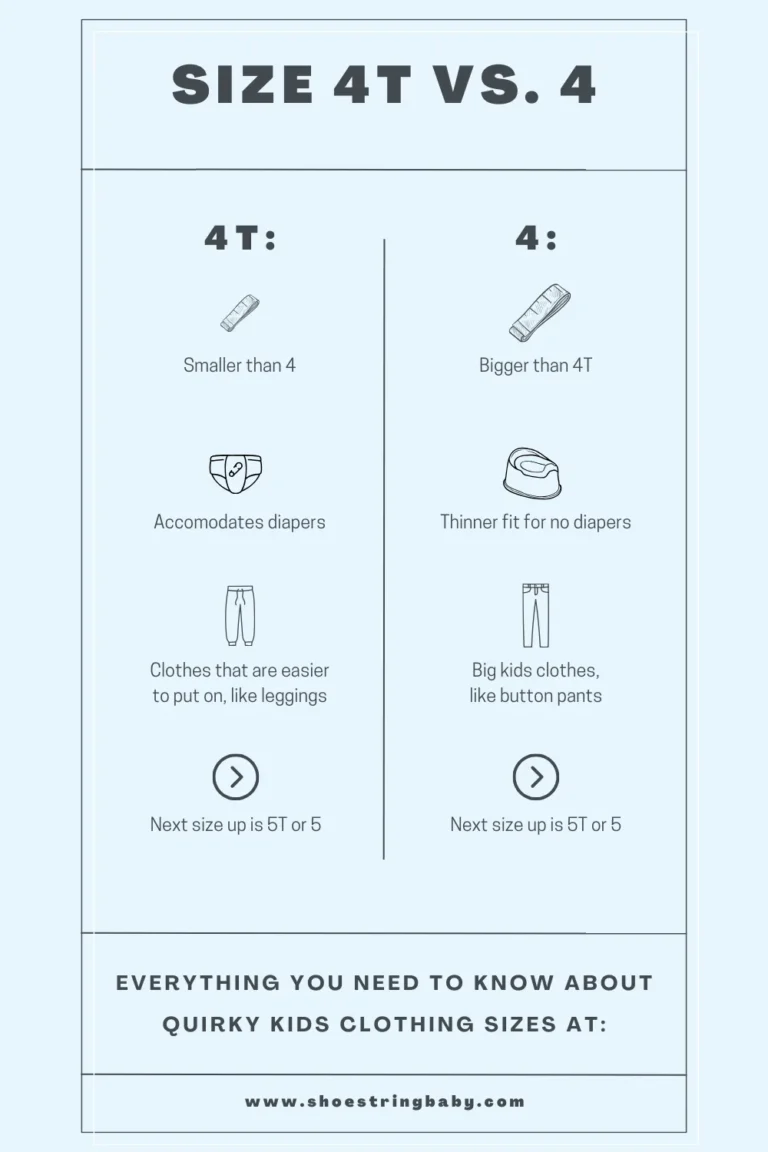
Many children's size charts are organized by height and weight rather than bust and waist, so having both numbers ready helps.
For plus-size bodies, the same measurement points apply, but ease allowance matters more. Look for brands that publish extended size charts with actual measurements, not just "1X, 2X" labels. Those labels mean nothing without numbers behind them.
A 1X at one brand can be a 28-inch waist while another brand's 1X starts at 32 inches.
For adaptive clothing, measure in the position the person wears most often. If someone uses a wheelchair, measure the waist and hips while seated. Torso length changes when sitting versus standing, and a garment that fits standing up may ride up or gap when seated.
Some adaptive clothing brands provide specific measuring guides for seated bodies. Follow those over generic instructions.
Frequently Asked Questions
Can I use a phone app to measure myself for clothing?
Some apps claim to estimate body measurements using your camera. Results vary widely. A flexible tape measure is still the most reliable method.
Apps can be a rough starting point, but they are not accurate enough for tailored or fitted garments.
Should I measure in inches or centimeters?
Use whichever unit your target brand's size chart uses. Most US brands use inches. European and Asian brands typically use centimeters.
If you are shopping across regions, record both. A dual-marked tape measure makes this easy.
What if my measurements fall between two sizes?
Go with the larger size. Taking in a garment is always easier than letting it out. Also consider the garment type.
For stretchy knits, you can size down slightly. For woven fabrics with no stretch, size up and plan for alterations.
How do I measure myself if I do not have a flexible tape measure?
You can use a piece of string or ribbon, wrap it around the measurement point, mark where it meets, then lay the string flat against a rigid ruler. It is not as convenient, but it works in a pinch. Pick up a proper tape measure when you can.
They are inexpensive and far more accurate.
Do men and women measure the same way?
The technique is identical. The measurement points differ slightly based on which garments are being sized. Men's charts focus more on chest, waist, and inseam.
Women's charts add bust and hip. The standing posture, tape placement, and breathing rules are the same for everyone.