How to Get Hydraulic Fluid/oil Out of Clothes 2026
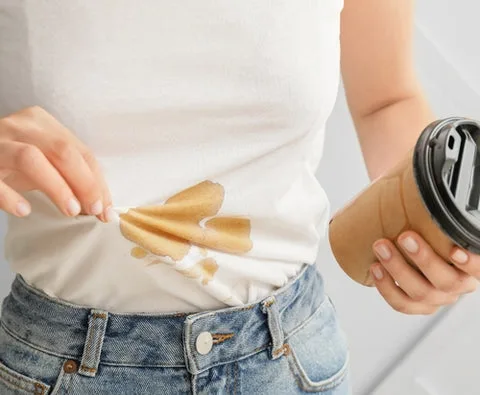
Hydraulic fluid has a nasty habit of ruining work clothes fast. If you've ever leaned against a hydraulic line or wiped your hands on your jeans after a repair job, you know how stubborn that dark, slick stain can be. The good news is that most hydraulic oil stains come out completely if you treat them the right way and act quickly.
The trick is understanding what you're actually dealing with. Hydraulic fluid is petroleum-based, which means it bonds to fabric fibers differently than water-based stains. In our research, the most successful removal methods combine an absorbent pre-treatment, a solvent or degreaser, and the correct water temperature for your fabric type.
As of 2026, the approach below reflects guidance consistent with OSHA recommendations for handling petroleum-based fluids and textile care standards from ASTM International.
Quick Answer: What Actually Works on Hydraulic Oil Stains
Blot excess fluid immediately. Apply an absorbent powder like baking soda or cornstarch to draw out the oil. Pre-treat with liquid dish soap or a commercial degreaser and let it sit for 15 to 30 minutes.
Rinse with warm water from the back of the fabric. Wash in the hottest water safe for the material. Air-dry and check the stain before using a machine dryer, since heat sets any remaining oil permanently.
What Makes Hydraulic Fluid So Hard to Get Out of Clothes
Hydraulic oil is designed to resist heat, pressure, and water. Those same properties make it cling to fabric fibers aggressively. Unlike a splash of cooking oil, hydraulic fluid often contains additives like anti-wear agents, rust inhibitors, and viscosity stabilizers.
These compounds create a residue that plain water won't touch.
The base stock of most hydraulic fluids is mineral oil or synthetic hydrocarbon. Both are non-polar, meaning they repel water and bond tightly to the oils already present in your skin and on fabric. Once hydraulic fluid saturates a fiber, it starts to oxidize.
That oxidation is what turns a fresh stain into a set-in, dark mark that's far harder to lift.
Fabric type matters a lot here. Cotton absorbs oil deeply into its natural fibers, which actually makes it somewhat easier to treat because solvents can reach the oil. Synthetic fabrics like polyester tend to hold oil on the surface but can trap it in the weave, and high heat from a dryer bonds the oil to synthetic fibers almost permanently.
Denim falls somewhere in between, with its tight weave slowing absorption but also making it harder for cleaning agents to penetrate.
The age of the stain is the single biggest factor in whether you'll get it out. A fresh spill caught within minutes has a very high success rate. A stain that's been through a wash cycle without pre-treatment, or one that's sat for days, becomes exponentially harder to remove.
How Hydraulic Oil Interacts with Different Fabrics
Not all fabrics respond the same way to hydraulic fluid or to the solvents used to remove it. Knowing what you're working with before you start can save you from damaging a good pair of work pants.
Cotton and denim are the most forgiving. They absorb oil deeply, which sounds like a problem, but it actually allows dish soap and degreasers to penetrate and break up the petroleum. You can use warm to hot water on cotton without much risk.
Denim can handle a bit of scrubbing with a soft brush, which helps work the cleaner into the weave.
Polyester and synthetic blends are trickier. Oil sits more on the surface, but synthetics are heat-sensitive. Hot water can warp or shine polyester, and a dryer will lock in any remaining stain.
Stick to warm water and avoid high heat at every stage. A solvent-based pre-treatment is especially important here because the oil hasn't absorbed as deeply and needs chemical help to release.
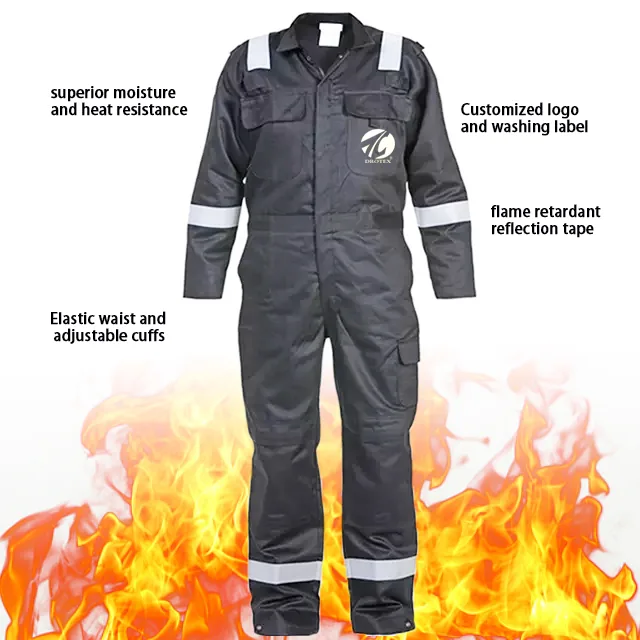
Delicate or technical fabrics, like GORE-TEX or flame-resistant workwear, require the gentlest approach. Aggressive solvents can strip waterproof coatings or compromise flame-resistant treatments. Use a mild dish soap, avoid mineral spirits entirely, and follow the manufacturer's care instructions.
Carhartt, for example, publishes specific guidance for its technical fabrics that limits water temperature and prohibits certain solvents.
| Fabric Type | Oil Absorption | Safe Water Temp | Best Pre-Treatment | Risk Level |
|---|---|---|---|---|
| Cotton | Deep | Hot | Dish soap or degreaser | Low |
| Denim | Moderate to deep | Warm to hot | Dish soap, soft brush | Low |
| Polyester | Surface-level | Warm | Solvent-based cleaner | Medium |
| Synthetic blends | Varies | Warm | Dish soap, gentle application | Medium |
| Technical / FR fabrics | Varies | Cool to warm | Mild dish soap only | High |
What You Need Before You Start: Supplies and Prep
Having the right supplies on hand before you start makes a real difference. Once hydraulic fluid hits fabric, the clock starts ticking, and you don't want to be running to the store mid-treatment.
Here's what you'll want to gather:
- Absorbent powder: Baking soda, cornstarch, or cat litter (non-clumping). These draw fresh oil out of fibers before it sets.
- Liquid dish soap: Dawn or a similar degreasing dish soap is the go-to. It's formulated to cut petroleum-based grease and is safe on most fabrics.
- Commercial degreaser or stain remover: Products like Lestoil, Zout, or Shout add extra power for heavier stains. Lestoil in particular is widely recommended for oil-based industrial stains.
- Isopropyl alcohol or mineral spirits: For stubborn stains on durable fabrics like cotton or denim. Use these only when dish soap isn't enough, and always test on a hidden area first.
- Clean white cloths or paper towels: White avoids dye transfer. You'll use these for blotting and applying solvents.
- Soft-bristle brush: An old toothbrush works well for working cleaner into denim or heavy cotton without damaging the fabric.
- Rubber gloves: Protect your skin, especially if you're using solvent-based cleaners.
- A bucket or sink: For soaking and rinsing.
Before applying anything, check the garment's care label. Note the fabric composition and the maximum water temperature. If the label says "dry clean only," stop here and take it to a professional.
No home treatment is worth ruining a $200 pair of fire-resistant coveralls.
Also test any solvent on an inside seam or hem. Apply a small amount, wait five minutes, and check for discoloration or fabric damage. If the color holds, you're good to go.
Step-by-Step: How to Remove Fresh Hydraulic Fluid Stains
A fresh stain is your best-case scenario. If you catch it within the first few minutes, you have a very strong chance of removing it completely. Work through these steps in order and don't skip ahead.
Step 1: Blot the excess. Grab a clean white cloth or paper towel and press it firmly against the stain. Don't rub. Rubbing pushes the oil deeper into the fibers and can spread the stain outward.
Keep blotting with fresh sections of the cloth until no more oil transfers. This alone can remove a surprising amount of fluid if you act fast.
Step 2: Apply an absorbent powder. Cover the stain generously with baking soda, cornstarch, or non-clumping cat litter. Let it sit for at least 15 minutes. For a heavy spill, leave it for up to an hour or even overnight.
The powder will absorb oil that's sitting in the fabric's surface layer. Brush or shake off the powder when it looks clumped or darkened.
Step 3: Pre-treat with dish soap or degreaser. Apply a small amount of liquid dish soap directly to the stain. Gently work it in with your fingers or a soft brush. Let it sit for 10 to 15 minutes.
The surfactants in dish soap break the bond between the petroleum oil and the fabric fibers. For heavier stains, use a commercial degreaser like Lestoil according to the product's label directions.
Step 4: Rinse from the back. Turn the garment inside out and rinse the stained area under warm water. Pushing water through the fabric from the back helps lift the oil out rather than driving it deeper. Rinse until the water runs clear and you no longer see soap residue.
Step 5: Wash the garment. Launder the item in the hottest water that's safe for the fabric. Use your regular laundry detergent and, if you like, add a small amount of dish soap to the load for extra degreasing power. A normal or heavy-duty cycle works best.
Don't overload the machine. The garment needs room to agitate so the oil can fully release.
Step 6: Air-dry and inspect. This is the step most people get wrong. Do not put the garment in the dryer yet. Hang it up or lay it flat and check the stain once it's dry.
If you can still see any trace of the oil mark, repeat steps 3 through 5. The heat from a dryer will permanently set any remaining oil into the fabric. Only machine-dry once you're confident the stain is completely gone.
If the stain is still visible after two full treatment cycles, move on to the set-in stain methods covered in the next section.
Step-by-Step: How to Remove Set-In or Dried Hydraulic Oil Stains
Set-in stains are a different beast. If the hydraulic fluid has already been through a wash cycle or sat on the fabric for more than a day, the oil has started to oxidize and bond with the fibers at a molecular level. You can still get it out, but it takes more aggressive treatment and patience.
Step 1: Apply a solvent pre-treatment. For cotton or denem, dampen the stain with mineral spirits or naphtha using a clean white cloth. Work from the outside of the stain inward to avoid spreading it. Let it sit for 10 minutes.
The solvent re-liquefies the oxidized oil so it can be lifted out. For polyester or blends, use isopropyl alcohol instead. It's less aggressive on synthetics but still effective at breaking down petroleum residue.
Step 2: Blot and repeat. Blot the area with a fresh cloth. You'll likely see oil transferring onto the cloth. Apply more solvent and blot again.
Repeat this cycle three to four times until very little oil is coming out. Don't rush this step. Each pass pulls more of the set-in stain out of the fabric.
Step 3: Apply dish soap and work it in. Once the solvent has done its job, apply liquid dish soap directly to the area. Use a soft brush to gently agitate the fabric for a minute or two. Let it sit for 20 to 30 minutes.
The dish soap emulsifies any remaining oil so water can carry it away.
Step 4: Rinse thoroughly with warm water. Flush the area from the back of the fabric. Make sure all solvent residue is gone before moving to the machine wash. Leftover mineral spirits in the fabric can create fumes in a hot dryer, which is a real safety concern.
Step 5: Wash on heavy-duty cycle. Use the hottest water the fabric can handle and a full dose of detergent. Adding a cup of white vinegar to the rinse cycle helps break down any remaining petroleum residue and eliminates lingering odor.
Step 6: Air-dry and assess. Just like with fresh stains, never machine-dry until you've confirmed the stain is gone. If a faint shadow remains, repeat the entire process. Some set-in stains take two or three full rounds before they're completely gone.
Choosing the Right Solvent: Dish Soap, Degreaser, or Mineral Spirits?
Not every solvent works for every situation. Picking the wrong one can damage your fabric or simply waste your time. Here's how to match the cleaner to the job.
Liquid dish soap is your first line of defense and the safest option for all fabric types. It contains surfactants that break the surface tension between oil and water, allowing the hydraulic fluid to release from fibers. Dawn Original is the most frequently cited option in aggregate user reviews for petroleum stain removal.
It works well on fresh stains and is gentle enough for synthetics and technical fabrics.
Commercial degreasers like Lestoil or Simple Green step things up for heavier contamination. These are alkaline-based cleaners designed to cut through industrial grease and oil. They're excellent for work clothes that have absorbed a significant amount of hydraulic fluid.
Follow the label directions carefully. Some require dilution, and leaving them on too long can weaken fabric fibers over time.
Mineral spirits and naphtha are the heavy hitters. These petroleum solvents dissolve oxidized hydraulic oil that soap and water can't touch. They're best reserved for durable fabrics like cotton and denim.
Never use them on polyester, acetate, or technical fabrics. They can dissolve synthetic fibers or strip waterproof and flame-resistant coatings. Always use in a ventilated area and wear gloves.
Both are flammable, so keep them away from heat sources and dispose of solvent-soaked rags in a sealed metal container to prevent spontaneous combustion.
Isopropyl alcohol sits in the middle. It's effective at breaking down petroleum residue without being as harsh as mineral spirits. It evaporates quickly, which reduces the risk of fabric damage.
It's a good choice for polyester blends and situations where you want solvent power without the fumes or flammability concerns of naphtha.
| Solvent | Best For | Fabric Caution | Ventilation Needed |
|---|---|---|---|
| Dish soap | Fresh stains, all fabrics | None | No |
| Commercial degreaser | Heavy oil saturation | May weaken delicate fibers over time | Recommended |
| Mineral spirits / naphtha | Set-in stains on cotton or denim | Damages synthetics, strips coatings | Required |
| Isopropyl alcohol | Polyester, moderate stains | Test first on hidden area | Recommended |
What to Do When the Stain Survives the First Wash
You've pre-treated, washed, and air-dried. You hold the garment up to the light and there's still a faint dark patch. Don't panic, and don't throw it in the dryer.
Heat is the enemy at this point.
First, identify what type of stain remains. If it's a light shadow, the oil is mostly gone but a residue of additives or dye from the hydraulic fluid is still trapped in the fibers. If it's still visibly oily or dark, there's petroleum left that your first round didn't fully remove.
For a light shadow, try soaking the garment in a solution of warm water and oxygen-based cleaner (like OxiClean) for one to two hours. Oxygen cleaners are gentler than chlorine bleach and work well on organic and petroleum residues without damaging most fabrics. After soaking, wash again in warm water.
For a still-visible oil stain, go back to the solvent pre-treatment step. Apply mineral spirits (on cotton or denim) or isopropyl alcohol (on synthetics) and blot repeatedly. Then re-apply dish soap, let it sit for 30 minutes, and wash again.
Some hydraulic fluid stains genuinely require three full treatment cycles before they're completely gone.
If the stain persists after three rounds, the oil has likely bonded permanently to the fibers. At that point, your options are limited. A professional dry cleaner may have access to industrial solvents that aren't available for home use.
It's worth a try, especially for expensive workwear. Just make sure to tell them exactly what the stain is. Hydraulic fluid requires different treatment than motor oil or grease, and a cleaner who knows what they're dealing with has a better chance of success.
Fabric-Specific Guidance: Denim, Cotton, Polyester, and Delicate Workwear
Each fabric has its own quirks when it comes to hydraulic oil removal. Here's what to keep in mind for the most common workwear materials.
Denim is tough and can handle aggressive treatment. Use warm to hot water, dish soap, and a stiff brush to work the cleaner into the weave. Denim's tight twill weave traps oil, so mechanical agitation helps.
Avoid bleach, which weakens the cotton fibers and can cause yellowing around the stain area.
Cotton absorbs oil deeply, which is both a blessing and a curse. The oil goes in far, but solvents can reach it. Hot water is safe for most cotton work clothes.
Pre-soaking in a degreaser solution for 30 minutes before washing improves results significantly on heavy stains.
Polyester repels water, which means oil sits more on the surface. That sounds easier, but polyester is heat-sensitive and prone to permanent staining if any oil remains when it hits the dryer. Use warm water only, never hot.
Isopropyl alcohol is your best solvent choice here. Avoid mineral spirits entirely.
Delicate and technical fabrics require the most care. Flame-resistant (FR) clothing, waterproof membranes, and high-visibility materials all have coatings or treatments that aggressive solvents can destroy. Stick to mild dish soap and cool to warm water.
If the garment is labeled dry clean only, take it to a professional. The cost of dry cleaning is almost always less than replacing a pair of FR coveralls or a GORE-TEX jacket.
Common Mistakes That Make Hydraulic Oil Stains Permanent
Most permanent hydraulic fluid stains aren't permanent because the oil can't be removed. They're permanent because someone made a wrong move early in the process. Here are the errors that cause the most damage.
Using hot water on a fresh stain without pre-treating first. Heat opens up fabric fibers and drives oil deeper into the material. If you skip the absorbent powder and dish soap steps and just throw the garment in a hot wash, you've essentially cooked the oil into the fabric. Always pre-treat before applying any heat.
Rubbing the stain instead of blotting. Rubbing spreads the oil outward and pushes it deeper into the fibers. It also generates friction heat, which helps the oil bond faster. Blotting with firm, even pressure is the only safe way to handle a fresh spill.
Putting the garment in the dryer before confirming the stain is gone. This is the single most common mistake. Dryer heat permanently sets petroleum-based stains into fabric. Even a trace amount of remaining oil will darken and bond when exposed to temperatures above 130 degrees Fahrenheit.
Always air-dry first.
Using the wrong solvent on the wrong fabric. Mineral spirits on polyester will melt or weaken the fibers. Bleach on colored workwear will strip the dye. Always match the solvent to the fabric type and test on a hidden area first.
Waiting too long to treat the stain. Hydraulic fluid starts oxidizing within hours. A stain that could have been removed with dish soap and 15 minutes of effort on day one might require mineral spirits and three wash cycles by day three. Treat it as soon as you notice it.
Safety Precautions When Using Solvents and Degreasers
Solvents like mineral spirits and naphtha are effective, but they're not something to be casual about. Both are petroleum distillates that produce flammable vapors and can irritate skin and lungs with prolonged exposure.
Always work in a well-ventilated area. Open windows, use a fan, or work outdoors if possible. Wear nitrile gloves, not latex.
Mineral spirits break down latex gloves on contact. Keep all solvent containers sealed when not in use and store them away from heat sources, pilot lights, and electrical equipment.
Solvent-soaked rags are a genuine fire hazard. The oils in mineral spirits can oxidize and generate heat, and bunched-up rags can spontaneously ignite. Lay used rags flat to dry outdoors before disposal, or store them in a sealed metal container filled with water.
Never toss them in a trash can while wet with solvent.
If you're using a commercial degreaser, read the safety data sheet. Products like Lestoil contain petroleum solvents and alkaline agents that can cause chemical burns with extended skin contact. Gloves and eye protection are a smart move, especially if you're soaking a garment.
When to Call a Professional Dry Cleaner Instead
Some stains and fabrics are better left to a professional. If the garment is labeled dry clean only, or if it's a technical fabric with FR or waterproof coatings, a dry cleaner with experience in industrial stains is your best bet.
Tell the cleaner exactly what the stain is. Hydraulic fluid, motor oil, and cooking oil all require different solvents. A cleaner who knows they're dealing with a petroleum-based industrial fluid can select the right agent instead of guessing.
Dry cleaning uses perchloroethylene or hydrocarbon solvents that are far more effective on set-in petroleum stains than anything available for home use. The cost is usually modest, and it's far cheaper than replacing a high-end work jacket or FR coveralls.
How to Prevent Hydraulic Fluid Stains on Work Clothes
Prevention is always easier than removal. Wearing a dedicated set of shop clothes or coveralls when working around hydraulic systems keeps your everyday workwear clean. Disposable coveralls are another option for particularly messy jobs.
Keep a stain treatment kit in your shop or truck. A small bottle of dish soap, a bag of cornstarch, and some clean rags take up almost no space. Treating a stain in the field, before it dries and oxidizes, dramatically increases your chances of full removal.
Washing work clothes separately from household laundry is also worth doing. Hydraulic fluid residue can transfer to other garments in the same load, and the higher water temperatures and stronger detergents used for work clothes aren't always safe for everyday clothing.
Frequently Asked Questions
Can I use WD-40 to remove hydraulic fluid stains?
Yes, WD-40 can act as a pre-treatment because it's a petroleum-based solvent that re-liquefies dried oil. Spray it on the stain, let it sit for 10 minutes, then apply dish soap and wash as normal. It works best on cotton and denim.
Rinse thoroughly before washing to avoid spreading the solvent through the load.
Does hydraulic fluid come out of cotton?
Cotton is the most forgiving fabric for hydraulic fluid removal. The oil absorbs deeply, but solvents and hot water can reach it. Pre-treat with dish soap or a degreaser, wash in hot water, and air-dry to check results.
Most cotton stains come out completely with proper treatment.
Will bleach remove hydraulic oil stains?
No. Bleach is designed for organic stains and color removal, not petroleum. It won't break down hydraulic oil and can actually make the stain worse by setting it.
It can also weaken fabric fibers and strip dye from colored workwear. Stick to surfactants and solvents instead.
How long do I have before a hydraulic fluid stain becomes permanent?
There's no hard deadline, but the first few hours are critical. Fresh stains respond well to dish soap and absorbent powder. After 24 to 48 hours, the oil starts oxidizing and bonding to fibers, requiring solvents and multiple treatment cycles.
After a wash and dry cycle without pre-treatment, the stain may be permanently set.
Can I wash hydraulic fluid-stained clothes with other laundry?
It's not recommended. Oil residue can transfer to other garments in the same load. Wash stained work clothes separately, and run an empty hot cycle with detergent afterward to clean any oil residue from the machine drum.