How to Get Weed Smell Out of Clothes (2026) — Complete Guide
If you've ever pulled a hoodie out of your closet and caught that unmistakable skunky, pungent hit of cannabis smoke, you already know the problem. Figuring out how to get weed smell out of clothes isn't as simple as tossing them in the wash with regular detergent and hoping for the best. Smoke odor from marijuana clings to fabric fibers in ways that perfume, cologne, or even cigarette smoke often don't, and the wrong laundry approach can actually make things worse.
The reason comes down to chemistry. Cannabis smoke contains terpenes, the aromatic compounds responsible for each strain's unique scent. These terpene molecules are oily and hydrophobic, meaning they bind tightly to fibers and resist plain water and standard detergent.
Per textile research published in the Textile Research Journal, smoke particulates can penetrate deep into cotton and synthetic blends, which is why a single wash cycle rarely does the trick. The key is matching your odor removal method to how bad the smell is, what the fabric can handle, and what you have on hand. Let's walk through it step by step.
Image source: Wikimedia Commons / FocalPoint (CC BY-SA)
Quick Answer: The Fastest Way to Remove Weed Smell From Clothes
Pre-soak the garment in cold water with one cup of white distilled vinegar per gallon. Wash in cold water with an enzyme-based laundry detergent and half a cup of baking soda. Air-dry or sun-dry the item.
Machine-drying before the odor is gone will set the smell permanently.
Why Weed Smell Clings to Clothes (And Why Normal Washing Often Fails)
Here's the thing. Most people grab their regular detergent, toss the smoky clothes in, and run a warm or hot wash. Then they're confused when the smell is still there after it comes out of the dryer.
That approach fails for two reasons. First, standard laundry detergent is designed to handle dirt, sweat, and everyday oils. The terpene-rich resin compounds in cannabis smoke are a different beast entirely.
They're sticky, they're oily, and they bond at a molecular level to fabric fibers.
Second, heat is your enemy in the early stages. The moment you run a hot wash or, worse, throw those clothes in the dryer before the odor molecules are broken down, you're essentially baking the smell into the fabric. Heat sets odor compounds the same way it sets a stain.
This is why enzyme-based detergents matter. Enzymes are biological molecules that break down organic compounds, including the oily residues that carry smoke odor. Regular surfactants in standard detergent can lift surface dirt, but enzymes go after the source.
Understanding this changes your entire approach. You're not just cleaning clothes. You're decontaminating them.
How Bad Is the Smell? Assessing Odor Severity Before You Start
Not every smoke-exposed garment needs the same treatment. Throwing your best silk shirt into a vinegar soak because someone lit up across the room at a party is very different from rescuing a jacket that lives in a room where cannabis is smoked daily.
So before you pick a method, take thirty seconds to assess what you're dealing with.
Light odor: You can only smell it if you press your nose directly to the fabric. The garment was in the room briefly or near a window. One person smoked once.
This is the easiest to fix.
Moderate odor: You can smell it when you hold the garment at arm's length. The clothing was in an enclosed space during smoking, or it was worn by the person who was smoking. Multiple sessions, but not chronic.
Heavy or chronic odor: The smell hits you when you open a drawer or closet. The garment lived in a smoking environment. This is the kind of saturation that needs a multi-stage approach.
Once you know where you stand, you can skip the overkill and go straight to the right method. That saves time, water, and wear on your clothes.
The Step-by-Step Workflow: Removing Weed Smell Based on Your Situation
This is where most articles fall short. They give you one generic list and call it a day. Your situation matters.
A cotton t-shirt with a faint smell needs a completely different approach than a heavy hoodie that reeks.
Here's the decision tree. Find the branch that matches your situation and follow it.
Light Odor: The Single-Wash Method
If the smell is faint and the fabric is standard cotton or a common cotton-polyester blend, you can likely knock this out in one cycle. You just need to do it right.
Pre-treat. Mix one cup of white distilled vinegar with one gallon of cold water. Submerge the garment and let it soak for at least thirty minutes. If the smell is borderline light-to-moderate, go for an hour.
Wash on cold. Use an enzyme-based laundry detergent. Add half a cup of baking soda directly into the drum with the clothes. Cold water, normal cycle.
Skip the fabric softener. It coats fibers with a waxy film that can trap odor molecules. You want clean, exposed fibers, not sealed ones.
Air-dry or sun-dry. Hang the garment outside if you can. Ultraviolet light from direct sunlight naturally breaks down organic odor compounds. If you're indoors, hang it near an open window with good airflow.
Sniff test. Once it's fully dry, smell the areas that had the most exposure: collar, cuffs, chest. If the odor is gone, you're done. If not, move to the moderate method.
Moderate Odor: Pre-Soak and Double-Wash Method
When the smell is noticeable at arm's length, one wash won't cut it. You need to break down the terpene residue before the main wash, then hit it again.
Vinegar pre-soak. Same ratio: one cup white vinegar per gallon of cold water. Soak for one to two hours. Vinegar is acetic acid, and it dissolves the oily residue that's holding the odor to the fabric.
First wash. Cold water, enzyme detergent, half a cup of baking soda. Normal cycle. Do not add fabric softener.
Inspect before drying. Smell the garment while it's still wet. If you can still detect smoke odor, do not put it in the dryer. Heat will set whatever's left.
Second wash. This time, add one cup of vinegar to the rinse cycle instead of the wash cycle. Use the same enzyme detergent. Cold water again.
Sun-dry. Two to four hours of direct sunlight is ideal. The UV exposure works on odor compounds that detergent alone can't fully eliminate.
Final sniff test. If the smell is gone, you can machine-dry on low or medium heat. If it's still there, you're in heavy odor territory.
Heavy or Chronic Odor: Multi-Stage Deep Cleaning Method
This is the full protocol. It's for garments that have been saturated over time, or items that went through the moderate method and still smell. It takes longer, but it works.
Stage one: Extended vinegar soak. Fill a bucket or bathtub with cold water and one cup of white vinegar per gallon. Submerge the garment completely. Let it soak for four to eight hours, or overnight.
Agitate it occasionally.
Stage two: Enzyme detergent wash with baking soda. Cold water, heavy-duty cycle if the fabric can handle it. Half a cup of baking soda in the drum. Full dose of enzyme detergent.
Stage three: Hydrogen peroxide treatment (cotton and colorfast fabrics only). Mix one cup of three percent hydrogen peroxide with one gallon of cold water. Soak the garment for thirty minutes. This oxidizes remaining odor compounds.
Test on a hidden area first. Do not use on silk, wool, or delicate synthetics.
Stage four: Second full wash. Cold water, enzyme detergent, no additives. This removes any residual treatment chemicals.
Stage five: Sun-dry for a full day. If possible, hang the garment outside for six to eight hours. Flip it halfway through so both sides get UV exposure.
Stage six: Evaluate. If the smell is significantly reduced but not gone, repeat stages two through five. For truly chronic cases, you may need three to four full cycles.
Delicate Fabrics: What to Do When You Can't Just Throw It in the Wash
Silk, wool, rayon, and some synthetic blends can't handle vinegar soaks, baking soda, or hydrogen peroxide without damage. You need a gentler approach.
Option one: Activated charcoal absorption. Place the garment in a sealed bag or airtight container with several activated charcoal sachets. Leave it for forty-eight to seventy-two hours. The charcoal absorbs odor molecules without any liquid contact.
This works best for light-to-moderate odor.
Option two: Vodka spray. Fill a spray bottle with plain, unflavored vodka (or seventy percent isopropyl alcohol diluted with equal parts water). Lightly mist the garment inside and out. Hang it to dry in a well-ventilated area.
The alcohol evaporates quickly and carries odor molecules with it. Test on a hidden area first.
Option three: Professional dry cleaning. If the garment is valuable and the odor is heavy, take it to a professional. Tell them it's smoke odor. Dry cleaning solvents are effective on oily residues that water-based methods can't touch.
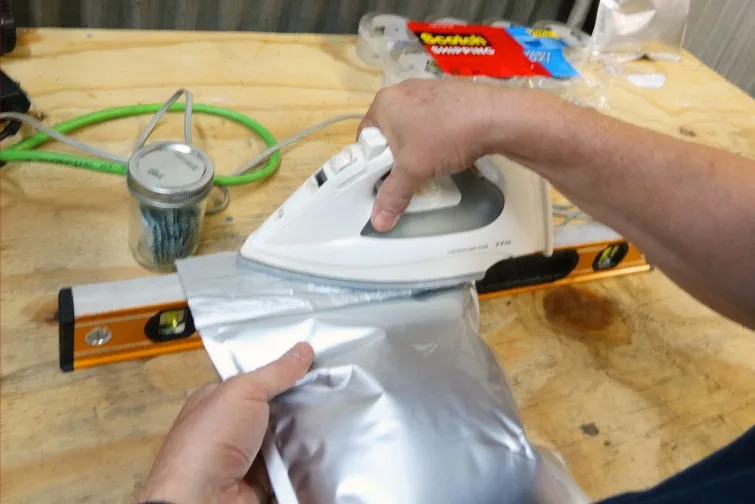
Option four: Freezer method. Seal the garment in an airtight bag, pressing out as much air as possible. Place it in the freezer for twenty-four to forty-eight hours. Freezing doesn't kill odor molecules, but it can reduce the volatility of terpenes, making them easier to remove in a subsequent gentle wash.
This is a supplementary step, not a standalone fix.
Home Remedies That Actually Work (And the Right Ratios)
There's a lot of bad advice floating around about odor removal. Some of it works. Some of it just adds a new smell on top of the old one.
Here's what the chemistry actually supports, with the correct measurements so you don't damage your clothes or waste your time.
Image source: Bing (Web (fair-use with source credit))
White Vinegar Soak
White distilled vinegar is the single most effective home remedy for smoke odor. The acetic acid breaks down the oily terpene residue that binds to fabric fibers.
The ratio: one cup of white vinegar per gallon of cold water. For a standard bucket, that's roughly one and a half to two cups.
How long to soak: thirty minutes for light odor, one to two hours for moderate, up to eight hours for heavy cases.
Important: always use cold or room temperature water. Hot water can set the odor. And don't worry about the vinegar smell.
It dissipates completely as the garment dries.
Baking Soda in the Wash
Baking soda (sodium bicarbonate) is a mild alkali that neutralizes acidic odor compounds. It also softens water, which helps detergent work more effectively.
The amount: half a cup to one cup per standard wash load. Add it directly into the drum with the clothes, not in the detergent dispenser.
Best used with: enzyme detergent and cold water. Baking soda alone won't remove heavy smoke odor, but it boosts the effectiveness of other treatments.
Enzyme-Based Detergent
This is the workhorse of smoke odor removal. Enzymes break down the organic compounds that carry the smell. Look for detergents that list "protease," "lipase," or "amylase" on the label.
Recommended use: full dose per load, cold water, normal or heavy-duty cycle. Brands marketed for sports or activewear tend to have higher enzyme concentrations.
Why it matters: regular detergent lifts dirt. Enzyme detergent destroys the molecular structure of odor-causing residue. That's a meaningful difference.
Hydrogen Peroxide Treatment
Three percent hydrogen peroxide (the standard household concentration) is an oxidizer. It breaks apart odor molecules by adding oxygen to their chemical structure.
The ratio: one cup per gallon of cold water. Soak for thirty minutes maximum.
Fabric warning: hydrogen peroxide can bleach or weaken certain fabrics. Always test on a hidden seam or inside hem first. Do not use on silk, wool, or colored garments that aren't confirmed colorfast.
Critical safety note: never mix hydrogen peroxide with vinegar in the same container or same wash cycle. The combination creates peracetic acid, which is corrosive and can damage both fabric and skin.
Vodka or Rubbing Alcohol Spray
High-proof alcohol dissolves terpene residue and evaporates quickly, taking odor molecules with it. This is best for delicate fabrics that can't handle a full soak.
The method: fill a spray bottle with unflavored vodka or a fifty-fifty mix of seventy percent isopropyl alcohol and water. Mist the garment lightly inside and out. Hang to dry in a ventilated area.
Best for: spot treatment, delicate fabrics, or freshening up a garment between washes.
Limitation: this is a surface treatment. It won't penetrate deep into heavily saturated fabric. Think of it as a supplement, not a primary method.
Commercial Products vs. DIY Methods: What's Worth Your Money
You've got two paths here: buy something purpose-built, or use what's already under your sink. Both can work. The right call depends on how often you're dealing with this and how severe the odor is.
DIY methods win on cost and accessibility. White distilled vinegar runs about three dollars a gallon. Baking soda is a dollar or two.
An enzyme-based detergent might cost eight to fifteen dollars for a bottle that lasts a month. For most people dealing with occasional smoke exposure, that's all you need.
Commercial odor-eliminating sprays are a different story. Products like Febreze or Ozium mask odor with cyclodextrin molecules that trap scent compounds. They smell better for a while, but they don't destroy the terpene residue.
You're covering up the problem, not solving it. These are fine as a temporary fix before you can do a proper wash.
Where commercial products earn their keep is in dedicated laundry additives. Products specifically formulated for smoke odor, like those used by fire restoration companies, contain industrial-strength enzymes and oxidizers. They're more effective than standard enzyme detergent for heavy cases.
The tradeoff is cost: expect to pay fifteen to thirty dollars per bottle.
Here's a quick comparison:
| Factor | DIY (Vinegar + Baking Soda + Enzyme Detergent) | Commercial Laundry Additive | Odor-Masking Spray |
|---|---|---|---|
| Cost per treatment | $1–$3 | $3–$8 | $2–$5 |
| Effectiveness on light odor | High | High | Moderate (temporary) |
| Effectiveness on heavy odor | Moderate | High | Low |
| Destroys odor molecules | Yes | Yes | No (masks only) |
| Availability | Any grocery store | Online, specialty stores | Any drugstore |
If you're dealing with this once or twice a month, stick with the vinegar and baking soda protocol. If you're cleaning smoke-contaminated clothing regularly, a commercial additive is worth the investment.
When Home Methods Aren't Enough: Ozone Treatment and Activated Charcoal
Sometimes you've done the soaks, run the washes, hung everything in the sun, and the smell still lingers. That's when you escalate.
How Ozone Generators Work on Smoke Odor
Ozone (O3) is a highly reactive form of oxygen. When it contacts odor molecules, it oxidizes them, breaking apart the chemical compounds that carry the smell. It's the same principle as hydrogen peroxide, but far more aggressive and effective at penetrating deep into fabric fibers.
An ozone generator pumps concentrated ozone into a sealed space, like a closet, garment bag, or small room. The ozone saturates the fabric and destroys terpene residue at the molecular level.
The process: place the garment in a sealed enclosure with the ozone generator running. Treatment times range from thirty minutes to two hours depending on the generator's output and the severity of the odor. After treatment, air out the garment for at least an hour before wearing.
Effectiveness: ozone treatment is widely regarded as the most effective method for severe smoke odor. It's used by professional restoration companies for fire and smoke damage.
The catch: ozone is not safe to breathe. The EPA classifies ground-level ozone as a respiratory irritant. Never run an ozone generator in an occupied room.
Follow the manufacturer's instructions for room size, treatment duration, and ventilation afterward. Prolonged exposure can also degrade elastic, rubber, and some synthetic fibers, so don't over-treat delicate items.
Image source: Bing (Web (fair-use with source credit))
Activated Charcoal Passive Absorption
Activated charcoal works by adsorption, where odor molecules stick to the massive surface area of the charcoal's porous structure. It's a slow, passive process, but it's completely safe for all fabric types.
The method: place the garment in a sealed bag or airtight container with activated charcoal sachets. Use enough charcoal to fill the space without crushing the garment. Seal it and leave it for forty-eight to seventy-two hours.
For heavy odor, replace the charcoal and repeat.
Best for: delicate fabrics, items that can't be washed, or as a follow-up to washing for residual odor. It's also useful for items like shoes, hats, or bags that are hard to launder.
Limitation: activated charcoal won't remove heavy saturation on its own. Think of it as a finishing step or a maintenance tool, not a primary treatment.
When to Call a Professional Dry Cleaner
If a garment is expensive, delicate, and still smells after two or three home treatment cycles, it's time to call in a pro. Dry cleaning uses perchloroethylene or hydrocarbon solvents that dissolve oily residues water-based methods can't touch.
Tell the cleaner it's cannabis smoke odor. They've heard it before, and being upfront lets them choose the right solvent and process. Expect to pay fifteen to thirty dollars per garment depending on the item and your location.
What Not to Do: Mistakes That Set the Smell Permanently
The biggest mistake is also the most common. People wash smoky clothes in hot water or throw them in the dryer before the odor is gone. Heat bonds terpene residue to fabric fibers at a molecular level.
Once that happens, even ozone treatment may not fully reverse it.
Here are the other errors that waste time or make things worse:
Using fabric softener before the odor is gone. It coats fibers with a waxy film that traps odor molecules inside. Skip it entirely until the smell is confirmed gone.
Mixing hydrogen peroxide and vinegar in the same cycle. This creates peracetic acid, which is corrosive and can damage fabric and irritate skin. Use them in separate steps with a rinse in between.
Overloading the washing machine. Clothes need room to agitate and release trapped particles. A packed drum reduces cleaning effectiveness by up to forty percent.
Relying on scent-masking sprays as the primary solution. They cover the smell for a few hours. They don't remove it. The odor comes back as soon as the masking agent dissipates.
Giving up after one wash. Moderate and heavy odor cases routinely need two to four cycles. If the first wash doesn't do it, that's normal. Move to the next stage.
Using too much vinegar. More isn't better. Stick to the one-cup-per-gallon ratio. Excess vinegar can leave its own smell and may weaken elastic fibers over time.
Drying the Right Way: Why Your Dryer Could Be Working Against You
Your clothes dryer is the single most dangerous appliance in this entire process. Not because it's defective, but because heat is the enemy of odor removal.
When you machine-dry a garment that still has terpene residue in the fibers, the heat bakes those compounds into the fabric. The smell becomes part of the garment. At that point, you're looking at ozone treatment or professional cleaning as your only real options.
The rule is simple: never machine-dry until you've confirmed the odor is gone.
Air-drying is always the safer choice. Hang garments on a clothesline, drying rack, or hanger in a well-ventilated area. If you're indoors, position a fan nearby to keep air moving.
Stagnant, humid air slows drying and can allow odor compounds to re-settle in the fabric.
Sun-drying is even better. Ultraviolet radiation from direct sunlight breaks down organic molecules, including the terpenes responsible for cannabis odor. Two to four hours of direct sun can accomplish what an extra wash cycle might not.
If you must use a machine dryer, run it on the lowest heat setting and check the garment every ten minutes. The moment you detect any smoke smell, pull it out and go back to air-drying.

Image source: Bing (Web (fair-use with source credit))
Safety Warnings: Chemical Combinations and Ozone Risks You Need to Know
Most of the methods in this guide are safe when used correctly. But there are a few combinations and situations that deserve a clear warning.
Never mix hydrogen peroxide and vinegar. As mentioned earlier, this creates peracetic acid. It's corrosive to skin, eyes, and mucous membranes. It can also damage fabric.
If you're using both in your odor removal process, run them in separate steps with a full rinse cycle between.
Ozone generators require caution. Ozone is a lung irritant. The EPA recommends that indoor ozone levels not exceed 0.05 parts per million. Run generators only in sealed, unoccupied spaces.
Ventilate the area thoroughly before re-entering. Never sit in a room with an active ozone generator, even at low settings.
Hydrogen peroxide can bleach fabric. Always test on a hidden area first. Three percent household concentration is generally safe for white and colorfast cotton, but it can lighten dyes and weaken silk or wool fibers.
Activated charcoal is non-toxic but messy. It stains everything it touches black. Handle sachets carefully and keep them away from children and pets. Ingestion of large amounts can cause gastrointestinal issues.
Ventilation matters for all methods. Whether you're using vinegar, alcohol spray, or hydrogen peroxide, work in a well-ventilated area. These are mild chemicals, but concentrated fumes in a closed room can cause headaches or respiratory irritation.
If you're treating a large volume of heavily contaminated clothing, consider wearing gloves and working in a space with open windows or an exhaust fan. It's overkill for a single t-shirt, but sensible for a full load of smoke-saturated items.
Regional and Living-Situation Factors: Apartments, Humidity, and Winter Challenges
Where you live and how you live affects which methods are practical. Apartment dwellers without outdoor access can't exactly string up a clothesline on a balcony in January.
High humidity is a real problem. Moist air slows evaporation and gives odor compounds more time to re-bond with fabric. If you're in a humid climate, use a dehumidifier or air conditioner in the drying area.
A fan running nearby also helps by keeping air moving across the garment.
Cold climates limit outdoor drying in winter. Your best indoor setup is a drying rack near a window with a fan pointed at it. If you have a bathroom with an exhaust fan, that works too.
The goal is airflow, not heat.
For apartment residents dealing with shared walls or thin doors, discretion matters. Running a washing machine at odd hours or hanging clothes in a visible area can draw attention. In those cases, the activated charcoal method is your quietest option.
It's completely silent, produces no smell, and requires nothing but a sealed bag and a couple of sachets.
If you're in a dorm or shared housing, the freezer method is worth trying for small items. It's invisible to roommates and costs nothing beyond a zip-lock bag.
FAQs: Quick Answers to Common Weed Smell Removal Questions
Does regular detergent remove weed smell from clothes?
Not reliably. Standard detergent lifts surface dirt but doesn't break down the oily terpene compounds that carry cannabis odor. You need an enzyme-based detergent or an additive like vinegar or baking soda to actually neutralize the smell.
How many wash cycles does it take to remove weed smell?
Light odor usually takes one cycle with proper pre-treatment. Moderate cases need two to three cycles. Heavy or chronic saturation can require four or more, sometimes with ozone treatment as a final step.
Can Febreze or fabric spray get rid of weed smell?
No. Fabric sprays mask odor temporarily. They don't destroy the terpene residue bonded to fibers.
The smell returns once the masking agent wears off. Use sprays as a stopgap, not a solution.
Will dry cleaning remove weed smell?
Yes, in most cases. Dry cleaning solvents dissolve oily residues that water-based methods can't fully remove. Tell the cleaner it's smoke odor so they can choose the right process.
It's the best option for expensive or delicate garments.
Is it safe to mix vinegar and baking soda in the same wash?
They won't harm anything, but they largely neutralize each other. Vinegar is acidic and baking soda is alkaline. Combined, they produce water and carbon dioxide, reducing the effectiveness of both.
Use baking soda in the wash cycle and vinegar in the rinse cycle for the best results.
Can I use a hair dryer or iron to speed up drying?
No. Direct heat before the odor is fully removed will set the smell into the fabric. Air-dry or sun-dry only.
Once you've confirmed the smell is gone, you can use heat safely.
Final Decision Guide: Pick the Right Method Based on Your Situation
Here's the short version. Match your situation to the method and get started.
Light smell, standard fabric: Vinegar soak plus one enzyme detergent wash. Air-dry. Done.
Moderate smell, standard fabric: Extended vinegar soak, double wash with baking soda, sun-dry. Should take care of it.
Heavy smell, standard fabric: Full multi-stage protocol. Vinegar soak, enzyme wash, hydrogen peroxide treatment, second wash, full day of sun. Repeat if needed.
Delicate fabric, any severity: Activated charcoal in a sealed bag for forty-eight to seventy-two hours. Follow with a gentle hand wash or professional dry cleaning.
Nothing else worked: Ozone treatment in a sealed enclosure. Thirty minutes to two hours depending on severity. Ventilate thoroughly afterward.
Valuable garment, persistent odor: Professional dry cleaning. Be upfront about the smoke exposure.
The one rule that applies to every single scenario: do not apply heat until you've confirmed the smell is gone. That's the mistake that turns a fixable problem into a permanent one. Everything else is just patience and the right method for your situation.