Guide to Does Spray Tan Stain Clothes for 2026: Quick Guide
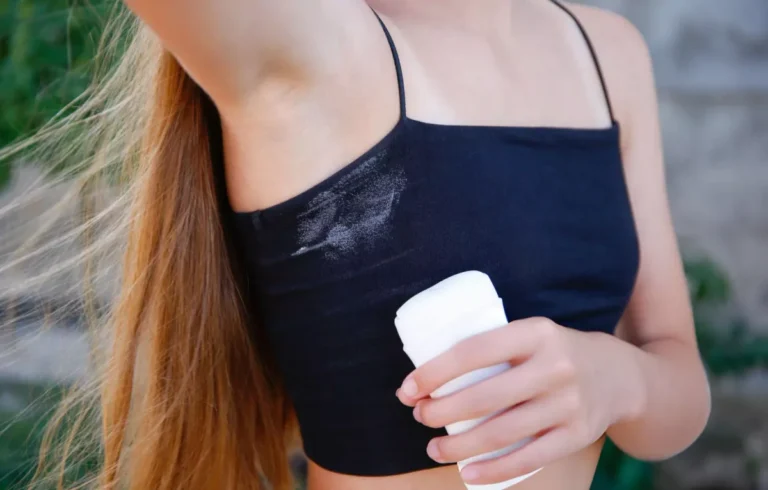
So you've just had a gorgeous spray tan, and now you're staring at your favorite white shirt wondering if it's about to become a casualty. It's a fair worry. The short answer is yes, spray tan can stain clothes, but the full picture depends on what you're wearing, what formula was used, and how you handle the hours after your session.
The active ingredient behind every spray tan is dihydroxyacetone, or DHA. It reacts with amino acids on the surface of your skin to create that bronzed color. That same reaction is what causes discoloration on fabric.
According to FDA guidelines, DHA concentrations in sunless tanning products range from about 6% to 15%, and the higher the concentration, the greater the staining potential. The good news is that most clothing stains from spray tan are treatable if you act quickly and know what you're dealing with.
Image source: Bing (Web (fair-use with source credit))
Quick Answer
Spray tan can stain clothes, especially light-colored or delicate fabrics. The staining is caused by DHA, the active tanning ingredient, and cosmetic bronzers in the formula. Most stains are temporary and wash out with prompt treatment.
Wearing dark, loose clothing after your appointment dramatically reduces the risk. Higher DHA concentrations increase staining potential.
What's in Spray Tan That Causes Stains
The main culprit is DHA. It's a colorless sugar derivative that reacts with the outer layer of your skin through something called the Maillard reaction, the same chemical process that browns food. When DHA contacts fabric instead of skin, it can leave behind a yellowish or orange-brown discoloration that sets over time.
Most spray tan formulas also contain cosmetic bronzers. These are temporary colorants that give you an instant glow while the DHA develops underneath. Bronzers are essentially cosmetic pigments, and they transfer onto fabric much like makeup would.
They're usually water-soluble, which means they wash out more easily than DHA stains.
Some formulas include erythrulose, a similar tanning agent found in red raspberries. It works more slowly than DHA and can add to the staining effect, particularly on lighter fabrics. Alcohol-based solutions dry faster but can be harsher on delicate materials.
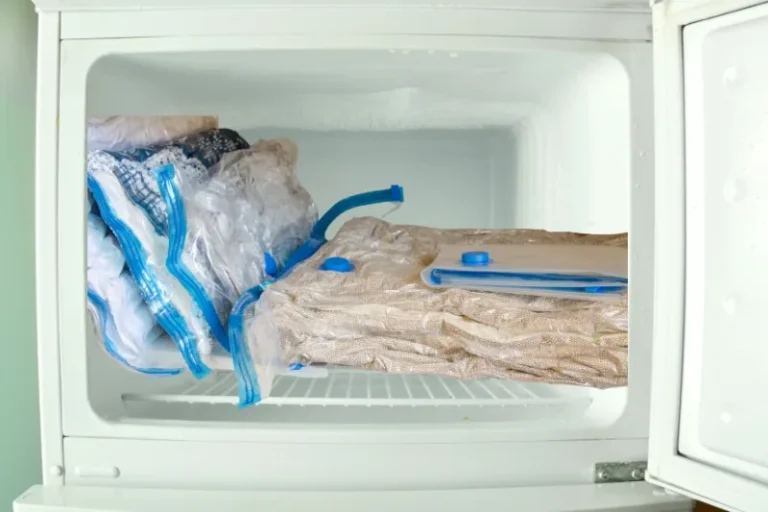
Image source: Bing (Web (fair-use with source credit))
The pH level of the solution also matters. Spray tan formulas are slightly acidic, typically between pH 4 and 5, which helps the DHA reaction work efficiently. That acidity can affect certain dyes and fibers, especially natural ones like silk and wool.
Which Fabrics Are Most at Risk
Not all fabrics react the same way to spray tan. Some materials grab onto DHA and bronzer like a sponge, while others shrug it off pretty easily.
High-risk fabrics:
- Silk, especially light-colored or white silk
- Satin and charmeuse
- Light cotton, particularly white or pastel shades
- Lace and mesh fabrics
- Linen in lighter tones
Lower-risk fabrics:
- Dark cotton
- Polyester blends
- Denim
- Dark jersey or knit fabrics
Silk is the biggest concern. Its smooth, protein-based fibers bond easily with DHA, and stains can become permanent if not treated immediately. White and pastel fabrics show discoloration the most obviously, but darker delicate fabrics can still be damaged even if the stain isn't visible right away.
Synthetic fabrics like polyester tend to resist staining better because the fibers are less porous. That said, any fabric can show bronzer transfer, especially in the first few hours after application.
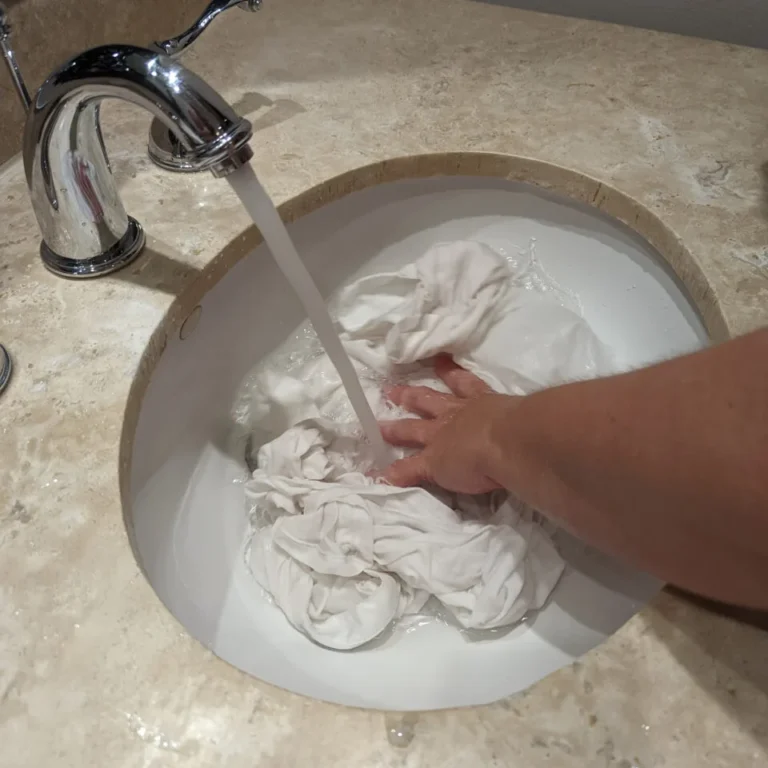
Image source: Wikimedia Commons / Unknown artistUnknown artist
Tight-fitting clothing is another factor. When fabric presses against skin that's still developing, it creates more contact and friction, which pushes the solution deeper into the fibers. Loose clothing minimizes that contact and gives the formula room to dry and set on your skin instead of your outfit.
Cosmetic Bronzer vs. Clear DHA Formula: Does It Make a Difference
This is one of the biggest factors in whether your clothes are safe. Spray tan formulas generally fall into two categories, and they carry very different staining risks.
Cosmetic bronzer formulas contain instant colorants that give you a visible tan right away. These bronzers sit on the surface of your skin and transfer easily onto fabric, especially while the formula is still wet or tacky. The transfer shows up as obvious streaks or smudges.
The upside is that bronzer transfer is mostly cosmetic and washes out of most fabrics without much trouble.
Clear or base-only formulas skip the instant bronzer and rely purely on DHA to develop color over several hours. There's no visible pigment to transfer onto your clothes, which makes them much more clothing-friendly. The trade-off is that you won't see your final color until after your first shower, and any DHA contact with fabric can still cause staining, just without the obvious bronzer marks.
If you're heading to an appointment and worried about what to wear, ask your technician which formula they're using. Many professionals now offer clear development options specifically for clients who need to dress soon after their session.
Here's a quick comparison:
| Factor | Cosmetic Bronzer Formula | Clear DHA Formula |
|---|---|---|
| Visible transfer to fabric | High | Low |
| Stain severity | Surface-level, usually washable | Can be deeper if DHA sets |
| Ease of stain removal | Easier, water-soluble pigments | Harder if not treated quickly |
| Best clothing choice | Dark, loose, old clothes | Still dark and loose, but less risk |
| When color appears | Instantly | After 2 to 8 hours |
What to Wear to Your Spray Tan Appointment
Planning your outfit ahead of time is the single easiest way to avoid staining your clothes. Here's what works best.
Wear to your appointment:
- Dark-colored, loose-fitting clothing
- An old t-shirt and sweatpants you don't mind getting messy
- Flip-flops or sandals (DHA stains feet too)
- Avoid underwire bras, as the solution can transfer and stain the fabric
Bring to change into afterward:
- A loose, dark dress or oversized shirt
- Dark leggings or joggers
- A robe or cover-up if you're driving home
The goal is to minimize skin-to-fabric contact while the formula dries and develops. Loose clothing lets air circulate and keeps the solution on your skin where it belongs. Dark colors hide any transfer that does happen, so you're not panicking over every little mark.
Avoid anything tight, light-colored, or made from delicate fabrics. That means no white jeans, no silk blouses, and no favorite designer pieces you'd be devastated to ruin. Save those for after your first post-tan shower, when the excess solution has been rinsed off and the risk of transfer drops significantly.
If you're getting a spray tan before a special event, schedule your appointment at least one day beforehand. That gives the color fully develops, lets you shower off the excess, and means you can wear whatever you want to the event without worrying about staining it.
How Long You Should Wait Before Getting Dressed
The drying window matters more than most people realize. Most spray tan technicians recommend waiting at least 10 to 15 minutes before putting any clothing back on. That gives the initial moisture on your skin a chance to set.
For formulas with cosmetic bronzer, you'll want to wait until the surface feels dry to the touch. That usually takes about 10 minutes in a warm room with good airflow. Clear DHA formulas can feel dry faster, but the active ingredient is still working beneath the surface for hours.
The real danger zone is the first four to eight hours after application. That's when the DHA is actively developing and any fabric contact can cause transfer or staining. During this window, keep wearing loose, dark clothing and avoid anything that creates friction against your skin.
Sweating is another concern during development. If you're in a warm environment or doing anything physical, perspiration can mix with the solution and push it onto your clothes. Stay cool and keep activity to a minimum for the first few hours.
What to Do If You've Already Stained Your Clothes
Don't panic. Most spray tan stains come out if you treat them quickly and correctly. The key is speed.
The longer DHA sits in fabric, the harder it becomes to remove.
Step-by-step stain removal:
- Rinse the stained area under cold running water immediately. Hot water can set the stain, so always start cold.
- Apply a small amount of enzyme-based laundry detergent directly to the stain. Gently work it into the fabric with your fingers.
- Let it sit for 10 to 15 minutes.
- Wash the garment in cold water on a normal cycle. Avoid fabric softener, as it can trap residue in the fibers.
- Air-dry the garment and check if the stain is gone before putting it in the dryer. Heat from a dryer can permanently set any remaining discoloration.
For stubborn stains on white or light fabrics, a paste of baking soda and water can help. Apply it to the stain, let it sit for 30 minutes, then wash as usual. Oxygen-based stain removers also work well on DHA discoloration.
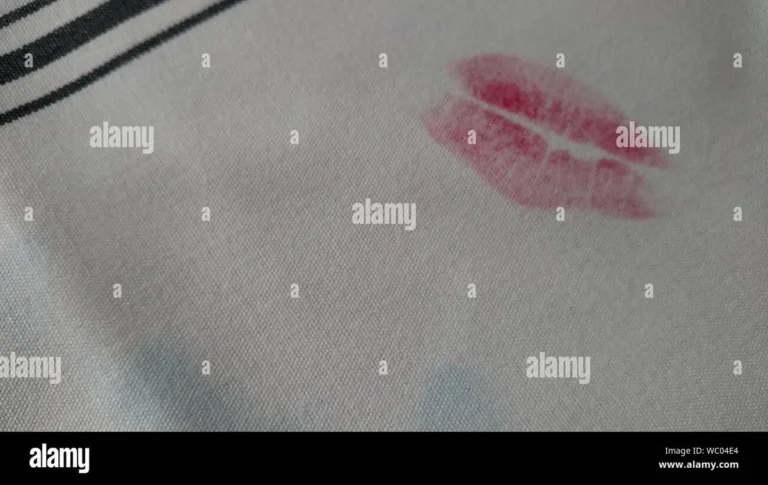
Image source: Wikimedia Commons / Ministry of Information Photo Division Photographer
Delicate fabrics like silk require extra care. Blot the stain gently instead of rubbing, and consider taking the garment to a professional cleaner if the fabric is valuable. Rubbing can push the DHA deeper into silk fibers and spread the stain.
Fabrics and Clothing You Should Absolutely Avoid
Some items are just not worth the risk. Here's a quick list of what to keep far away from your fresh spray tan.
Avoid until after your first shower:
- White or light-colored anything
- Silk blouses, scarves, or lingerie
- Satin dresses or robes
- Light cotton t-shirts and tank tops
- Lace bras or bodysuits
- Light-colored denim
- Sheer or mesh tops
Also watch out for:
- Light-colored handbags and totes that rest against your body
- Light seat covers in your car
- Light-colored towels
The common thread is color and fabric type. Light colors show every trace of transfer, and delicate natural fibers bond with DHA more readily than synthetics. If you wouldn't wear it to get it dirty, don't wear it after a spray tan.
One thing people forget is jewelry. Metal jewelry is fine, but anything with fabric straps or light-colored leather can pick up bronzer and DHA. Remove fabric belts and swap light watch bands for something dark or metallic during development.
Does Spray Tan Stain Sheets, Car Seats, and Furniture Too
Clothes aren't the only thing at risk. Anything your skin touches during development can pick up transfer.
Sheets and bedding are a common casualty. If you're sleeping before your first post-tan shower, the solution can transfer onto your pillowcases and sheets. Use old, dark-colored bedding for the night, or lay a dark towel over your pillow.
Most sheet stains wash out easily with cold water and enzyme detergent, but white silk pillowcases are a gamble.
Car seats can pick up bronzer, especially light-colored leather or cloth seats. Bring a dark towel to sit on during your drive home. This is a simple fix that prevents a frustrating stain on something that's hard to wash.
Upholstered furniture is another concern. If you're lounging on a light-colored couch or chair during development, you could leave marks. Again, a dark throw blanket or towel is your best friend here.
The transfer risk drops significantly after your first shower, once the excess solution has been rinsed away. Until then, treat every surface your skin contacts as potentially stainable.
Staying Stain-Free: Pre-Tan Prep That Actually Works
A little preparation before your appointment goes a long way toward protecting your clothes and your tan.
Exfoliate 24 hours beforehand. Removing dead skin cells creates a smoother surface for the tan to develop evenly. It also means less excess solution sitting on top of rough, flaky skin, which reduces the amount available to transfer onto fabric.
Shave or wax at least 12 hours before. This gives your pores time to close, which helps the tan absorb evenly and reduces the chance of patchy transfer.
Skip lotions, deodorant, and makeup on appointment day. These products create a barrier that can cause uneven application. More product on your skin means more potential transfer to your clothes.
Apply barrier cream to problem areas. Your technician will usually do this, but it's worth confirming. Barrier cream on your hands, feet, elbows, and knees prevents those areas from absorbing too much solution, which reduces the chance of dark patches and excess transfer.
Hydrate your skin in the days leading up to your appointment. Well-moisturized skin takes spray tan more evenly, which means a better result and less excess product sitting on the surface. Just make sure you're not applying moisturizer on the day of your session.
Following these steps won't eliminate staining risk entirely, but they'll significantly reduce the amount of loose solution on your skin that can end up on your clothes.
Spray Tan vs. Other Self-Tanners: Which Is Easiest on Your Clothes
Not all self-tanning methods carry the same staining risk. If keeping your wardrobe safe is a top priority, it helps to know how spray tan stacks up against other options.
Self-tanning lotions and creams are generally easier on clothes because you control exactly where the product goes. You apply them by hand, let them dry, and dress once they've absorbed. The staining risk is lower, though not zero, especially with formulas that contain cosmetic bronzers.
Tanning mousse works similarly to lotion but dries faster, which means less window for transfer. Most mousse formulas are designed to absorb within a few minutes, so you can dress sooner with less risk.
Tanning drops are mixed into your regular moisturizer and applied by hand. They're one of the clothing-friendliest options because you're applying a thin, controlled layer. There's minimal excess product sitting on your skin.
Tanning wipes are pre-soaked with a light DHA solution. They're portable and low-mess, making them a solid choice if you want color without worrying about staining your outfit.
Gradual tanning moisturizers build color over several days with very low DHA concentrations, usually around 2% to 4%. The staining risk is minimal, though the color payoff is subtler.
Here's a quick comparison:
| Method | Staining Risk | Control Over Application | Best For |
|---|---|---|---|
| Spray tan (professional) | Moderate to high | Low, technician applies | Full-body even color |
| Spray tan (at-home) | Moderate | Medium | Budget-friendly option |
| Tanning lotion | Low to moderate | High | Targeted application |
| Tanning mousse | Low | High | Quick-drying, easy use |
| Tanning drops | Very low | High | Customizable intensity |
| Gradual moisturizer | Minimal | High | Subtle, buildable color |
If you're prone to staining clothes or just want peace of mind, at-home mousse or drops are your best bet. Professional spray tan gives the most even, natural-looking result, but it comes with a higher transfer risk during those first few hours.
Frequently Asked Questions
Does spray tan stain clothes permanently?
Most spray tan stains are not permanent if treated quickly. DHA discoloration can become harder to remove the longer it sits, especially on delicate fabrics like silk. Prompt treatment with cold water and enzyme detergent removes the majority of stains.
How long after a spray tan can I wear white clothes?
Wait until after your first shower, which is typically 4 to 8 hours after application. Once you've rinsed off the excess solution, the risk of transfer drops dramatically. For extra caution, wait 24 hours before wearing white or light-colored delicate fabrics.
Can spray tan stain leather or suede?
Yes. Leather and suede can absorb DHA and bronzer, particularly lighter shades. The stains are harder to remove from these materials because you can't simply throw them in a wash.
Use a leather cleaner or consult a professional for light-colored leather items.
Does fake tan come out of sheets?
In