How to Remove Deodorant Buildup From Clothes 2026
You've just pulled your favorite black tee out of the wash and there it is: that chalky, white residue sitting right on the underarm. Learning how to remove deodorant buildup from clothes comes down to matching the right method to your fabric type and the kind of damage you're dealing with. Some marks wipe away with a quick treatment.
Others need a full soak and a second wash.
In our research, textile care guidelines and garment manufacturer specs both point to the same truth: the treatment changes depending on whether you're fighting white antiperspirant marks, yellow staining, or a mix of both. Let's break down what's actually happening to your clothes and how to fix it.
Image source: Bing (Web (fair-use with source credit))
Quick Answer
Pretreat the affected area with white vinegar or a baking soda paste. Let it sit for 15 to 30 minutes. Wash on the warmest temperature the fabric allows.
Check the stain before drying. Repeat if needed.
Why Deodorant Buildup Ruins Clothes (And Why It's Not Just a Stain)
Deodorant buildup isn't dirt. It's a chemical residue that bonds to fibers over time. Antiperspirants are the bigger culprit because they contain aluminum salts.
Those salts react with sweat and oxidize, which is what creates that yellow tint on white shirts. Regular deodorant without aluminum tends to leave white marks instead.
The problem compounds with every wash. If you keep washing without pretreating, the residue gets baked into the fabric by dryer heat. That's why a shirt that looked fine for months suddenly develops permanent-looking yellow patches.
It wasn't sudden at all. It was gradual accumulation that finally became visible.
Here's what most people get wrong: they treat all underarm discoloration the same. White marks and yellow stains have completely different causes. They need completely different approaches.
One is surface residue sitting on top of the fiber. The other is a chemical reaction that's actually changed the color of the fabric itself.
The Two Types of Deodorant Damage: White Marks vs. Yellow Stains
Before you grab any product from under the sink, you need to know what you're looking at. The treatment path splits right here.
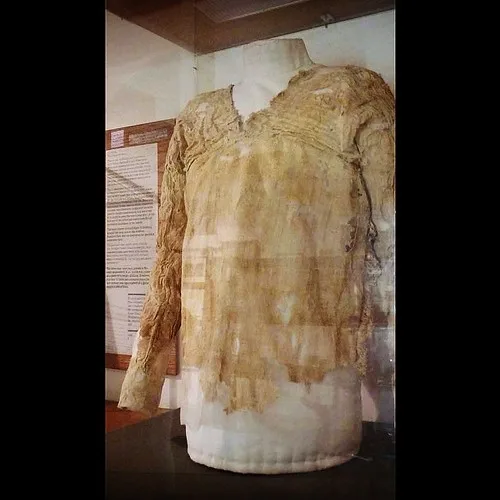
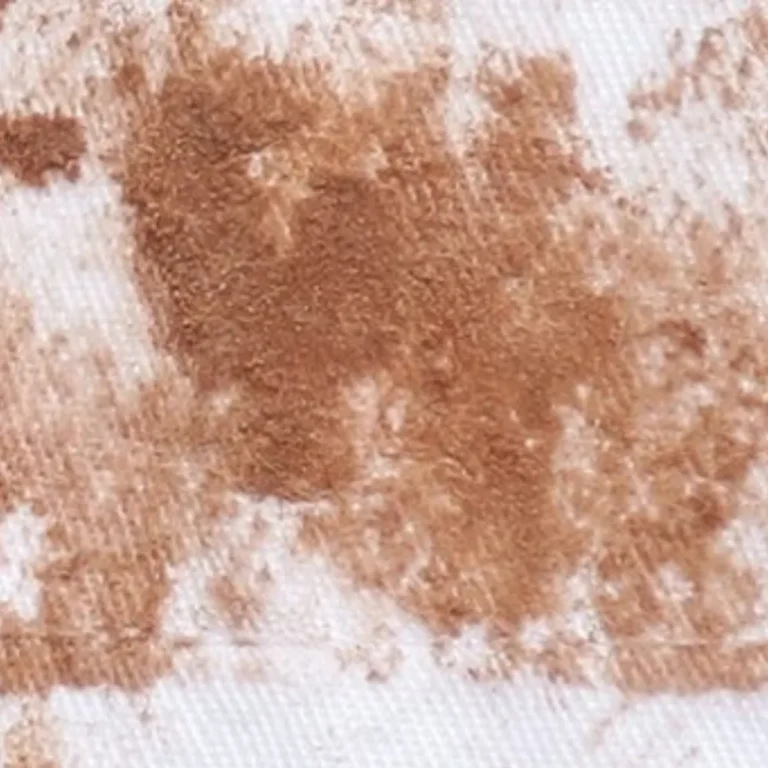
White marks sit on the surface of the fabric. They're caused by the solid ingredients in antiperspirant and some deodorants transferring onto the cloth. You'll see them most on dark clothing: black shirts, navy dresses, charcoal suits.
The good news is that surface residue is usually easier to remove because it hasn't bonded deeply into the fibers.
Yellow stains are a different animal. They happen when the aluminum in antiperspirant mixes with proteins in your sweat and oxidizes. This is a chemical reaction, not just a transfer of product.
White dress shirts, light gray tees, and cream-colored blouses show this damage most clearly. Yellow stains are harder to lift because the discoloration has actually altered the fabric at a molecular level.
Most people with heavy antiperspirant use deal with both. You'll see white residue on the surface and yellow discoloration underneath. That means you often need a two-step approach: one treatment for the surface marks and another for the deeper staining.
Image source: Bing (Web (fair-use with source credit))
How to Check What You're Dealing With Before You Start
Take the shirt into good natural light. Look at both underarm areas closely.
Ask yourself three questions:
- Is the mark white or yellowish? White means surface residue. Yellow means chemical staining.
- Is the fabric sturdy or delicate? Cotton and polyester can handle more aggressive treatment. Silk and wool cannot.
- How long has the buildup been there? Fresh residue lifts easier than buildup that's been washed and dried dozens of times.
Check the care label too. If it says "dry clean only," that changes your entire approach. You'll want to skip the DIY soaking methods and either use a gentle spot treatment or take it to a professional.
One more thing worth checking: rub your finger over the mark. If it feels crusty or stiff, you're dealing with heavy accumulation. If the fabric feels soft and the mark is just visual, it's likely light surface residue.
That distinction determines how long you'll need to pretreat.
Step-by-Step: Removing White Deodorant Marks From Dark Clothes
White marks on dark fabric are the most common complaint and usually the easiest to fix. Here's the process that works for most sturdy fabrics like cotton, polyester, and blends.
What you need:
- White distilled vinegar
- A clean soft cloth or soft-bristle brush
- Liquid laundry detergent
The process:
- Dampen the affected area with warm water. You don't need to soak the whole garment. Just wet the underarm section.
- Apply white vinegar directly to the white marks. Let it sit for 10 to 15 minutes. The mild acid in the vinegar breaks down the aluminum salt residue.
- Gently rub the fabric against itself using your hands. This mechanical action lifts the loosened residue from the fibers. For heavier marks, use a soft-bristle toothbrush with light pressure.
- Rinse with warm water to wash away the dissolved residue.
- Apply a small amount of liquid detergent to the area and work it in gently. This removes any remaining vinegar smell and lifts leftover particles.
- Wash as normal on the appropriate cycle for the fabric.
For light white marks, steps 1 through 3 alone often do the job. You can skip the full wash if the shirt doesn't need it. Just air-dry the area and you're done.
If the marks persist after one round, repeat the vinegar treatment. Heavy antiperspirant users sometimes need two or three rounds before the residue fully dissolves. Don't jump straight to harsh chemicals.
Patience with mild solutions beats aggressive treatment that damages the fabric.
For delicate fabrics like silk and wool, dilute the vinegar with equal water and skip the rubbing. Blot gently instead. Or use a delicate-wash detergent as your pretreatment instead of vinegar.
Image source: Bing (Web (fair-use with source credit))
Step-by-Step: Lifting Yellow Pit Stains From White Clothes
Yellow stains need a different approach. You're not just lifting residue. You're breaking down oxidized aluminum-sweat compounds bonded to the fiber.
Here's the method that textile care research supports.
What you need:
- Baking soda
- Hydrogen peroxide (3% solution, standard household strength)
- Liquid dish soap
- A soft-bristle brush
The process:
- Mix a paste of baking soda and hydrogen peroxide. Aim for a ratio of roughly 2 parts baking soda to 1 part peroxide. The consistency should be spreadable, not runny.
- Spread the paste over the yellow stained area. Cover the entire discolored section with a thick, even layer.
- Let it sit for 30 minutes to 1 hour. For deep, set-in stains, some garment care guides suggest leaving it up to 2 hours. Don't let the paste dry completely. If it starts to crust, mist it lightly with water.
- Gently brush the area with a soft-bristle toothbrush. Use light circular motions. The mild abrasion of the baking soda helps lift the oxidized compounds from the fibers.
- Rinse thoroughly with warm water.
- Apply a few drops of dish soap to the area and work it in. Dish soap helps break down any remaining oily residue from the antiperspirant.
- Wash on the hottest cycle the fabric allows. For white cotton, that's typically a hot water cycle with regular detergent. Add an oxygen-based laundry booster for extra lifting power.
- Air-dry only. Do not put the garment in the dryer until you're sure the stain is gone. Heat from the dryer can set any remaining discoloration permanently.
If the stain persists after one treatment, repeat the paste application. Some yellow stains from long-term antiperspirant use require three or four rounds before they fade completely. Aggregate user reports suggest that stains older than six months are significantly harder to remove than recent ones.
Important safety note: Never mix hydrogen peroxide with chlorine bleach. The combination can weaken fabric fibers and produce irritating fumes. Stick to oxygen-based boosters if you need extra cleaning power alongside peroxide treatment.
Step-by-Step: Tackling Heavy, Crusty Buildup on Workout and Gym Gear
Performance fabrics like polyester, nylon, and spandex blends present a unique challenge. These synthetic fibers are designed to wick moisture, which means they also trap antiperspirant residue more readily than natural fibers. The buildup can feel stiff and look like a thick white layer.
What you need:
- White vinegar
- A basin or sink for soaking
- Enzyme-based laundry detergent
- Soft-bristle brush
The process:
- Fill a basin with a vinegar-water solution. Use a 1:1 ratio of white vinegar to warm water. This is a stronger concentration than the spot treatment used for dark clothes.
- Submerge the garment completely. Let it soak for 30 to 60 minutes. For extremely heavy buildup, some fabric care guides recommend soaking overnight in a diluted vinegar solution (1 part vinegar to 4 parts water).
- Drain the solution and gently scrub the underarm areas with a soft-bristle brush. You should feel the crusty residue loosening.
- Rinse the garment with clean warm water.
- Wash in a warm water cycle using an enzyme-based detergent. Enzyme detergents are particularly effective on the protein components of sweat and antiperspirant residue.
- Inspect before drying. If residue remains, repeat the vinegar soak before attempting any heat drying.
A note on fabric softeners: Skip them when washing gym gear with buildup issues. Fabric softeners coat synthetic fibers with a waxy layer that can actually trap more residue over time. This makes future buildup worse, not better.
For compression gear and high-performance athletic wear, use cold water instead of warm. These fabrics can lose elasticity in hot water. The vinegar soak alone does most of the work, so you don't need the extra cleaning power of heat.
What to Do When You're Unsure About the Fabric Type
When you can't identify the fabric or the care label is faded, default to the gentlest method first. You can always escalate to stronger treatment. You can't undo damage from being too aggressive.
The safe-first approach:
- Start with a diluted vinegar spray. Mix equal parts white vinegar and water in a spray bottle. Lightly mist the affected area.
- Blot with a clean cloth. Don't rub. Let the vinegar do the work.
- Rinse with cool water.
- Apply a small amount of delicate-wash detergent. Work it in gently with your fingertips.
- Wash on the cold, gentle cycle.
This method is safe for virtually every fabric type, including silk, wool, rayon, and most blends. It won't remove heavy buildup in one shot, but it will tell you how the fabric responds before you commit to stronger treatment.
If the garment is vintage or has sentimental value, skip DIY treatment entirely. Take it to a professional cleaner and explain what you're dealing with. A good dry cleaner has solvents and techniques that go far beyond what's available at home.
The cost of professional cleaning is almost always less than replacing a ruined heirloom piece.
Test every treatment on a hidden area first. Inside seams, the hem, or an interior pocket are good spots. Wait a few minutes and check for color bleeding, texture change, or any unexpected reaction. If the test area looks fine, proceed with the full treatment.
The Products and Ingredients That Actually Work (And What to Skip)
Not every household remedy deserves the hype. Here's what holds up under scrutiny and what tends to disappoint.
What works:
- White vinegar: The acetic acid (typically 5% concentration) dissolves aluminum salt residue effectively. It's inexpensive, widely available, and safe for most fabrics. This is the single most versatile pretreatment for deodorant buildup.
- Baking soda: Mild abrasive and gentle alkaline. Works well as a paste for scrubbing away crusty residue. Pairs with hydrogen peroxide for yellow stain treatment.
- Hydrogen peroxide (3%): An oxidizing agent that breaks down the organic compounds in yellow stains. Safe for white fabrics. Can cause color loss on dyed fabrics, so test first.
- Enzyme-based laundry detergents: These contain protease and amylase enzymes that digest the protein and starch components in sweat and antiperspirant residue. Particularly effective on synthetic fabrics.
- Oxygen-based laundry boosters: Products containing sodium percarbonate release hydrogen peroxide in water. They provide extra oxidizing power without the harshness of chlorine bleach.
What to skip:
- Chlorine bleach: It can react with aluminum salts and actually worsen yellow discoloration on white fabrics. It also weakens fibers over time. Avoid it for this specific problem straight-up.
- Lemon juice: Popular in DIY circles, but the citric acid concentration is inconsistent and can cause uneven bleaching on colored fabrics. Vinegar is a more predictable and controlled option.
- Undiluted rubbing alcohol: It can dissolve some antiperspirant residues, but it's harsh on synthetic fabrics and can cause color stripping. Not worth the risk when vinegar works just as well.
Image source: Bing (Web (fair-use with source credit))
Common Mistakes That Make Deodorant Buildup Worse
The fastest way to ruin a good garment is to treat it aggressively without thinking. Here are the mistakes we see most often.
Rubbing the mark when it's dry. When you see white residue on a dark shirt, your instinct is to wipe it off. This just pushes the particles deeper into the fabric. Always dampen the area first.
Water loosens the residue so it lifts instead of grinding in.
Using hot water as the first step. Heat can set antiperspirant residue and accelerate the oxidation that causes yellow stains. Start with cool or warm water. Only increase temperature after you've done a proper pretreatment.
Skipping the pretreatment entirely. Many people throw deodorant-stained clothes straight into a regular wash cycle. Standard detergent alone rarely removes buildup. You need that dedicated pretreatment step to break down the residue before the wash does its job.
Scrubbing too hard on delicate fabrics. Silk, wool, and fine knits can pill, stretch, or develop shiny marks from aggressive brushing. Use your fingertips or a very soft cloth for these fabrics. Let the cleaning solution do the heavy lifting.
Putting the garment in the dryer before checking the stain. This is the single most common reason deodorant stains become permanent. Dryer heat sets the discoloration. Always air-dry treated garments and inspect the results before applying any heat.
Mixing cleaning products randomly. Vinegar and hydrogen peroxide should not be mixed in the same container. They neutralize each other and create a less effective solution. Use them separately, rinsing between applications.
How to Prevent Deodorant Buildup in the First Place
Prevention is easier than cure here. A few simple habits can dramatically reduce the amount of residue that accumulates on your clothes.
Apply antiperspirant to completely dry skin. Damp skin causes the aluminum salts to bond more aggressively to fabric later. After showering, make sure your underarms are fully dry before applying anything. If you apply at night, you're already ahead.
Nighttime application gives the active ingredients time to absorb before you start sweating the next day.
Let the product dry before dressing. This is the single most effective prevention step. Give your antiperspirant 60 to 90 seconds to fully dry before pulling on your shirt. That brief wait prevents the wet product from transferring directly onto fabric.
Use the minimum effective amount. A thin, even layer works just as well as a thick coat. More product doesn't mean more protection. It just means more residue ending up on your clothes.
Aggregate reviews from dermatology-informed sources consistently note that over-application is a primary cause of visible buildup.
Consider your formulation. Roll-on antiperspirants tend to leave more visible residue than sticks or sprays. If you're dealing with recurring white marks, switching to a clear gel stick or an aerosol spray can make a noticeable difference. Some people also find that aluminum-free deodorants cause less buildup, though they won't provide the same sweat protection.
Wash clothes promptly after wearing. Don't let sweaty clothes sit in the hamper for days. The longer antiperspirant residue sits on fabric, the harder it becomes to remove. Prompt washing with a proper pretreatment keeps buildup from accumulating in the first place.
When to Call a Dry Cleaner Instead of DIY
Sometimes the smartest move is handing it off to a professional. Here's when that makes sense.
The garment is labeled "dry clean only." Silk blouses, wool suits, and lined dresses fall into this category. These fabrics can be permanently damaged by water-based DIY treatments. A professional cleaner has solvent-based products that dissolve antiperspirant residue without affecting delicate fibers.
The stain has been heat-set multiple times. If you've washed and dried the garment dozens of times without pretreating, the discoloration may be permanently bonded to the fibers. A professional has access to stronger reducing agents that can sometimes lift what home methods can't.
The item is expensive or irreplaceable. A tailored dress shirt, a wedding dress, or a vintage piece warrants professional care. The cost of dry cleaning is minimal compared to replacing a ruined garment. Don't gamble with items that matter.
You've tried two or three DIY rounds with no improvement. At this point, continuing to scrub and soak risks damaging the fabric more than the stain itself. A professional assessment can determine whether the garment is salvageable.
Frequently Asked Questions
Can I use vinegar on all fabric types?
White vinegar is safe for most sturdy fabrics including cotton, linen, polyester, and nylon. For delicate fabrics like silk and wool, dilute it with equal water and blot gently instead of scrubbing. Always test on a hidden area first.
Does baking soda damage clothes?
Baking soda is a mild abrasive, so it's safe for most durable fabrics when used gently. Avoid vigorous scrubbing on delicate materials. It can cause pilling on loose weaves or fine knits if you apply too much pressure.
How long does it take to remove heavy buildup?
Light buildup often lifts in one treatment session. Heavy, long-term accumulation may require three to four separate treatments over several wash cycles. Patience beats aggressive scrubbing every time.
Will hydrogen peroxide bleach colored clothes?
Yes, it can. Hydrogen peroxide is a mild bleaching agent. It's safe for white fabrics, but it may cause color loss on dyed or printed garments.
Stick to vinegar for colored items and save peroxide for whites only.
Is deodorant buildup permanent?
Not always. Fresh buildup responds well to pretreatment. Stains that have been repeatedly heat-dried become increasingly difficult to remove.
In severe cases, the discoloration may be permanent. Prompt treatment gives you the best chance of full removal.
Can I prevent buildup by switching deodorant brands?
It can help. Clear gel sticks and aerosol sprays tend to leave less visible residue than white solid sticks. Antiperspirants with lower aluminum concentrations also tend to cause less accumulation.
Nighttime application and proper drying time before dressing matter just as much as the brand itself.