How to Get Kerosene Smell Out of Clothes 2026
If you've ever spilled kerosene on your clothes, you know the smell doesn't just wash out with a normal cycle. Learning how to get kerosene smell out of clothes takes a bit more effort than your average laundry day. Kerosene is a petroleum-based hydrocarbon, and it bonds to fabric fibers in a way that regular detergent alone can't break down.
The good news? With the right approach, you can save those clothes instead of tossing them.
The key is acting fast and using the right combination of degreasing agents, odor neutralizers, and proper wash techniques. According to the American Cleaning Institute, oil-based odors require surfactants and alkaline agents to fully lift from textile fibers. Let's walk through exactly what to do, step by step, depending on what you're working with.
Image source: Bing (Web (fair-use with source credit))
Quick Answer: The Fastest Way to Remove Kerosene Smell from Clothes
To get kerosene smell out of clothes, start by airing the garment outdoors. Pre-treat the affected area with dish soap to cut the oil. Soak the item in a white vinegar and water solution for at least 30 minutes.
Wash separately in the warmest water safe for the fabric, using regular detergent plus one cup of baking soda. Air dry in direct sunlight. Repeat if the smell persists.
Never machine dry until the odor is completely gone.
Why Kerosene Smell Clings to Clothes — And Why Normal Washing Fails
Kerosene is a lightweight petroleum distillate, which means it's essentially an oil. When it lands on fabric, it doesn't just sit on the surface. It weds itself into the fibers, especially natural ones like cotton and wool.
A standard wash cycle with regular detergent is designed to handle dirt, sweat, and food stains. It's not built to dissolve hydrocarbon bonds.
That's why you can run a kerosene-stained shirt through the wash, pull it out, and still smell fuel. The water temperature's too low, the detergent's not strong enough, and the cycle's too short to break down what's actually stuck in there. On top of that, if you toss the garment in the dryer while the smell is still present, the heat essentially bakes the odor into the fabric.
That makes it significantly harder to remove later.
The approach that works combines three things: a degreaser to lift the oil, an acidic or alkaline solution to neutralize the odor molecules, and enough time for both to do their job. The exact method depends on your fabric type and how long the kerosene's been sitting.
What You'll Need Before You Start
Gather everything before you begin. Having it all in one place saves time and prevents the kerosene from setting further while you rummage through the kitchen.
Tools and materials:
| Item | Purpose |
|---|---|
| White distilled vinegar | Breaks down odor molecules and dissolves residue |
| Baking soda (sodium bicarbonate) | Alkaline booster that neutralizes acidic odor compounds |
| Dawn dish soap (or similar degreasing dish detergent) | Cuts through petroleum-based oil |
| Large basin or sink | For pre-soaking |
| Washing machine | Main wash cycle |
| Hydrogen peroxide (3% solution) | Optional: oxygen-based odor lifter for color-safe fabrics |
| Borax (sodium borate) | Optional: heavy-duty odor and stain additive |
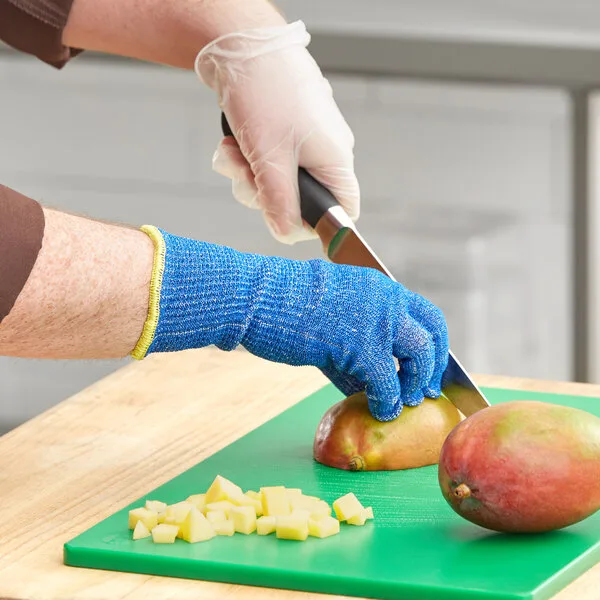
| Rubber gloves | Protects skin from cleaning agents and kerosene residue |
| Clothesline or drying rack | For air drying in sunlight |
You don't need every single item on this list. For most situations, vinegar, baking soda, dish soap, and a washing machine will get the job done. The extras are there if you're dealing with a stubborn or long-set smell.
Step 1: Air Out the Garment and Pre-Treat the Affected Areas
Before anything touches water, get the garment outside. Hang it in a well-ventilated area, preferably in direct sunlight, for at least an hour. This allows some of the volatile compounds in the kerosene to evaporate naturally.
Don't skip this step. It reduces the concentration of fuel on the fabric before you start the wet cleaning process.
Once it's had time to air out, lay the garment flat and identify the areas where the kerosene made contact. Apply a small amount of dish soap directly to those spots. Dawn is the go-to recommendation because it's specifically formulated to cut through grease and oil.
Gently work it into the fabric with your fingers or a soft brush. Don't scrub aggressively, especially on delicate materials. You want the soap to penetrate the fibers, not push the oil deeper.
Let the dish soap sit on the fabric for 10 to 15 minutes. This gives the surfactants time to start breaking down the hydrocarbon bonds. If the spill was heavy, you might notice the soap turning slightly yellow or brown as it lifts the kerosene.
That's a good sign. It means the degreaser is doing its job.
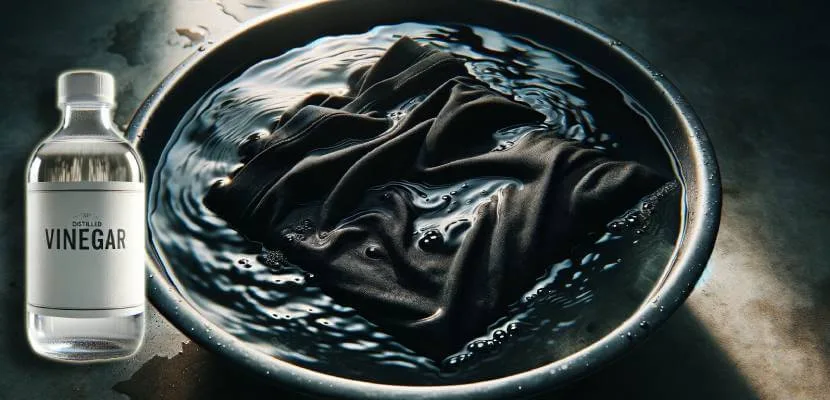
Image source: Bing (Web (fair-use with source credit))
Step 2: Pre-Soak — Choosing the Right Solution for Your Fabric
Pre-soaking is the single most important step in this whole process. It's where the real odor removal happens. The solution you choose depends on what the garment is made of and how strong the smell is.
Vinegar Soak (Best for Most Fabrics)
White distilled vinegar is mildly acidic, which makes it excellent at dissolving alkaline residue and neutralizing odor compounds. It's safe for cotton, polyester, denim, and most synthetic blends.
Fill a basin or sink with cool to warm water. Add one cup of white distilled vinegar per gallon of water. For heavy contamination, use a 1:1 ratio of vinegar to water.
Submerge the garment completely and let it soak for at least 30 minutes. For set-in smells, leave it overnight.
Vinegar's acetic acid concentration (typically 5% in household vinegar) is strong enough to break down kerosene residue without damaging most fabrics. After soaking, the water will often have a noticeable fuel smell. That means it's pulling the odor out of the fibers.
Baking Soda Soak (Great for Cotton and Denim)
Baking soda works on the opposite end of the pH scale. It's alkaline, which makes it effective at neutralizing acidic odor compounds and absorbing lingering smells. It's particularly good for sturdy fabrics like cotton and denim.
Add half a cup of baking soda per gallon of warm water. Stir until dissolved, then soak the garment for one to two hours. You can also add a full cup of baking soda directly into the wash cycle later for extra odor-fighting power.
Dish Soap Pre-Treatment (Best for Heavy or Fresh Spills)
If the kerosene spill was significant, a dish soap pre-treatment before the soak can make a big difference. Apply Dawn or a similar degreasing soap directly to the stained areas. Let it sit for 15 minutes, then proceed with the vinegar or baking soda soak.
Which soak should you choose?
| Situation | Best Soak |
|---|---|
| Light smell, most fabrics | Vinegar soak (30 min to 1 hour) |
| Strong smell, cotton or denim | Baking soda soak (1 to 2 hours) |
| Heavy or fresh spill | Dish soap pre-treat, then vinegar soak |
| Delicate fabrics (silk, wool) | Diluted vinegar soak (1 cup per 2 gallons, 20 min) |
For delicate fabrics, keep the soak time short and the concentration low. Test a small, hidden area first to make sure the vinegar doesn't affect the color or texture.
Step 3: Wash the Garment — Cycle Settings, Detergent, and Additives
After the pre-soak, it's time for the main wash. This is where you remove the loosened kerosene residue and any remaining odor from the fabric.
First, drain the soak water. Give the garment a quick rinse under cool water to remove the vinegar or baking soda solution. Then load it into the washing machine by itself.
Don't wash kerosene-contaminated clothes with your regular laundry. The residue can transfer to other garments, and you'll end up with a whole load of fuel-smelling clothes.
Use the warmest water temperature that's safe for the fabric. Check the care label. For cotton and denim, hot water (60°C / 140°F) is ideal.
For synthetics, warm water (40°C / 104°F) works. Delicates should stay on cold.
Add your regular laundry detergent. Then toss in one cup of baking soda or half a cup of borax as an additive. Both boost the detergent's ability to lift oil and neutralize odors.
Run a full, heavy-duty cycle if your machine has one.
Image source: Wikimedia Commons / Unknown authorUnknown author
If the smell is still noticeable after the wash, don't panic. Run a second cycle with the same setup. Some heavy contamination takes two or three rounds to fully clear.
Step 4: Smell-Test Before You Dry — And Why the Dryer Is Your Enemy
Image source: Bing (Web (fair-use with source credit))
Once the wash cycle finishes, resist the urge to throw the garment in the dryer. This is where most people mess up the whole process. Pull the item out and smell it carefully.
Focus on the areas where the kerosene originally made contact. If you can still detect even a faint fuel odor, the garment needs another round.
Heat is the enemy here. Machine dryers reach temperatures between 55°C and 70°C (130°F to 160°F), and that heat essentially bonds any remaining kerosene compounds permanently into the fabric fibers. Once that happens, it's extremely difficult to reverse.
You'd essentially be starting over, and even then, the smell might not fully come out.
If the smell is gone, great. Move on to drying. If it's still there, run another wash cycle with the same detergent and baking soda setup.
Some heavy spills take two or three cycles to fully clear. It's tedious, but it's better than ruining the garment in the dryer.
Image source: Bing (Web (fair-use with source credit))
Step 5: Repeat If Needed — When One Wash Isn't Enough
For light kerosene exposure, a single wash after the pre-soak is usually enough. But if you're dealing with a heavy spill, or if the kerosene sat on the fabric for hours before you started treatment, expect to repeat the process.
Run the garment through another full wash cycle using the same method. Add a cup of white vinegar to the rinse cycle this time. Vinegar in the rinse helps strip any residual detergent and kerosene particles that the first wash loosened but didn't fully flush out.
After the second wash, smell-test again. If the odor is faint but still present, a third cycle with borax (half a cup) instead of baking soda can provide the extra alkaline boost needed. Most kerosene odors are fully removable within three wash cycles if you've pre-soaked properly and kept the garment out of the dryer.
If the smell persists after three full cycles, the kerosene may have chemically bonded to the fabric beyond what household methods can address. At that point, you're looking at either professional cleaning or accepting that the garment may not be salvageable.
Fabric-Specific Guidance: Delicates, Denim, and Heavy Workwear
Not all fabrics can handle the same treatment. What works on a cotton work shirt might destroy a silk blouse. Here's how to adjust your approach based on what you're washing.
Cotton and denim are the most forgiving. They can handle hot water, strong vinegar solutions, and multiple wash cycles without damage. Use the full-strength methods described above.
These fabrics absorb kerosene deeply, so they need the aggressive treatment.
Polyester and synthetic blends are trickier. They don't absorb kerosene as deeply as cotton, but the oil tends to sit on the surface and create a lingering smell. Use warm water, not hot, and stick with the vinegar soak rather than baking soda, which can leave a residue on synthetics.
Wool and silk require a gentle approach. Use a diluted vinegar solution (one cup per two gallons of water) and limit the soak to 20 minutes. Hand wash instead of machine washing.
Never use hydrogen peroxide or borax on these fabrics. They're too harsh and can cause discoloration or fiber damage.
Heavy workwear like coveralls or canvas jackets can take the most punishment. Pre-treat with dish soap, soak in a strong vinegar solution overnight, and wash on the hottest cycle the care label allows. These garments are built to handle it, and the kerosene likely penetrated deeply into the thick fabric.
What Not to Do — Common Mistakes That Make the Smell Worse
A few well-intentioned mistakes can turn a fixable problem into a permanent one. Here's what to avoid.
Don't use fabric softener. It coats fibers with a waxy film that traps odor molecules inside the fabric. You'll smell the softener's fragrance at first, but underneath, the kerosene smell is still there.
It'll come back once the softener wears off.
Don't mix kerosene-contaminated clothes with your regular laundry. The residue transfers to other garments in the wash. You'll end up with a whole load of clothes that smell like fuel.
Always wash kerosene-exposed items separately.
Don't skip the pre-soak. Going straight to the washing machine without soaking first is the number one reason the smell survives the wash. The soak is where the actual breakdown happens.
The wash cycle just rinses away what the soak loosened.
Don't use bleach. Chlorine bleach doesn't break down petroleum compounds. It can also react with kerosene residue and create unpleasant or even harmful fumes.
Stick with vinegar, baking soda, and dish soap.
Don't give up after one wash if the smell is still faint. It's normal for a trace of odor to remain after the first cycle. A second or third wash usually finishes the job.
Alternative Methods Worth Trying (When the Basics Don't Cut It)
If the standard vinegar and baking soda approach isn't fully working, a few alternative methods can provide the extra push needed.
Borax Boost
Borax (sodium borate) is a naturally occurring mineral that's been used as a laundry booster for over a century. It raises the pH of the wash water, which helps break down oily residues more effectively than detergent alone. Add half a cup of borax directly to the wash drum along with your regular detergent.
It's safe for most fabrics except silk and wool.
Hydrogen Peroxide for Color-Safe Fabrics
Hydrogen peroxide (3% solution) is an oxygen-based cleaner that breaks down odor molecules at a chemical level. Add one cup to the wash cycle. It works especially well on white and light-colored fabrics.
Test a small hidden area first on colored garments. It can act as a mild bleach on some dyes.
Activated Charcoal Absorption
For garments that can't be re-washed immediately, activated charcoal can absorb lingering odors. Place the garment in a sealed bag or container with a bowl of activated charcoal for 24 to 48 hours. This won't remove kerosene residue from the fibers, but it can pull out volatile odor compounds.
It's a good stopgap between wash cycles.
Safety Warnings You Shouldn't Skip
Kerosene is a flammable liquid, and that doesn't change once it's on your clothes. Take these precautions seriously.
Never machine-dry kerosene-contaminated clothing until you're certain the smell is completely gone. The heat and tumbling action can ignite residual fuel vapors. This is rare with small spills, but it's a real risk with heavily soaked garments.
Air dry only, and only after you've confirmed the odor is gone.
Work in a well-ventilated area when handling kerosene-soaked fabrics. The fumes can cause dizziness and headaches in enclosed spaces. Open windows or work outdoors when pre-treating and soaking.
Don't mix hydrogen peroxide with vinegar in the same solution. Together they create peracetic acid, which is corrosive and can irritate skin and eyes. Use them in separate steps if both are needed.
Store kerosene-soaked rags or heavily contaminated items in a metal container with a lid if you can't wash them immediately. Piled-up, oil-soaked fabric can generate heat through oxidation and, in extreme cases, spontaneously combust. This is more of a concern with large quantities of soaked rags than a single garment, but it's worth knowing.
If kerosene contacts your skin, wash the area with soap and water promptly. Prolonged skin exposure can cause irritation and dermatitis, according to the National Institute for Occupational Safety and Health.
When to Call It and Replace the Garment
Sometimes, despite your best efforts, the smell won't come out. If you've done three full wash cycles with proper pre-soaking and the kerosene odor is still detectable, the fuel has likely bonded to the fabric at a molecular level that household methods can't break.
This is more common with synthetic fabrics, which can trap petroleum compounds in their polymer structure. It's also common with garments that were heavily saturated and left untreated for a long time before washing.
At that point, continuing to wash the garment is just wearing it out for no reason. If it's a work shirt or an old jacket, it might be time to let it go. If it's something valuable or sentimental, a professional dry cleaner who specializes in industrial cleaning may be able to help.
They have access to solvents and equipment that go beyond what's available at home.
Frequently Asked Questions
Can I use regular laundry detergent alone to remove kerosene smell?
Regular detergent alone usually isn't enough. Kerosene is a petroleum-based oil that bonds to fabric fibers. You need a degreaser like dish soap and an odor neutralizer like vinegar or baking soda to break it down properly.
How long does it take to get kerosene smell out of clothes?
For a light spill, one to two wash cycles with proper pre-soaking typically resolves it within a few hours. Heavy contamination can take three or more cycles spread over a day or two. Plan for the process to take longer than a normal laundry session.
Will Febreze or fabric spray remove kerosene smell?
No. Products like Febreze mask odors temporarily. They don't break down the kerosene compounds in the fabric.
The smell will return once the fragrance fades. You need to actually remove the residue, not cover it up.
Is it safe to wash kerosene clothes in a washing machine?
Yes, as long as you wash them separately from other laundry. Run an empty rinse cycle afterward to clean any residue from the machine drum before washing your regular clothes.
Can I use this method for gasoline smell too?
Yes. The same approach works for gasoline, diesel, and other petroleum-based fuel odors. The chemistry is similar enough that the pre-soak and wash process is essentially the same.
Does sunlight really help remove the smell?
Yes. Ultraviolet radiation from direct sunlight helps break down volatile organic compounds, including the odor molecules in kerosene. Air drying outdoors in full sun is one of the most effective final steps in the process.
The Bottom Line: A Decision Guide Based on Your Situation
Here's a quick way to figure out which approach to take based on what you're dealing with.
If the spill was small and fresh, a dish soap pre-treat followed by a 30-minute vinegar soak and one wash cycle will likely do it. Air dry in sunlight and you're done.
If the spill was heavy or the smell has been sitting for more than a few hours, go with the overnight vinegar soak, then two wash cycles with baking soda. Add a vinegar rinse between cycles.
If the garment is delicate, scale everything back. Diluted vinegar soak for 20 minutes, hand wash, and air dry. No borax, no hydrogen peroxide, no hot water.
If you've tried three full cycles and the smell is still there, the garment may be beyond saving with household methods. Consider professional cleaning or replacement.
The most important rules are simple: never dry until the smell is gone, always pre-soak, and be patient. Kerosene is stubborn, but it's not permanent if you handle it right.