How to Get Wax Out of Fabric for 2026: Step-by-Step Guide
So you've got wax on your favorite shirt, tablecloth, or pair of jeans, and you're wondering how to get wax out of fabric without making things worse. You're not alone. It's one of those household mishaps that happens fast, and the wrong move can set the stain permanently or damage the fabric.
The good news is that most wax stains come out completely if you follow the right steps. The method you use depends on two things: what kind of wax it is and what kind of fabric you're dealing with. Paraffin candle wax, for example, melts at around 46 to 68 degrees Celsius, which means a standard household iron on a medium setting is usually enough to lift it.
But that same iron could ruin a silk blouse or distort a polyester blend. That's why the first thing you need to do is identify what you're working with before you reach for any tool.
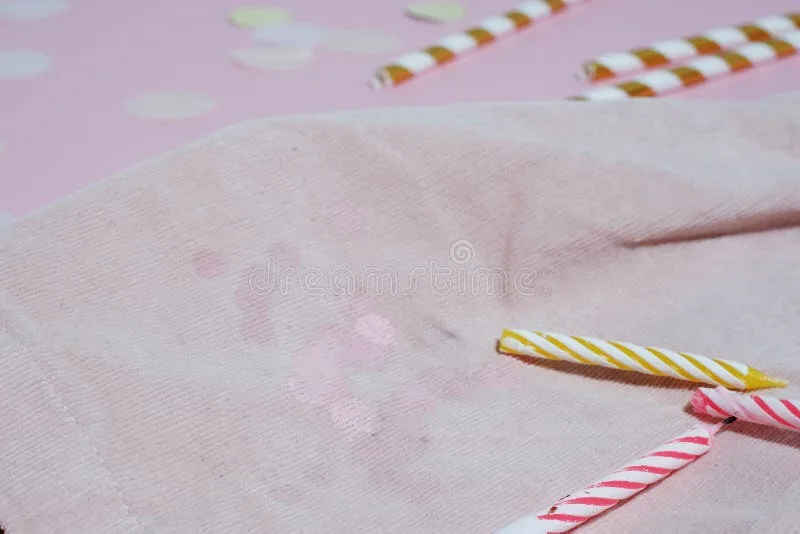
Image source: Bing (Web (fair-use with source credit))
Quick Answer
Let the wax harden completely. Scrape off the excess with a dull knife or credit card edge. Place a paper towel over the stain and press with a warm iron to melt and absorb the remaining wax.
Treat any leftover residue with dish soap or rubbing alcohol. Launder the fabric according to its care label, and air dry to confirm the stain is gone before using a dryer.
Identifying Your Fabric and Wax Type
Before you do anything, take ten seconds to look at the fabric care label and think about what kind of wax you're dealing with. These two details determine your entire approach.
Fabric type matters because heat tolerance varies wildly. Cotton and linen can handle a hot iron without blinking. Silk and wool need low heat or no direct heat at all. Synthetics like polyester and nylon can actually warp or melt if you go too hot.
If the care label says "dry clean only," that's your signal to stop and call a professional rather than experiment at home.
Wax type matters because composition affects how it behaves. Here's a quick breakdown:
| Wax Type | Common Source | Melting Point Range | Notes |
|---|---|---|---|
| Paraffin wax | Most candles | 46 to 68 degrees C (115 to 154 degrees F) | Most common, responds well to heat methods |
| Soy wax | Eco-friendly candles | 49 to 82 degrees C (120 to 179 degrees F) | Slightly higher melt point, same approach works |
| Beeswax | Natural candles, DIY projects | 62 to 65 degrees C (144 to 149 degrees F) | Harder when cool, may need more heat |
| Crayon wax | Children's crayons | Varies, typically 50 to 70 degrees C | Contains pigment that needs separate treatment |
| Gel wax | Decorative candles | Varies by formulation | Can leave oily residue after wax is removed |
If the wax is colored, you'll have a two-part problem: the wax itself and the dye or pigment left behind. Removing the wax is step one. Treating the color stain is step two, and it requires a different approach, which we'll cover later.
Choosing the Right Method Based on Fabric
This is where most people go wrong. They find one method online and apply it to everything. That works fine until they melt a synthetic scarf or scorch a wool sweater.
If your fabric is cotton, linen, or denim, you have the most options. These materials tolerate high heat well. The iron-and-paper-towel method is your best bet.
You can also use a hair dryer if you don't have an iron handy.
If your fabric is silk, wool, or rayon, you need to be cautious. Use the lowest heat setting on your iron, place a cloth barrier between the iron and the fabric, and keep the iron moving. Better yet, use a hair dryer on a low setting to gently melt the wax while blotting with a paper towel.
If the item is valuable or sentimental, skip the DIY approach and take it to a dry cleaner.
If your fabric is polyester, nylon, acetate, or another synthetic, keep the heat low. Synthetics can distort, shine, or even melt at temperatures that cotton handles easily. Use a hair dryer on medium-low or the freezer method described below.
Always test your heat source on an inconspicuous area first, like an inside seam.
If the care label says dry clean only, don't apply heat or water-based treatments at home. You risk shrinking, discoloration, or texture damage. A professional cleaner has solvents and techniques that won't harm delicate fibers.
For more on understanding fabric types and how they respond to cleaning methods, our guide on how to find grainline on fabric covers fiber identification basics that can help you make better decisions here.
Choosing the Right Method Based on Wax Type
The wax type changes your approach less than the fabric does, but there are a few things worth knowing.
Paraffin and soy wax are the easiest to remove. They respond predictably to heat and don't leave much residue once the bulk is lifted. The standard iron method works well for both.
Beeswax is stickier and harder at room temperature. You'll want to make sure it's fully hardened before scraping, and you may need to apply heat a bit longer to get it all out. If the beeswax has been on the fabric for a while, it can oxidize and leave a slight discoloration even after the wax is gone.
A gentle pretreatment with dish soap usually handles this.
Crayon wax is the trickiest because of the pigment. The wax itself comes out the same way as candle wax, but the color often remains. After you remove the bulk wax, you'll need to treat the remaining stain with rubbing alcohol or a commercial stain remover.
More on that in the colored wax section below.
Gel wax can leave an oily residue even after the solid part is removed. After the heat step, pretreat the area with dish soap, let it sit for ten minutes, and then launder as usual.
Safe, No-Damage First Response (Universal Steps)
No matter what fabric or wax you're dealing with, the first few steps are the same. Getting these right sets you up for success. Getting them wrong can make the stain permanent.
Step 1: Don't panic and don't rub. Rubbing pushes wax deeper into the fibers and spreads it over a larger area. It's the single most common mistake people make.
Step 2: Let the wax harden completely. If the wax is still soft and warm, put the fabric in the freezer for thirty to sixty minutes. Cold makes wax brittle, which means it's easier to remove in chunks rather than smearing it around.
Step 3: Scrape off the excess. Use a dull butter knife, the edge of a credit card, or your fingernail. Gently lift away as much hardened wax as you can without pressing it deeper into the fabric. Work from the outside of the stain toward the center to avoid spreading it.

Image source: Bing (Web (fair-use with source credit))
Step 4: Assess what's left. After scraping, you'll likely see a faint outline or greasy mark where the wax was. That's the residue you'll tackle next with heat, cold, or a cleaning solution, depending on your fabric type.
These four steps are your universal starting point. From here, you branch into the specific method that matches your situation.
Method 1: Using Heat and Paper Towel (For Cotton, Linen, Denim)
This is the most reliable method for sturdy natural fabrics. It works because heat re-liquefies the wax, and the paper towel wicks it away from the fabric fibers.
Place a clean white paper towel, brown paper bag, or a few layers of plain tissue paper over the wax stain. Put another layer underneath the fabric so the wax doesn't transfer to the other side. Set your iron to a medium setting, around 150 degrees C for cotton.
Press the iron onto the paper for a few seconds, then lift and check.
The wax will melt and soak into the paper. Move the paper to a clean spot and repeat until no more wax transfers. This usually takes three to five rounds.
Don't slide the iron around. Press and lift. Sliding pushes wax sideways into clean areas of the fabric.
Image source: Bing (Web (fair-use with source credit))
If you don't have an iron, a hair dryer on its highest setting works too. Hold it a few inches from the paper towel and blow hot air until the wax melts and absorbs. It just takes a bit longer.
Method 2: Using a Hair Dryer on Low Heat (For Delicate or Synthetic Fabrics)
When your fabric can't handle direct iron contact, the hair dryer method gives you more control. It's slower, but it's much safer for silk, wool, polyester, and blended fabrics.
Lay the fabric flat with a paper towel underneath the stained area. Set your hair dryer to low or medium heat. Hold it about four to six inches from the surface and aim at the wax stain.
As the wax begins to melt, blot the area gently with a clean paper towel on top.
Keep the hair dryer moving. Holding it in one spot too long can overheat synthetic fibers and cause them to warp or develop a shiny, flattened appearance. If you notice the fabric changing texture at all, stop immediately and let it cool.
This method works well for upholstery too, where you can't exactly run an iron over the surface. For more delicate fabric care situations, our article on can you use a fabric shaver on cashmere covers similar low-risk approaches to handling sensitive materials.
Method 3: Using the Freezer Method (When You Can't Use Heat Right Away)
The freezer method is your best option when you're dealing with a fabric that can't tolerate any heat, or when you're not sure what the fabric is and want to play it safe.
Put the stained item in a plastic bag and place it in the freezer for at least one hour. You want the wax to become completely brittle. Once it's frozen solid, take it out and flex the fabric.
Much of the wax will crack and fall off on its own.
For whatever remains, use your fingernail or a dull edge to flake it away. The frozen wax should come off in chips rather than smearing. This method won't remove every trace, especially if the wax has soaked deep into the fibers, but it gets rid of the bulk without any risk of heat damage.
After freezing and scraping, you'll still need to treat any remaining residue. Follow up with the dish soap or rubbing alcohol steps covered in the next section.
What to Do If Heat Didn't Work, Second Step: Cleaning Residue
Even after you've removed the bulk of the wax, there's usually a faint oily mark left behind. That's the residue that soaked into the fabric before you started. This step gets rid of it.
Mix a few drops of dish soap, something like Dawn, into a small amount of warm water. Apply it directly to the stained area and gently work it in with your fingers or a soft cloth. Let it sit for ten to fifteen minutes.
Dish soap is a degreaser, so it breaks down the waxy oils that heat alone can't fully remove.
For stubborn residue, dab the area with a cloth dampened with rubbing alcohol, 70% isopropyl. Test it on a hidden spot first to make sure it doesn't affect the fabric's color. Blot, don't rub.
You'll see the residue lift onto the cloth.
White vinegar is another option, especially for natural fabrics. Mix equal parts vinegar and water, apply it to the stain, and let it sit for five minutes before blotting clean. Vinegar helps break down both wax residue and any lingering dye.
Handling Colored Wax and Pigment Stains
Colored candle wax and crayons add a second layer of difficulty. You might remove every bit of wax and still see a bright red or blue mark staring back at you. That's the pigment, and it needs separate treatment.
Once the wax is gone, dampen a clean cloth with rubbing alcohol and blot the colored stain from the outside inward. The alcohol dissolves the dye without spreading it. Replace the cloth as it picks up color so you're not re-depositing pigment.
For crayon stains specifically, the American Cleaning Institute recommends pretreating with a liquid laundry detergent or a stain pretreatment spray before washing. Let it sit for at least fifteen minutes. Crayon pigment is stubborn, and a single pass often isn't enough.
Image source: Bing (Web (fair-use with source credit))
If the pigment persists after alcohol treatment, try a paste of baking soda and water. Apply it to the stain, let it dry completely, then brush it off and launder as usual. Baking soda acts as a gentle abrasive and can lift surface-level dye that solvents miss.
For set-in crayon stains that have been through the dryer, you may need a commercial stain remover like OxiClean. Follow the product instructions and soak the item before washing. Heat from a dryer bakes pigment into fibers, which is why checking the stain before drying is so important.
Laundering After Wax Removal
Once you've removed the bulk of the wax and treated any residue, it's time to wash the fabric. But don't just toss it in the machine and hope for the best. A few details matter here.
Pretreat the stained area with liquid laundry detergent. Rub it in gently and let it sit for at least ten minutes. This gives the surfactants time to break down any remaining waxy oils that heat and blotting didn't fully capture.
Wash the fabric according to its care label. Use the warmest water temperature the fabric can safely handle. Warm water helps dissolve residual wax better than cold.
For cotton and linen, warm or hot water is fine. For synthetics and delicates, stick to cool or warm.
Check the stain before you put anything in the dryer. If you can still see a mark, repeat the pretreatment and wash again. Dryer heat sets stains permanently.
Air dry the item instead, and inspect it once it's fully dry. If the stain is gone, you're clear to use the dryer as usual.
For items that have been through a wash cycle and still show faint discoloration, our guide on how to remove lint from clothes in washing machine covers some additional washing machine techniques that can help with stubborn residue.
What Not to Do, Common Mistakes That Ruining Fabrics
A few wrong moves can turn a fixable wax stain into a permanent problem. Here's what to avoid.
Don't rub the wax while it's soft. This pushes it deeper into the fibers and spreads the stain. Always let it harden first.
Don't use hot water on fresh wax. Water alone doesn't dissolve wax, and hot water can actually melt it further into the fabric. Remove the wax mechanically or with controlled heat before introducing water.
Don't put the fabric in the dryer until the stain is completely gone. Dryer heat bakes any remaining wax or pigment into the fabric. This is the number one reason wax stains become permanent.
Don't use high heat on synthetic fabrics. Polyester, nylon, and acetate can warp, shine, or melt at temperatures that cotton handles easily. Always match your heat level to the fabric.
Don't skip the residue step. Even after the visible wax is gone, oily residue remains. If you don't treat it, the area will attract dirt and discolor over time.
Don't use colored paper towels or printed paper bags. The ink can transfer to the fabric, especially when heated. Stick to plain white paper towels or unprinted brown kraft paper.
When to Seek Professional Help, Don't Risk It
Sometimes the smartest move is to hand it off to a professional. If the fabric is labeled dry clean only, take it to a cleaner. They have solvents and equipment that can remove wax without water or direct heat.
If the item is valuable, sentimental, or irreplaceable, a wedding dress or a vintage tablecloth for example, don't experiment. The cost of professional cleaning is far less than replacing a ruined garment.
If you've tried the home methods and the stain persists after two full attempts, a professional cleaner may have access to stronger solvents or specialized techniques. There's no shame in knowing when you've reached the limit of what home treatment can do.
For large spills on upholstery or carpet, professional cleaning services often have hot water extraction equipment that handles wax more effectively than home methods. Our article on how to remove mold from fabric furniture discusses similar scenarios where professional intervention is the safer choice for delicate or large-scale fabric issues.
Final Quick Decision Tree, Have This Ready Next Time
Here's a quick-reference flowchart you can bookmark for the next time wax hits fabric.
Is the wax still soft and warm? Let it harden. Put it in the freezer for 30 to 60 minutes if you're in a hurry.
What's the fabric? Cotton, linen, or denim: use the iron method. Silk, wool, or rayon: use a hair dryer on low. Polyester or nylon: use the freezer method or hair dryer on medium-low.
Dry clean only: call a professional.
Is the wax colored? Remove the wax first using the appropriate heat or cold method. Then treat the pigment stain with rubbing alcohol or a stain pretreatment product.
After wax removal, is there still an oily mark? Apply dish soap, let it sit for 10 minutes, then launder. For stubborn residue, use rubbing alcohol on a clean cloth.
Before drying, is the stain completely gone? If yes, dry as usual. If no, repeat treatment and air dry. Never machine dry until the stain is fully removed.
Frequently Asked Questions
Can you get wax out of fabric after it's been washed and dried?
It's much harder but not always impossible. The heat from the dryer sets the wax and any pigment deep into the fibers. Try soaking the area in warm water with dish soap for 30 minutes, then apply rubbing alcohol to the stain.
Launder again and air dry. You may need to repeat the process several times.
Does vinegar remove wax from fabric?
White vinegar helps break down waxy residue after the bulk of the wax has been removed. It won't melt or dissolve solid wax on its own. Use it as a follow-up treatment after the heat or cold removal step, not as a primary method.
How do you get candle wax out of a couch or upholstery?
Use the freezer method to harden the wax, then scrape off what you can. Follow up with a hair dryer on low heat and blot with a clean cloth. For large or deep stains, a professional upholstery cleaner with hot water extraction equipment is the safest option.
Can you use a hair dryer instead of an iron to remove wax?
Yes. A hair dryer works well, especially for delicate or synthetic fabrics where direct iron contact is risky. It takes longer than an iron because the heat is less concentrated, but it gives you more control and reduces the risk of fabric damage.
What temperature should the iron be set to for removing wax?
For cotton and linen, a medium setting around 150 degrees C works well. For more delicate natural fabrics, use the lowest heat setting and place a cotton cloth between the iron and the fabric. For synthetics, avoid the iron entirely and use a hair dryer instead.
Will Goo Gone or similar products remove wax from fabric?
Products like Goo Gone can help dissolve waxy residue after the bulk of the wax has been removed. They're not a substitute for the heat or cold removal step. Apply a small amount to the residue, let it sit for a few minutes, blot clean, and then launder the fabric.