How to Repair Car Headliner Fabric for 2026: Easy Methods
If you've ever looked up and noticed your car's ceiling fabric sagging, bubbling, or peeling away, you're not alone. Learning how to repair car headliner fabric is one of those DIY jobs that looks intimidating but is totally doable with the right approach. The trick is understanding how the fabric bonds, stretches, and holds its shape over curved surfaces.
Most headliners use a polyester-bonded foam backing glued to a fiberglass or composite panel. Over time, heat and humidity break down that adhesive bond, usually starting at the edges and working inward. According to SAE International standard J2364, automotive interior trim materials must withstand temperature swings from -40°F to 176°F without delaminating.
When yours fails, it's almost always the glue, not the fabric itself. That's actually good news, because it means you can fix it without replacing the entire panel.
Image source: Bing (Web (fair-use with source credit))
Quick Answer
You can repair car headliner fabric by removing the panel, scraping off old adhesive, applying fresh spray adhesive, and pressing the fabric back into place. The key steps are cleaning the surface, matching the fabric grain direction, and working in a well-ventilated area. Most repairs take 2 to 5 hours and cost under $50 in materials.
Let the adhesive cure for 24 hours before reassembling trim pieces.
Why Does Your Headliner Sag, Bubble, or Peel
The number one culprit is heat. Your car's interior can hit 150°F or more on a sunny day, and that repeated baking slowly destroys the urethane foam that bonds fabric to the panel. Humidity speeds things up too, especially if you live somewhere with big temperature swings between seasons.
Once that foam layer starts to separate, gravity does the rest. The fabric droops, usually beginning at the edges near the windshield or rear window where heat exposure is highest. You'll see bubbles first, then full sections hanging loose.
If you catch it early, a simple reglue job fixes everything. Wait too long and the foam itself crumbles, which means you'll need to replace the fabric entirely.
Age matters here. Most factory headliners start showing issues after 8 to 12 years. Vehicles parked outdoors in hot climates can see problems in as little as 5 years.
Classic cars and older models are especially vulnerable because the original adhesives weren't formulated for modern heat levels.
Understanding Fabric Headliner Mechanics
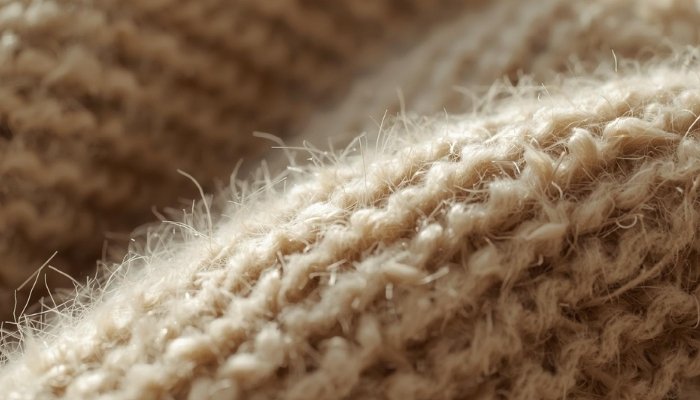
A headliner isn't just fabric glued to a board. It's a sandwich: the rigid panel (usually fiberglass or pressed board), a layer of urethane foam, and the finished fabric on top. The foam is what gives it that soft, padded feel, and it's also what fails over time.
When you repair it, you're essentially re-bonding that foam layer to either the panel or the fabric, depending on what separated. The fabric itself, typically a polyester knit or velour, is surprisingly durable. It's rare for the material to tear or wear through on its own.
Image source: Bing (Web (fair-use with source credit))
One thing that trips people up is grain direction. Headliner fabric has a visible grain, much like upholstery or clothing fabric. If you've ever read our guide on how to find grainline on fabric, you already know how important orientation is.
When reattaching headliner material, the grain needs to run front to back on the vehicle. Get it sideways and you'll see wrinkles that no amount of stretching will fix.
Curved surfaces add another challenge. Most headliners aren't flat. They have subtle contours around the dome light, visors, and edges.
The fabric needs to stretch and conform to those curves without bunching. That's why technique matters as much as materials.
What You'll Actually Use: Tools, Materials, and Test Patches
You don't need a garage full of specialty equipment. Most of what you'll use is available at any auto parts store or hardware shop. Here's the breakdown.
Adhesive: This is the most important choice. You want a high-temperature spray adhesive rated for automotive interiors. 3M Super 77 and Loctite Spray Adhesive are two common options. Avoid household glues or craft sprays.
They can't handle the heat and will fail again within months.
Fabric: If you're patching a small section, you can sometimes reuse the original fabric by trimming the damaged part. For larger repairs, headliner fabric by the yard runs about $15 to $30. Look for polyester knit with a thin foam backing.
Matching the color and texture to your original matters if you care about a seamless look.
Tools you'll need:
- Flathead screwdriver and trim removal tools
- Wire brush or coarse sandpaper for old adhesive removal
- Utility knife with fresh blades
- Clean rags and isopropyl alcohol
- Painter's tape for masking
- Clamps or weights for holding edges during curing
Test patches: Before committing to the full repair, spray a small amount of adhesive on a scrap piece of fabric and the panel. Check for discoloration, proper bonding, and drying time. This 10-minute test saves hours of rework.
Image source: Bing (Web (Web (fair-use with source credit))
One thing worth mentioning: if you're dealing with a suede or Alcantara-style headliner, the approach is slightly different. Those materials are less forgiving with adhesives and may require specific low-residue formulas. Always check the manufacturer's technical data sheet for compatibility before spraying anything on a visible surface.
Is This Worth Your Time?
Let's be honest about what you're getting into. A headliner repair isn't a 30-minute job, and it does require some patience. But compared to the alternative, it's a solid use of an afternoon.
What you gain:
- Save 50 to 70 percent over a professional replacement, which typically runs $400 to $1,200
- Keep your car's original interior intact, which matters for resale and classic vehicles
- Fix it on your own schedule without waiting for a shop appointment
- Learn a skill that transfers to other upholstery projects
What you're signing up for:
- You'll need a clean, dust-free workspace, which means a garage or covered area
- Adhesive fumes are real. Ventilation and a proper mask aren't optional
- Curing takes 24 to 72 hours depending on temperature and humidity
- If the foam backing is completely gone, you'll need new fabric, not just glue
For most people with a sedan or SUV and basic DIY confidence, this is absolutely worth doing yourself. The only scenario where I'd say skip it is if your headliner panel itself is cracked or warped. In that case, you need a new panel, not a repair.
Visual-Heavy Workflow: Move, Align, Bond, Cure
This is where the repair actually happens. Take your time here. Rushing is the number one reason repairs fail.
Step 1: Remove the headliner panel
Start by taking out every component attached to the panel. That means visors, dome lights, grab handles, trim pieces, and any clips or screws. Photograph everything before you disconnect it.
You'll thank yourself during reassembly. Most panels are held by a combination of screws, spring clips, and friction fits. Work the panel out through the trunk or a door opening.
Don't force it. If something's still attached, find the hidden screw you missed.
Step 2: Strip the old adhesive
Lay the panel flat on a clean surface. Scrape off the old foam and adhesive using a wire brush or plastic scraper. You don't need to get it perfectly clean, but remove anything loose or flaky.
Wipe the surface with isopropyl alcohol to remove residue. Let it dry completely before moving on.
Step 3: Prepare the fabric
If you're reusing the original fabric, trim any frayed edges with a sharp utility knife. If you're using new material, cut it to size with at least 2 inches of overlap on all sides. Remember the grain direction.
Front to back on the vehicle, no exceptions.
Step 4: Apply adhesive
Work in a well-ventilated area and wear your mask. Spray a thin, even coat on both the panel and the fabric backing. Wait 2 to 3 minutes until the adhesive becomes tacky to the touch.
Don't spray too thick. Multiple thin coats beat one heavy application every time.
Step 5: Bond the fabric
Starting from the center and working outward, press the fabric onto the panel. Use a roller or your hands to smooth out air bubbles as you go. Pull the fabric gently to maintain tension, especially over curved sections.
This is where having a second person helps. One person holds tension while the other smooths.
Image source: Bing (Web (fair-use with source credit))
Step 6: Trim and finish
Once the fabric is bonded and smooth, trim the excess with a utility knife. Leave about a half-inch of overhang that you can tuck around the edges. Use clamps or weights along the edges to maintain pressure while the adhesive cures.
Step 7: Cure and reinstall
Let the panel sit for at least 24 hours in a warm, dry space. Don't rush this. Once it's fully cured, reinstall everything in reverse order.
Double-check that all electrical connections for dome lights and sensors are secure before snapping the trim back into place.
If you're working on something like an RV or boat interior, the process is similar but the materials may differ. Our guide on how to change RV awning fabric covers some of those outdoor-specific considerations if you want to compare approaches.