How to Remove Fabric Glue From Clothes in 2026 (Quick Guide)
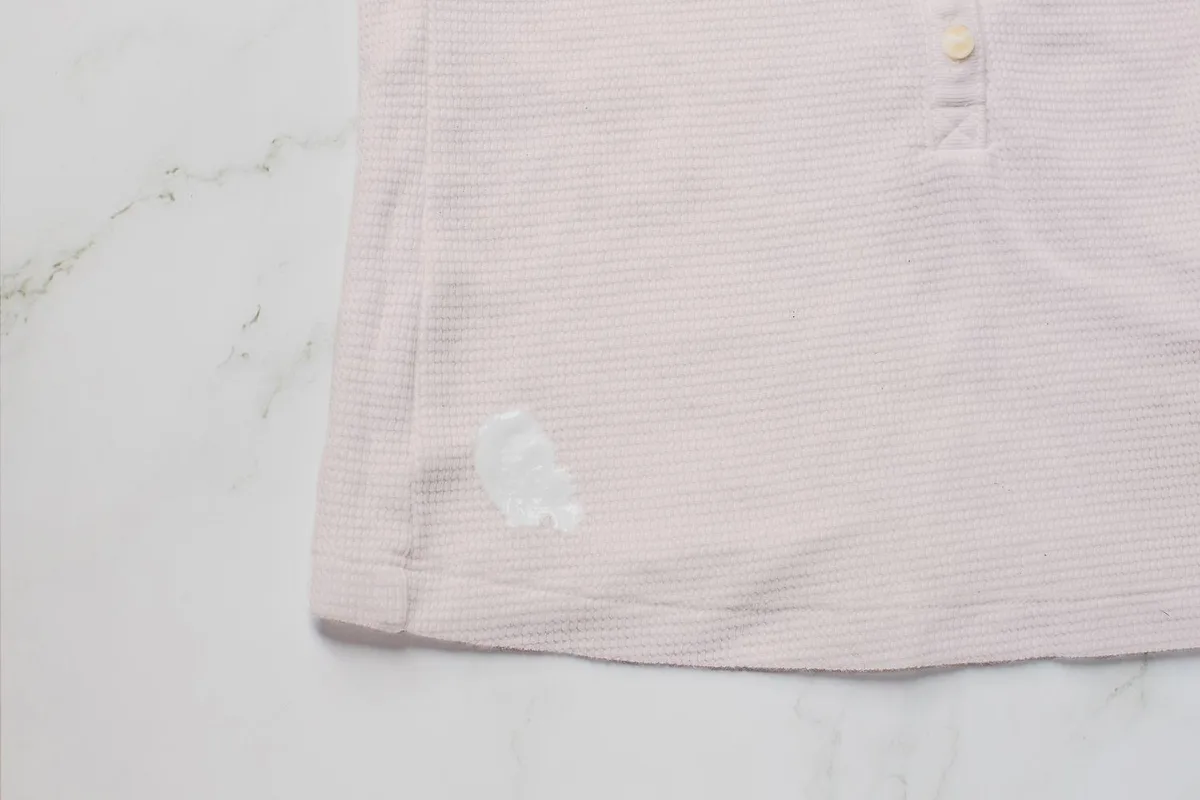
Image source: Bing (Web (fair-use with source credit))
You've just finished a craft project and noticed a smear of fabric glue across your favorite shirt. Or maybe your kid came home with dried adhesive on their school uniform. Don't panic.
Learning how to remove fabric glue from clothes is straightforward once you know what you're dealing with.
The method that works best depends on two things: the type of glue and the fabric it's bonded to. Get those right, and you'll save the garment. Get them wrong, and you could set the stain permanently or damage the material.
As of 2026, most fabric glues fall into water-based or cyanoacrylate categories, and the removal approach changes significantly between them. Let's walk through exactly how to handle this, step by step.
Quick Answer
Identify the glue type first. For fresh, water-based fabric glue, blot with warm soapy water and launder. For dried fabric glue, apply rubbing alcohol or acetone (on sturdy fabrics only) and gently scrape.
Always test your solvent on a hidden area before treating the visible stain. Delicate fabrics like silk and wool need professional cleaning.
What Makes Fabric Glue So Hard to Remove From Clothes
Fabric glue is designed to bond permanently to textile fibers. That's the whole point. Products like Aleene's Fabric Fusion and Beacon Fabri-Tac create flexible, wash-resistant bonds that survive regular laundering.
When that adhesive ends up where it shouldn't, it's not coming off with a quick rinse.
The difficulty comes down to chemistry. Water-based fabric glues penetrate fiber gaps and cure by evaporation, essentially becoming part of the fabric structure. Cyanoacrylate glues (super glue) polymerize on contact with moisture, forming rigid plastic-like bonds.
Either type resists simple washing.
Fabric weave matters too. Loosely woven cotton gives glue more surface area to grip. Tight weaves like polyester shed adhesive more easily.
Delicate fibers like silk can't tolerate the agitation or solvents needed for removal, which is why identifying your material is step one. If you're unsure how to read your fabric's properties, our guide on how to find grainline on fabric covers fiber identification basics that apply here as well.
How Fabric Glue Bonds to Fabric (And Why That Matters)
Understanding the bond helps you break it. Water-based fabric glues work by soaking into fibers and forming a flexible film as the water evaporates. The glue essentially becomes a thin layer of plastic woven through the textile.
Heat and time strengthen this bond, which is why fresh spills are far easier to treat than ones that have dried for days.
Super glue reacts with trace moisture in the air and fabric, creating long polymer chains that lock onto fiber surfaces. This reaction happens fast, sometimes in under a minute. Once cured, super glue is essentially a solid plastic bonded at the molecular level.
The practical takeaway: fresh glue means you're fighting evaporation. Dried glue means you're fighting a chemical bond. Your tools and approach change accordingly.
Step-by-Step: How to Remove Fresh Fabric Glue From Clothes
Fresh glue is your best-case scenario. Act fast and you'll likely remove it completely.
What you'll need:
- Clean white cloth or paper towels
- Warm water
- Mild dish soap
- Dull knife or spoon
- Cotton swabs
Steps:
Blot, don't rub. Press a clean cloth onto the wet glue to absorb as much as possible. Rubbing pushes adhesive deeper into fibers.
Scrape gently. Use the edge of a dull knife or spoon to lift any thick beads of glue. Work from the outside of the stain inward to avoid spreading.
Apply warm soapy water. Mix a few drops of dish soap into warm water. Dab the area with a cloth soaked in the solution. Let it sit for 5 minutes.
Blot again. Use a fresh cloth to lift the softened glue. Repeat until no more adhesive transfers.
Rinse with cold water. Flush the area thoroughly to remove soap residue.
Launder as usual. Wash the garment according to its care label. Air-dry and inspect before using a dryer, since heat can set any remaining residue.
This method works for water-based fabric glues like Aleene's Fabric Fusion and most craft glues. If the glue is still tacky, you're in the right window. For adhesive that's already dried, move to the next section.
Step-by-Step: How to Remove Dried or Set Fabric Glue
Dried glue requires solvents to break down the cured adhesive. The key is matching the solvent to both the glue type and the fabric.
What you'll need:
- Rubbing alcohol (isopropyl alcohol, 70% or higher) or acetone (for sturdy fabrics only)
- Cotton swabs or clean white cloth
- Dull knife or plastic scraper
- Warm water
- Mild detergent
Steps:
Identify your fabric. Check the care label. Cotton, denim, and polyester tolerate solvents well. Silk, wool, rayon, and acetate do not. If your garment is delicate, skip to the professional cleaning section below.
Test the solvent. Apply a small amount of rubbing alcohol to an inconspicuous area, like an inside seam. Wait 2 minutes. If there's no discoloration or texture change, proceed.
Apply solvent to the stain. Soak a cotton swab in rubbing alcohol and dab it onto the dried glue. Let it sit for 5 to 10 minutes. The solvent softens the adhesive by breaking polymer bonds.
Gently scrape. Use a dull knife to lift the softened glue. Work slowly. Don't force it, or you'll damage fibers.
Repeat as needed. Stubborn spots may need two or three applications. Reapply solvent, wait, and scrape again.
Rinse and launder. Flush the area with cold water, then wash normally.
For super glue specifically, acetone is more effective than alcohol. But acetone dissolves acetate fabrics and can damage silk and wool. Use it only on cotton, denim, or polyester, and always test first.
If you're dealing with adhesive on upholstery rather than clothing, our article on how to remove mold from fabric furniture covers solvent safety on household textiles that applies here too.
Solvent Quick-Reference Table
| Solvent | Best For | Avoid On |
|---|---|---|
| Rubbing alcohol (70%+) | Water-based fabric glue, most craft glues | Silk, wool, rayon |
| Acetone (90%+) | Super glue, epoxy | Acetate, silk, wool, spandex |
| White vinegar | Mild adhesive residue, fresh glue | Delicate fabrics (test first) |
| Commercial adhesive remover (Goo Gone, Uni Solve) | Stubborn cured glue | Unwashed or untreated fabrics (test first) |
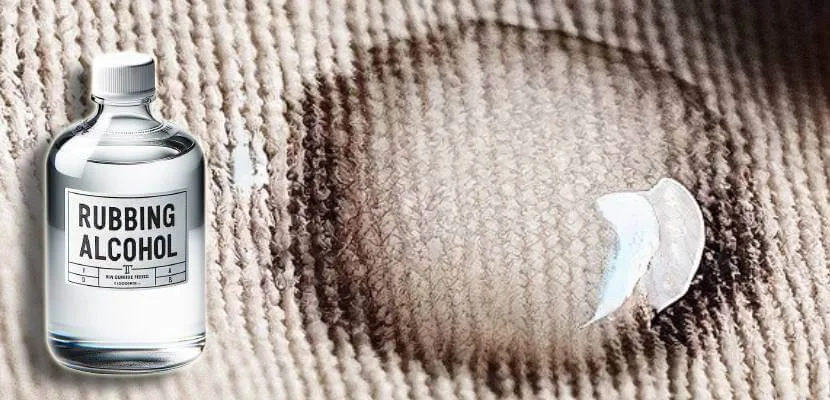
Image source: Bing (Web (fair-use with source credit))
What to Do If It's Super Glue Instead of Fabric Glue
Super glue (cyanoacrylate) bonds differently than fabric glue, and it sets in seconds. If you're dealing with super glue on clothes, speed matters even more.
For fresh super glue (under 1 minute old):
- Don't press the fabric together. Separate the layers immediately.
- Soak the area in warm, soapy water for 15 minutes.
- Gently peel or roll the glue off with your fingers.
For cured super glue:
- Apply acetone with a cotton swab (sturdy fabrics only).
- Let it sit 10 to 15 minutes.
- Gently scrape with a plastic edge.
- Rinse thoroughly and launder.
Important: Never use acetone on acetate, triacetate, or modacrylic fabrics. It will dissolve the fibers. If you're unsure what your garment is made of, check the fiber content label or take it to a professional.
Safe Solvents That Work (And Ones That Can Ruin Your Fabric)
Not all solvents are created equal, and the wrong one can do more damage than the glue itself. Here's what actually works and what to avoid.
Rubbing alcohol (isopropyl alcohol) is the safest starting point for most water-based fabric glues. At 70% concentration or higher, it breaks down cured adhesive without harming cotton, polyester, or denim. It evaporates quickly, so you'll need to reapply during treatment.
Acetone is the heavy hitter. It dissolves cyanoacrylate and epoxy bonds that alcohol can't touch. But it's aggressive.
Acetone melts acetate fabrics on contact and strips dye from many colored garments. Use it only on white or colorfast cotton and denim, and always test first.
White vinegar works for mild, fresh adhesive residue. It's gentle enough for most fabrics but won't touch fully cured glue. Think of it as a pre-treatment, not a primary solvent.
Commercial adhesive removers like Goo Gone and Uni Solve are formulated for cured adhesives. They're effective on fabric glue but can leave an oily residue that needs thorough washing. Check the label for fabric compatibility before applying.
What to avoid:
- Bleach (weakens fibers and causes yellowing)
- Hydrogen peroxide on colored fabrics (strips dye)
- Nail polish remover with added oils or fragrances (leaves residue)
- Mixing solvents (creates toxic fumes and unpredictable reactions)
Work in a ventilated area with any solvent. Wear gloves if you have sensitive skin. And never use a heat gun or hair dryer to speed evaporation, since heat can set adhesive stains permanently.
Common Mistakes That Make Fabric Glue Stains Worse
Most fabric glue disasters get worse before they get better, and it's usually because of a well-intentioned mistake. Here are the ones we see most often.
Rubbing instead of blotting. When you see wet glue, your instinct is to scrub. That pushes adhesive deeper into the fiber weave and spreads the stain outward. Always blot with a clean cloth, pressing straight down.
Using hot heat to dry the area. Heat accelerates the cure process for most adhesives. If you blow-dry or iron over a glue spot before treating it, you're essentially baking the adhesive into the fabric. Let treated areas air-dry and inspect before applying any heat.
Skipping the solvent test. Applying acetone to an acetate blouse because "it worked on my jeans" is a fast way to destroy a garment. Fiber content varies wildly, even within the same brand. Test every time.
Over-scrubbing delicate fabrics. Silk and wool fibers weaken when agitated. If you're working with a delicate material, gentle dabbing is your only option. Scraping or vigorous rubbing will cause pilling, snags, or holes.
Assuming all glue is the same. Treating super glue like fabric glue (or vice versa) wastes time and can set the stain. Identify the adhesive first, then choose your solvent.
Not rinsing between applications. If you apply solvent, scrape, and immediately apply more solvent without rinsing, you're re-depositing dissolved glue back into the fabric. Rinse with cold water between each treatment cycle.
When to Use Freezing, Scraping, or Soaking Methods
Some glues respond better to physical removal than chemical solvents. Knowing when to freeze, scrape, or soak saves you time and protects your fabric.
Freezing works best for hot glue and thick adhesive blobs. Place the garment in a plastic bag and put it in the freezer for 2 to 3 hours. The cold makes brittle adhesives rigid and easy to crack off. Once frozen, peel or flex the fabric to pop the glue away.
This method is safe for almost any fabric since you're not introducing chemicals.
Scraping is your go-to for surface-level dried glue. Use a dull knife, plastic scraper, or even a credit card edge. Work at a low angle, almost parallel to the fabric, to avoid cutting fibers. Scraping works well on denim, canvas, and other sturdy weaves.
Skip it on anything delicate.
Soaking is ideal for water-based glues on washable fabrics. Submerge the garment in warm water with a tablespoon of dish soap for 30 to 60 minutes. The water reactivates the adhesive's water-soluble components. After soaking, gently rub the area between your fingers to loosen the glue, then launder as normal.
Choosing the right method:
| Method | Best For | Avoid On |
|---|---|---|
| Freezing | Hot glue, thick blobs, any fabric | Glue that has soaked deeply into fibers |
| Scraping | Surface dried glue on sturdy fabrics | Silk, wool, knits, delicate weaves |
| Soaking | Water-based glue on washable fabrics | Dry-clean-only garments, non-colorfast dyes |
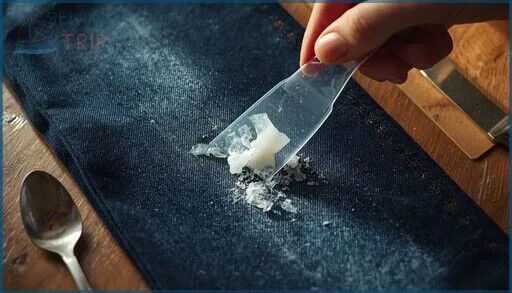
Image source: Bing (Web (fair-use with source credit))
Fabric-Specific Tips: Silk, Denim, Cotton, and Delicate Materials
Your fabric type dictates your entire approach. What works on a cotton t-shirt will destroy a silk blouse.
Cotton is the most forgiving. It tolerates rubbing alcohol, acetone (on white or colorfast items), and mechanical scraping. Soak first, then treat with solvent if needed.
Cotton can handle multiple treatment rounds without visible damage.
Denim is tough but not indestructible. The thick weave resists scraping, but indigo dye can bleed when exposed to solvents. Test acetone on an inside hem first.
Freezing works well on denim since the fabric flexes easily once the glue is brittle.
Polyester handles alcohol-based solvents well but can melt or warp under acetone. Stick with rubbing alcohol and avoid heat during treatment. Polyester's tight weave means glue sits on the surface more than it penetrates, which actually makes removal easier.
Silk is the hardest to treat. Most solvents strip silk's natural proteins and cause water spots. If you get glue on silk, your safest option is a professional dry cleaner.
If you must treat it at home, dab gently with a barely damp cloth and nothing stronger than diluted white vinegar.
Wool felts when agitated, so no rubbing or scraping. Blot only. A mild soap and cool water solution is your limit.
For anything beyond surface residue, take it to a professional.
Rayon and acetate are solvent-sensitive. Acetone dissolves acetate completely. Rayon weakens when wet.
Both require professional cleaning for anything beyond fresh, water-based glue.
Blended fabrics should be treated according to the most delicate fiber in the mix. A 60/40 cotton-polyester blend can handle alcohol. A 50/50 silk-cotton blend should be treated like silk.
How to Test a Solvent Without Damaging Your Garment
Testing takes 2 minutes and can save you from ruining a garment. Never skip it.
Pick the right spot. Look for an inside seam allowance, the underside of a hem, or an interior facing. These areas are hidden during normal wear and use the same fabric and dye as the visible sections.
Apply a small amount. Dab a cotton swab with your chosen solvent and press it against the test area. You don't need to soak it. A light application is enough to reveal any reaction.
Wait 2 to 3 minutes. Some reactions are immediate. Others take a moment. Watch for color change, texture stiffening, fiber distortion, or dye transfer onto the swab.
Check under good light. Hold the test area under a bright lamp or near a window. Subtle color shifts are easy to miss in dim lighting.
If the test passes, proceed with treatment on the visible stain. If you notice any change, stop. Try a milder solvent or take the garment to a professional.
If you can't find a hidden test area, that's a red flag. It means the entire garment is visible when worn, and any mistake will show. In that case, professional cleaning is the safer call.
Image source: Openverse / Uniflair Inc., American
When to Call a Professional (And When to Toss the Item)
Sometimes the smartest move is to hand it off. If the garment is expensive, sentimental, or made from a delicate fabric like silk or wool, a professional dry cleaner has solvents and equipment you don't. They can also assess whether the glue has chemically bonded beyond recovery.
Call a professional if the stain covers a large area, if you've already tried a solvent and it didn't work, or if the care label says "dry clean only." Trying aggressive home methods on dry-clean-only garments often causes more damage than the glue itself.
As for tossing it, that's usually a last resort. But if the glue has fully cured into a delicate fabric and solvents have failed, the garment may not be salvageable. A small glue spot on an old t-shirt might be worth living with.
A hardened patch on a silk dress probably isn't worth the risk of further damage.
FAQs: Your Top Questions Answered
Does vinegar remove fabric glue from clothes?
White vinegar can loosen fresh, water-based fabric glue but won't touch fully cured adhesive. Dab it on, wait 10 minutes, then blot. It's a mild option for delicate fabrics where alcohol is too harsh.
Can I use nail polish remover instead of pure acetone?
Yes, but check the label. Plain acetone nail polish remover works. Products with added oils, fragrances, or moisturizers leave residue on fabric.
Always rinse thoroughly after application.
How long does it take to remove dried fabric glue?
Expect 15 to 30 minutes of active treatment for a small stain. Larger or older spots may need multiple sessions over a day or two. Patience matters more than speed.
Will a washing machine remove fabric glue on its own?
No. Laundry detergent and water won't break down cured adhesive. You need to pre-treat with a solvent first, then launder to remove residue.
Skipping the pre-treatment step just wastes a wash cycle.
Is Goo Gone safe on all fabrics?
Goo Gone is effective on most sturdy fabrics but can leave an oily residue. Always wash the treated area afterward. Test on a hidden spot first, especially on synthetic or delicate materials.
Final Decision Guide: Pick the Right Method for Your Situation
Here's a quick flow to match your situation to the right approach.
Fresh water-based glue on cotton or polyester: Blot, scrape gently, apply warm soapy water, and launder. You'll likely remove it completely.
Dried water-based glue on sturdy fabric: Apply rubbing alcohol, wait 10 minutes, scrape, and repeat. Rinse between cycles.
Super glue on cotton or denim: Use acetone (test first), wait 10 to 15 minutes, then scrape. Rinse thoroughly.
Hot glue on any fabric: Freeze for 2 to 3 hours, then peel or flex the glue off.
Glue on silk, wool, or dry-clean-only garments: Take it to a professional. Home solvents risk permanent damage.
Large or old stain on a valuable garment: Skip the DIY attempt. A dry cleaner has industrial solvents and experience with adhesive removal that home methods can't match.
The common thread across every scenario: identify the glue, identify the fabric, test your solvent, and work patiently. Rushing leads to mistakes, and mistakes on fabric are usually permanent.