How to Remove Sticker Residue From Fabric 2026
You know that moment when you peel a price tag off a brand-new shirt and it leaves behind a gummy, cloudy patch that won't budge? Figuring out how to remove sticker residue from fabric without ruining the material is one of those small problems that can turn into a big headache fast. The wrong approach can spread the adhesive, discolor the fiber, or even dissolve certain synthetics.
The good news is that most sticker residue comes off with things you already have at home. The key is matching the method to your fabric type and the adhesive involved. In our research, we found that starting with the gentlest option and escalating only when needed is the approach recommended by textile care specialists.
As of 2026, the American Cleaning Institute still advises spot-testing any solvent on a hidden area before treating the visible stain.
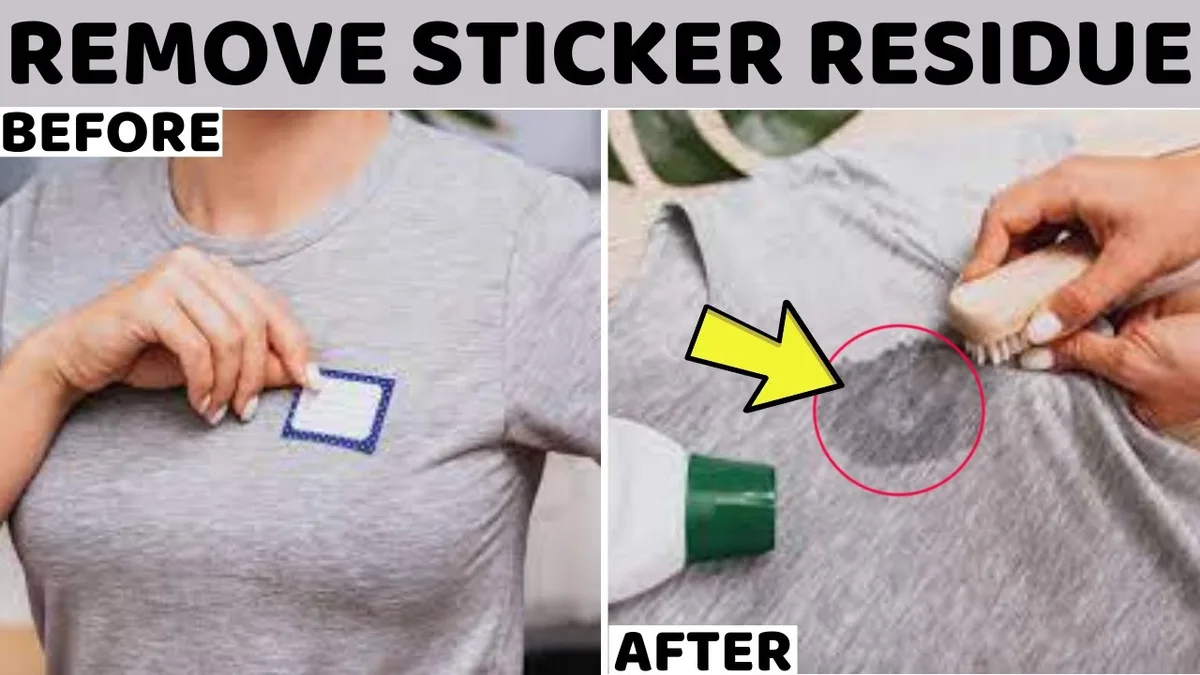
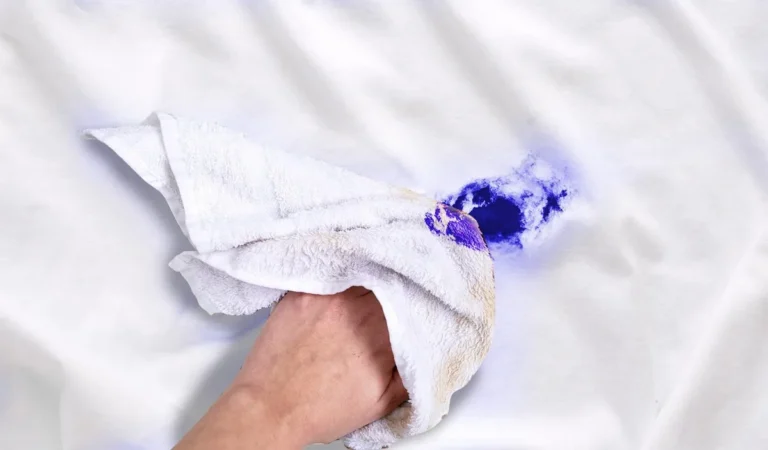
Image source: Bing (Web (fair-use with source credit))
Quick Answer: The Fastest Way to Remove Sticker Residue From Fabric
How to remove sticker residue from fabric starts with identifying your fabric type. For most cotton and polyester blends, dab the residue with a cotton ball soaked in 70% isopropyl alcohol. Let it sit for 3 to 5 minutes.
Gently scrape the loosened adhesive with a plastic edge or your fingernail. Wash the fabric normally. For delicate fabrics like silk or wool, use coconut or olive oil instead, then launder with dish soap to cut the grease.
Why Sticker Residue on Fabric Is Harder Than You Think
Sticker residue isn't just sticky stuff sitting on top of your fabric. Pressure-sensitive adhesives, the kind used on most retail labels and price tags, are designed to bond at a molecular level with surfaces. When you peel the sticker away, the adhesive layer often separates from the paper but stays behind on the fibers.
The difficulty comes from three variables working against you. First, the adhesive type matters. Rubber-based adhesives (common on shipping labels) respond well to oils.
Acrylic-based adhesives (common on retail price tags) need solvents like alcohol or acetone. Second, fabric weave plays a role. Tight weaves like cotton twill release residue more easily than loose knits where adhesive works its way between yarns.
Third, time is a factor. Fresh residue comes off in minutes. Residue that's been heat-set through a dryer cycle can take multiple treatment rounds.
This is why a one-size-fits-all answer doesn't work. The method that cleans your denim jacket could destroy a silk blouse.
The 4 Variables That Determine Which Method You Should Use
Before you grab anything from under the sink, take thirty seconds to assess these four things. They'll tell you exactly which method to reach for and which ones to avoid.
1. Fabric type. Check the care label. Cotton, denim, and polyester are sturdy and can handle most solvents.
Silk, wool, rayon, and acetate are delicate and need gentler treatment. If the label says "dry clean only," stop here and take it to a professional.
2. Adhesive age. Residue that's less than 24 hours old is still soft and responsive. Residue that's been washed and dried, or that's been sitting for weeks, has cured and bonded more tightly to the fibers.
3. Residue thickness. A thin hazy film is easier to dissolve than a thick, gummy buildup. Thick residue may need longer dwell time or multiple applications.
4. Colorfastness. Dark or brightly colored fabrics can bleed or fade when exposed to solvents. Always spot-test on an inside seam or hem before treating the visible area.
Here's a quick reference table to help you decide:
| Variable | Gentle Method (Oil) | Moderate Method (Alcohol/Vinegar) | Strong Method (Acetone/Commercial) |
|---|---|---|---|
| Best fabric types | Silk, wool, rayon, delicate knits | Cotton, polyester, denim, blends | Sturdy cotton, denim only |
| Fresh residue (under 24 hrs) | Works well | Works well | Usually unnecessary |
| Set-in residue (days/weeks) | May need multiple rounds | Effective with dwell time | Most effective |
| Thick buildup | Slow, may need repetition | Moderate effectiveness | Best results |
| Dark/colored fabrics | Safest option | Spot-test first | High risk of fading |
The Gentle Method: Oil-Based Removal for Delicate and Everyday Fabrics
If you're working with anything delicate, or if you'd rather start with the least aggressive approach, oil is your best first move. Oils work by penetrating the adhesive layer and breaking its bond with the fabric fibers. It's the same principle behind using peanut butter to remove gum from hair.
Coconut oil, olive oil, baby oil, and even the oily part of peanut butter all work. Coconut oil is a popular choice because it's solid at room temperature, so it stays put on vertical surfaces like upholstery.
Here's the process:
- Scoop a small amount of coconut oil (or your oil of choice) and spread it directly over the residue. Cover the entire sticky patch with a thin, even layer.
- Let it sit for 10 to 15 minutes. For thick or old residue, give it up to 30 minutes. The oil needs time to penetrate the adhesive.
- Use a soft cloth, your fingernail, or a plastic scraper to gently lift the residue. It should roll or flake away. If it's still stubborn, apply more oil and wait another 10 minutes.
- Once the residue is gone, you need to wash the oil out. Apply a few drops of dish soap (Dawn works well) directly to the area and work it in with your fingers. Dish soap is a degreaser, so it'll cut through the oil.
- Launder the fabric in the warmest water safe for that material. Check the area before putting it in the dryer. Any remaining oil or adhesive can set permanently with heat.
This method is safe for silk, wool, and most synthetic blends. It's also the best starting point for any fabric when you're unsure what adhesive you're dealing with. The downside is that it's slower than solvent-based methods, and you need to be thorough with the dish soap step or you'll be left with an oil stain where the sticky one used to be.
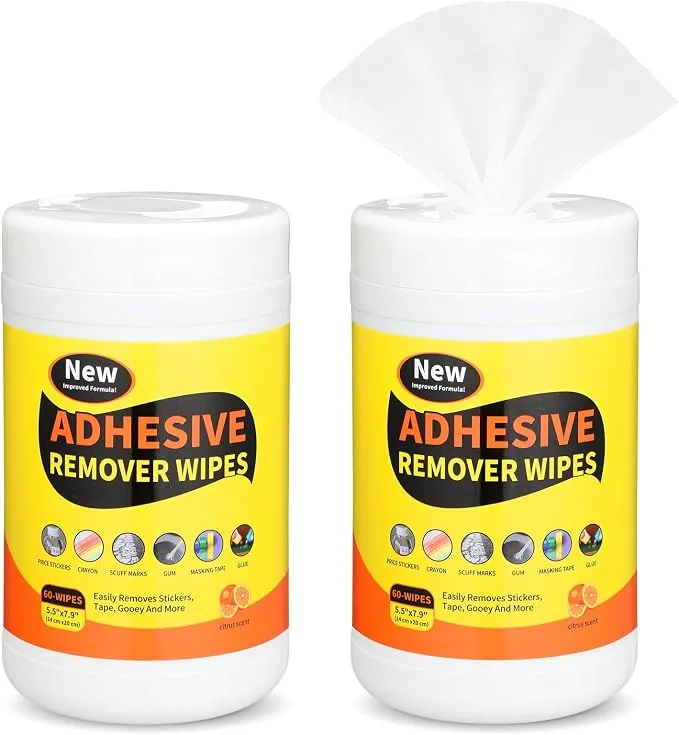
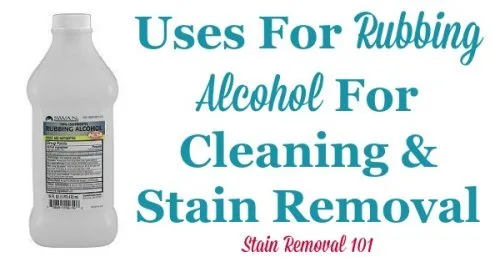
Image source: Bing (Web (fair-use with source credit))
The Solvent Method: Rubbing Alcohol and Vinegar for Stubborn Residue
When oil isn't cutting it, or you're dealing with a sturdy fabric like cotton or denim, solvents are the next step up. Isopropyl alcohol (rubbing alcohol) and white vinegar both break down adhesive bonds without the risks that come with acetone.
Isopropyl alcohol at 70% concentration is widely available and effective against most pressure-sensitive adhesives. White vinegar is milder and better suited for fabrics that might react to alcohol, though it works more slowly.
Here's how to use rubbing alcohol:
- Spot-test on a hidden seam. Wait 2 minutes and check for discoloration or texture change.
- Soak a cotton ball or pad with isopropyl alcohol and press it onto the residue. Don't rub aggressively. Let the alcohol saturate the adhesive.
- Wait 3 to 5 minutes. You'll notice the residue starting to dissolve or lift at the edges.
- Gently scrape with a plastic card or your fingernail. The adhesive should come away in rolls or flakes.
- Blot the area with a clean, damp cloth to remove any dissolved residue.
- Launder as normal.
For white vinegar, the process is the same but you'll want to let it sit for 10 to 15 minutes since it's less aggressive. You can also mix equal parts vinegar and warm water for a soak if the item is small enough to submerge.
A few important notes. Isopropyl alcohol can affect some fabric dyes, which is why the spot-test matters. It's generally safe on cotton, polyester, and denim.
Avoid using it on acetate or triacetate fabrics, as it can damage the fibers. Also, work in a ventilated area. The fumes aren't dangerous at household concentrations, but they can be irritating in enclosed spaces.
If you're dealing with a particularly stubborn patch, you can combine methods. Apply oil first to loosen the bulk of the residue, wash the oil out, then follow up with alcohol for whatever's left. This two-step approach is effective on set-in adhesive that's survived a wash cycle.
Image source: Bing (Web (fair-use with source credit))
The Strong Stuff: Acetone and Commercial Removers for Set-In Adhesive
When alcohol and vinegar aren't moving the needle, it's time to bring in heavier options. Acetone (the active ingredient in most nail polish removers) and commercial adhesive removers like Goo Gone are the most effective tools for cured, heat-set, or rubber-based adhesives that have bonded deeply to fabric fibers.
But here's the critical warning: acetone dissolves certain synthetic fabrics on contact. Never use it on acetate, triacetate, modacrylic, or some rayon blends. It can literally eat holes in the material.
Stick to sturdy natural fibers like cotton and denim, and always spot-test first.
For acetone, the process looks like this:
- Use a pure acetone nail polish remover, not an acetone-free version. Check the label.
- Apply a small amount to a cotton ball and dab the residue. Don't pour it directly onto the fabric.
- Wait 2 to 3 minutes. Acetone works fast.
- Scrape gently with a plastic edge. The adhesive should dissolve and lift.
- Rinse the area thoroughly with cold water to stop the acetone from continuing to act on the fabric.
- Launder immediately.
Commercial adhesive removers like Goo Gone are formulated to be fabric-safe and are a better choice when you're unsure about acetone compatibility. Per the manufacturer's instructions, apply a small amount to the residue, wait 5 to 10 minutes, then blot and launder. Goo Gone is citrus-based, so it has a strong orange smell and can leave an oily residue if you don't wash the fabric thoroughly afterward.
These strong methods are your last resort before calling a professional. They work, but they carry real risk if used on the wrong fabric.
The Scraping and Peeling Method: When You Should (and Shouldn't) Pick at It
Sometimes you can see the residue sitting right there on the surface, and your instinct is to just pick it off. That instinct isn't always wrong, but it can make things worse if you do it at the wrong time or with the wrong tool.
Scraping works best after you've already softened the adhesive with oil or solvent. Trying to scrape dry, cured residue will push it deeper into the fabric weave and can damage fibers through friction. Think of it like trying to peel a sticker off a window.
You wouldn't just dig your nail into dry adhesive. You'd wet it first.
If you do scrape, use something with a flat, dull edge. An old credit card, a plastic putty knife, or the back of a spoon all work. Avoid metal scrapers, razor blades, or anything sharp.
These cut fabric fibers before they lift adhesive.
Work from the outside of the residue toward the center. This prevents spreading. Apply light pressure and let the edge of your tool do the work.
If the residue isn't lifting easily, stop and apply more solvent or oil rather than forcing it.
One trick that helps with thick, gummy buildup is to press packing tape or a lint roller onto the area and peel it away. The tape picks up the top layer of adhesive, and you repeat until the surface is clean. This works especially well on polyester and other smooth-weave synthetics where the adhesive sits on top of the fibers rather than embedding in them.
The Heat and Freeze Methods: Using Temperature to Break Down Adhesive
Temperature is an underrated tool in adhesive removal. Both heat and cold change the physical properties of adhesive, making it easier to remove. Which direction you go depends on the situation.
Heat softens adhesive and makes it pliable. This works well for thick, gummy residue on sturdy fabrics. Use a hair dryer on a medium setting or a warm iron with a pressing cloth between the iron and the fabric.
Hold the heat source a few inches from the residue for 30 to 60 seconds. The adhesive should become tacky and soft. Then scrape it away with a plastic edge or blot it with a cloth.
Don't use heat on delicate fabrics or on residue that's already been partially treated with oil. Heat can set oil stains permanently. Also, never use an iron directly on adhesive.
It'll transfer the gummy mess to your iron and spread it further.
Freeze makes adhesive brittle so it cracks and flakes off. This is the better choice for delicate fabrics where you want to avoid solvents altogether. Place an ice pack or a bag of frozen peas on the residue for 10 to 15 minutes.
Once the adhesive is frozen solid, use your fingernail or a plastic scraper to crack and peel it away.
The freeze method is gentle and low-risk, but it's slower and doesn't work as well on rubber-based adhesives that stay flexible even when cold. It's most effective on acrylic-based adhesives, which is what most retail price tags use.
A combination approach works well here too. Freeze first to remove the bulk of the residue, then follow up with a light solvent application for whatever's left behind.
How to Clean Sticker Residue From Upholstery, Bags, and Non-Washable Fabrics
Not everything with sticker residue can go in the washing machine. Upholstery, car seats, fabric bags, and dry-clean-only garments need a modified approach since you can't submerge or launder them the same way.
The key difference is controlling moisture. You don't want to saturate upholstery fabric because it can lead to water staining, mildew in the padding, or lingering odors. Work in small sections and use minimal liquid.
For upholstery and car seats, start with the oil method. Apply coconut oil or baby oil to the residue, wait 10 minutes, then gently scrape. Follow up with a small amount of dish soap on a damp cloth to remove the oil.
Blot (don't rub) with a clean, damp cloth to rinse. Then blot dry with a towel and let it air dry completely.
If the residue is on a leather or faux leather surface, skip the oil and use a commercial adhesive remover sparingly. Test in a hidden area first, since some removers can discolor faux leather.
For dry-clean-only garments, your safest bet is the freeze method or a very light application of rubbing alcohol on a cotton swab. Work only on the residue itself, keeping the solvent from spreading to surrounding fabric. If the residue is large or the garment is expensive, take it to a professional cleaner and point out the problem.
Dry cleaners have industrial solvents that work far better than anything available for home use.
Fabric bags and backpacks made of nylon or canvas can usually handle the same treatment as clothing. If the item has a waterproof coating, be aware that solvents can degrade that coating over time. Spot-treat only the affected area.
The Washing Step: What to Do After You've Removed the Residue
Getting the adhesive off is only half the job. What you do in the wash determines whether the spot disappears completely or comes back as a faint shadow.
After treating the residue, launder the fabric in the warmest water that's safe for the material. Hot water helps dissolve any remaining adhesive traces and cuts through oil residue from oil-based methods. For cotton and polyester, warm or hot water is fine.
For synthetics and blends, stick to warm or cold.
Use your regular laundry detergent. If you used an oil-based treatment, add a small squirt of dish soap to the load as well. Dish soap is a degreaser and will help remove any oily residue that detergent alone might miss.
Before you put the item in the dryer, check the treated area. If you can still see or feel any stickiness, repeat the treatment. Dryer heat will set any remaining adhesive or oil permanently.
Air-dry the garment first, inspect it, and only machine-dry once you're confident the spot is gone.
For items that went through multiple treatment rounds, you may notice a slight difference in texture or color where the adhesive was. This is common on dark fabrics and knits. In most cases, it fades after a full wash cycle.
If it persists, a second round of treatment followed by another wash usually resolves it.
If you're dealing with lint or fuzz that's clinging to the treated area after washing, a fabric shaver or lint roller can clean up the surface. This is especially common on sweaters and fleece where the treatment process can loosen surface fibers.
Common Mistakes That Make Sticker Residue Worse
The fastest way to turn a small sticky patch into a permanent problem is to rush. Most mistakes happen because someone skips the assessment step and goes straight for the strongest solvent they can find.
Using acetone on synthetic fabric is the number one error. It can dissolve acetate and rayon fibers in seconds. Always check the care label before reaching for nail polish remover.
Rubbing instead of blotting is another common mistake. When you rub adhesive, you push it deeper into the fabric weave and spread it over a larger area. Blot, dab, and scrape gently.
Let the solvent do the work.
Skipping the spot-test costs people their garments more than anything else. Two minutes of patience on a hidden seam can save a visible stain on the front of your shirt.
Finally, machine-drying before the residue is fully gone will heat-set whatever's left. That faint sticky patch that was easy to treat becomes nearly impossible after 20 minutes in a hot dryer.
How to Choose the Right Method: A Decision Flowchart by Fabric Type and Residue Age
Here's a simple decision framework. Start at the top and follow the path that matches your situation.
Is the fabric delicate, dry-clean-only, or labeled "hand wash only"?
Yes. Use the freeze method or a light oil treatment. If the item is valuable, take it to a professional.
No. Move to the next question.
Is the residue fresh (less than 24 hours old)?
Yes. Start with rubbing alcohol on a cotton ball. Wait 3 to 5 minutes, then scrape gently.
This handles most fresh retail label adhesive.
No. Move to the next question.
Is the fabric cotton, denim, or a sturdy polyester blend?
Yes. Use isopropyl alcohol first. If that doesn't work, escalate to acetone (if the fabric is 100% cotton or denim) or a commercial adhesive remover like Goo Gone.
No. The fabric is likely a synthetic blend or mid-weight material. Use the oil method first, then follow up with vinegar if needed.
Avoid acetone entirely.
After treatment, is residue still visible?
Yes. Repeat the same treatment once. If it still doesn't budge after two rounds, the adhesive may be heat-set or rubber-based.
Try the heat method (hair dryer) to soften it, then scrape.
No. Wash the fabric, inspect before drying, and you're done.
Image source: Bing (Web (fair-use with source credit))
Expert Tips Most People Don't Know About Removing Adhesive From Fabric
A few tricks that aren't obvious but make a real difference.
Peanut butter works because of its oil content. Smooth peanut butter (not chunky) spread on residue and left for 20 minutes can lift adhesive that alcohol struggles with. It's especially effective on rubber-based adhesives from shipping labels.
Baking soda mixed with coconut oil creates a gentle abrasive paste. After the oil softens the residue, the baking soda gives you just enough grit to lift it without damaging fibers. This is a good option for textured fabrics like canvas or twill where residue sits in the weave.
If you're dealing with residue on white cotton, a paste of baking soda and water left on the spot for 30 minutes can help lift both the adhesive and any discoloration it left behind.
For medical tape adhesive on clothing (common with kids' bandages), baby oil is the safest first option. It's gentle enough for skin-contact fabrics and breaks down the acrylic adhesive most medical tapes use.
One more thing. If you've got residue on a garment that also has pilling or lint buildup, clean up the adhesive first before using a fabric shaver. The shaver can smear sticky residue across the surface and clog the blades.
Tackle the adhesive, wash the garment, then deal with the pilling.
When to Skip DIY and Send It to a Professional Cleaner
There are times when home methods aren't worth the risk. If the garment is expensive, sentimental, or made from a fabric you can't easily identify, stop and call a professional.
Dry-clean-only silk, wool suits, vintage fabrics, and anything with beading or embellishment should go to a cleaner. These materials react unpredictably to solvents, and the cost of a professional cleaning is far less than replacing a ruined item.
If you've already tried two or more home methods and the residue hasn't moved, that's another sign to step back. Repeated treatment can weaken fibers and cause color loss, especially on dark or printed fabrics.
Upholstery on expensive furniture is also worth a professional call. Over-wetting can damage padding and cause mildew, and some upholstery fabrics have finishes that solvents strip away permanently.
Professional dry cleaners have access to industrial-grade solvents and steam extraction equipment that work faster and more completely than anything available for home use. They also know how to handle fabric-specific risks that aren't obvious from a care label.
Frequently Asked Questions
Can I use WD-40 to remove sticker residue from fabric?
Yes, WD-40 works on adhesive residue because it's a petroleum-based solvent. Spray a small amount on the spot, wait 5 minutes, then blot and launder thoroughly. The downside is the strong odor and the need for a full wash to remove the WD-40 itself.
It's a decent option for sturdy work clothes but not ideal for delicate or frequently worn garments.
Does vinegar work on all types of adhesive?
White vinegar works best on water-based and mild acrylic adhesives. It's less effective on rubber-based adhesives from shipping labels or heavy-duty stickers. Think of vinegar as a gentle option for light residue on sturdy fabrics.
For anything more stubborn, you'll need rubbing alcohol or a commercial remover.
How do I remove sticker residue from a dryer-dried garment?
Heat-set residue is harder to remove but not impossible. Start with the oil method to break down the bulk of the adhesive, then follow up with isopropyl alcohol. You may need two or three treatment rounds.
Be patient and don't skip the spot-test, since the fabric has already been stressed by heat exposure.
Is Goo Gone safe for all fabrics?
Goo Gone is formulated to be fabric-safe on most materials, but it can leave an oily residue that requires thorough washing. It's not recommended for dry-clean-only fabrics or delicate silks. Always check the manufacturer's label for specific fabric warnings, and spot-test on a hidden area before full application.
Can I prevent sticker residue when removing labels in the future?
Yes. When removing a sticker, peel it slowly at a low angle rather than pulling straight up. If you can feel resistance, warm the sticker with a hair dryer for 15 seconds to soften the adhesive before peeling.
This reduces the amount of adhesive left behind and makes any remaining residue much easier to treat.