How to Waterproof Fabric 2026
If you've ever pulled your rain jacket out of the closet only to watch water soak straight through, you already know the frustration. Learning how to waterproof fabric the right way saves you from soggy gear, wasted money, and the false sense of security that comes with a coating that's already given up.
The trick is that there's no single "best" method. The right approach depends on what your fabric is made of, how you use it, and what kind of exposure it faces. Get it wrong and you'll either do nothing at all or ruin the fabric's breathability in the process.
This guide walks you through the decision process step by step so you can match the method to your actual situation.
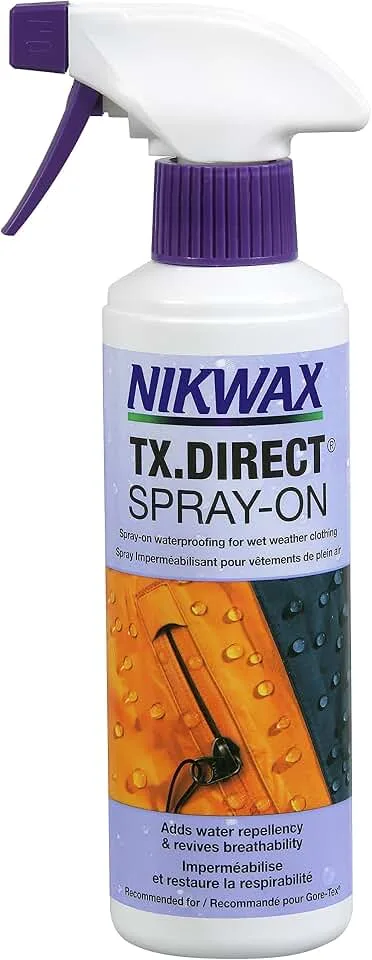
Image source: Bing (Web (fair-use with source credit))
Quick Answer
To waterproof fabric, first identify the fabric type and its current condition. Clean the fabric thoroughly, then apply a DWR (Durable Water Repellent) treatment that matches the material, spray-on for targeted coverage or wash-in for full garments. Heat-activate the coating if the product instructions call for it.
Reapply after heavy use or every 5 to 20 washes. Always work in a ventilated area and check for PFAS-free formulas if chemical exposure is a concern.
Why Most Fabric Waterproofing Fails (And How to Get It Right)
The number one reason waterproofing doesn't work is skipping the cleaning step. Dirt, body oils, and detergent residue create a barrier between the fabric and the treatment. The coating bonds to the grime instead of the fibers, and it washes right off.
The second most common mistake is using the wrong product for the fabric. Silicone-based sprays are great for canvas and nylon tarps but will destroy the breathability of a Gore-Tex membrane. Wax-based treatments work beautifully on cotton canvas but will stiffen and gum up a lightweight polyester shell.
Then there's the confusion between water-resistant and truly waterproof. A DWR coating causes water to bead and roll off the surface, but it won't hold up under sustained pressure or submersion. If you need actual waterproofing, like for a tent floor or a boat cover, you need a sealed barrier, not just a surface treatment.
Understanding what you're starting with and what you need the fabric to do is the entire game. Everything else follows from that.
How Fabric Waterproofing Actually Works: DWR, Coatings, and Barriers
Waterproofing fabric comes down to two strategies: repelling water at the surface or blocking it with a physical barrier.
DWR (Durable Water Repellent) is a surface treatment applied to the outer face of the fabric. It doesn't seal the fabric. Instead, it lowers the surface tension so water beads up and rolls off rather than soaking in.
Think of it like the wax on a car. The paint is still there, but the water can't grip it.
DWR coatings are typically fluorocarbon-based (PFAS) or silicone-based. Fluorocarbon DWRs tend to last longer and resist oil and dirt better, but they carry environmental and health concerns we'll cover later. Silicone-based options are more eco-friendly but may not hold up as long under heavy abrasion.
Barrier coatings are a different animal. Polyurethane (PU) and silicone coatings are applied to the back of the fabric or impregnated through the weave. These create an actual physical block that water can't pass through.
This is what you find on tent floors, rain tarps, and some non-breathable rain gear. The trade-off is zero breathability, moisture from sweat gets trapped inside.
Membrane laminates like Gore-Tex and eVent sit between the two. They use a microporous film bonded to the fabric. The pores are small enough to block liquid water but large enough to let water vapor escape.
These are factory-applied and can't be added at home, but their DWR outer layer can be restored.
Image source: Openverse / Birch Landing Home
The water column rating, measured in millimeters per ISO 811, tells you how much pressure a fabric can withstand before water pushes through. A rating of 1,500mm handles light rain. For sustained downpours and heavy use, you want 5,000mm or above.
Expedition-grade gear hits 10,000mm and beyond.
Know Your Fabric First: Synthetic, Natural, and Membrane Types
Before you buy a single product, you need to know what you're working with. The fabric type dictates everything.
Nylon and polyester are the most common synthetic fabrics in outdoor gear. They take DWR treatments well and are lightweight. Nylon is slightly more abrasion-resistant.
Polyester handles UV exposure better. Both work with spray-on and wash-in DWR products.
Canvas and heavy cotton are natural fibers that absorb water readily. Wax-based treatments, like Otter Wax or Fjällräven Greenland Wax, are the traditional choice. You rub the wax in and heat it with a hair dryer or iron so it penetrates the weave.
The result is a stiff, rugged, genuinely waterproof fabric. It won't breathe much, but that's not usually the goal with canvas.
Waxed cotton is a heritage fabric used in brands like Barbour and Belstaff. It comes pre-waxed from the factory but needs re-waxing once or twice a year. Using a spray DWR on waxed cotton is pointless.
You need more wax.
Gore-Tex and other membrane laminates require specific care. You should never use a silicone-based spray or a wax on these. Use a DWR product labeled safe for breathable membranes.
Nikwax TX.Direct and Grangers Performance Repel are common choices. The goal is to restore the outer DWR layer without clogging the membrane pores.
Ripstop fabrics have a grid of thicker threads woven in to prevent tears. The waterproofing method is the same as the base fabric, nylon or polyester ripstop responds to standard DWR treatments.
If you're not sure what your fabric is, check the care label. It usually lists the fiber content. When in doubt, test your chosen product on a small hidden area first and wait 24 hours to check for discoloration or stiffness.
Waterproofing Methods Breakdown: Sprays, Wash-In, Waxes, and Sealants
Here's where the decision tree really kicks in. Each method has a clear set of situations where it's the right call.
Spray-on DWR is the most versatile option. You hold the can 6 to 8 inches from the fabric and apply an even coat. It's ideal for spot-treating high-wear areas like shoulders and cuffs on a jacket.
It's also the go-to for fabrics that can't go in a washing machine, like down jackets or structured bags. Coverage is typically around 100 to 150 square feet per can.
Wash-in DWR goes into the washing machine's fabric softener dispenser or a bucket soak. It treats the entire garment evenly, which is better for items that see uniform exposure. It's the right choice for synthetic shells, softshells, and fleece with a DWR finish.
The downside is it treats the inside of the fabric too, which can slightly reduce breathability on membrane gear.
Wax-based waterproofing is the method for natural fibers. You warm the wax, rub it into the fabric, and heat it to set. Otter Wax comes in a tin you can soften with your hands.
Fjällräven Greenland Wax is a bar you rub on like a crayon. This method is permanent until the wax wears off, which can take years on items that aren't washed frequently.
Seam sealers and seam tape address the weakest point in any waterproof construction. Thread holes are tiny channels for water. Liquid seam sealer is brushed along stitched seams on tents and tarps.
Seam tape is a heat-activated adhesive strip applied to the inside of factory-seam-sealed gear. If your tent leaks, it's almost always at the seams, not the fabric.
Silicone impregnating sprays are heavy-duty options for tarps, boat covers, and outdoor furniture. Products like Kiwi Camp Dry soak deep into the fabric and create a strong hydrophobic barrier. They're not breathable and they can darken light fabrics, so they're strictly for utility applications.
The table below summarizes which method fits which situation.
| Method | Best For | Breathability | Durability |
|---|---|---|---|
| Spray-on DWR | Targeted treatment, down jackets, bags | Maintained | 5 to 15 washes |
| Wash-in DWR | Full synthetic garments, softshells | Slightly reduced | 10 to 20 washes |
| Wax-based | Canvas, cotton, waxed cotton | Low | Months to years |
| Seam sealer | Tents, tarps, stitched seams | N/A | Years if undisturbed |
| Silicone spray | Tarps, covers, outdoor furniture | None | 1 to 3 seasons |
If you're maintaining outdoor gear regularly, you might also want to look into how to remove mold from fabric furniture, since moisture exposure often leads to mold issues that compromise both the fabric and any waterproofing treatment.
Step-by-Step: How to Waterproof Fabric the Right Way
The process is straightforward, but skipping steps is where most people go wrong. Here's the workflow that works across all methods.
Clean Before You Treat
Start with a clean fabric. Body oils, dirt, and detergent residue prevent DWR from bonding to fibers. Machine wash synthetic gear on a gentle cycle with a technical fabric cleaner, or hand wash with mild soap.
For canvas or waxed cotton, brush off loose dirt first, then wipe with a damp cloth.
Do not use fabric softener. It leaves a coating that blocks DWR adhesion. Rinse thoroughly.
Let the fabric dry completely before applying any treatment.
Choose the Method That Matches Your Fabric
Refer back to the fabric breakdown in the previous section. Synthetic shells and rain jackets get spray-on or wash-in DWR. Canvas bags and jackets get wax.
Tents and tarps need seam sealer plus a silicone or DWR spray on the body fabric.
If you're treating a membrane garment like Gore-Tex, use only products labeled safe for breathable membranes. Generic silicone sprays will clog the pores and kill the breathability permanently.
Apply Evenly and Activate Properly
For spray-on products, hold the can 6 to 8 inches away and apply in slow, overlapping passes. Work in a well-ventilated area, outdoors if possible. Don't saturate the fabric.
A light, even coat is better than a heavy drip.
For wash-in products, follow the label instructions on quantity. Use the fabric softener dispenser or add directly to the drum. Run a full cycle.
Heat activation is required for most DWR treatments to bond properly. Tumble dry on low heat for 20 to 30 minutes, or iron on a low setting with a towel between the iron and the fabric. The heat opens the fiber structure and lets the DWR settle in.
Seal the Seams (When It Matters)
If you're waterproofing a tent, tarp, or any stitched item that needs to hold water out, seam sealing is non-negotiable. Apply liquid seam sealer along every stitched seam on the inside of the fabric. Use a small brush or the applicator tip that comes with the product.
Let it cure for 24 hours before exposing to rain. For factory-made gear with seam tape already applied, inspect the tape for peeling and reapply where needed.
Matching Method to Use Case: Gear, Clothing, Tents, and Home Fabric
Not every waterproofing job is the same. Here's how to match the method to what you're actually working on.
Rain jackets and hiking shells need breathable DWR. Spray-on works for spot repairs. Wash-in is better for a full refresh after a season of use.
Reapply every 5 to 15 washes, or when you notice water stops beading on the surface.
Down jackets and sleeping bags should never go in a washing machine with a heavy agitation cycle. Use a spray-on DWR applied by hand. Down clusters are delicate and aggressive washing damages the loft.
Tents and tarps need a combination approach. Seal the seams first, then treat the body fabric with a silicone-based spray for maximum water blocking. Tent floors take the most abuse, so give them a double coat.
Re-treat before each camping season or after heavy use.
Canvas bags, aprons, and workwear respond best to wax. Otter Wax and similar products create a durable, water-blocking finish that also adds a nice patina over time. Re-wax once or twice a year depending on use.
Outdoor furniture cushions and patio fabric need a silicone or fluorocarbon spray rated for outdoor use. UV exposure breaks down DWR faster, so plan on reapplying every 6 to 12 months. Make sure the fabric is completely dry before treatment, as trapped moisture under the coating leads to mildew.
RV awnings and boat covers take a beating from sun and rain. Heavy-duty silicone impregnating sprays are the right call here. They're not breathable, but breathability isn't the goal.
You want a solid water block that lasts through a full season.
If you're working with RV awning fabric specifically, you might also find our guide on how to change RV awning fabric useful for the full maintenance picture.
Waterproofing Spray vs. Wash-In vs. Wax: Which One Wins?
There's no single winner. Each method wins in a specific situation.
Spray-on DWR is the most convenient. It's fast, targeted, and works on items you can't machine wash. The downside is uneven coverage if you rush.
It also doesn't penetrate as deeply as a wash-in.
Wash-in DWR gives the most even coverage. Every fiber gets treated, including hard-to-reach areas inside the garment. The trade-off is it treats the entire fabric, including the inside, which can slightly reduce breathability on technical shells.
Wax is the most durable option for natural fabrics. A properly waxed canvas jacket can go years between treatments. The downsides are added weight, reduced breathability, and a stiffer hand feel.
Wax also darkens light-colored fabrics noticeably.
For most synthetic outdoor gear, wash-in DWR offers the best balance of coverage and durability. For quick touch-ups between full treatments, keep a spray-on can handy. For canvas and heritage fabrics, wax is the only method that makes sense long-term.
Image source: iNaturalist / Irene
The PFAS Problem: What You Need to Know About Fluorocarbon Treatments
This is the part most waterproofing guides skip, and it matters.
Most high-performance DWR treatments have historically been fluorocarbon-based, meaning they contain PFAS (per- and polyfluoroalkyl substances). These are the same chemicals found in non-stick cookware and firefighting foam. They're effective at repelling water and oil, but they don't break down in the environment.
They accumulate in soil, water, and human tissue.
Research published through the EPA and European Chemicals Agency has linked certain PFAS compounds to health concerns including thyroid disruption, immune system effects, and increased cancer risk. As of 2026, the EU has moved to restrict PFAS in consumer products, and several US states including California have enacted similar limits.
The outdoor industry has been transitioning to PFC-free DWR formulas. Brands like Nikwax, Grangers, and Scotchgard now offer fluorocarbon-free options. These use silicone or hydrocarbon-based chemistry instead.
They work well for most conditions, though they may not last quite as long under heavy abrasion or oil exposure.
If you're treating gear at home, check the label for "PFC-free" or "PFAS-free" wording. If you're buying new gear, look for the same labels or check the manufacturer's sustainability page. The performance gap between fluorocarbon and PFC-free DWR has narrowed significantly in recent years.
Image source: Bing (Web (fair-use with source credit))
For gear that's already treated with a fluorocarbon DWR from the factory, you don't need to strip it. Just maintain it with a PFC-free re-treatment going forward. The environmental impact is already baked in.
Switching your maintenance products is the practical move.
Mistakes That Ruin Waterproofing (And How to Avoid Them)
Even with the right product, a few common errors will waste your time and money.
Applying over dirt or residue is the biggest one. We covered it earlier, but it bears repeating. Clean first.
Always.
Using too much product causes stiffness, residue buildup, and can actually reduce water repellency. A thin, even coat outperforms a heavy soak every time.
Skipping heat activation means the DWR doesn't bond properly. It'll wash off after one cycle. If the label says tumble dry or iron, do it.
Storing treated gear compressed for long periods can cause the coating to crack and flake. Hang rain jackets loosely. Store tents loosely in a breathable bag, not crammed into a stuff sack for months.
Washing with regular detergent leaves a surfactant film that attracts water instead of repelling it. Use a technical wash product or plain water. Never use fabric softener on waterproof gear.
Ignoring the seams on tents and tarps. The fabric might be waterproof, but water will find the needle holes every time. Seal them.
Assuming one treatment lasts forever. DWR is a consumable coating. It wears off. Plan on reapplying based on use, not on hope.
How Long Does Waterproofing Last? Maintenance and Reapplication
DWR coatings are not permanent. They wear down through abrasion, washing, and UV exposure. Expect to re-treat synthetic gear every 5 to 20 washes, or once a season for items used regularly.
The telltale sign is water soaking into the outer face instead of beading. On a rain jacket, check the shoulders and chest first. These areas take the most abuse.
A quick spray test with a water bottle tells you everything. If water sheets and rolls off, the DWR is still working.
For waxed canvas, re-wax when the fabric starts feeling stiff from absorbed water instead of repelling it. Once or twice a year is typical for moderate use. Tents and tarps should get a fresh coat before each camping season.
Safety, Ventilation, and What the Label Won't Tell You
Aerosol waterproofing sprays contain solvents and propellants that you don't want to breathe. Always apply outdoors or in a garage with the door open. Wear a mask if you're treating something large like a tent or tarp.
Keep sprays away from heat sources and flames. The propellants are flammable during application. Let the fabric dry in a ventilated space before bringing it indoors.
Read the manufacturer's Safety Data Sheet for specific products. It'll list exact ventilation requirements and any skin or eye irritation risks. PFC-free formulas tend to have fewer inhalation concerns, but the propellant base is still worth respecting.
When to DIY vs. Send It to a Pro
For 90% of gear maintenance, DIY waterproofing is the way to go. The products are affordable and the process is simple enough for a Saturday afternoon.
Professional waterproofing services make sense for high-value items like expedition sleeping bags, heritage waxed jackets from brands like Barbour, or gear that needs factory-level seam re-taping. Some outdoor retailers offer DWR reapplication as part of a gear tune-up service. It'll cost more, but the results can be more consistent for complex items.
If the membrane on a Gore-Tex jacket is delaminating, no amount of DWR will fix that. It's a structural failure. Time to replace the garment or send it to the manufacturer for evaluation.
Final Decision Guide: Pick Your Method in 60 Seconds
Ask three questions. Your fabric type, your use case, and how often you want to re-treat. The answers point you to the right method.
Synthetic shell or rain jacket: wash-in DWR for full coverage, spray-on for touch-ups. Canvas or cotton: wax-based treatment, no exceptions. Tent or tarp: silicone spray plus seam sealer.
Down gear: spray-on DWR only, never wash-in. Membrane gear: use products labeled safe for breathable membranes.
Each reapplication costs roughly $8 to $25 depending on product size. You'll spend less per year on maintenance than you would on replacing worn-out gear prematurely. That math works in your favor every time.
Frequently Asked Questions
Can you waterproof fabric at home?
Absolutely. Most DWR sprays and wash-in treatments are designed for home use. Clean the fabric, apply the product in a ventilated area, heat-activate if required, and you're done.
Wax-based treatments require a bit more elbow grease but are equally DIY-friendly.
What is the most effective fabric waterproofing method?
It depends on the fabric. Fluorocarbon DWR offers the best balance of water repellency and durability for synthetics. Wax is the gold standard for canvas.
For maximum water blocking on tents and tarps, a combination of silicone spray and seam sealing outperforms any single method.
Is waterproofing spray safe to use?
Yes, when used correctly. Work in a ventilated space, keep away from flames during application, and follow the label instructions. Wear a mask for large projects.
PFC-free formulas reduce chemical exposure concerns.
How long does fabric waterproofing last?
Typical DWR treatments last 5 to 20 washes on synthetic gear. Wax treatments on canvas can last months to years. Reapply when water stops beading on the surface.
UV exposure and heavy abrasion shorten the lifespan.
Can you waterproof any fabric?
Most fabrics can be treated to some degree. The key is matching the method to the material. Natural fibers like cotton and canvas need wax.
Synthetics respond to DWR sprays and wash-ins. Membrane fabrics require breathable-safe products only.