How to Clean Coach/fabric Purse & Bag 2026: Explained Simply
How to clean coach/fabric purse & bag
You've got a Coach fabric bag that's starting to show its age, or maybe you just picked up a gorgeous secondhand find that needs a refresh. Either way, figuring out how to clean a Coach fabric purse or bag without ruining it can feel surprisingly tricky. The thing is, not all fabric bags are built the same, and using the wrong method can leave you with water spots, color bleeding, or cracked leather trim.
Coach's official care guidelines recommend spot cleaning with a mild, water-free solvent or dry cleaning product for most of their fabric and canvas styles. But the right approach really depends on what your specific bag is made of, what kind of stain you're dealing with, and whether it's got leather or suede accents mixed in. Let's walk through it step by step so you can clean your bag with confidence.

Image source: Bing (Web (fair-use with source credit))
Quick Answer
Clean a Coach fabric bag by first identifying the material type. Spot test any cleaner on a hidden area first. Use a mild soap solution or dedicated fabric cleaner for surface stains.
For deeper cleaning on stubborn stains, professional cleaning is the safest option. Always air-dry your bag away from direct heat.
Why Most People Ruine Their Coach Fabric Bag When Cleaning It
Here's the thing that trips almost everyone up. They treat their Coach fabric bag like it's a cotton t-shirt and just go at it with soap and water. That works fine for some materials, but it's a disaster for others.
Coated canvas, which is Coach's signature material for many of their classic styles, has a protective finish that repels light moisture. But soak it or scrub it aggressively, and you'll break down that coating. You'll end up with dull patches, water rings, and a bag that looks worse than before you started.
Then there's the leather trim. Most Coach fabric bags have pebbled leather straps, handles, or edge detailing. Water and leather don't mix well.
If you dunk the whole bag or even let water run down onto the leather parts, those pieces can dry out, crack, or discolor over time.
The biggest mistake we see is people using the wrong product entirely. Bleach, household all-purpose cleaners, even some "gentle" dish soaps can strip dye from fabric or leave residue that attracts more dirt. Once the color shifts, there's no easy fix.
So before you grab a wet cloth and start scrubbing, let's figure out exactly what you're working with.
Step 1: Identify What Your Bag Is Actually Made Of
This is the step that determines everything else. Coach uses several different fabric and canvas types across their collections, and each one needs a slightly different approach.
Coated Canvas
Coated canvas is the material Coach is most known for. It's a cotton base with a PVC or polyurethane coating that gives it a slightly glossy, wipeable surface. You'll find this on many of their signature print bags and the classic Coach tabby styles.
The coating means light spills bead up, which is great. But it also means you can't use harsh solvents or alcohol-based cleaners without risking damage to the finish. If your bag feels smooth and slightly slick to the touch, and water sits on top of it rather than soaking in, you're probably dealing with coated canvas.
Uncoated Canvas and Raw Fabric
Some Coach styles use uncoated cotton or linen fabric. This material is more absorbent and has a matte, natural texture. It stains more easily and requires a gentler touch.
If water droplets soak into the fabric immediately when you test the surface, you've got uncoated material.
Leather Trim and Accents
Most Coach fabric bags include pebbled leather on the straps, handles, base corners, or zipper pulls. Some styles mix in suede or nubuck panels too. You need to identify every non-fabric element on your bag before choosing a cleaning method, because what's safe for canvas can wreck leather, and vice versa.
Image source: Bing (Web (fair-use with source credit))
Embellished or Specialty Bags
Certain Coach bags feature embroidery, beading, appliqué, or painted designs. These need extra caution. Cleaning around embellishments means working around them, not over them.
If your bag has any decorative elements, treat those areas as off-limits for direct cleaning.
The Colorfast Test
Before you use any product on your bag, do a spot test. Find an inconspicuous area, like the inside bottom panel or the back of a strap. Apply a tiny amount of your chosen cleaner with a cotton swab.
Wait five minutes. Check for color transfer onto the swab. If you see dye coming off, stop.
That bag needs professional cleaning, not a DIY approach.
Step 2: Match the Cleaning Method to the Stain
Not all stains are created equal, and the treatment that works for mud won't work for ink. Here's how to handle the most common culprits on Coach fabric bags.
Dirt and Everyday Grime
This is the easiest one. For general surface dirt on coated canvas, a soft, dry microfiber cloth is often enough. Wipe in gentle circular motions.
If that doesn't cut it, dampen the cloth with lukewarm water and a drop of pH-neutral soap. Wipe the affected area, then follow with a dry cloth to remove any leftover moisture.
For uncoated canvas, use a soft-bristled brush, like a clean suede brush or a soft toothbrush, to lift dried dirt before wiping. This prevents you from grinding debris deeper into the fibers.
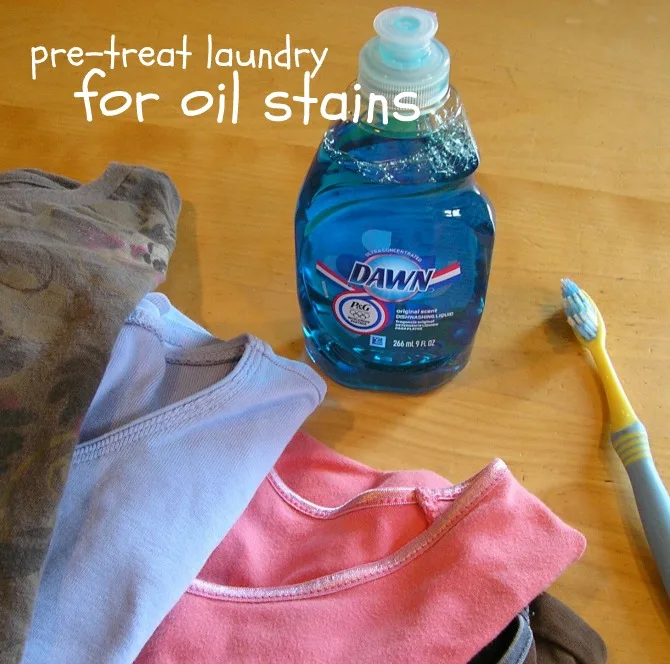
Oil and Makeup Stains
Foundation, lipstick, hand lotion, and cooking oil are some of the toughest stains on fabric bags. The key here is speed. The sooner you address an oil stain, the better your chances of removing it.
Blot the stain gently with a clean, dry cloth to absorb any surface oil. Don't rub. Rubbing pushes the oil deeper.
Sprinkle a small amount of cornstarch or talcum powder on the stain and let it sit for 15 to 20 minutes. The powder draws out the oil from the fabric. Brush it off carefully, then clean the area with a mild soap solution.
For stubborn oil stains on uncoated fabric, a dedicated fabric stain remover designed for oil-based marks works well. Apply it sparingly and always spot test first.
Ink and Dye Transfer
Ink is brutal on fabric bags. If you've got a ballpoint pen mark or denim dye transfer, act fast. For fresh ink, dab it with a cotton swab dipped in isopropyl alcohol (70% concentration).
Use a very light touch and work from the outside of the stain inward to prevent spreading.
Dye transfer from dark jeans is trickier. A gentle eraser sponge, used with minimal pressure, can sometimes lift surface dye. For deeper transfer, a dedicated upholstery fabric cleaner is your best bet.
Apply it with a soft cloth and blot, don't scrub.
Water Spots and Salt Marks
Water spots happen when moisture evaporates on coated canvas and leaves a visible ring. The fix is simple. Wipe the entire panel evenly with a damp cloth so the moisture dries uniformly.
This prevents a visible line from forming where you cleaned.
Salt marks from winter use appear as white residue on darker fabrics. Mix one part white vinegar with two parts lukewarm water. Dampen a cloth with the solution and gently wipe the salt away.
Follow with a clean, damp rinse and dry thoroughly.
Odors
Bags absorb odors from perfume, food, and everyday life. For mild odors, stuff the bag with crumpled newspaper and leave it in a well-ventilated space for 24 to 48 hours. The paper absorbs smells naturally.
You can also place an open box of baking soda inside the bag overnight. Just make sure no powder spills onto the fabric.
If the odor is strong or comes from something like smoke, professional deep cleaning is the most reliable solution. Home remedies can only do so much with deeply embedded smells.
Step 3: The Actual Cleaning Process, Step by Step
Now that you know your material and your stain type, let's put it all together. Here's the full process for cleaning a Coach fabric bag safely.
What You'll Need
- Soft microfiber cloths (at least two)
- Soft-bristled brush (clean suede brush or soft toothbrush)
- pH-neutral mild soap (a few drops per cup of lukewarm water)
- Cotton swabs or cotton balls
- Cornstarch or talcum powder (for oil stains)
- Clean, dry towel
- Optional: dedicated fabric cleaner for handbags
Before You Start
Empty the bag completely. Check every pocket and compartment. Remove all items, including anything tucked into interior pockets that you might forget about.
Turn the bag upside down and gently shake out any loose debris or crumbs.
If your bag has removable straps or detachable hardware, take those off if possible. This lets you clean more thoroughly and avoid getting cleaner on parts that don't need it.
Cleaning Coated Canvas
Dampen a microfiber cloth with your mild soap solution. Wring it out well. You want it damp, not wet.
Gently wipe the stained or dirty area using small circular motions. Work in small sections rather than tackling the whole bag at once.
After cleaning each section, immediately wipe it with a dry microfiber cloth to remove moisture. This prevents water spots and keeps water from seeping into seams or leather trim.
For stubborn marks, use a soft-bristled brush dipped in the soap solution. Brush gently in one direction. Don't scrub back and forth aggressively.
That can dull the coated finish.
Cleaning Uncoated Canvas and Raw Fabric
Use the soft-bristled brush to remove surface dirt first. Then apply your fabric cleaner or mild soap solution with a cloth, working from the least stained area toward the most stained. This prevents cleaner from spreading clean dirt onto already-clean sections.
Blot with a dry cloth. Repeat if necessary, but don't oversaturate the fabric. Uncoated canvas can handle slightly more moisture than coated, but you still don't want it soaking wet.
Handling Leather Trim
Clean leather trim separately from the fabric. Use a damp cloth with just water for light cleaning. For deeper cleaning on leather parts, a dedicated leather cleaner is the safest choice.
Apply it with a cloth and work it in gently.
After cleaning, condition the leather with a small amount of leather conditioner. This step matters. Cleaning strips natural oils from leather, and conditioning replaces them.
Without it, leather trim can crack and stiffen over time.
Drying Your Bag
This is where patience pays off. Never use a hair dryer, radiator, or direct sunlight to speed up drying. Heat warps fabric, fades color, and damages leather.
Stuff the bag loosely with clean, dry paper or a white cotton towel to help it hold its shape while drying. Place it in a well-ventilated area at room temperature. Let it dry for 12 to 24 hours depending on how much moisture was used.
Make sure the bag is completely dry before storing it. Any leftover moisture invites mold and mildew, which can permanently damage both fabric and leather.
Image source: Bing (Web (fair-use with source credit))
A Note on Machine Washing
We get asked about this a lot. Can you just throw your Coach fabric bag in the washing machine? The answer is no.
Machine agitation damages the structure, hardware, and any leather components. It can also cause irreversible color bleeding and shrinkage. Even bags that are purely fabric without any trim can lose their shape after a machine cycle.
Stick with hand cleaning every time.
Common Mistakes That Permanently Damage Coach Fabric Bags
Let's talk about what goes wrong and why some damage can't be undone.
Using Harsh or Wrong Cleaning Products
Bleach, ammonia, acetone, and household all-purpose cleaners are the most common offenders. These products strip dye from fabric, break down coated canvas finishes, and leave behind residue that attracts more dirt. Once the coating on a Coach signature canvas bag is damaged, the affected area looks permanently dull and faded.
Even some dish soaps that market themselves as gentle contain surfactants too strong for delicate fabric. Stick with pH-neutral options or products specifically formulated for handbag fabric.
Soaking or Submerging the Bag
Some people figure if a little water helps, a lot of water helps more. That's not how fabric bags work. Submerging a Coach fabric bag forces water into every seam, the interior lining, and behind any leather trim.
This causes warping, adhesive failure behind panels, and separation between fabric and leather components.
In humid climates or areas with hard water, mineral deposits can also leave visible spots on canvas as the water dries. These mineral marks are extremely difficult to remove after they set.
Skipping the Spot Test
We know it feels tedious. But skipping the spot test is how people end up with a bleached patch on the front of their bag. Colorfastness varies between production batches, even within the same style.
A product that worked fine on one Coach bag might cause fading on another.
Five minutes of testing saves you from a permanent mistake. Always test on an interior panel or the back of a strap.
Using Heat to Speed Drying
Hair dryers, radiators, and direct sunlight all cause the same problems. Heat fades color, warps fabric structure, and dries out leather trim. The bag might look fine at first, but cracked leather and misshapen canvas show up weeks later.
Patience is the only safe approach. Let the bag air-dry at room temperature, stuffed with paper to hold its shape.
Image source: Bing (Web (fair-use with source credit))
What About Suede, Embellished, or Vintage Coach Bags?
These bags need extra care because standard cleaning methods can make things much worse.
Suede and Nubuck Panels
If your Coach bag has suede or nubuck sections, don't use water or liquid cleaner on those areas. Water stains suede permanently and stiffens the nap. Instead, use a suede eraser for marks and a suede brush to restore the texture after cleaning the fabric portions.
For deeper cleaning on suede elements, a dedicated suede cleaner applied with a soft cloth is the safest bet. Work in one direction, not in circles, to keep the nap consistent.
Embellished and Painted Bags
Bags with embroidery, beading, painted designs, or appliqué require you to work around the embellishments, not over them. Moisture can loosen adhesive behind beads and sequins. Painted areas can smear or peel if rubbed with any solvent.
Clean the plain fabric sections carefully, keeping cleaner away from decorative elements. If the embellished area itself is stained, professional cleaning is the responsible choice.
Vintage and Secondhand Bags
Vintage Coach fabric bags, especially those from the 1990s and early 2000s, often have more delicate coatings and softer adhesives due to age. The fabric may have weakened over time, and the original coating can be more susceptible to damage from moisture.
For any vintage Coach bag, use the gentlest method possible. Dry brushing and a barely damp cloth are usually the safest starting points. If the bag has significant value, either sentimental or financial, professional restoration is worth the investment.
DIY vs. Professional Cleaning: When to Do It Yourself and When to Stop
Knowing when to hand it off to a professional can save you money and heartache in the long run.
When DIY Works Well
Surface dirt, light scuffs, fresh spills, and everyday grime are all manageable at home. If your bag is in generally good condition and just needs a refresh, the spot cleaning methods we've covered will do the job. Most people can handle routine maintenance without any special equipment.
DIY is also fine for bags you use daily and aren't particularly precious. Your everyday workhorse Coach tote doesn't need a specialist for a coffee splash.
When to Call a Professional
There are situations where home cleaning risks doing more harm than good. Consider professional cleaning when:
- The stain is old, set in, or covers a large area
- The bag has multiple material types (fabric, suede, leather combined)
- You're dealing with mold or mildew growth
- The bag is vintage, designer-limited, or has significant resale value
- Color bleeding has already started from a previous cleaning attempt
- The odor is deeply embedded and home remedies haven't worked
Professional handbag cleaners use solvent-based products and controlled techniques that aren't available for home use. Costs typically range from around $25 for basic cleaning to $150 or more for stain treatment and restoration, depending on the bag's size and condition.
The Middle Ground
Some professional cleaning services offer assessment and consultation before committing to full treatment. They can tell you whether a stain is likely removable at home or needs their equipment. This is worth pursuing for bags that fall somewhere between "quick wipe-down" and "major restoration."
How to Keep Your Coach Bag Clean Longer
A little regular maintenance goes a long way toward keeping your bag looking fresh between deeper cleanings.
Weekly Quick Wipes
Once a week, give your bag a quick once-over with a dry microfiber cloth. This removes surface dust and light dirt before it builds up. Pay extra attention to the bottom panels and corners, which pick up the most grime from being set down on surfaces.
Proper Storage Habits
Store your Coach bag in a dust bag, not plastic. Plastic traps moisture and can cause mold, especially in humid environments. A breathable cotton or fabric dust bag protects the bag from dust while allowing air circulation.
Stuff the bag lightly with acid-free tissue paper to help it hold its shape during storage. Avoid newspaper, as the ink can transfer to the interior lining over time.
Rotate Your Bags
If you carry the same Coach bag every day, it accumulates wear in the same spots. Rotating between two or three bags gives each one time to air out and recover from daily use. This is especially important for the interior lining, which absorbs moisture and oils from your hands and belongings.
Protect Before Use
A fabric protector spray designed for handbags can add a light barrier against stains and moisture. Spray it on before you start carrying the bag regularly, and reapply every few months. Make sure the product is safe for coated canvas and test it on a hidden area first.
This step is particularly useful for lighter-colored Coach bags that show stains more easily. It won't make the bag waterproof, but it does give you a little more time to blot spills before they set.
Frequently Asked Questions
Can I use baby wipes on my Coach fabric bag?
Unscented baby wipes are generally safe for quick wipe-downs on coated canvas. Avoid wipes containing alcohol, fragrance, or moisturizing oils, as these can leave residue or affect the coating. They're fine for light cleaning but won't remove set-in stains.
How often should I deep clean my Coach fabric bag?
For bags used several times per week, a thorough cleaning every three to six months is a good routine. Daily-use bags in urban environments may need it more often. Bags used occasionally can go six to twelve months between deep cleanings.
Will water ruin coated canvas?
Light moisture won't damage coated canvas. The coating is water-resistant by design. Problems start when water sits on the surface for extended periods or seeps into seams and edges.
Wipe up moisture promptly and you'll be fine.
Can I use vinegar on my Coach bag?
White vinegar diluted with water works well for removing salt marks and light mineral deposits. Use a ratio of one part vinegar to two parts water. Always spot test first, as vinegar can affect certain dyes.
Don't use it on leather trim or suede panels.
Is it safe to use a magic eraser on fabric bags?
Magic erasers can work for stubborn scuffs on coated canvas, but use them very gently. The abrasive texture can dull the coating if you press too hard. Test on a hidden area first and use minimal pressure.
Avoid using them on uncoated fabric entirely.
What should I do if my bag gets moldy?
Take it to a professional cleaner. Mold spores spread quickly and home treatment often fails to fully eliminate them. A professional can treat the affected areas with antimicrobial products and prevent regrowth.
Storing the bag properly afterward is essential to keep mold from returning.