How to Remove Ink From Fabric for 2026: Step-by-Step Guide
There's nothing quite like the sinking feeling of finding a pen leak in your shirt pocket or watching a marker glide across your kid's favorite jeans. Learning how to remove ink from fabric is one of those skills that saves you real money and spares you from tossing perfectly good clothes. The good news is that most ink stains come out completely if you act fast and use the right method for the job.
The catch is that not all inks and fabrics are created equal. A ballpoint pen stain on a cotton T-shirt is a very different problem from permanent marker on a silk blouse. According to the American Cleaning Institute, the key variables are the ink's chemical composition, the fabric type, and how long the stain has been sitting.
Let's walk through exactly how to handle each scenario so you can treat that stain with confidence.
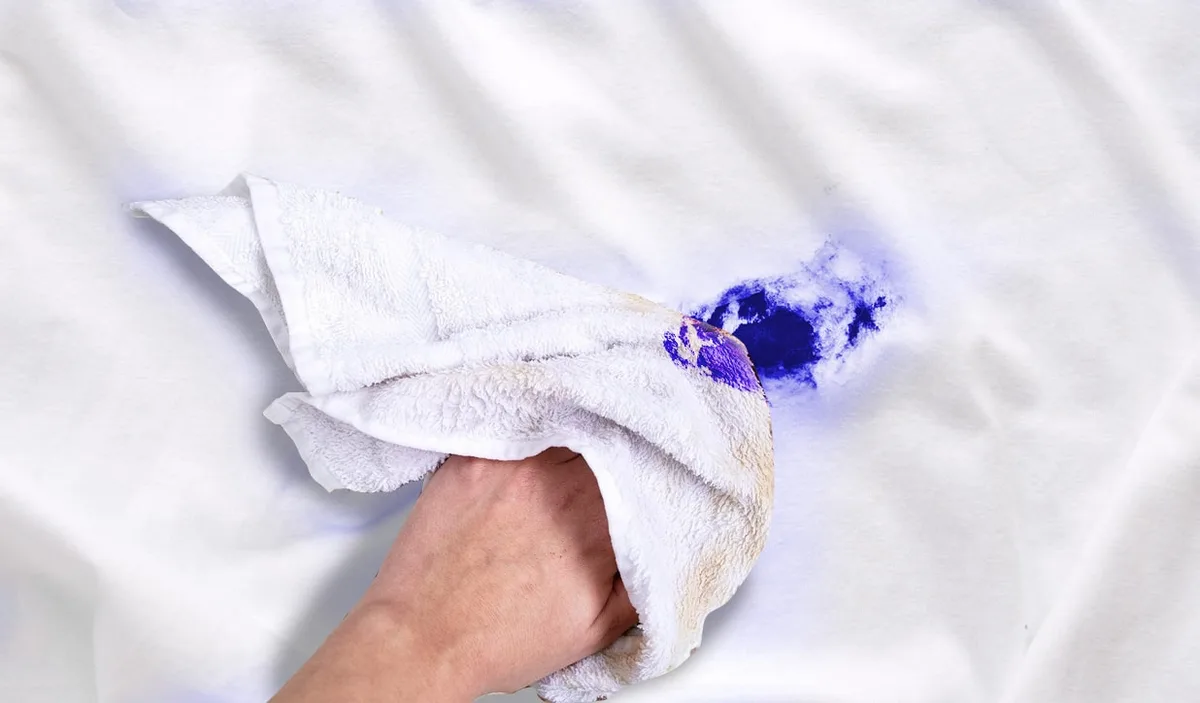
Image source: Bing (Web (fair-use with source credit))
Quick Answer
How to remove ink from fabric starts with blotting the excess immediately. Then apply rubbing alcohol to the back of the stain and blot from the front. Rinse with cold water and launder as usual.
For delicate fabrics, use a gentler method like milk soaking or diluted vinegar.
Why Ink Stains Are So Tricky to Remove
Ink is designed to bond with surfaces, and fabric is basically a sponge made of tiny fibers. Once ink penetrates those fibers, it's not sitting on top anymore. It's woven into the material.
Here's what makes ink stains particularly stubborn:
- Dye-based inks (like most fountain pen inks) are water-soluble when wet but can set permanently once dry.
- Pigment-based inks (like permanent markers) contain tiny solid particles that lodge deep in fabric fibers.
- Oil-based inks (like ballpoint pen ink) resist water and need a solvent to break them down.
The age of the stain matters enormously. A fresh ballpoint ink stain on cotton has roughly a 90% removal success rate with rubbing alcohol treatment. That same stain left untreated for 48 hours drops significantly because the ink dries and bonds more tightly with the fibers.
Heat is the enemy. If you toss an ink-stained shirt in the dryer before the stain is fully gone, you're essentially baking it into the fabric. Always air-dry until you're certain the stain is out.
The First 60 Seconds: What to Do Right Away
Speed is your biggest advantage here. The moment you notice an ink stain, take these steps before you even think about which cleaning method to use.
Step 1: Blot, don't rub. Grab a clean white cloth or paper towel. Press it firmly against the stain to absorb as much wet ink as possible. Rubbing pushes the ink deeper into the fabric and spreads the stain outward.
Step 2: Place the fabric stain-side down on clean paper towels. This lets gravity help pull the ink out rather than pushing it further in.
Step 3: Work from the back of the stain. When you apply any cleaning solution, do it from the back side of the fabric. This pushes the ink out the way it came in, rather than driving it deeper.
Step 4: Use cold water only. Hot water can set many types of ink. Rinse the stained area with cold water as soon as possible.
If you're dealing with a stain on upholstery or carpet where you can't flip the fabric over, the same blotting principle applies. Use a white cloth and work from the outside of the stain inward to prevent spreading.
Know Your Ink: Ballpoint, Permanent Marker, Fountain Pen, and More
The cleaning method you choose depends almost entirely on what kind of ink you're dealing with. Using the wrong approach can waste time or make things worse.
| Ink Type | Common Source | Base Composition | Best Solvent |
|---|---|---|---|
| Ballpoint pen ink | Bic, Parker pens | Oil-based | Rubbing alcohol (isopropyl) |
| Permanent marker | Sharpie, alcohol markers | Alcohol-based / pigment | Rubbing alcohol or acetone |
| Fountain pen ink | Waterman, Pilot pens | Water-based dye | Cold water, dish soap |
| Gel pen ink | Pilot G2, Uni-ball | Water-based pigment blend | Rubbing alcohol |
| Printer ink | Inkjet cartridges | Water-based or pigment | Rubbing alcohol, dish soap |
| India ink | Calligraphy, art supplies | Carbon-based pigment | Difficult, may need professional help |
Ballpoint ink is the most common offender and the easiest to treat. It's oil-based, so it resists water but dissolves readily with isopropyl alcohol.
Permanent marker (Sharpie) is alcohol-based, which sounds counterintuitive. But rubbing alcohol still works because it re-liquefies the ink so you can blot it away. On some fabrics, acetone is more effective, but it's much harsher on the material.
Fountain pen ink is usually water-based, so cold water and dish soap are often enough. The challenge is that these dyes are formulated to be colorfast, so you may need multiple treatments.
Gel pen ink falls somewhere in between. It has characteristics of both water-based and oil-based inks, which is why rubbing alcohol tends to be the most reliable all-around option.
If you're not sure what type of ink you're dealing with, start with rubbing alcohol. It's effective on the widest range of ink types and is safe for most washable fabrics.
Know Your Fabric: Cotton, Silk, Wool, and Delicate Materials
Your fabric type determines how aggressive you can be with solvents and scrubbing. What works perfectly on a cotton T-shirt can destroy a silk blouse.
Image source: Bing (Web (fair-use with source credit))
Cotton and linen are the most forgiving. They can handle rubbing alcohol, hydrogen peroxide, and even diluted chlorine bleach (on whites). These sturdy natural fibers are where you'll have the highest success rate.
Polyester and nylon are synthetic and generally hold up well to rubbing alcohol and most stain removers. However, they can sometimes absorb dye-based inks more readily, making the stain harder to fully lift.
Silk and wool are protein fibers that are sensitive to harsh chemicals and high heat. You'll want to stick with mild methods like diluted white vinegar, gentle dish soap, or the milk soak technique. Never use acetone or chlorine bleach on these fabrics.
Rayon and acetate are delicate and can be damaged by strong solvents. Acetone will literally dissolve acetate fabric, so always check the care label before applying any chemical.
Leather and suede require specialized leather cleaning products. Water-based methods can stain leather further, and alcohol can dry it out and cause cracking.
Always check the garment's care label first. If it says "dry clean only," that's your cue to either take it to a professional or proceed with extreme caution using the gentlest method available.
For upholstery, look for the cleaning code tag. Code "W" means water-based cleaners are safe. Code "S" means solvent-based cleaners only.
Code "SW" means both work. Code "X" means vacuum or brush only, no liquids.
The Decision Tree: Which Method to Use Based on Your Situation
Here's where it all comes together. The right method depends on three things: what kind of ink it is, what fabric you're working with, and how old the stain is. Let's break it down by scenario.
Image source: Bing (Web (fair-use with source credit))
Fresh Ballpoint Ink on Cotton or Polyester
This is the most common scenario and the one with the highest success rate. Grab some rubbing alcohol (70% or higher) and cotton balls or a clean white cloth. Place the fabric stain-side down on paper towels.
Apply the alcohol to the back of the stain and blot from the front. You'll see the ink transfer to the paper towels almost immediately. Repeat until the stain is gone, then rinse with cold water and launder as usual.
Permanent Marker (Sharpie) on Washable Fabric
Permanent marker is tougher but still very treatable on washable fabrics. Rubbing alcohol is your first line of defense. Apply it the same way you would for ballpoint ink.
If that's not cutting it, try acetone (100% pure, no added oils or fragrances). Apply it sparingly with a cotton swab and work quickly. Rinse thoroughly with cold water afterward.
On white cotton, you can also try a paste of baking soda and water after the alcohol treatment.
Ink on Delicate Fabrics (Silk, Wool, Rayon)
Skip the alcohol and go with a gentler approach. Mix one tablespoon of white vinegar with two tablespoons of cold water. Dab it onto the stain with a clean cloth and blot gently.
For silk specifically, the milk soak method works surprisingly well. Submerge the stained area in a bowl of whole milk and let it sit overnight. The enzymes in the milk help break down the ink without damaging the delicate fibers.
Rinse with cold water the next morning.
Dried or Set Ink Stains
Older stains require more patience. Start by re-wetting the stain with rubbing alcohol to re-liquefy the ink. Let it sit for 10 to 15 minutes before blotting.
You'll likely need to repeat the application and blotting cycle several times. For stubborn dried stains, try soaking the fabric in a solution of one part white vinegar to two parts cold water for 30 minutes before treating with alcohol.
Ink on Upholstery or Carpet
The same principles apply, but you have less control over flipping the fabric. Blot from the top using a white cloth dampened with rubbing alcohol. Work from the outside of the stain inward.
Be careful not to over-saturate, as excess liquid can pad beneath carpet and create a larger problem. For upholstery, always check the cleaning code first. If you're dealing with a large or set stain on furniture, it may be worth calling in a professional cleaning service rather than risking damage.
Step-by-Step: The Rubbing Alcohol Method (Most Reliable)
Rubbing alcohol (isopropyl alcohol) is the single most effective household solvent for ink stain removal. It works on ballpoint, gel, and most permanent marker inks across a wide range of washable fabrics. Here's exactly how to use it.
Image source: Bing (Web (fair-use with source credit))
What you'll need:
- 70% or higher isopropyl alcohol (90% works even better for oil-based inks)
- Clean white cloths or cotton balls
- Paper towels
- Cold water
Steps:
Place the fabric stain-side down on a stack of clean paper towels. The paper towels underneath will catch the ink as it's pushed through.
Apply rubbing alcohol to the back of the stain. Use enough to saturate the area, but don't flood it. The alcohol re-liquefies the ink so it can be absorbed.
Blot from the front with a clean white cloth. Press firmly and hold for a few seconds. You'll see the ink transferring to the cloth.
Move to a fresh section of cloth or a new cotton ball and repeat. Using a clean area each time prevents you from re-depositing ink onto the fabric.
Continue until no more ink transfers. This may take 10 to 15 minutes for a fresh stain, longer for set ones.
Rinse thoroughly with cold water from the back of the fabric.
Apply a small amount of liquid dish soap (like Dawn) to the area and gently work it in with your fingers.
Launder in cold or warm water according to the garment's care label.
Air dry only. Check the stain before putting it in the dryer. If any trace remains, repeat the process.
Pro tip: Always test the alcohol on a hidden seam or inside hem first. Some fabrics, especially brightly colored ones, may lose dye when exposed to alcohol.
Step-by-Step: The Hand Sanitizer Method (When You're On the Go)
Hand sanitizer is a surprisingly effective ink stain treatment, and it's one you probably have in your bag right now. Most gel hand sanitizers contain 60% to 70% ethanol, which works similarly to isopropyl alcohol on ink.
This method is best for fresh stains caught in the moment, like at the office or in a school setting.
Steps:
Blot excess ink with a clean cloth or paper towel.
Apply a generous dollop of gel hand sanitizer directly to the stain. Make sure it's the gel kind, not a foam or spray.
Let it sit for 5 to 10 minutes. The alcohol needs time to break down the ink.
Blot with a clean white cloth. The ink should start transferring.
Wipe away the hand sanitizer residue with a damp cloth.
If the stain persists, repeat the application.
Once you're home, follow up with the full rubbing alcohol method for best results.
Keep in mind: Hand sanitizers often contain fragrances and moisturizing agents that can leave a residue on fabric. This makes it a good emergency treatment, but not your best option for thorough stain removal at home.
Step-by-Step: Home Remedies That Actually Work
Not everyone has rubbing alcohol on hand, and some fabrics need gentler treatment. These home remedies have solid track records for specific situations.
White Vinegar and Dish Soap
White vinegar is mildly acidic, which helps break down dye-based inks. Mix equal parts white vinegar and cold water. Apply to the stain and let it sit for 15 minutes.
Blot with a clean cloth, then work in a few drops of dish soap. Rinse with cold water and launder as usual. This method works well on cotton and polyester for water-based inks like fountain pen ink.
Hairspray (Only the Right Kind)
This is an old-school remedy that actually has some merit, but only with certain hairsprays. Older formulations contained high levels of alcohol, which dissolved the ink. Most modern hairsprays have been reformulated with lower alcohol content, making them far less effective.
If you want to try it, check the label. You need a hairspray with at least 50% alcohol content (listed as SD alcohol or alcohol denat.). Spray it on the stain, let it sit for a minute, then blot.
Rinse thoroughly afterward.
Milk Soak for Delicate Fabrics
This sounds odd, but it works. The enzymes and fats in whole milk can help lift ink from delicate fibers like silk and wool without causing damage. Submerge the stained area in a bowl of whole milk and let it soak overnight (8 to 12 hours).
Rinse with cold water the next morning, then gently wash with a mild detergent. This is one of the safest methods for fabrics that can't handle alcohol or vinegar.
What About Commercial Stain Removers?
Commercial stain removers are formulated to tackle a broad range of stains, and several of them handle ink quite well. Products like OxiClean, Shout, and Folex are popular choices.
OxiClean uses oxygen-based bleaching agents that work on many types of stains. Dissolve it in water according to the package directions and soak the stained garment for 1 to 6 hours. It's effective on cotton and synthetic fabrics but should be used with caution on colored items.
Shout is a pre-treatment spray that you apply directly to the stain before laundering. It contains surfactants that help lift ink from fabric fibers. Spray it on, let it sit for 5 to 10 minutes, then wash as usual.
Folex is a carpet and upholstery spot remover that's particularly effective on ink. It's solvent-based and works well on synthetic carpet fibers. Apply it to the stain, agitate gently with a soft brush, and blot with a clean cloth.
When commercial products make sense: If you've tried home methods without success, or if you're dealing with a large or set stain, a commercial product can provide extra cleaning power. They're also convenient if you don't want to piece together a treatment from household items.
When to skip them: On delicate fabrics like silk, wool, or rayon, commercial stain removers can be too aggressive. Always check the product label for fabric compatibility.
Mistakes That Make Ink Stains Permanent
The wrong move can turn a treatable stain into a permanent one. Here are the most common mistakes people make.
Using hot water. Heat sets many types of ink by bonding the dye or pigment more tightly to the fabric fibers. Always use cold water for initial treatment and rinsing.
Rubbing instead of blotting. Rubbing grinds the ink deeper into the fabric and spreads the stain to a larger area. Blotting lifts the ink out. There's a big difference.
Putting it in the dryer too soon. The dryer's heat will set any remaining ink permanently. Air dry the garment and inspect the stain under good lighting before machine drying.
Mixing cleaning chemicals. Never mix bleach and ammonia. This produces toxic chloramine gas, which is dangerous to breathe. Even mixing vinegar and hydrogen peroxide in a sealed container can create peracetic acid, which is irritating to skin and eyes.
Using acetone on the wrong fabric. Acetone dissolves acetate, triacetate, and modacrylic fabrics. It can also damage some synthetic fibers. Always check the fabric content before applying.
Waiting too long to treat the stain. Fresh ink is dramatically easier to remove than dried ink. The longer it sits, the more it bonds with the fabric fibers.
Skipping the spot test. Every cleaning agent should be tested on a hidden area of the fabric first. You need to know if it will cause discoloration before you apply it to the visible stain.
Using colored cloths for blotting. Dye from a colored cloth can transfer to the wet fabric, creating a second stain. Always use white cloths or white paper towels.
When to Call a Professional Dry Cleaner
Sometimes the smartest move is to hand it off to a pro. Here's when you should skip the DIY approach and head to the dry cleaner.
- The fabric is labeled "dry clean only" and you're not comfortable risking damage.
- The stain is on a valuable or sentimental garment, like a wedding dress or tailored suit.
- The ink is India ink, artists' ink, or some other specialty formulation that hasn't responded to home treatment.
- The stain is large, old, and set into the fabric.
- The item is upholstery or carpet and the stain isn't responding to spot treatment.
Professional dry cleaners have access to industrial solvents and equipment that aren't available for home use. The International Fabricare Institute notes that trained stain removal specialists use a systematic approach, starting with the mildest treatment and escalating as needed. This minimizes the risk of fabric damage while maximizing stain removal.
When you take a stained item to the dry cleaner, point out the stain and tell them what caused it and how long it's been there. The more information they have, the better their chances of removing it successfully.
Quick-Reference Chart: Ink Type vs. Fabric vs. Best Method
| Ink Type | Cotton/Polyester | Delicate (Silk/Wool) | Upholstery/Carpet |
|---|---|---|---|
| Ballpoint pen | Rubbing alcohol | Milk soak, then vinegar | Rubbing alcohol, blot only |
| Permanent marker | Rubbing alcohol, then acetone | Professional cleaner | Folex or rubbing alcohol |
| Fountain pen | Cold water, dish soap | Diluted vinegar | Blot with cold water |
| Gel pen | Rubbing alcohol | Milk soak | Rubbing alcohol |
| Printer ink | Dish soap, rubbing alcohol | Diluted vinegar | Commercial spot remover |
| India ink | Difficult, try alcohol soak | Professional cleaner | Professional service |
Frequently Asked Questions
Can you remove ink from fabric after it has dried?
Yes, but it takes more effort. Re-wet the dried stain with rubbing alcohol and let it sit for 10 to 15 minutes before blotting. You'll likely need multiple treatment cycles.
The longer the stain has been set, the harder it is to fully remove.
Does rubbing alcohol damage fabric?
Rubbing alcohol is safe for most washable fabrics including cotton, polyester, and nylon. It can cause color loss on some dyed fabrics, so always test on a hidden area first. Never use it on acetate, triacetate, or modacrylic, as it can dissolve these materials.
Can you use acetone to remove ink from fabric?
Acetone works well on permanent marker and ballpoint ink, but it's harsh. Use it only on sturdy fabrics like cotton and polyester. Never use it on acetate, silk, wool, rayon, or leather.
Apply it in a well-ventilated area since acetone fumes are flammable and irritating.
How long should you soak an ink stain in milk?
Submerge the stained area in whole milk for 8 to 12 hours, or overnight. This method works best on delicate fabrics like silk and wool. Rinse with cold water afterward and wash with a mild detergent.
Will dried ink come out in the wash?
Not on its own. Dried ink needs to be re-liquified with a solvent like rubbing alcohol before washing. If you wash and dry a garment with an untreated ink stain, the heat from the dryer will likely set the stain permanently.
What should you do if the stain does not come out after treatment?
Repeat the treatment. Most ink stains require two or three rounds of solvent application and blotting. If the stain persists after multiple attempts, take the garment to a professional dry cleaner.
They have access to stronger solvents and specialized equipment.