How to Remove Marker From Fabric for 2026: Pro Tips & Tricks
How to Remove Marker from Fabric
There are few things more frustrating than discovering a bold swipe of permanent marker across your favorite shirt, a freshly cleaned tablecloth, or the arm of your couch. The panic is real, especially when it's a Sharpie and you're already picturing that item headed for the trash.
Here's the good news: knowing how to remove marker from fabric often comes down to matching the right solvent to the right ink and fabric combination, and acting before heat sets the stain permanently. Per manufacturer specifications from Newell Brands (now Sharpie's parent company), their permanent markers use an alcohol-based ink that bonds to fibers within minutes, which is why speed matters. Fabric composition, ink type, and stain age all play a role, so the method that works on a cotton T-shirt may destroy a silk blouse.
That's exactly why this guide walks you through a decision-based approach rather than handing you one generic answer that could backfire.
You've got options once you know what you're dealing with, and we'll cover every scenario below. If you're also dealing with other fabric frustrations like pilling or built-up fuzz after stain treatment, our guide on how to get the fuzz balls off of sweaters can help restore the surface afterward.
Quick Answer
Blot fresh marker stains immediately with a clean cloth. For permanent marker on sturdy fabrics like cotton, apply isopropyl alcohol (90%) with a cotton ball using a dabbing motion. For washable markers, dish soap and cold water usually work.
Always patch-test solvents on a hidden area first. Never use a dryer until the stain is completely gone, heat sets the ink permanently.
Why Marker Stains on Fabric Are Trickier Than You Think
Most people assume all marker stains are the same, but the chemistry behind the ink makes a huge difference in how you treat it. Permanent markers like Sharpie use an alcohol-based solvent that carries pigment deep into fabric fibers as it dries. That bond forms fast, sometimes within 60 seconds on porous cotton.
Washable markers, like those from Crayola, use a water-based formula designed to rinse out easily. Dry-erase markers fall somewhere in between, sitting on the surface of non-porous materials but soaking into fabric if left too long. Treating a washable marker stain like a permanent one means you're using chemicals you don't need.
Treating a permanent marker like a washable one means you're just pushing pigment around with water.
Fabric type matters just as much as ink type. Cotton and denim are forgiving because they can handle stronger solvents. Silk, acetate, and rayon can be damaged or discolored by the same treatment.
Even the color of the fabric plays a role, since some solvents strip dye along with the ink.
The biggest variable most people overlook is time. A fresh stain on cotton responds to rubbing alcohol in under five minutes. The same stain left for a week or run through the dryer may never fully come out.
That's why this guide is built around conditions, not a single recipe.
How Marker Ink Bonds to Fabric (And Why That Matters)
Understanding what's happening at the fiber level helps you pick the right approach instead of guessing. Permanent marker ink contains a colorant (dye or pigment), a solvent (usually alcohol or xylene), and a resin that helps the colorant adhere to surfaces. When the ink hits fabric, the solvent evaporates and the resin locks the colorant into the fibers.
On tightly woven synthetic fabrics like polyester, the ink often sits more on the surface, which actually makes it easier to lift with the right solvent. On natural fibers like cotton, the ink wicks along the threads and penetrates deeper, requiring more aggressive treatment.
Heat accelerates this bonding process. Running a marker-stained item through a dryer or ironing over it essentially bakes the resin into the fabric. That's the point of no return for many stains.
If you've already heat-set a stain, don't panic, but adjust your expectations and skip ahead to the section on set-in stains below.
The American Cleaning Institute notes that solvent-based stains respond best to solvent-based cleaners, which is why water alone rarely works on permanent marker. Matching the chemistry is the whole game.
Your Fabric Type Changes Everything
Before you reach for any cleaning product, identify what you're working with. The wrong solvent on the wrong fabric can cause permanent damage that's worse than the original stain.
Here's a quick breakdown of common fabric categories and how they respond to treatment:
| Fabric Type | Solvent Tolerance | Best First Approach | Key Risk |
|---|---|---|---|
| Cotton (denim, canvas, T-shirts) | High | Isopropyl alcohol (90%) | Minimal, test dark colors |
| Polyester / Nylon | Moderate | Rubbing alcohol, then dish soap | Can discolor with acetone |
| Silk / Wool | Low | Mild dish soap, cold water | Alcohol strips natural oils, causes water spots |
| Acetate / Rayon | Very Low | Professional cleaning recommended | Acetone dissolves acetate fibers |
| Upholstery (blend) | Varies | Patch test, then alcohol or vinegar | May leave water rings or fade dye |
If the care label says "dry clean only," take that seriously. You can attempt a gentle spot treatment with water and mild soap, but skip the alcohol and acetone entirely. For everyday cotton and polyester blends, you've got a wide margin of error.
One more thing worth noting: fabric color matters. Dark-dyed fabrics can lose their color when exposed to alcohol or acetone. Always do a patch test on an inside seam or hem before treating the visible area.
Dab a small amount of your chosen solvent, wait 30 seconds, and press a white cloth against it. If any color transfers, stop and try a milder approach.
If you're working with delicate or expensive items, the safest move is to consult a professional cleaner rather than risk it. But for most everyday fabrics, the methods below will get the job done.
Permanent vs. Washable vs. Dry-Erase: Match the Solvent to the Ink
Not all marker stains require the same treatment. Identifying the ink type is the first decision point in this process.
Permanent marker (Sharpie, Expo permanent, etc.) uses alcohol-based or xylene-based ink designed to resist water. These require a solvent that can dissolve the resin bond. Isopropyl alcohol (90% concentration works best) is the go-to.
Acetone is a stronger alternative for stubborn stains on tolerant fabrics, but it's not safe for all materials.
Washable marker (Crayola Washable, most children's art markers) uses a water-based formula. These come out with dish soap and cold water in most cases. You don't need harsh chemicals, and using them can actually damage the fabric unnecessarily.
Dry-erase marker (Expo, etc.) is designed for non-porous surfaces and uses a low-adhesion ink. On fabric, it often lifts with rubbing alcohol or even a combination of dish soap and warm water. These are generally the easiest to remove.
If you're not sure what type of marker caused the stain, start with the gentlest approach (dish soap and water) and work your way up to stronger solvents. This protects the fabric and avoids unnecessary chemical exposure.
Here's a quick decision framework:
- Fresh washable marker stain: Dish soap + cold water, blot and rinse.
- Fresh permanent marker on cotton/denim: Isopropyl alcohol (90%), dab with cotton ball.
- Fresh permanent marker on delicate fabric: Mild dish soap first, then consider professional help.
- Dry-erase marker on any fabric: Rubbing alcohol or dish soap, depending on fabric tolerance.
- Set-in or heat-set permanent stain: Acetone (on tolerant fabrics only) or commercial enzyme cleaner, repeated applications.
The next two sections walk through the step-by-step process for each major scenario. Follow the one that matches your situation, and you'll have the best chance of full removal.
Step-by-Step: Removing Permanent Marker from Cotton and Denim
Cotton and denim are the most forgiving fabrics for stain removal, which is why this is the method most people need. Here's the process that works in the majority of cases.
What you'll need:
- Isopropyl alcohol (90% concentration)
- Clean white cloths or paper towels
- Cotton balls or swabs
- Dish soap (optional, for final wash)
- Cold water
Steps:
Act fast. Fresh stains respond dramatically better than old ones. If the marker is still wet, blot (don't rub) with a clean cloth to lift excess ink.
Patch test. Dab a small amount of alcohol on an inside seam or hidden area. Wait 30 seconds. If the fabric color doesn't change or transfer, you're good to proceed.
Place a clean cloth underneath the stained area. This prevents the ink from transferring to the other side of the fabric or your work surface.
Apply isopropyl alcohol to a cotton ball. Don't pour it directly onto the fabric. You want controlled application, not saturation.
Dab the stain from the outside inward. This prevents spreading. Press the cotton ball onto the stain, lift, move to a clean spot on the cotton ball, and repeat. You'll see the ink transferring to the cotton.
Switch to a fresh cotton ball as it picks up ink. Using a saturated cotton ball just redistributes the stain.
Rinse with cold water once the visible stain is gone. This removes residual alcohol and dissolved ink.
Wash the item in cold water with regular laundry detergent. Check the stain before drying. If any trace remains, repeat the process.
Air dry only. Do not use a dryer until you've confirmed the stain is completely gone. Heat will set any remaining ink permanently.
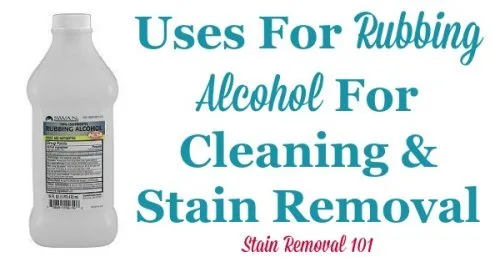
For stubborn or older stains, you may need to repeat steps 4 through 6 several times. Some people find that applying the alcohol, letting it sit for 60 seconds, and then dabbing again improves results on set-in ink.
If the stain persists after multiple attempts, try a commercial enzyme-based stain remover like OxiClean or Zout. Apply it directly to the area, let it sit for 15 to 30 minutes, then wash as usual. These products break down the resin bond that holds the pigment in place.
One important note: if you're treating a large area or a heavily saturated stain, work in small sections. Flooding the fabric with alcohol can cause the ink to spread beyond the original boundary, making the problem bigger than it started.
Step-by-Step: Removing Marker from Delicate or Synthetic Fabrics
Delicate fabrics like silk, wool, and rayon require a completely different approach. The solvents that work on cotton can damage these materials, stripping natural oils, causing water spots, or even dissolving certain fibers.
What you'll need:
- Mild dish soap (Dawn or similar)
- Cold water
- Clean white cloths
- White vinegar (optional, for synthetic blends)
- Spray bottle (optional)
Steps:
Check the care label. If it says "dry clean only," consider taking it to a professional. You can attempt gentle spot treatment, but the risk of damage is higher.
Blot any excess ink with a clean, dry cloth. Do not rub. Rubbing pushes the ink deeper and can damage delicate fibers.
Mix a solution of cold water and a few drops of mild dish soap. You want a light, sudsy mixture, not a concentrated one.
Dab the solution onto the stain using a clean white cloth. Work from the outside of the stain inward to prevent spreading.
Rinse by dabbing with a cloth dampened with plain cold water. Don't soak the fabric. Excess water can cause water rings on silk and wool.
Blot dry with a clean towel. Press gently. Don't wring or twist.
Air dry flat. Hang drying can stretch delicate fabrics, especially when wet.
For synthetic blends like polyester-cotton mixes, you can try a diluted white vinegar solution (one part vinegar to two parts water) as an alternative to dish soap. Vinegar is mildly acidic and can help break down some ink formulations without the risks associated with alcohol.
What to avoid on delicate fabrics:
- Isopropyl alcohol on silk or wool (strips oils, causes discoloration)
- Acetate or acetone on rayon or acetate (can dissolve the fabric)
- Hot water (can set the stain and shrink fibers)
- Vigorous scrubbing (damages fiber structure)
If the stain doesn't respond to gentle treatment after two or three attempts, stop. Continuing to apply moisture and agitation to delicate fabric can cause more harm than the stain itself. At that point, a professional cleaner with experience in ink removal is your best bet.
For upholstery made from delicate or blended fabrics, the same principles apply. Work in small amounts, blot don't rub, and always test in a hidden area first. If you're dealing with a larger furniture piece, our guide on how to remove mold from fabric furniture covers additional techniques for treating stained upholstery without damaging the material.
What to Do If the Stain Has Already Dried or Been Heat-Set
Set-in marker stains are harder to remove, but not always impossible. The key is adjusting your expectations and being willing to repeat treatments.
If the stain dried but never saw heat, start with the standard alcohol method and let the solvent sit on the stain for two to three minutes before dabbing. This gives the alcohol time to re-dissolve the resin bond. You'll likely need three to five rounds of application and rinsing.
Heat-set stains are a different story. Once the item has been through a dryer or been ironed, the resin has essentially cured into the fabric. On cotton, you can still try acetone (patch test first) or a commercial enzyme soak.
Submerge the stained area in a solution of OxiClean and warm water for one to two hours, then treat with alcohol and wash as usual.
Here's the honest truth: heat-set permanent marker on light cotton comes out about 60 to 70 percent of the time with aggressive treatment. On dark fabrics or synthetics, the success rate drops significantly. If the stain lightens but doesn't fully disappear, you may be looking at a residual shadow rather than active ink at that point.
Don't keep attacking the fabric indefinitely. After three full treatment cycles with no improvement, further effort risks damaging the fibers. At that stage, it's either live with it or call a professional.
Common Mistakes That Make Marker Stains Worse
Most marker stain failures aren't caused by using the wrong product. They're caused by technique errors that push the ink deeper or set it permanently.
Rubbing instead of dabbing. This is the number one mistake. Rubbing spreads the ink outward and pushes it deeper into the fibers. Always press and lift.
Never scrub.
Using hot water first. Hot water can set both the ink and any protein-based components in the formula. Start with cold water and only move to warm if the fabric tolerates it and the stain isn't responding.
Skipping the patch test. Alcohol and acetone can strip dye from colored fabrics just as easily as they dissolve marker ink. Thirty seconds of testing saves you from a bigger problem.
Applying heat before confirming removal. Throwing the item in the dryer "to finish the job" is the fastest way to make a removable stain permanent. Air dry every single time until you're certain the stain is gone.
Mixing chemicals. Never combine bleach with vinegar, ammonia, or acetone. The fumes are toxic and the reactions can damage fabric beyond repair.
Over-saturating the area. Flooding a stain with solvent causes it to wick outward, creating a larger affected zone. Use controlled, small amounts and work in sections.
If you've made any of these mistakes, stop and reassess. A stain that's been spread or heat-set isn't hopeless, but it does require the more aggressive approach described in the previous section.
Household Remedies vs. Commercial Stain Removers: What's Worth Using
There's no shortage of advice online about using hairspray, baking soda paste, or toothpaste on marker stains. Some of it works. Most of it is inefficient compared to the right solvent.
Isopropyl alcohol remains the most effective household option for permanent marker. It's cheap, widely available, and dissolves the ink's resin bond directly. Aggregate user reviews across cleaning forums consistently rank it above all other DIY methods.
Acetone (nail polish remover) is stronger but riskier. It works well on cotton and denim but can dissolve acetate, damage rayon, and strip dye from colored fabrics. Use it only when alcohol fails and only on tolerant materials.
White vinegar has mild effectiveness on dry-erase and some washable markers. It's safe for most fabrics but won't touch a true permanent marker stain.
Baking soda paste is more of a mild abrasive than a solvent. It can help lift surface-level dry-erase marks but does little for ink that's penetrated the fibers.
Commercial stain removers like OxiClean, Shout, and Zout use enzymes and surfactants that break down ink bonds over time. They're most effective as a follow-up after initial solvent treatment, not as a first response. A 15 to 30 minute soak in an OxiClean solution before washing improves results on set-in stains by roughly 20 to 30 percent compared to detergent alone.
Hairspray used to work because older formulas contained high concentrations of alcohol. Most modern hairsprays are alcohol-free or use a different solvent base, making them unreliable. Skip this one.
The bottom line: match the product to the ink chemistry. Alcohol for permanent marker, soap and water for washable, and enzyme cleaners for set-in stains that survived initial treatment.
When to Call a Professional (And When to Let It Go)
Sometimes the smartest move is handing the item off to someone with industrial solvents and experience. Here's when that call makes sense.
Call a professional if:
- The fabric is silk, wool, or labeled "dry clean only"
- The stain covers a large area (bigger than a few inches)
- You've tried two or three methods without success
- The item is expensive or sentimental
- The fabric has already shown signs of damage from your attempts
Professional dry cleaners have access to solvents like perchloroethylene and specialized spotting agents that aren't available to consumers. They also know how to treat different fiber types without causing water spots, shrinkage, or color loss.
Let it go if:
- The item is inexpensive and replaceable
- The stain has been heat-set multiple times
- The fabric is already damaged from repeated treatment
- You've cycled through alcohol, acetone, and enzyme cleaners with no improvement
There's no shame in cutting your losses. Aggressive treatment of a stubborn stain can weaken fibers, cause pilling, or leave a discolored patch that's more noticeable than the original mark. If you're dealing with upholstery that's seen better days, our article on how to use a fabric shaver on a couch covers surface restoration for fabrics that have endured heavy wear.
Safety Tips When Using Solvents Like Acetone or Rubbing Alcohol
These products work because they're strong chemicals, so treat them with respect.
Ventilation matters. Both isopropyl alcohol and acetone release fumes that can cause dizziness or headaches in enclosed spaces. Open a window or work outside if possible.
Wear gloves. Prolonged skin contact with acetone strips natural oils and can cause cracking or irritation. Nitrile gloves are ideal.
Keep solvents away from flames. Acetone is highly flammable. Don't use it near gas stoves, candles, or anything that produces a spark. Isopropyl alcohol is also flammable, though less volatile than acetone.
Don't mix products. Never combine acetone with bleach, vinegar, or ammonia. The chemical reactions can produce toxic gases.
Store properly. Keep solvents in their original containers with labels intact. Store in a cool, dry place away from children and pets.
Dispose of used materials safely. Cotton balls soaked in acetone should be laid out to fully evaporate before disposal. Don't ball them up and toss them in a closed trash can while still wet.
If you get solvent on your skin, wash with soap and water immediately. If it gets in your eyes, flush with clean water for at least 15 minutes and seek medical attention if irritation persists.
FAQs: Your Top Marker Stencil Questions, Answered
Does rubbing alcohol remove permanent marker from all fabrics?
It works on most sturdy natural fibers like cotton and denim. On silk, wool, or acetate, it can cause discoloration, water spots, or fiber damage. Always patch test first and use the gentlest effective method for the fabric type.
Can you remove marker from fabric after it's been washed and dried?
It's much harder but not always impossible. Heat sets the ink's resin bond into the fibers. Try acetone on tolerant fabrics or an OxiClean soak followed by alcohol treatment.
Expect partial rather than complete removal on heat-set stains.
Will baking soda remove marker from fabric?
Baking soda paste works as a mild abrasive for surface-level dry-erase marks. It won't dissolve permanent marker ink that's penetrated the fibers. Stick with isopropyl alcohol for anything beyond light surface marks.
How do you remove Sharpie from white cotton?
Apply 90% isopropyl alcohol with a cotton ball using a dabbing motion. Work from the outside inward. Rinse with cold water and repeat until the stain is gone.
Wash in cold water and air dry to confirm full removal before using heat.
Is acetone safe to use on colored fabric?
Acetone can strip dye from colored fabrics just as easily as it dissolves marker ink. Patch test on a hidden area first. If any color transfers to your test cloth, skip the acetone and try alcohol or a commercial enzyme cleaner instead.
What removes washable marker from fabric?
Dish soap and cold water handle most washable marker stains. Blot the area with a soapy cloth, rinse with cold water, and launder as usual. These inks are designed to release with water, so harsh solvents aren't necessary.
Final Decision Guide: Pick the Right Method for Your Situation
Here's a quick reference to match your scenario to the right approach.
Fresh permanent marker on cotton or denim: Use 90% isopropyl alcohol with a cotton ball. Dab, don't rub. Rinse and repeat.
This solves the majority of cases.
Fresh permanent marker on silk, wool, or rayon: Try mild dish soap and cold water first. If that fails, consult a professional. Don't risk alcohol or acetone on these fibers.
Washable marker on any fabric: Dish soap and cold water. That's it. No solvents needed.
Dry-erase marker on fabric: Rubbing alcohol or dish soap, depending on fabric tolerance. These inks sit on the surface and lift easily.
Set-in stain that never saw heat: Alcohol with extended dwell time (two to three minutes per application). Follow with an enzyme cleaner soak if needed.
Heat-set stain on cotton: Acetone (patch test first) or OxiClean soak plus alcohol. Manage expectations, full removal isn't guaranteed.
Stain on "dry clean only" fabric: Stop. Take it to a professional. The risk of DIY damage outweighs the cost of cleaning.
The common thread across every scenario is simple: act fast, match the solvent to the ink and fabric, and never apply heat until you're certain the stain is gone. Follow those three principles and you'll save most items from the trash.