How to Get Rid of Cigarette/smoke Smell on Clothes in 2026
You know that moment when you pull on a jacket from last weekend and get hit with a wave of stale cigarette smoke? It's one of those problems that seems simple until you realize the smell has literally bonded with the fabric. Learning how to get rid of cigarette/smoke smell on clothes isn't about masking it with perfume.
It's about breaking down the volatile organic compounds (VOCs) that smoke leaves behind in every fiber.
Here's the thing most people miss: smoke particles are sticky, oily, and incredibly small. They don't just sit on the surface of your clothes. They embed themselves deep into the weave, especially in natural fibers like cotton and wool.
According to the U.S. Environmental Protection Agency, thirdhand smoke residue, the invisible film left after visible smoke clears, can persist on fabrics for weeks or even months if not properly treated. That's why a quick spray of Febreze won't cut it.
You need a method that actually neutralizes the odor at a chemical level.
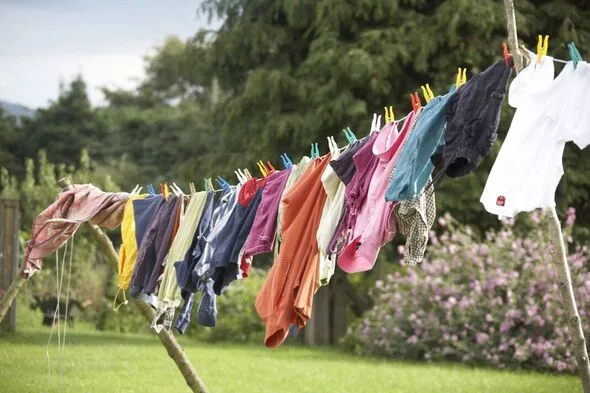
Image source: Bing (Web (fair-use with source credit))
Quick Answer
Wash smoke-affected clothes with warm water, enzymatic detergent, and one cup of white vinegar in the rinse cycle. For set-in odor, soak fabrics in a baking soda solution (one cup per gallon of water) for two to four hours before washing. Dry clothes in direct sunlight when possible.
For dry-clean-only garments, use activated charcoal bags in a sealed container for 24 to 48 hours.
Why Smoke Smell Clings to Clothes (And Why It's So Hard to Remove)
Cigarette smoke releases over 7,000 chemicals, according to the EPA. Many of these are volatile organic compounds that readily attach to surfaces, including fabric fibers. The oily nature of smoke residue means it doesn't rinse away with water alone.
Think of it like cooking grease on a stovetop. You wouldn't just wipe it with a dry cloth and call it clean. Smoke residue works the same way on your clothes.
It coats each fiber and settles into the tiny gaps between threads.
Synthetic fabrics like polyester tend to hold smoke odor even worse than natural fibers. That's because polyester is essentially plastic, and those oily smoke compounds bond strongly with plastic-based materials. Cotton absorbs the smell differently, pulling moisture and odor particles into the fiber itself.
The longer smoke exposure goes untreated, the deeper those compounds penetrate. A shirt worn once in a smoky bar might freshen up with a single wash. A jacket that's been hanging in a smoker's closet for months?
That's a completely different challenge.
How Smoke Particles Bond with Different Fabrics
Not all fabrics react to smoke the same way. Understanding what you're working with is the first step to choosing the right treatment.
Cotton and linen are highly absorbent. They pull smoke particles into the fiber core, which means the odor sits deep but can often be drawn out with the right soaking method.
Polyester and nylon are hydrophobic, meaning they repel water. Smoke residue coats the outside of each fiber and clings to the surface. Water-based cleaning alone won't break that bond.
You need something that cuts through oil, like an enzymatic detergent.
Wool and silk are protein-based fibers. They're delicate and can be damaged by harsh chemicals or high heat. These require gentler approaches, like activated charcoal absorption or professional dry cleaning.
Blended fabrics (like cotton-polyester mixes) combine the worst of both worlds. The cotton absorbs odor while the polyester traps oily residue on the surface. These usually need a multi-step approach.
Here's a quick reference:
| Fabric Type | Smoke Retention Level | Best Treatment Approach |
|---|---|---|
| Cotton / Linen | Moderate (absorbs into fiber) | Baking soda soak + hot water wash |
| Polyester / Nylon | High (oily surface bond) | Enzymatic detergent + vinegar rinse |
| Wool / Silk | Moderate (delicate fiber) | Activated charcoal or dry cleaning |
| Cotton-Poly Blend | High (dual absorption) | Multi-step: soak, wash, charcoal |
Your First Move: Check Fabric Type and Care Label Before Treating
Before you grab any cleaning product, flip that garment inside out and read the care label. This single step saves you from shrinking a wool sweater or bleeding color out of a dark shirt.
The care label tells you three critical things: the fiber content, the maximum water temperature, and whether the item is machine-washable or dry-clean only. All three directly affect which odor-removal method you should use.
If the label says "dry clean only," don't ignore it. Silk, rayon, and structured garments like blazers can lose their shape or develop water stains if you try to soak them. For these, your best bet is activated charcoal treatment or taking them to a professional dry cleaner who specializes in odor removal.
For machine-washable items, check the temperature rating. Hot water (130°F or above) is more effective at breaking down smoke residue, but only if the fabric can handle it. Cotton and sturdy synthetics can usually take warm to hot water.
Delicates and colored items should stay on cold or warm.
Also look for any special warnings like "do not bleach" or "wash separately." These matter because some odor-removal methods involve additives that could react badly with certain dyes or finishes.
Light vs. Set-In Odor: How Severity Changes Your Approach
Not every smoke-smell situation is equal. A shirt that picked up a faint whiff at an outdoor gathering needs a completely different treatment than a coat that's lived in a smoky apartment for a year.
Light odor means the garment was briefly exposed to smoke. Maybe you walked through a smoking area or sat near someone who was smoking. The smell is noticeable but not overwhelming.
For light odor, a standard wash cycle with enzymatic detergent and a half-cup of white vinegar in the rinse is usually enough. Air drying in direct sunlight adds extra deodorizing power.
Moderate odor is what you get from regular exposure. Think of clothes worn by a smoker throughout the day or garments stored in a room where people smoke occasionally. These need a pre-soak step.
A baking soda solution (one cup per gallon of cold water) for one to two hours before washing will draw out a significant amount of embedded odor.
Set-in or heavy odor is the tough one. This is clothing that's been saturated with smoke over weeks or months. The VOCs have fully bonded with the fibers.
For these items, you'll likely need multiple treatment rounds. Start with a four-hour baking soda soak, wash with enzymatic detergent and vinegar, then place the garment in a sealed bag with activated charcoal for 48 hours. Repeat if necessary.
Here's a simple decision flow:
- Faint smell, recent exposure → Wash with vinegar rinse + sun dry
- Noticeable smell, regular exposure → Baking soda soak + enzymatic wash
- Strong smell, long-term exposure → Multi-step: soak, wash, charcoal, repeat
The key is matching the intensity of your treatment to the intensity of the odor. Using a heavy-duty method on a lightly affected garment isn't harmful, but it's a waste of time and supplies. On the flip side, a quick wash won't touch set-in smoke odor, and you'll just end up frustrated.
Best Home Remedies That Actually Neutralize Smoke Smell
Plenty of home remedies float around online, but only a few actually work at a chemical level. The ones below have real science behind them. They don't just cover up the smell.
They break down or absorb the compounds causing it.
Baking Soda Soak
Baking soda (sodium bicarbonate) is a natural deodorizer. It works by absorbing odor molecules rather than masking them. It's especially effective for natural fibers like cotton and linen.
How to do it:
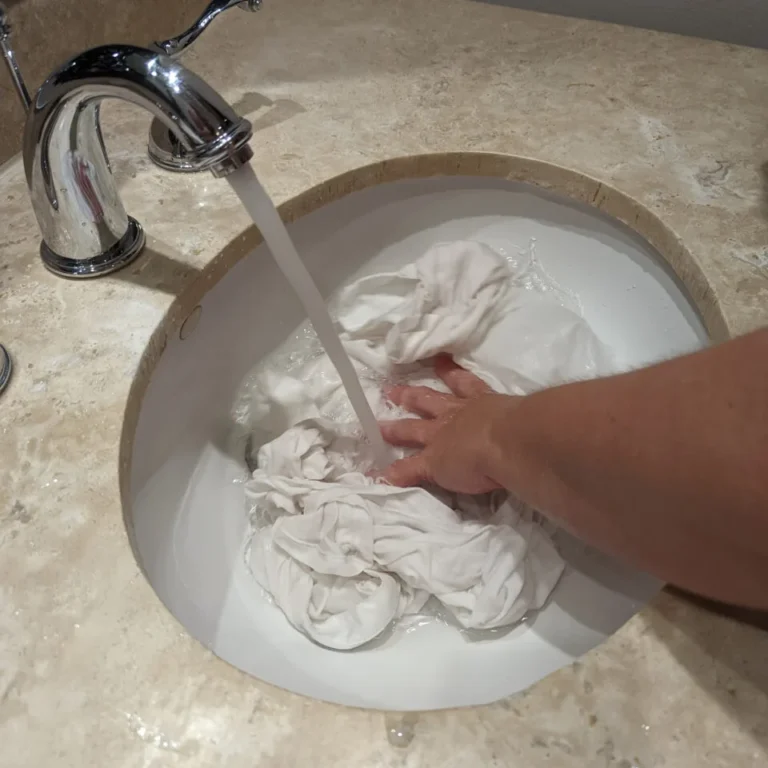
Fill a basin or sink with cold water. Add one cup of baking soda per gallon of water and stir until dissolved. Submerge the smoke-affected garment completely.
Let it soak for one to four hours depending on odor severity. After soaking, wash the item as usual with your regular detergent.
For heavy odor, you can add a half-cup of baking soda directly into the wash cycle along with your detergent. This gives you a double dose of deodorizing power.
Baking soda is safe for most washable fabrics and won't cause color fading. It's also inexpensive and available at any grocery store.
Image source: Bing (Web (fair-use with source credit))
White Vinegar Wash
White vinegar (5% acetic acid) neutralizes alkaline odor compounds found in smoke residue. It also acts as a natural fabric softener and helps strip away the oily film that smoke leaves on fibers.
How to do it:
Add one cup of white vinegar to the rinse cycle of your washing machine. If your machine doesn't have a dedicated rinse-cycle dispenser, you can add it manually during the final rinse. Wash your clothes as normal with enzymatic detergent.
Don't worry about the vinegar smell. It completely dissipates as the clothes dry. Your garments won't come out smelling like a salad.
One critical warning: never mix vinegar with bleach. The combination produces chlorine gas, which is toxic. If you use bleach in any of your laundry loads, keep vinegar completely separate.
Vinegar works best on cotton, polyester, and blends. Avoid using it on silk or wool, as the acid can damage protein-based fibers over time.
Image source: Bing (Web (fair-use with source credit))
Activated Charcoal Treatment
Activated charcoal is one of the most effective tools for absorbing smoke odor, especially for items that can't be washed. It works through adsorption, a process where odor molecules stick to the surface of the charcoal.
How to do it:
Place the smoke-affected garment in a sealed plastic bag or airtight container. Add activated charcoal bags or loose activated charcoal (available at pet supply stores or hardware stores). Seal the container and leave it for 24 to 72 hours.
For best results, use about one cup of activated charcoal per garment. Make sure the charcoal is "activated" rather than regular charcoal briquettes. Activated charcoal has been treated to increase its surface area, making it far more effective at trapping odor molecules.
This method is ideal for dry-clean-only items, delicate fabrics, and anything that's been heavily exposed to smoke. It's also great for items like coats and jackets that you don't want to wash frequently.
You can reuse activated charcoal by placing it in direct sunlight for a few hours. The UV light helps release trapped odor molecules, recharging the charcoal for another round.
Image source: Bing (Web (fair-use with source credit))
When to Use Enzymatic Detergent Instead of Regular Laundry Soap
Regular detergent cleans dirt and surface grime. Enzymatic detergent goes further. It contains biological enzymes that break down organic compounds, including the oily residue smoke leaves on fabric fibers.
If you've washed a smoke-affected garment with regular detergent and the smell came back after drying, that's your cue to switch. Regular soap can't break the chemical bond between smoke VOCs and fabric. Enzymatic formulas can.
Look for detergents labeled "enzyme-based" or "bio-enzymatic." These contain protease, amylase, and lipase enzymes. Lipase is the key one for smoke odor because it specifically targets oils and fats. The enzymes digest the oily residue into smaller molecules that rinse away easily.
Enzymatic detergents work best in warm water, around 100°F to 120°F. Hot water can denature the enzymes and reduce their effectiveness. Cold water slows them down.
Warm is the sweet spot.
One wash with enzymatic detergent won't always solve heavy smoke odor. For set-in smells, pair it with a baking soda pre-soak. The soak loosens embedded particles, then the enzymes finish the job during the wash cycle.
Step-by-Step: Washing Smoke-Smell Out of Machine-Washable Clothes
Here's the full process for garments that can handle a machine wash. Follow these steps in order for the best results.
Step 1: Pre-soak in baking soda solution. Fill a basin with cold water and add one cup of baking soda per gallon. Submerge the garment for one to four hours. This draws out surface-level odor particles before the wash.
Step 2: Drain and lightly rinse. You don't need to wring the item out completely. Just let excess water drain off before loading the machine.
Step 3: Add enzymatic detergent to the wash cycle. Use the amount recommended on the detergent packaging for your load size. Set the water temperature to warm (not hot) to keep the enzymes active.
Step 4: Add white vinegar to the rinse cycle. Pour one cup into the fabric softener dispenser or add it manually during the final rinse. This neutralizes any remaining alkaline odor compounds.
Step 5: Dry in direct sunlight if possible. UV light has natural deodorizing properties. Hang clothes outside on a sunny, breezy day. If you must use a machine dryer, use a low heat setting and add a dryer sheet designed for odor elimination.
Step 6: Check for residual odor before putting clothes away. If you can still smell smoke after drying, repeat the process. Some heavily affected items need two or three rounds before the odor is fully gone.
How to Treat Dry-Clean-Only or Delicate Garments Safely
You can't toss a silk blouse or wool blazer into the washing machine. For these items, you need methods that work without water or agitation.
Activated charcoal in a sealed container is your best option. Place the garment in a large plastic bag or storage bin. Add two to three activated charcoal bags (the kind sold for closet odor control).
Seal everything tightly and leave it for 48 to 72 hours. The charcoal will absorb smoke molecules directly from the fabric.
Professional dry cleaning is the next step if charcoal doesn't fully work. Not all dry cleaners are equal, though. Call ahead and ask if they specialize in odor removal.
Some use ozone treatment machines that break down smoke compounds at a molecular level. This is far more effective than standard dry cleaning solvents alone.
Steam cleaning works for structured garments like coats and blazers. A garment steamer penetrates fabric with hot vapor, loosening embedded odor particles. Hold the steamer six inches from the fabric and work in slow, even passes.
Let the item dry completely in a well-ventilated area afterward.
For delicate items like silk or cashmere, avoid direct sunlight. UV light can weaken protein-based fibers over time. Instead, hang them in a well-ventilated indoor space near an open window with indirect light.
Air Drying vs. Machine Drying: Which Helps More?
Air drying wins for odor removal, and it's not close. Here's why.
Sunlight contains ultraviolet radiation that breaks down organic odor compounds. When you hang smoke-affected clothes outside, the UV light essentially degrades the VOCs trapped in the fabric. Fresh air circulation also carries away volatile molecules as they're released from the fibers.
Machine dryers do the opposite in some ways. The heat can temporarily "bake in" any remaining odor particles that weren't fully removed during the wash. The tumbling action also redistributes residue evenly throughout the garment instead of letting it escape.
That said, not everyone has outdoor drying space. If you're working with a machine dryer, use the lowest heat setting. Add an odor-neutralizing dryer sheet.
And make sure the garment is as odor-free as possible before it goes in. The dryer should be the last step, not a fix for incomplete washing.
A practical compromise: air dry indoors near an open window with a fan running. You won't get UV benefits, but the airflow still helps release trapped odor molecules.
Common Mistakes That Make Smoke Odor Worse
Some well-intentioned efforts actually set the smell deeper into fabric. Here are the mistakes to avoid.
Using scented sprays or fabric fresheners as the only treatment. These mask odor with fragrance. They don't remove the underlying VOCs. Once the perfume fades, the smoke smell returns, sometimes stronger than before.
Washing smoke-affected clothes with your regular laundry. Smoke residue transfers to other garments in the same load. Always wash smoke-affected items separately until the odor is completely gone.
Using hot water on delicate or synthetic fabrics. High heat can set oily residue into polyester and damage silk or wool. Always match water temperature to the fabric type.
Overloading the washing machine. Clothes need room to agitate freely. An overcrowded machine doesn't clean effectively, and odor particles stay trapped in the fabric.
Storing clothes before confirming the odor is gone. Putting a still-smelly garment in your closet contaminates everything around it. Always do a smell test after drying. If you detect even a faint trace of smoke, treat it again before storing.
Mixing cleaning products. Vinegar and bleach produce toxic chlorine gas. Ammonia and bleach create chloramine vapor. Stick to one additive per wash cycle and never combine chemicals.
When Home Methods Fail: Professional Options That Work
If you've tried multiple rounds of soaking, washing, and charcoal treatment and the smell still hangs around, it's time to call in professionals.
Ozone treatment is the most effective professional option. Ozone generators produce O3 molecules that oxidize and destroy smoke VOCs on contact. Many dry cleaners and restoration companies offer this service.
A typical treatment runs 30 minutes to two hours in a sealed chamber.
Another option is professional wet cleaning. Unlike standard dry cleaning, this method uses water and specialized biodegradable detergents in computer-controlled machines. It's gentler than home washing but more aggressive than dry cleaning solvents.
Professional smoke odor removal typically costs $15 to $50 per garment depending on the item and severity. Restoration companies that handle fire and smoke damage may charge more, but they have industrial-grade equipment.
How Long Each Method Takes (And How Many Rounds You Might Need)
Timing varies widely based on the method and odor severity. Here's a realistic breakdown.
| Method | Time per Round | Rounds Needed (Light Odor) | Rounds Needed (Heavy Odor) |
|---|---|---|---|
| Vinegar wash only | 2 to 3 hours | 1 | 2 to 3 |
| Baking soda soak + wash | 4 to 6 hours | 1 | 2 to 3 |
| Activated charcoal (sealed) | 24 to 72 hours | 1 | 2 |
| Ozone treatment (professional) | 1 to 2 hours | 1 | 1 to 2 |
Patience is key. Rushing the process or skipping steps usually means repeating everything anyway.
Safety Warnings: What Never to Mix or Overuse
Never mix vinegar and bleach. The reaction produces chlorine gas, which is dangerous even in small amounts. Keep these products completely separate in your laundry routine.
Ozone generators should only be used in unoccupied spaces. Ozone is harmful to lungs. If you're using one at home, remove all people and pets from the area.
Air out the space thoroughly before re-entry.
Don't overuse baking soda on delicate fabrics. Prolonged exposure can leave a chalky residue that's hard to rinse out. Stick to the recommended soak times.
Activated charcoal is non-toxic but messy. Handle it over a sink or outdoors. The fine black powder stains surfaces and is difficult to clean up.
Final Decision Guide: Pick the Right Method Based on Your Situation
Use this quick reference to choose your approach.
- Light odor, washable fabric: Vinegar rinse + sun dry.
- Moderate odor, washable fabric: Baking soda soak + enzymatic wash + vinegar rinse.
- Heavy odor, washable fabric: Full multi-step, repeat twice if needed.
- Any odor, dry-clean-only fabric: Activated charcoal for 48 hours, then professional treatment if odor remains.
Match the treatment intensity to the odor intensity. Start simple and escalate only if needed.
Frequently Asked Questions
Does cold water remove smoke smell?
Cold water alone won't remove smoke odor effectively. The oily VOCs in smoke residue need warm water and enzymatic detergent to break down. Use cold water only for the baking soda pre-soak step.
How many times do I need to wash clothes to remove smoke smell?
For light odor, one thorough wash with vinegar rinse is usually enough. For moderate to heavy odor, expect two to three full treatment cycles including pre-soak and charcoal absorption.
Can Febreze or air freshener remove smoke smell permanently?
No. Scented sprays only mask odor temporarily. They don't break down the chemical compounds causing the smell.
The smoke odor returns once the fragrance fades.
Is ozone treatment safe for all fabrics?
Ozone is effective on most fabrics but can degrade rubber components and certain dyes over time. Use it as directed by a professional service and avoid repeated exposure for delicate items.
Does hanging clothes outside really help?
Yes. Direct sunlight breaks down odor molecules through UV exposure, and fresh air circulation carries away released VOCs. It's one of the simplest and most effective finishing steps.
Can I wash smoke-affected clothes with my regular laundry?
No. Smoke residue transfers to other garments in the same load. Always wash smoke-affected items separately until the odor is completely eliminated.