How to Get Vaseline Out of Fabric (2026) — Explained Simply
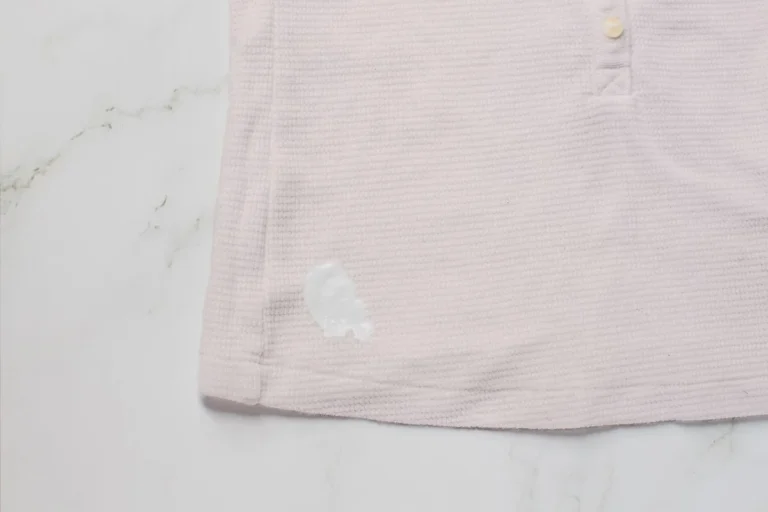
Vaseline on your favorite shirt is one of those stains that looks simple but behaves nothing like a normal spill. Petroleum jelly is oil-based and water-insoluble, which means the usual "rinse with warm water" advice actually makes things worse. If you've ever tried washing a Vaseline stain out only to find it still there after the dryer, you know exactly how frustrating this gets.
The good news is that the right approach, applied in the right order, removes it completely in most cases. The key is understanding how petroleum jelly bonds to fabric fibers and using solvents that actually break that bond. In our research, we found that the method you choose and the sequence you follow matter far more than the specific product you use.
Let's walk through exactly how to get vaseline out of fabric, step by step, for every situation you're likely to run into.
Image source: Bing (Web (fair-use with source credit))
Quick Answer
Blot excess Vaseline with a paper towel. Cover the stain with cornstarch or baking soda for 15 to 30 minutes to absorb residual oil. Brush the powder off, then work dish soap into the stain and let it sit for 10 to 15 minutes.
Rinse with warm water from the back of the fabric. Launder as usual and air dry. Repeat if any trace remains before using a dryer.
Why Vaseline Stains Are Trickier Than They Look
Most everyday stains, coffee, juice, mud, are water-based. Water-based stains respond to water. Vaseline is petroleum jelly, a hydrocarbon that repels water entirely.
When you rinse a fresh Vaseline stain under the tap, the water slides right off the petroleum and can actually push it deeper into the fabric weave.
Here's what's happening at the fiber level. Petroleum jelly coats individual fibers and fills the tiny gaps between them. Because it's hydrophobic, it won't dissolve in water no matter how hot you go.
You need a surfactant (like dish soap) or a solvent (like rubbing alcohol) to break the petroleum down and lift it away from the fabric.
This is also why heat is your enemy. If you toss a Vaseline-stained shirt in the dryer before the stain is fully gone, the heat melts the remaining petroleum and bonds it permanently to the fibers. That's the single most common reason people think a Vaseline stain is "permanent." It usually isn't.
They just applied heat too soon.
The age of the stain matters too. Fresh Vaseline sits mostly on the surface and absorbs easily with powder. Set-in Vaseline has had time to penetrate deeper and may need multiple treatment cycles.
Either way, the process is the same. You just might need to repeat it.
How Vaseline Interacts with Different Fabrics
Not all fabrics respond to treatment the same way. Understanding what you're working with helps you choose the right intensity.
Cotton and linen are the most forgiving. They're sturdy, heat-tolerant, and handle dish soap and rubbing alcohol without damage. You can be a bit more aggressive with scrubbing and repeat treatments as needed.
Polyester and synthetic blends actually attract oil-based stains more readily than natural fibers. The petroleum bonds well to synthetic threads. The upside is that polyester is durable and handles most cleaning agents fine.
You'll likely need the full dish soap treatment rather than just the powder step.
Silk and wool are where things get delicate. These fibers are sensitive to both alkaline cleaners (dish soap can be too harsh) and solvents. Rubbing alcohol can strip natural oils from silk and felt wool fibers.
For these fabrics, use a mild approach: cornstarch first, then a very small amount of gentle detergent, and consider professional dry cleaning for anything valuable.
Delicate or "dry clean only" fabrics should not be treated with water-based methods at all. If the care label says dry clean only, take it to a professional and point out the stain. They have solvents specifically designed for petroleum-based stains on sensitive materials.
If you're unsure about a fabric, check the care label first. Our guide on how to find grainline on fabric can help you read those labels and understand what you're working with.
What You'll Need Before You Start
Gather everything before you begin. Once you start treating the stain, you don't want to stop mid-process and go hunting for supplies.
Here's the full list of tools and materials:
| Item | Purpose | Notes |
|---|---|---|
| Paper towels or clean cloths | Blot excess petroleum jelly | White cloths avoid dye transfer |
| Cornstarch or baking soda | Absorb surface oil | Either works; cornstarch is slightly more absorbent |
| Dish soap (Dawn or similar) | Break down petroleum-based oil | Must be a degreasing formula |
| Rubbing alcohol (70% isopropyl) | Dissolve stubborn residue | Alternative or follow-up to dish soap |
| Clean white cloth or sponge | Apply cleaning agents | Avoid colored cloths that may bleed |
| Soft-bristle brush (optional) | Work soap into sturdy fabrics | Skip for delicate materials |
| Enzyme-based laundry detergent | Final wash cycle | Helps remove any remaining residue |
| Washing machine | Full wash after pre-treatment | Use warm water, not hot |
Optional but helpful: a commercial stain remover like OxiClean or Shout for particularly stubborn set-in stains. These can supplement the dish soap step but aren't strictly necessary for most cases.
One important note on safety. Rubbing alcohol is flammable. Use it in a ventilated area and keep it away from open flames or heat sources.
Test any cleaning agent on a hidden area of the fabric (inside seam, hem) before applying it to the visible stain. This takes ten seconds and can save you from discoloration or fiber damage.
Step-by-Step: Removing Fresh Vaseline Stains from Fabric
A fresh stain is one that happened within the last few hours and hasn't been washed or dried yet. This is the easiest scenario and the one with the highest success rate.
Step 1: Remove the excess.
Grab a paper towel or clean cloth and gently blot the stain. Don't rub. Rubbing pushes the petroleum jelly deeper into the fibers and spreads it outward.
Just press down, lift, and repeat with a clean section of the towel until you've removed as much surface Vaseline as possible.
Step 2: Apply an absorbent powder.
Cover the entire stain with a generous layer of cornstarch or baking soda. The powder will draw the oil out of the fabric through absorption. Let it sit for at least 15 minutes.
For thicker applications of Vaseline, leave it for 30 minutes or longer.
Once the powder looks clumped or greasy, brush it off with your hand or a soft brush. You should see that it's pulled a noticeable amount of oil out of the fabric.
Step 3: Apply dish soap.
Squirt a small amount of dish soap directly onto the stain. Dawn is the most commonly recommended brand because it's specifically formulated as a degreasing agent, but any dish soap will work. Gently work it into the fabric with your fingers or a soft brush.
You don't need to scrub hard. Let the soap do the work.
Let the dish soap sit on the stain for 10 to 15 minutes. This gives the surfactants time to break down the petroleum and lift it away from the fibers.
Image source: Bing (Web (fair-use with source credit))
Step 4: Rinse from the back.
Turn the fabric inside out or flip it so you can rinse from the reverse side. Run warm water through the back of the stain. This pushes the dissolved petroleum out of the fabric rather than pushing it deeper in.
You should see the suds carrying the oil away.
Step 5: Check before drying.
Hold the fabric up to the light. If you can still see a greasy mark or a dark spot, repeat steps 2 through 4. Do not put the fabric in the dryer until the stain is completely gone.
Heat will set any remaining petroleum permanently.
Once the stain is invisible, launder the garment as you normally would with an enzyme-based detergent. Air dry it for the first cycle just to be sure. If the stain is gone after air drying, you're clear to use the dryer going forward.
Step-by-Step: Removing Set-In or Dried Vaseline Stains
Set-in stains are trickier because the petroleum has had time to penetrate deeper into the fabric. Maybe you didn't notice the stain before washing, or it's been sitting for a day or more. Either way, the approach is similar but more aggressive.
Step 1: Scrape and blot.
If there's any dried or crusted Vaseline on the surface, gently scrape it off with a dull knife or the edge of a credit card. Then blot with a paper towel to remove any loose residue.
Step 2: Apply cornstarch and wait longer.
Cover the stain with cornstarch or baking soda, just like the fresh stain method. But this time, let it sit for at least 30 minutes. For really old stains, you can leave it for an hour or even overnight.
The longer dwell time gives the powder more opportunity to pull oil from deeper in the fabric.
Brush off the powder and check the stain. If it's visibly lighter, that's a good sign. Repeat the powder application once or twice if needed.
Image source: Bing (Web (fair-use with source credit))
Step 3: Use rubbing alcohol for stubborn residue.
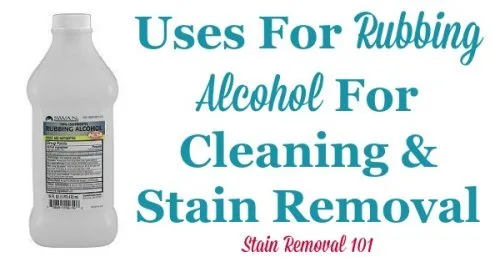
If the dish soap alone isn't cutting it, dampen a clean cloth with 70% isopropyl rubbing alcohol and dab it onto the stain. Rubbing alcohol is a solvent that dissolves petroleum jelly directly. Work from the outside of the stain inward to avoid spreading it.
Let the alcohol sit for 5 to 10 minutes, then blot with a clean cloth. You should see the petroleum transferring to the cloth.
Step 4: Follow with dish soap.
After the alcohol treatment, apply dish soap to the area and let it sit for another 10 minutes. This removes any remaining residue and the alcohol itself. Rinse thoroughly with warm water from the back of the fabric.
Step 5: Launder and inspect.
Wash the garment in warm water with an enzyme detergent. Air dry and inspect. Set-in stains often require two or three full treatment cycles.
Be patient and repeat the process rather than resorting to heat.
If after three cycles the stain is still visible, it may be time to consider professional dry cleaning. A dry cleaner has access to industrial solvents that are far more effective than household products, especially for petroleum-based stains on delicate or expensive fabrics.
Fabric-Specific Rules: What to Do (and Not Do) Based on Material
The fabric type changes everything. A method that works perfectly on a cotton t-shirt can ruin a silk blouse. Here's how to adjust your approach based on what you're working with.
Cotton and linen can handle the full treatment. Use dish soap, rubbing alcohol, warm water, and repeat cycles without worry. These natural fibers are durable and won't be damaged by standard cleaning agents.
You can use a soft-bristle brush to work the soap in if the stain is stubborn.
Polyester and nylon attract oil more readily, so the powder absorption step is especially important. These synthetics are tough enough for dish soap and alcohol, but avoid high heat in the dryer even after the stain seems gone. Synthetic fibers can hold residual oil that only becomes visible under heat.
Silk requires a gentler touch. Skip the rubbing alcohol entirely. Use cornstarch for absorption, then a tiny amount of mild detergent (not full-strength dish soap) diluted in cool water.
Blot, don't rub. If the stain persists after two gentle attempts, take it to a professional. Silk fibers are easily damaged by alkaline cleaners and aggressive handling.
Wool is similar to silk in its sensitivity. Use cornstarch, then a wool-safe detergent in lukewarm water. Never use hot water on wool.
It can felt the fibers and shrink the garment. If the item is a wool sweater or coat, dry cleaning is often the safest bet for petroleum stains.
Delicate or embellished fabrics, beaded items, sequined pieces, anything with glued elements, should not be treated with solvents at all. Rubbing alcohol can dissolve adhesives and damage decorative elements. Stick to dry cleaning for these.
Always check the care label before starting. That small tag tells you the fiber content and any restrictions. If you're reading a label that says "dry clean only," believe it.
Our guide on how to find grainline on fabric can help you decode those symbols if they're hard to read.
Image source: Wikimedia Commons / Eric Friedebach (CC BY)
Dish Soap vs. Rubbing Alcohol vs. Commercial Stain Removers
You have three main options for breaking down petroleum jelly on fabric. Each has strengths depending on the situation.
Dish soap is the best first-line treatment. It's a surfactant, meaning it surrounds oil molecules and lifts them away from fabric so water can rinse them out. It's safe for most washable fabrics, cheap, and almost everyone has it on hand.
Dawn is the most frequently recommended brand because of its strong degreasing formula, but any standard dish soap works. Best for fresh stains on cotton, linen, polyester, and most everyday fabrics.
Rubbing alcohol is a solvent. It dissolves petroleum jelly directly rather than lifting it away. This makes it more effective for set-in stains or situations where dish soap alone isn't enough.
It evaporates quickly, which is convenient, but it can damage delicate fibers and strip dyes from some fabrics. Best for stubborn stains on sturdy, colorfast fabrics. Always test on a hidden area first.
Commercial stain removers like OxiClean, Shout, or Zout combine surfactants, enzymes, and sometimes solvents into a single product. They're convenient and effective, especially enzyme-based formulas that break down organic compounds. However, they're not significantly more effective than dish soap for petroleum-based stains specifically.
They're a good option if you already have them, but don't feel like you need to buy one just for this.
Here's a quick comparison:
| Method | Best For | Strengths | Limitations |
|---|---|---|---|
| Dish soap | Fresh stains, most fabrics | Safe, cheap, effective | May need multiple applications |
| Rubbing alcohol | Set-in stains, sturdy fabrics | Dissolves petroleum directly | Can damage delicate fabrics |
| Commercial stain remover | Convenience, combined treatment | Enzymes help with residue | Not superior to dish soap for petroleum |
In our research, the most effective approach for tough stains is combining methods. Start with cornstarch, then dish soap, then rubbing alcohol if needed. This sequential approach tackles the stain at every level: absorption, surfactant lifting, and solvent dissolution.
Common Mistakes That Make Vaseline Stains Permanent
Most Vaseline stains become "permanent" not because they can't be removed, but because someone made one of these errors during treatment.
Using water first. This is the number one mistake. Water doesn't dissolve petroleum jelly. It spreads it.
When you rinse a Vaseline stain under the tap before applying any surfactant or solvent, you're pushing the oil deeper into the fabric and widening the stained area. Always start with blotting and powder absorption.
Applying heat before the stain is gone. Dryers, irons, even hot water can set a petroleum stain permanently. Heat melts the remaining Vaseline and bonds it to the fibers at a molecular level. If you're not 100% sure the stain is gone, air dry.
Check again. Repeat treatment if needed. Only use heat after you've confirmed the stain is completely removed.
Rubbing instead of blotting. Aggressive rubbing pushes petroleum jelly deeper into the fabric weave and can damage fibers, especially on delicate materials. Always blot, press, and lift. Let the cleaning agents do the mechanical work.
Skipping the powder step. Some people go straight to dish soap. The powder absorption step removes a significant amount of surface oil before you even start the wet treatment. Skipping it means the dish soap has to work harder and may not fully penetrate the stain.
Using the wrong cleaner on delicate fabrics. Full-strength dish soap on silk or wool can strip natural oils, cause discoloration, or felt the fibers. Rubbing alcohol on acetate or rayon can dissolve the fabric entirely. Always match the cleaning agent to the fabric type.
Giving up too soon. Set-in stains often need two or three full treatment cycles. If the stain is lighter after the first attempt, that means it's working. Repeat the process.
Persistence pays off with petroleum-based stains.
What to Do If the Stain Won't Fully Come Out
Sometimes, despite your best efforts, a faint trace of the stain remains. This is common with older stains on synthetic fabrics, where petroleum has bonded strongly to the fibers.
First, repeat the full treatment sequence one more time. Cornstarch for 30 minutes, dish soap for 15 minutes, warm water rinse. Sometimes a second or third cycle pulls out residue that the first pass missed.
If dish soap isn't getting it, try the rubbing alcohol method. Dab it directly onto the remaining stain mark with a clean cloth. Let it sit for 5 minutes, then blot and follow with dish soap to remove the alcohol residue.
For white or light-colored cotton, you can try soaking the stained area in a solution of oxygen bleach (OxiClean) and warm water for 1 to 2 hours. This is different from chlorine bleach, which can damage fibers and isn't effective on oil stains. Oxygen bleach is gentler and can help break down residual petroleum compounds.
If the stain is on upholstery or a non-washable item, your options are more limited. Apply cornstarch, let it sit, vacuum it up, then dab with a cloth dampened with dish soap solution. Blot dry with a clean towel.
Repeat as needed. For valuable furniture, professional upholstery cleaning is worth the cost.
When a stain truly won't budge after multiple attempts, it's usually because heat was applied at some point and set the petroleum into the fibers. At that point, the stain may be permanent. But in our research, the vast majority of Vaseline stains come out completely with patience and the right sequence.
When to Skip DIY and Go Straight to a Professional
There are situations where home treatment isn't the right call. Knowing when to call a professional saves you time and protects your clothing.
The fabric is labeled "dry clean only." Silk, wool suits, rayon, acetate, and many blended fabrics fall into this category. These materials can be damaged by water, dish soap, and rubbing alcohol. A professional dry cleaner has perchloroethylene and other solvents that dissolve petroleum jelly without harming delicate fibers.
The item is expensive or sentimental. If you're dealing with a wedding dress, a tailored suit, a vintage piece, or anything you can't afford to risk, skip the DIY attempt. One wrong move with rubbing alcohol on the wrong fabric can cause irreversible damage. Dry cleaners handle petroleum stains regularly and know exactly which solvents to use for each fabric type.
The stain covers a large area. A small dab of Vaseline on a shirt is easy to treat at home. A large smear across a couch cushion or bedspread is a different story. Large stains are harder to treat evenly at home and may require professional extraction equipment.
You've already tried home treatment multiple times. If you've gone through two or three full cycles and the stain is still visible, a professional has stronger solvents and more experience. Continuing to scrub and apply chemicals can damage the fabric more than the stain itself.
Professional dry cleaning typically costs between $5 and $15 for a standard garment. For upholstery or large items, it varies. Given that a ruined garment costs far more to replace, it's a worthwhile investment when the stakes are high.
Expert Tips That Most Guides Leave Out
A few practical insights that make a real difference when you're dealing with petroleum stains on fabric.
Keep a small container of cornstarch in your laundry room. If you catch a Vaseline stain fresh, you can apply powder immediately before the oil penetrates deep. Speed matters more than the specific product you use.
When applying dish soap, use cool or lukewarm water for the rinse, not hot. Hot water can set any remaining petroleum residue even after surfactant treatment. Warm is fine for sturdy cotton, but err on the cooler side.
If you're treating a stain on a colored garment, test every cleaning agent on an inside seam or hem first. Rubbing alcohol can strip dye from some fabrics, especially dark-colored synthetics. Ten seconds of testing saves a ruined shirt.
For baby clothes, which get Vaseline stains constantly, pre-treat with dish soap before every wash. Petroleum-based diaper creams and lip balms leave residue that builds up over time even if you don't see a visible stain.
If you use petroleum-based skincare products regularly, consider applying them at least 15 minutes before getting dressed. Let the product absorb into your skin rather than transferring onto fabric. This simple habit prevents more stains than any cleaning method can fix.
Frequently Asked Questions
Can you use a fabric shaver on Vaseline-stained fabric?
No. A fabric shaver removes pilling and surface fuzz. It does nothing for oil-based stains.
If you're dealing with pilling on a garment that also has a stain, remove the stain first, then address the pilling separately. Our guide on how to use a fabric shaver covers the right technique for that.
Does Vaseline come out of clothes in the wash?
Not with a normal wash cycle alone. Petroleum jelly requires pre-treatment with a surfactant or solvent before laundering. If you wash a Vaseline-stained garment without pre-treating, the stain will likely still be there after the cycle finishes.
Can I use WD-40 to remove Vaseline from fabric?
WD-40 is petroleum-based, so it can dissolve Vaseline in theory. However, it leaves its own oily residue that then needs to be removed. You're trading one oil stain for another.
Dish soap is a simpler and more effective option.
How long does it take to get Vaseline out of fabric?
A fresh stain on sturdy fabric takes about 30 to 45 minutes of active treatment. Set-in stains may require multiple cycles over a day or two. The key is patience and avoiding heat until the stain is confirmed gone.
Will baking soda remove Vaseline from fabric?
Baking soda helps absorb surface oil as a first step, but it won't dissolve petroleum jelly on its own. Use it for the powder absorption phase, then follow with dish soap or rubbing alcohol to break down the remaining stain.
Can dry cleaning remove Vaseline stains?
Yes. Professional dry cleaners use solvents like perchloroethylene that dissolve petroleum-based stains effectively. This is the recommended approach for delicate fabrics, expensive garments, or stains that haven't responded to home treatment.