How to Pack Clothes to Move in 2026 (Everything You Need)
If you've ever pulled a box out of a moving truck only to find every shirt inside looks like it slept in a crumpled heap, you already know that how to pack clothes to move matters more than most people think. Wrinkles are the least of it. Clothes can shift, get crushed, pick up moisture, or even develop mildew if they're sealed wrong.
The good news is that the right method depends on what you're moving, how far, and what you've got to work with.
There's no single "best" way. A cross-country move with a professional company calls for a different approach than tossing your wardrobe into your car for a quick trip across town. In our research, we found that most people either overpack boxes until they're dangerously heavy (the recommended max is about 30 pounds per standard box) or use the wrong method for the fabric type.
Let's break down how to match the right packing method to your specific situation.
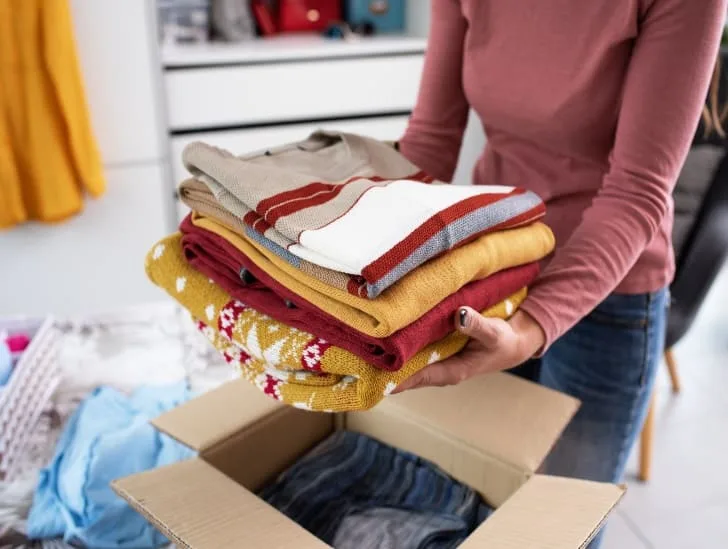
Image source: Bing (Web (fair-use with source credit))
Quick Answer
Pack clothes based on your move type and fabric. Use wardrobe boxes for hanging items. Roll casual clothes to save space and reduce wrinkles.
Fold structured garments like dress shirts. Vacuum bags work for bulky items but not delicates. Keep an essentials bag with a few days of clothes separate from everything else.
Why Packing Clothes the Right Way Actually Matters on Moving Day
Most people treat clothes as an afterthought. They grab a box, stuff it full, tape it up, and move on. That approach causes three real problems.
First, wrinkles. Clothes crammed loosely into a box shift during transit. Every bump and turn presses creases deeper into fabric.
You'll spend hours steaming or ironing on the other end.
Second, damage. Delicate fabrics snag. Heavy items crush lighter ones underneath.
Wire hangers leave shoulder bumps in blouses and jackets. Color transfer happens when dark and light garments press together without a barrier.
Third, weight and logistics. A standard small moving box filled with dense clothing can easily hit 40 or 50 pounds. That's a back injury waiting to happen, and most moving companies flag boxes over 30 pounds as a liability concern.
The U.S. Department of Defense, which handles thousands of military household moves annually, sets strict weight guidelines for exactly this reason.
Packing with intention saves time on both ends of the move. It protects your clothes and keeps the physical work safe.
The Quick Answer: Best Methods for Packing Clothes by Situation
Here's a fast breakdown of which method fits which scenario. We'll go deeper into each one in the sections below.
| Situation | Best Method | Why |
|---|---|---|
| Short local move (under 50 miles) | Suitcases, duffel bags, or dresser drawers | Minimal transit time means less shifting and wrinkling |
| Long-distance or interstate move | Wardrobe boxes + rolled clothes in standard boxes | Hanging items stay protected; rolled casuals save space |
| International or military PCS move | Garment bags + vacuum bags for bulk items | Meets shipping requirements; compression saves volume |
| Tight budget | Trash bags, suitcases, and free boxes | Avoids buying specialty supplies |
| High-value or delicate clothing | Garment bags + tissue paper + wardrobe boxes | Prevents snags, crushing, and color transfer |
The key takeaway: match the method to the distance, the fabric, and your budget. There's no universal answer.
How to Decide Which Packing Method Works for Your Move
Before you touch a single hanger, think through three variables. How far are you going? What types of clothing are you packing?
And what supplies do you already have?
A cross-country move means your boxes will be on a truck for days, possibly in varying temperatures. You need secure, moisture-conscious packing. A five-minute drive to a new apartment?
You can get away with throwing things in suitcases and calling it done.
Fabric type matters just as much. A box of t-shirts and jeans can be rolled and stuffed tight. A box of silk blouses and wool suits needs breathing room, tissue paper, and structure.
Finally, work with what you've got. If you own three large suitcases, use them. If you've already bought wardrobe boxes, great.
Don't overbuy supplies for a simple move.
Short Local Move (Under 50 Miles)
For a quick move, keep it simple. Suitcases and duffel bags are your best friends. Clothes spend minimal time in transit, so wrinkling and shifting are minor concerns.
You can even leave clothes in dresser drawers. Wrap the entire drawer in plastic wrap to keep contents from sliding out, then tape it shut. Load the dresser onto the truck as-is.
This saves significant packing time.
If you do use boxes, standard small or medium corrugated boxes work fine. Fold or roll clothes loosely. Don't bother with vacuum bags or garment bags unless you have them already.
Long-Distance or Interstate Move
This is where method really counts. Your boxes will be stacked, shifted, and transported for hundreds or thousands of miles. Clothes need to be secured, protected from moisture, and organized so you can find things on the other end.
Wardrobe boxes are worth the investment here. At roughly $10 to $15 each as of 2026, they let you transfer hanging clothes directly from closet to box without folding. A standard wardrobe box holds about two feet of closet rod space.
For non-hanging items, roll casual clothes and pack them tightly into standard boxes. Use tissue paper between delicates. Label every box by room and category.
International or Military PCS Move
Military moves, governed by weight limits set through the Defense Personal Property Program, require careful planning. You're often limited to a specific total shipment weight, so every pound counts.
Vacuum bags are useful here for compressing bulky items like comforters, winter coats, and sweaters. They can reduce volume by up to 80 percent. But avoid using them for anything that needs to breathe, like leather, wool, or down-filled garments.
Trapped moisture in a sealed vacuum bag during a weeks-long international shipment is a recipe for mildew.
Garment bags protect suits, dress uniforms, and formalwear. Foldable garment bags that meet airline carry-on dimensions also work well for keeping a small set of professional clothes accessible.
Moving on a Tight Budget
You don't need to spend a fortune on specialty supplies. Contractor-grade trash bags (thicker than kitchen bags) work as makeshift garment bags. Slip hangers through the bottom, pull the bag up over the clothes, and tie it at the neck.
Free boxes from grocery stores, liquor stores, or online marketplaces work just as well as purchased moving boxes. Suitcases you already own are free packing containers.
Skip the vacuum bags unless you already have them. Rolling clothes achieves decent compression without any extra cost.
Moving High-Value or Delicate Clothing
Designer pieces, vintage items, silk, wool, and structured garments need extra care. Use acid-free tissue paper between layers to prevent color transfer and reduce friction.
Garment bags, especially breathable canvas or cotton ones, protect against dust and snags. Avoid plastic dry-cleaning bags for long-term packing. They trap moisture and can cause yellowing over time.
For suits and blazers, use the bundle packing method. Lay the garment flat, place tissue paper on top, then fold arms and body inward in a specific sequence that minimizes creasing. This technique takes practice but produces noticeably better results than simple folding.
Step-by-Step: How to Pack Clothes in Boxes Without Wrinkles
Packing clothes in boxes is the most common approach, and doing it right makes a real difference. Here's the process that works best based on our research and aggregate user feedback.
Step 1: Sort before you pack.
Go through everything first. Separate clothes into categories: casual everyday wear, delicates, formalwear, off-season items, and things you'll need immediately. Declutter as you go.
Moving is the best excuse to donate or discard clothes you haven't worn in a year.
Step 2: Choose the right box size.
Use small or medium boxes for clothes. Large boxes get too heavy too fast. A standard small moving box (about 1.5 cubic feet) holds roughly one to two feet of folded or rolled clothing.
Keep each box under 30 pounds.
Step 3: Line the box.
Place a sheet of clean packing paper or a thin towel at the bottom. This adds a moisture barrier and protects clothes if the box gets damp during loading.
Step 4: Roll or fold based on fabric type.
Roll t-shirts, jeans, pajamas, and casual knits. Rolling saves space and produces fewer creases than folding. Fold structured items like dress shirts, slacks, and blouses.
Place tissue paper between folded delicates.
Step 5: Pack tightly but don't overstuff.
Fill gaps with smaller items like socks and underwear. The goal is to prevent clothes from shifting during transit. But don't compress so hard that fabrics are under pressure for days.
Step 6: Top it off.
Place a final layer of packing paper on top before closing the box. This protects against dust and adds another moisture buffer.
Step 7: Label clearly.
Write the room and contents on at least two sides of the box. "Bedroom, women's casual, fall" is far more useful than just "clothes." If you're color-coding by room, stick with your system.
This method works for the majority of everyday clothing. For hanging items, wardrobe boxes are a better fit, which we'll cover next.
Step-by-Step: How to Pack Hanging Clothes Using Wardrobe Boxes
Wardrobe boxes are the single best investment for moving hanging clothes. They're tall, corrugated cardboard boxes with a built-in metal or wooden bar across the top. You transfer clothes straight from your closet rod to the box.
No folding, no wrangling garments into awkward shapes.
Here's how to use them properly.
Step 1: Assemble the box and install the bar.
Most wardrobe boxes ship flat. Fold the bottom flaps and tape them securely. Slide the hanging bar into the pre-cut slots on each side.
Give it a tug to make sure it's seated. A loaded wardrobe box can weigh 40 to 60 pounds, so the bar needs to hold.
Step 2: Group clothes by type.
Hang similar items together. All your dress shirts in one section, jackets in another, dresses grouped at one end. This makes unpacking faster and keeps heavier items from pressing against lighter ones.
Step 3: Cover with a garment bag or plastic wrap.
Drape a large garment bag over the entire set of hangers, or wrap a layer of stretch wrap around the clothes from top to bottom. This keeps dust off and prevents hangers from snagging on the box during loading.
Step 4: Fill the bottom.
The empty space at the bottom of a wardrobe box is prime real estate. Lay folded items like sweaters, jeans, or pajamas flat on the bottom. You can also tuck in shoes, belts, or accessories.
Just keep the weight balanced so the box doesn't tip.
Step 5: Close and label.
Fold the top flaps shut and tape them. Write the room and contents on the outside. "Master bedroom, hanging clothes, winter" tells you exactly what's inside without opening it.
One wardrobe box holds roughly two feet of closet rod space. If you have a large closet, plan on buying two or three. At $10 to $15 each as of 2026, it's a reasonable cost for keeping your hanging wardrobe in good shape.
Rolling vs. Folding vs. Bundle Packing: Which Saves the Most Space?
These three methods each have a place. The right one depends on what you're packing and how much space you need to save.
Rolling works best for casual, sturdy fabrics. T-shirts, jeans, pajamas, workout clothes, and knits all roll well. Rolling compresses the fabric and produces fewer creases than folding.
It also lets you pack more into a box since you can tuck rolls into gaps. Aggregate user reviews consistently report that rolled clothes come out of boxes looking noticeably better than folded ones.
Folding is the right call for structured garments. Dress shirts, slacks, blazers, and anything with a defined shape holds up better when folded along natural crease lines. Use tissue paper between layers to prevent friction and color transfer.
Folding takes up more space than rolling, but it protects the garment's structure.
Bundle packing is a technique for delicates and formalwear. You lay a garment flat, place tissue paper on top, then fold the arms and body inward in a specific sequence. The idea is to distribute pressure across the whole garment instead of creating hard crease lines.
It takes practice, but it's the method most recommended for suits, dresses, and vintage pieces.
Here's a quick comparison.
| Method | Best For | Space Savings | Wrinkle Risk |
|---|---|---|---|
| Rolling | Casual knits, jeans, t-shirts | High | Low |
| Folding | Dress shirts, slacks, structured items | Medium | Medium |
| Bundle packing | Suits, delicates, formalwear | Medium | Low |
For most moves, a mix of rolling and folding covers everything. Save bundle packing for the items that matter most.
Vacuum Bags for Clothes: When They Help and When They Cause Problems
Vacuum storage bags are popular for a reason. They compress bulky items dramatically. A comforter that fills an entire box can shrink to a quarter of its size.
Winter coats, sweaters, and blankets all compress well.
But they're not right for everything. Here's when to use them and when to skip them.
Use vacuum bags for:
- Bulky bedding (comforters, duvets, extra pillows)
- Winter coats and heavy jackets
- Sweaters and fleece
- Off-season clothing going into storage
Skip vacuum bags for:
- Delicate fabrics like silk or lace
- Leather or suede (trapped moisture causes cracking)
- Down-filled items (compression over time damages loft)
- Anything you'll need within the first few weeks
The main risk is moisture. If clothes aren't completely dry before you seal them, that moisture has nowhere to go. Over days or weeks in transit, mildew can set in.
This is especially problematic in humid climates or during summer moves.
Another issue: vacuum bags can re-inflate slightly during long moves. Changes in air pressure inside a truck or shipping container can cause the bag to expand a little. It's not a dealbreaker, but it means you shouldn't rely on vacuum bags for every single item.
If you do use them, make sure clothes are clean and bone-dry first. Don't overstuff the bag. And label the outside so you know what's inside without breaking the seal.
How to Pack Clothes in Dresser Drawers (Without Emptying Them)
This is one of the best time-saving tricks in moving. If your dresser is sturdy and the drawers slide securely, you can leave clothes right where they are.
Step 1: Remove anything loose or fragile.
Take out jewelry, small accessories, or anything that could shift around and damage the drawer. Pack those separately.
Step 2: Secure the contents.
If the drawer is loosely packed, stuff a towel or packing paper on top to keep clothes from shifting. For tightly packed drawers, you can skip this.
Step 3: Wrap the entire drawer in stretch wrap.
Wrap plastic stretch wrap around the drawer multiple times, front to back and side to side. This holds the drawer shut and keeps clothes from falling out. Three to four layers is usually enough.
Step 4: Load the dresser carefully.
Keep the dresser upright in the truck. Laying it flat puts pressure on the drawer slides and can warp the frame. If you must lay it down, put the drawer side down, not up.
The main risk is weight. A fully loaded dresser drawer with heavy items like jeans or sweaters can add significant pounds. If the dresser feels too heavy to lift comfortably, empty the heaviest items into a box and pack the rest in place.
This method works best for local moves. For long-distance moves, emptying the dresser and packing clothes in boxes gives you more control over weight distribution in the truck.
The Essentials Bag: What Clothes to Keep With You on Moving Day
Do not pack every single item of clothing into boxes loaded onto a truck. You need a separate bag with clothes for the first few days. Moving day is chaotic.
Boxes get stacked. Rooms aren't set up. You might not see your belongings for 24 to 48 hours, or longer for interstate moves.
Pack a suitcase or duffel bag with:
- Two to three days of outfits for each person
- Undergarments and socks for at least three days
- Sleepwear
- A light jacket or layer
- Work clothes if you're starting a new job right away
- Comfortable shoes
- A set of workout clothes if that's part of your routine
Keep this bag with you in your car, not on the moving truck. If you're flying to your new location, this becomes your carry-on.
For families with kids, pack a separate essentials bag for each child. Include a comfort item like a favorite stuffed animal or blanket. Moving is stressful for little ones, and having familiar things close by helps.
Label this bag clearly so it doesn't accidentally get loaded onto the truck. "DO NOT LOAD, ESSENTIALS" in big letters on the side saves a lot of frustration.
Common Mistakes That Ruin Clothes During a Move
The biggest mistake is overpacking boxes until they're too heavy to lift safely. A box of dense clothing can hit 50 pounds fast. That risks injury and box failure.
Keep each box under 30 pounds.
Another common error is using newspaper directly on clothes. The ink transfers onto fabric, especially lighter colors. Use plain packing paper or tissue paper instead.
Packing damp or recently washed clothes is a problem people don't think about. Even slightly moist garments sealed in a box or vacuum bag can develop mildew within days. Make sure everything is fully dry before sealing.
Wire hangers cause shoulder bumps and fabric distortion. Swap them for velvet or wooden hangers before packing, or remove clothes from hangers entirely and fold or roll them.
Finally, skipping the essentials bag catches people off guard every time. If all your clothes are on the truck and the truck is delayed, you're stuck without a change of clothes. Always keep a separate bag with you.
How to Protect Delicates, Suits, and Formalwear When Moving
High-value garments need extra steps. Start by cleaning everything before you pack. Stains set during transit and become harder to remove later.
For suits and blazers, use the bundle packing method described earlier. Lay the jacket face down, fold one shoulder inward, then the other, then fold the body in half. Place tissue paper between every layer.
Silk blouses and lace items should be wrapped individually in acid-free tissue paper. Don't stack heavy items on top of them in a box. Pack delicates in their own small box with a "fragile" label.
Leather and suede should never go in vacuum bags. These materials need to breathe. Use breathable garment bags and store them in a climate-controlled area of the truck if possible.
For wedding dresses or vintage pieces, consider a specialty garment box with acid-free lining. These cost more but protect irreplaceable items.
Packing Supplies Checklist: What You Actually Need for Clothes
Here's a focused list of supplies that cover most moves without overbuying.
- Small and medium corrugated moving boxes
- Wardrobe boxes (one per two feet of closet rod)
- Packing paper or tissue paper
- Stretch wrap
- Packing tape and a tape dispenser
- Permanent markers for labeling
- Vacuum storage bags (for bulky items only)
- Garment bags (breathable, not plastic dry-cleaning bags)
- Ziplock bags (for small items like socks and accessories)
- One suitcase or duffel bag per person for essentials
You don't need all of these for every move. A local move might only require suitcases and a few boxes. A long-distance move benefits from wardrobe boxes and vacuum bags.
Match the supplies to the situation.
How to Unpack Clothes Efficiently After the Move
Unpack clothes first, or at least on day one. Hanging items go straight into the closet. This prevents wrinkles from setting in and gives you functional storage immediately.
Open wardrobe boxes first. Hang everything up before tackling folded items. If clothes are wrinkled, hang them in the bathroom and run a hot shower.
The steam loosens most creases without ironing.
Unpack room by room. Start with the bedroom since you'll need sleepwear and tomorrow's outfit. Then move to kids' rooms, then the rest.
Don't feel pressured to unpack everything on day one. Non-essential and off-season items can stay in boxes for a few days while you settle in.
Frequently Asked Questions
Can I leave clothes in dresser drawers when moving?
Yes, if the dresser is sturdy and the drawers slide securely. Wrap each drawer in stretch wrap to keep contents from shifting. For long-distance moves, emptying the dresser gives better weight control.
Do vacuum bags damage clothes?
Vacuum bags don't damage sturdy fabrics like cotton or fleece. But they can harm leather, suede, down-filled items, and delicates. Never vacuum-pack damp clothes.
Trapped moisture causes mildew.
How many wardrobe boxes do I need?
Plan on one wardrobe box for every two feet of closet rod space. A typical adult closet needs two to three boxes. Measure your closet before buying.
Is it better to roll or fold clothes for moving?
Rolling saves space and reduces wrinkles for casual items like t-shirts and jeans. Folding works better for structured garments like dress shirts and slacks. Most people use a mix of both.
How do I prevent clothes from getting wrinkled in boxes?
Pack clothes tightly so they don't shift during transit. Use tissue paper between folded items. Roll casual clothes instead of folding.
Unpack hanging items first and hang them immediately.
What clothes should I pack in my essentials bag?
Pack two to three days of outfits, undergarments, sleepwear, comfortable shoes, and a light jacket for each person. Keep this bag with you, not on the moving truck.