How to Remove Mildew From Fabric (2026) — Pro Tips & Tricks
You open the closet and catch that unmistakable musty smell. A few shirts have faint grayish-white spots you didn't notice last season. Figuring out how to remove mildew from fabric can feel overwhelming, especially when you're worried about ruining your favorite clothes or expensive upholstery in the process.
The good news is that most mildew stains come out completely when you match the right cleaning method to your fabric type. The EPA recommends addressing the moisture source alongside cleaning, since mildew thrives in relative humidity above 60%. Let's walk through exactly how to tackle this step by step.
Quick Answer
Remove mildew from fabric by first brushing off dry spores outdoors. Pre-treat with white vinegar or hydrogen peroxide. Soak for 30 minutes to overnight.
Wash in the hottest water safe for the fabric. Dry in direct sunlight when possible. Always match the cleaning method to your fabric type to avoid damage.
Why Mildew Keeps Coming Back (And How to Stop It)
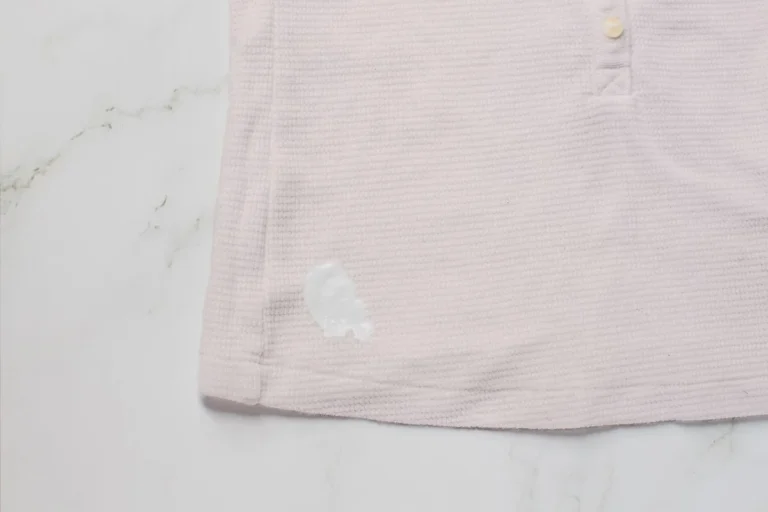
Mildew is a surface-level fungus that feeds on organic material in fabric fibers. It shows up as gray, white, or yellowish spots and brings that persistent musty odor we all recognize. The real problem isn't just the stain.
It's the environment that allowed it to grow in the first place.
If you clean the fabric but put it back into a damp closet or a humid room, you'll see those spots return within days. That's the part most people miss. You need to treat the fabric and fix the conditions that caused the growth.
Common reasons mildew comes back:
- Storing clothes before they're completely dry
- Poor ventilation in closets and storage areas
- Leaks or condensation near stored textiles
- Packing garments too tightly with no air circulation
- Leaving wet gym clothes or towels sitting for extended periods
Our research shows that maintaining indoor relative humidity below 50% is the single most effective prevention step. A basic dehumidifier or even moisture-absorbing products in closets can make a significant difference. Per EPA guidelines, any visible mold or mildew growth should be addressed within 24 to 48 hours to prevent it from spreading further.
Understanding Mildew on Fabric: What You're Actually Dealing With
Mold and mildew are often used interchangeably, but they're not quite the same thing. Mildew sits on the surface of fabric and is generally easier to remove. Mold penetrates deeper into fibers and can cause permanent staining and structural damage to the material.
Here's how to tell the difference:
| Characteristic | Mildew | Mold |
|---|---|---|
| Appearance | Gray or white powdery surface | Black, green, or fuzzy patches |
| Depth | Surface only | Penetrates fabric fibers |
| Smell | Musty but mild | Strong, pungent odor |
| Removal difficulty | Usually removable with home treatment | May require professional treatment |
| Health risk | Low for most people | Higher, especially for sensitive individuals |
Mildew grows fastest in warm, humid conditions between 77°F and 86°F. That's why it's so common in summer months and in homes without proper climate control. Fabric stored in basements, attics, or garages is especially vulnerable.
The spores spread easily through the air. That's why you'll often find mildew on multiple garments stored near each other rather than just one isolated piece. If you spot it on one item, check everything around it.
How to Identify Your Fabric Type Before You Start
Jumping straight into treatment without knowing your fabric type is the number one mistake people make. What works perfectly on cotton can destroy silk or shrink wool beyond repair.
Check the care label first. Look for the fiber content and any specific cleaning instructions. Here's a quick breakdown of common fabric categories and their tolerance for mildew treatments:
Sturdy fabrics (safe for most treatments):
- Cotton
- Canvas
- Denim
- Linen
- Polyester blends
Color-sensitive fabrics (avoid chlorine bleach):
- Colored cotton
- Colored polyester
- Rayon
- Nylon
Delicate fabrics (gentle treatment only):
- Silk
- Wool
- Cashmere
- Vintage or antique textiles
If the care label is missing or faded, do a spot test on an inconspicuous area before applying any solution to the stained section. Apply a small amount of your chosen treatment, wait 10 minutes, and check for color change or fabric damage.
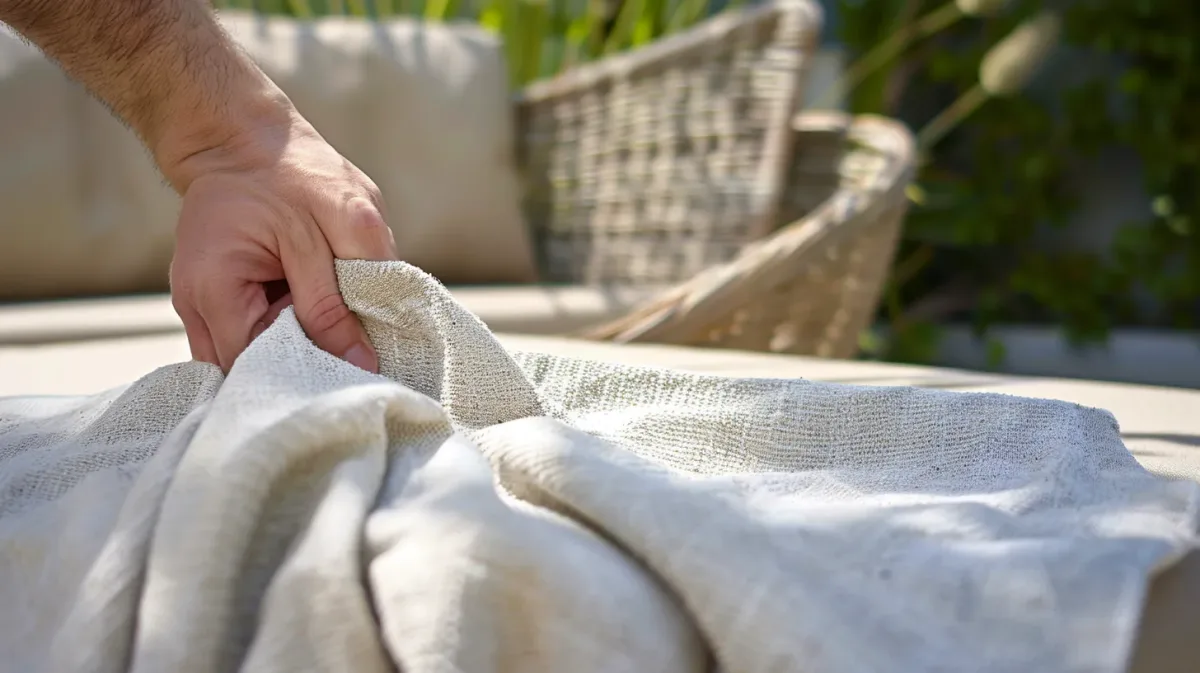
For items like fabric furniture or large canvas pieces, the same fabric identification principles apply, but you'll need to work in sections rather than soaking the entire item.
The Mildew Removal Decision Tree: Matching the Method to Your Situation
Not every mildew stain calls for the same approach. The right method depends on three things: your fabric type, the severity of the staining, and what you have available. Use this decision path to find your best option.
For Sturdy Cotton, Linen, and Canvas
These fabrics can handle the most aggressive treatment. If the fabric is white and colorfast, chlorine bleach is the most effective option. Use 1 tablespoon of chlorine bleach per gallon of cool water.
Soak for 15 to 30 minutes, then wash in the hottest water the fabric can handle.
For colored sturdy fabrics, skip the chlorine bleach entirely. Use oxygen bleach (sodium percarbonate) instead. Dissolve it in warm water according to the package directions and soak for one to six hours depending on stain severity.
For Colored Fabrics That Can't Handle Bleach
White vinegar is your best friend here. It's mildly acidic, which creates an environment where mildew can't survive. Use undiluted white vinegar applied directly to the stain, or create a solution of one cup vinegar per gallon of water for soaking.
Hydrogen peroxide at 3% concentration is another excellent option for colored fabrics. It acts as a mild bleaching agent without the harshness of chlorine. Apply it directly to the stain and let it sit for 10 to 15 minutes before washing.
For Delicate Fabrics: Silk, Wool, and Vintage Textiles
Delicate fabrics require a gentler approach. Mix a small amount of enzyme-based laundry detergent with cool water and gently work it into the stained area using your fingertips or a soft cloth. Don't scrub aggressively.
You're lifting the mildew, not grinding it deeper.
For silk and wool, avoid soaking entirely. Instead, dab the solution onto the stain and rinse immediately. Lay the item flat on a clean towel to dry.
Never wring or twist delicate fabrics.
Vintage textiles may need professional cleaning, especially if the fibers are already weakened. If the piece has sentimental or monetary value, consult a textile conservator before attempting any home treatment.
For Severe or Deep-Set Mildew Stains
When mildew has been sitting for weeks or months, a single treatment usually won't cut it. You'll need a multi-step approach. Start with a vinegar soak for 30 minutes.
Then apply oxygen bleach and soak for another one to two hours. Wash in hot water with an enzyme detergent.
Borax is another powerful option for stubborn stains. Dissolve half a cup of borax in a gallon of warm water and soak the fabric for one to three hours before washing. Borax has natural antifungal properties and is safe for most washable fabrics.
For severe cases on white cotton, you can combine methods. Soak in a borax solution first, then wash with oxygen bleach added to the wash cycle. This two-stage approach tackles both the stain and any remaining spores.
Step-by-Step: How to Remove Mildew from Fabric
Now let's put it all together. Follow these steps in order for the best results. Skipping steps or doing them out of order is a common reason treatments fail.
Step 1: Take It Outside and Brush Off Spores
Before you bring that mildewed item into your living space, take it outside. Mildew spores spread easily through the air, and the last thing you want is to contaminate other fabrics in your home.
Use a soft-bristle brush to gently brush off any loose spores. Do this in a well-ventilated outdoor area, ideally on a sunny day. Wear an N95 mask if you're sensitive to mold or if the growth is extensive.
Brush in one direction so you're moving spores away from the fabric, not pushing them deeper.
Step 2: Pre-Treat with Your Chosen Solution
Apply your pre-treatment solution directly to the stained areas. Use a spray bottle for even coverage or a clean cloth to dab the solution onto the fabric.
Let it sit for at least 10 to 15 minutes. For severe stains, you can let it sit for up to 30 minutes. Don't let the solution dry completely on the fabric.
If it starts to dry, mist it with a little more solution.
Step 3: Soak Based on Stain Severity
Fill a bucket or basin with your chosen soaking solution. Submerge the fabric completely. Here's how long to soak based on what you're dealing with:
| Stain Severity | Soak Duration | Recommended Solution |
|---|---|---|
| Light surface spots | 30 minutes | White vinegar solution |
| Moderate staining | 1 to 2 hours | Oxygen bleach solution |
| Severe or set-in stains | 4 to 6 hours (or overnight) | Borax or oxygen bleach solution |
Check the fabric periodically during soaking. If you notice any color bleeding or texture changes, remove the item immediately and rinse with cool water.
Step 4: Wash in the Hottest Water Safe for the Fabric
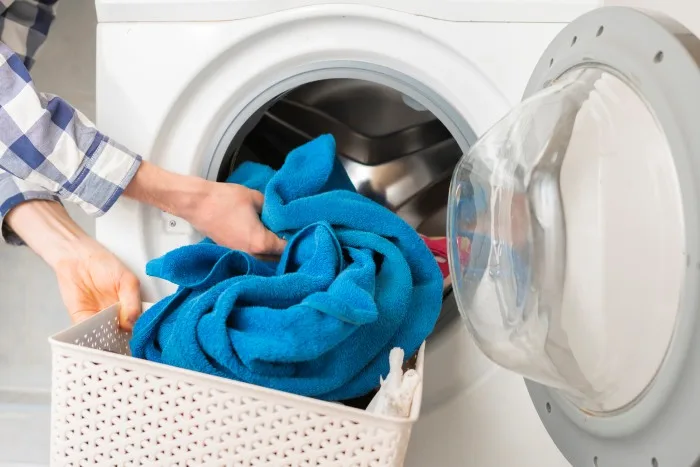
After soaking, transfer the fabric directly to your washing machine. Don't wring it out first. You want the solution to continue working during the wash cycle.
Use the hottest water temperature that's safe for your fabric type. Cotton and linen can typically handle water at 130°F (54°C) or higher. Check the garment's care label for specific temperature recommendations.
Add an enzyme-based laundry detergent to the wash. Enzyme detergents break down organic material more effectively than standard detergents, which helps remove any remaining mildew residue.
Step 5: Inspect Before You Dry
This is critical. Do not put the fabric in the dryer until you've confirmed the stain is completely gone. Heat from the dryer will set any remaining mildew stain permanently.
Hold the fabric up to natural light and inspect every stained area. If you still see discoloration, repeat the pre-treatment and wash cycle. It's better to wash twice than to set a stain you can never remove.
Step 6: Dry in Direct Sunlight When Possible
Sunlight is a natural antifungal agent. UV rays kill remaining spores and help bleach out any faint discoloration. Hang the fabric outside on a sunny day for two to three hours of direct exposure.
If outdoor drying isn't possible, use your dryer on the highest heat setting the fabric can tolerate. Make sure the item is completely dry before storing it. Even slight dampness can restart the mildew growth cycle.
Comparing Mildew Removal Methods: What Works Best for What
Different situations call for different solutions. Here's a side-by-side look at the most common methods so you can choose the right one for your specific case.
| Method | Best For | Effectiveness | Fabric Safety | Cost |
|---|---|---|---|---|
| White vinegar | Light stains, colored fabrics, delicates | Moderate | Very safe | Low |
| Hydrogen peroxide (3%) | Moderate stains, colored fabrics | Good | Safe for most fabrics | Low |
| Oxygen bleach | Moderate to severe stains, colored fabrics | Very good | Safe for most fabrics | Low to moderate |
| Chlorine bleach | Severe stains on white cotton only | Excellent | Damages colored and delicate fabrics | Low |
| Borax | Stubborn stains, odor removal | Good | Safe for washable fabrics | Low |
| Enzyme detergent wash | Maintenance and prevention | Mild | Safe for all washable fabrics | Moderate |
| Sunlight drying | Final step for all methods | Supplemental | Safe for most fabrics | Free |
Vinegar and hydrogen peroxide are the safest starting points for most household situations. Reserve chlorine bleach for white cotton items with severe staining. Oxygen bleach offers a strong middle ground when vinegar isn't quite strong enough but you need to protect colors.
Common Mistakes That Ruin Fabrics or Make Mildew Worse
Even with the right products, technique matters. These are the errors we see most often, and they can turn a fixable stain into a permanent problem.
Mixing bleach with vinegar or ammonia. This produces toxic chlorine gas. It's dangerous and potentially fatal in enclosed spaces. Never combine cleaning products unless the manufacturer explicitly states it's safe.
Using too much product. More isn't better. Excess bleach weakens fabric fibers over time. Too much vinegar can leave a residue that attracts dirt.
Follow the dilution ratios we've outlined above.
Scrubbing too aggressively. Vigorous scrubbing pushes mildew deeper into fabric fibers and can damage the weave. Use gentle, dabbing motions instead.
Drying before confirming the stain is gone. As we mentioned earlier, heat sets mildew stains permanently. Always inspect before drying.
Ignoring the root cause. Cleaning the fabric without addressing why mildew grew in the first place means you'll be repeating this process within weeks. Find and fix the moisture source.
Treating delicate fabrics like cotton. Silk, wool, and vintage textiles need gentler solutions and shorter contact times. What works on your cotton t-shirt can destroy a silk blouse.
How to Prevent Mildew from Returning
Getting rid of existing mildew is only half the battle. Prevention is what saves you from doing this all over again next season.
Control humidity. Keep indoor relative humidity below 50% using dehumidifiers or air conditioning. This is the single most effective prevention step.
Ensure proper ventilation. Don't pack closets too tightly. Leave space between garments for air to circulate. Consider adding vent panels to closet doors in humid areas.
Dry everything completely before storing. Even slightly damp clothes will develop mildew in storage. Run an extra rinse cycle if needed, and confirm items are bone dry before putting them away.
Use moisture absorbers. Products like silica gel packets or calcium chloride containers in closets and storage bins help maintain dry conditions.
Wash or air out seasonal items before storage. Body oils, food particles, and invisible moisture on worn clothing create the perfect environment for mildew. Clean everything before it goes into long-term storage.
Check stored items periodically. If you're storing clothes for a season or longer, check on them every few weeks. Catching mildew early makes removal much easier.
When to Call a Professional (And When to Throw It Away)
Most mildew problems are manageable at home. But there are situations where professional help or disposal is the smarter call.
Call a professional when:
- The item is a valuable antique or heirloom textile
- Mildew covers a large area of upholstery or carpeting
- You suspect the growth has penetrated deep into padding or foam
- The item has been water-damaged for more than 48 hours
- Anyone in the household is experiencing respiratory symptoms
Consider disposal when:
- The fabric has visible structural damage (fibers crumbling, holes forming)
- The mildew stain is deeply set and hasn't responded to multiple treatment attempts
- The item is inexpensive and replacing it costs less than professional cleaning
- There's a strong persistent odor that doesn't fade after thorough cleaning
For large-scale issues like extensive water damage, professional mold remediation services have the equipment and expertise to handle the problem safely. The EPA recommends professional assessment when mold or mildew covers more than 10 square feet.
Frequently Asked Questions
Can I use vinegar and hydrogen peroxide together on the same stain?
Don't mix them in the same container. They neutralize each other when combined directly. You can use one, rinse thoroughly, then apply the other in a separate step.
Vinegar first, then hydrogen peroxide, works well for stubborn stains on white cotton.
How long does it take to fully remove mildew from fabric?
Most light to moderate stains come out in one to two treatment cycles. Severe or set-in stains may require three to four rounds of pre-treatment and washing. Allow one to two hours per cycle including soaking time.
Will mildew come back if I wash the item with other clothes?
It can if you don't use hot water and an enzyme detergent. Wash mildewed items separately on the first cycle. Once the stain is confirmed gone, they can be washed with your regular laundry.
Is it safe to use chlorine bleach on colored cotton?
No. Chlorine bleach will strip or fade the color. Use oxygen bleach instead for any colored fabric.
Reserve chlorine bleach exclusively for white, colorfast cotton and linen.
Can sunlight alone remove mildew stains?
Sunlight helps kill remaining spores and can fade very light discoloration over time. But it won't fully remove established stains on its own. Think of it as a finishing step, not a primary treatment.
What if the musty smell won't go away after washing?
Persistent odor usually means spores are still embedded in the fibers. Soak the item in a vinegar solution (one cup per gallon) for one hour, then wash again with an enzyme detergent. Repeat if needed.