How to Get Face Paint Off Clothes 2026: Explained Simply
You just pulled your kid's Halloween shirt out of the laundry and there it is: a bright red face paint smear that didn't budge. Learning how to get face paint off clothes isn't as simple as tossing everything in the wash. Some paints laugh at detergent.
Others bond to fabric the second they dry.
The trick is matching the removal method to what you're actually dealing with. Water-based face paint comes off cotton with dish soap and cold water. Oil-based and cream formulas need something stronger, like rubbing alcohol.
According to textile care guidelines from the American Association of Textile Chemists and Colorologists, heat sets most pigment stains permanently within 24 hours. Speed and the right agent matter more than scrubbing hard. Let's walk through exactly what to do based on what got onto your clothes.
Quick Answer
How do you get face paint off clothes? Identify the paint type first. Water-based paint lifts with cold water and dish soap.
Oil-based paint needs rubbing alcohol or a commercial enzyme cleaner. Always blot, never rub. Treat the stain as fast as possible.
Heat from a dryer sets pigment permanently, so air-dry until the stain is completely gone.
Why Face Paint Stains Are So Stubborn (And Why Most People Get It Wrong)
Face paint isn't like mud or grass stains. Most modern face paints use cosmetic-grade pigments suspended in either water, oil, silicone, or wax-based carriers. Those carriers are designed to cling to skin for hours, which means they cling to fabric fibers just as aggressively.
Here's where most people go wrong: they toss the stained straight into the washing machine with hot water. Heat causes the binder in face paint to polymerize, basically fusing the pigment into the纤维. Once that happens, even professional cleaners struggle.
The American Cleaning Institute notes that the first 60 minutes after staining are critical for successful removal.
Three variables decide how hard a face paint stain will be to remove.
- The carrier type: water-based is easiest. Oil, silicone, and cream-based are progressively harder.
- The fabric: cotton and polyester respond well to standard treatments. Silk and wool require gentler solvents.
- Time: a fresh smear is vastly easier to lift than one that's sat through a full day and a wash cycle.
Understanding these three factors is everything. The right approach treats the stain. The wrong one makes it permanent.
Image source: Wikimedia Commons / David from Colorado Springs, United States (CC BY)
First, Identify What You're Dealing With
Before you grab any cleaning product, take 30 seconds to figure out two things: what kind of face paint caused the stain, and what fabric is affected.
Check the face paint packaging or product name. Most water-based face paints are labeled as such: Snazaroo, TAG, and Mehron water-active lines are common examples. These dissolve in cold water almost immediately. Oil-based and cream-based paints feel thicker and have a greasy finish.
Silicone-based paints, often used in professional SFX work, feel slick and don't mix with water at all.
Check the care label on the garment. Cotton and polyester blends handle most solvents well. Silk, wool, and rayon need gentler treatment. Delicate fabrics like embroidered costumes may bleed dye if you use alcohol or hydrogen peroxide.
A quick rule of thumb holds up in most situations:
| Paint Type | Easiest Removal Method | Difficulty Level |
|---|---|---|
| Water-based | Cold water and dish soap | Easy |
| Cream-based | Dish soap with warm pre-soak | Moderate |
| Oil-based | Rubbing alcohol or makeup remover | Moderate to hard |
| Silicone-based | Specialized solvent or dry cleaning | Hard |
If you don't know the paint type, start with the gentlest method and work up. That way you don't damage the fabric before finding what actually works.
Image source: Bing (Web (fair-use with source credit))
Step-by-Step: How to Get Face Paint Off Clothes Based on the Paint Type
Every method starts the same way. Blot off any excess paint with a clean cloth or paper towel. Don't rub.
Rubbing pushes pigment deeper into the fibers and can spread the stain by inches. Once you've removed the surface layer, match your treatment to the paint.
Water-Based Face Paint on Cotton or Polyester
This is the best-case scenario. Water-based face paint is the most common type for kids' Halloween costumes and school events.
- Rinse the stained area under cold running water from the back of the fabric. Push the paint out, not deeper in.
- Apply a few drops of liquid dish soap directly to the stain. Dawn or any degreasing formula works well.
- Gently work the soap into the fibers with your fingertips for 60 seconds.
- Soak the garment in cold water for 15 to 30 minutes.
- Launder on a normal cycle with cold water.
- Air-dry the garment. Check that the stain is gone before putting it in the dryer.
Oil-Based or Cream Face Paint on Synthetic Fabrics
Oil-based paints resist water, so plain rinsing won't cut it. You need a solvent that can break down the oil carrier.
- Blot excess paint with a dry cloth.
- Dab a small amount of rubbing alcohol (isopropyl alcohol, 70%) onto a clean cloth.
- Press the cloth onto the stain and lift. Repeat with a fresh section of cloth as paint transfers.
- Rinse with cold water once the visible stain is gone.
- Pre-treat with a liquid laundry detergent and soak for 20 minutes.
- Launder as usual with warm water (if the fabric allows).
- Air-dry and inspect before machine drying.
Rubbing alcohol can affect dye on some fabrics. Test it on an inconspicuous spot first: an inside seam or hem.
Silicone-Based Paint on Delicate or Blended Fabrics
Silicone-based paints are the hardest to remove because they repel both water and alcohol. For valuable or delicate garments, a professional cleaner is often the safest bet. If you want to try at home:
- Lay the garment flat with the stain facing up.
- Apply a small amount of makeup remover (oil-free, silicone-dissolving formula) to the stain.
- Blot gently with a microfiber cloth. Avoid scrubbing.
- Rinse with cool water.
- Repeat if needed, then hand-wash with a mild detergent.
- Air-dry completely. Check under good light to confirm removal.
If the stain persists after two attempts, stop. Aggressive cleaning on delicate fabric causes more damage than the stain itself.
Fresh vs. Set-In Stains: Timing Changes Everything
A fresh smear, treated within minutes, almost always comes out completely. A stain that's dried for hours or gone through a wash cycle is a different beast. Here's how to adjust your approach.
Fresh stains (under 1 hour old): Blot, treat with the appropriate solvent, and launder. Success rate is very high.
Partially dried (1 to 12 hours): You'll need a longer soak. Pre-treat, soak in cold water with detergent for one to two hours, then gently agitate the stain before washing.
Set-in (over 12 hours or heat-exposed): Soak overnight in an oxygen-based cleaner like OxiClean. Use the hottest water safe for the fabric. You may need to repeat the treatment two or three times.
Set-in stains on white cotton sometimes respond to a diluted hydrogen peroxide soak, but never use peroxide on colored fabric.
Patience matters more with set-in stains. A second or third treatment cycle often works where the first one didn't.
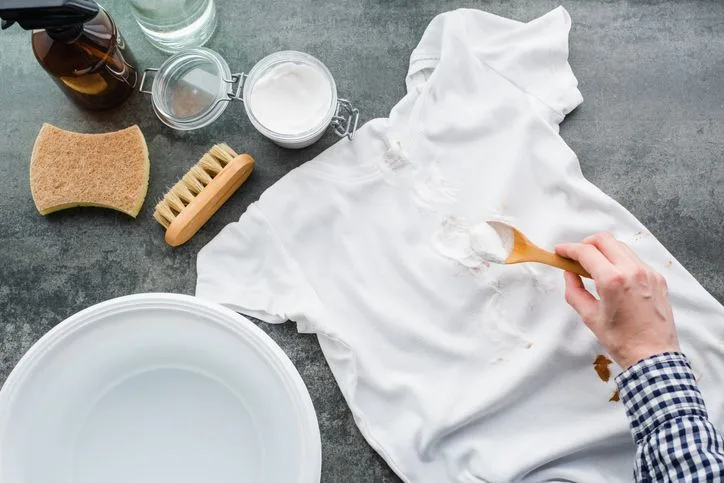
Image source: Bing (Web (fair-use with source credit))
Household Remedies That Actually Work (And When to Use Them)
Not every stain calls for a trip to the store. Most face paint stains respond to things you already have under the sink. The key is knowing which remedy matches which paint type.
Dish Soap and Cold Water
Dish soap is the single most effective household agent for water-based face paint. Formulas like Dawn contain surfactants that break the bond between pigment and fabric fibers. This method works on cotton, polyester, and most synthetic blends.
Apply soap directly to the stain, work it in gently, and soak in cold water for 15 to 30 minutes. For cream-based paints, use warm (not hot) water for the soak. The warmth helps dissolve the oil carrier without setting the pigment.
Rubbing Alcohol for Stubborn Pigments
Rubbing alcohol dissolves oil-based and some cream-based face paints that resist soap and water alone. It evaporates quickly, which means it won't saturate the fabric the way water does.
Dab it onto a clean cloth and press it against the stain. Lift and repeat with a fresh section of cloth. Don't pour it directly onto the garment.
That spreads the stain and can damage dye on colored fabrics.
Always test on a hidden seam first. If the color doesn't transfer to your cloth after 10 seconds, you're good to go.
Image source: Bing (Web (fair-use with source credit))
White Vinegar and Baking Soda Paste
This combo works well on older, partially set stains where the pigment has started to bond with the fabric. The mild acid in vinegar helps break down the paint binder, while baking soda acts as a gentle abrasive.
Mix equal parts white vinegar and baking soda to form a paste. Apply it to the stain and let it sit for 15 minutes. Rinse with cold water, then launder as usual.
This method is safe for most colorfast fabrics. Skip it on silk or wool, where the acid can weaken natural fibers over time.
Hydrogen Peroxide for White Fabrics Only
Hydrogen peroxide (3% solution, the standard drugstore concentration) is a mild bleach. It can lift stubborn pigment stains from white cotton or polyester without the harshness of chlorine bleach.
Apply it directly to the stain, let it bubble for five minutes, then rinse thoroughly. Launder immediately after.
Never use hydrogen peroxide on colored fabric. It will strip the dye right along with the stain. And never mix it with vinegar in a closed container.
The reaction produces peracetic acid, which is irritating to skin and lungs.
Commercial Stain Removers vs. DIY: Which Is Better?
Both approaches work. The right choice depends on the stain severity and what you have on hand.
| Factor | Household Remedies | Commercial Stain Removers |
|---|---|---|
| Cost | Under $2 per treatment | $4 to $12 per product |
| Availability | Already in most homes | Requires a store trip |
| Effectiveness on fresh stains | High | High |
| Effectiveness on set-in stains | Moderate | High to very high |
| Fabric safety | Generally gentle | Varies by formula |
| Best for | Water-based paint, quick response | Oil-based, silicone-based, or old stains |
Products like OxiClean, Shout, and Zout use enzyme-based formulas that break down organic pigments more aggressively than dish soap alone. For set-in stains that survived a first treatment attempt, a commercial oxygen-based soak is often the thing that finally works.
If you're dealing with a garment that matters, a costume or something expensive, the extra $8 for a proven stain remover is cheap insurance. For everyday play clothes and fresh smears, dish soap and cold water handle the job.
Mistakes That Make Face Paint Stains Permanent
The biggest enemy of stain removal isn't the paint itself. It's what people do in the first five minutes after the stain happens.
Using Hot Water Too Early
Hot water sets pigment stains. It opens fabric fibers and drives the paint deeper into the material. Even warm water can cause problems with certain dyes.
Stick to cold water for every step until you're confident the stain is gone.
Rubbing Instead of Blotting
Rubbing grinds pigment into the fabric and spreads the stain outward. Blotting lifts it. Press a clean cloth firmly against the stain, hold for a few seconds, and lift.
Repeat with a fresh section of cloth each time.
Applying Bleach Without Testing
Chlorine bleach can yellow certain synthetics and destroy elastic fibers. Even oxygen bleach can fade colors. Always test any bleaching agent on a hidden area and wait a full minute before proceeding.
Waiting Too Long to Treat the Stain
Every hour that passes gives the paint more time to bond with the fabric. A stain treated within minutes almost always comes out completely. One that sits overnight becomes a project.
If you can't treat it right away, at least rinse the area with cold water and let it soak.
How to Save Delicate or Costumes Without Ruining Them
Costumes and delicate garments need a different approach. Aggressive solvents and hot water can destroy sequins, glued embellishments, and printed designs.
Start with the gentlest method possible. Cold water and a mild dish soap, applied with a soft cloth, is your baseline. If that doesn't work, move to a small amount of rubbing alcohol on a cotton swab, dabbing only the stained area.
For garments with glued-on decorations, avoid soaking entirely. Work from the back of the fabric and use minimal liquid. Excess moisture can dissolve the adhesive holding sequins or patches in place.
When in doubt, take it to a professional dry cleaner and tell them exactly what kind of paint caused the stain. They have solvents that aren't available over the counter, and they know how to use them on sensitive materials without causing collateral damage.
When to Call a Professional Cleaner (And When You Don't Need To)
You don't need a professional for most face paint stains. If the paint is water-based and you caught it within an hour, household methods will almost certainly work.
Call a professional when the garment is expensive or irreplaceable. Also consider it when the stain is silicone-based, has been heat-set by a dryer, or has survived two full treatment cycles at home. A professional cleaner has access to industrial solvents and steam extraction tools that can pull pigment out of deep fabric fibers without damaging the material.
The cost of professional cleaning runs $15 to $40 per garment depending on your location and the fabric type. For a $15 Halloween costume, it's not worth it. For a $200 cosplay piece or a child's school blazer, it's a smart investment.
Pro Tips from People Who Deal with This Daily
Parents, theater crew members, and face painters have learned a few tricks that go beyond the basics.
Keep a stain pen or pre-treatment wipes in your bag during events. A quick dab within the first minute can prevent the stain from setting at all. Products like Tide To Go work well on water-based paint if you catch it before it dries.
For white costumes that get heavy use, a soak in oxygen bleach after every wear keeps pigment buildup from becoming permanent. Think of it like maintenance rather than emergency repair.
If you're a face painter yourself, wear a dark-colored smock or apron. Black or navy hides most pigments and saves your regular clothes from becoming a casualty of the job.
One more thing: take a photo of the paint brand label before you start treating the stain. If the first method doesn't work, knowing the exact product helps you look up its specific carrier type and choose the right solvent.
FAQs: Your Face Paint Stain Questions, Answered
Can I use baby wipes to remove face paint from clothes?
Baby wipes work on fresh, water-based face paint if you act fast. They won't do much on oil-based or dried stains. Think of them as a first-response tool, not a full treatment.
Does hairspray really work on face paint stains?
Older advice recommends hairspray because it contains alcohol. It can help on light stains, but modern hairsprays often include oils and polymers that can make things worse. Rubbing alcohol is a more reliable choice.
Will face paint come out of clothes in the wash alone?
Sometimes, if the paint is water-based and the stain is very fresh. But relying on the washing machine alone is risky. The agitation can spread the stain, and the heat from a dryer will set whatever remains.
Always pre-treat first.
How do I get face paint out of a white cotton shirt?
Start with dish soap and cold water. If the stain persists, soak the shirt in a solution of oxygen bleach and cool water for one to two hours. For stubborn marks, apply 3% hydrogen peroxide directly to the stain, let it sit for five minutes, then rinse and launder.
Can I use acetone or nail polish remover?
Acetone is too harsh for most fabrics. It can dissolve synthetic fibers like acetate and damage dyes on natural ones. Stick to rubbing alcohol for oil-based paints.
It's effective without the risk of melting your clothes.
What if the stain has already been through the dryer?
Heat-set stains are tough but not always permanent. Soak the garment in oxygen bleach overnight using the hottest water safe for the fabric. Repeat the treatment two or three times if needed.
Set-in stains on white cotton have the best chance of coming out. Colored fabrics with heat-set stains are the hardest to save.
Your Decision Guide: Match the Method to Your Situation
Here's a quick reference to cut through the noise. Find your situation and go straight to the right method.
Fresh water-based stain on cotton or polyester: Dish soap, cold water soak, launder. You'll likely have it out in under 30 minutes.
Fresh oil-based stain on synthetic fabric: Rubbing alcohol on a cloth, blot and lift, then pre-treat with detergent before washing.
Dried or set-in stain on white fabric: Oxygen bleach soak overnight. Follow with hydrogen peroxide on any remaining marks.
Stain on silk, wool, or a delicate costume: Mild dish soap and cold water only. If that fails, take it to a professional cleaner and tell them the paint type.
Unknown paint type: Start with dish soap and cold water. If that doesn't work after a full treatment cycle, move to rubbing alcohol. Work up in strength, never down.
The single most important rule across every scenario: never put the garment in the dryer until you're certain the stain is gone. Heat is the point of no return. Air-dry, inspect under good light, and repeat treatment if anything remains.
Patience saves clothes.